


Introducing Kikkoman Teriyaki Sauce
Teriyaki sauce is a soy sauce–based seasoning loved in many countries around the world. Since its launch in 1961, Kikkoman Teriyaki Sauce has consistently remained a top choice among consumers worldwide, solidifying its position as the benchmark for Teriyaki sauce and as one of Kikkoman’s flagship products.
Here, we will introduce the history of Kikkoman Teriyaki Sauce, its overseas expansion, and delicious ways to enjoy it in your cooking.


Teriyaki sauce is a soy sauce–based seasoning loved in many countries around the world. Since its launch in 1961, Kikkoman Teriyaki Sauce has consistently remained a top choice among consumers worldwide, solidifying its position as the benchmark for Teriyaki sauce and as one of Kikkoman’s flagship products.
Here, we will introduce the history of Kikkoman Teriyaki Sauce, its overseas expansion, and delicious ways to enjoy it in your cooking.
01
What is
Teriyaki Sauce?
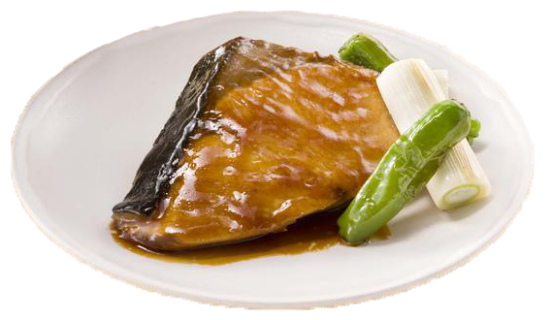
In Japan, the method of marinating fish such as yellowtail or salmon in a sauce prepared from soy sauce, mirin, and other seasonings, then grilling it, has long been called “teriyaki.” The word “teri” refers to the beautiful gloss and lustrous sheen that appears on the surface of the ingredients, while “yaki” means the cooking technique of grilling.
Even before World War II, this method was introduced in books and other publications in Europe and the United States, but it was always presented as a traditional Japanese cooking technique.
After the war, “Teriyaki” began to take root in a new form.
An article in the Chicago Tribune in 1950 described “Teriyaki” as a local Hawaiian dish of beef tenderloin or sirloin cut into pieces, skewered, marinated for more than 30 minutes in a sauce made from soy sauce, sugar, garlic and ginger, then grilled over charcoal. Later in 1953, the term “Teriyaki Sauce” appeared in a barbecue grill advertisement, and by 1958, the Washington Post featured an article noting that “in Hawaii, a spicy Japanese sauce gives meat its distinctive flavor,” introducing a sauce similar to the one mentioned above.
In other words, “Teriyaki” had become an American-born dish, seasoned with soy sauce.
02
History of
Teriyaki Sauce
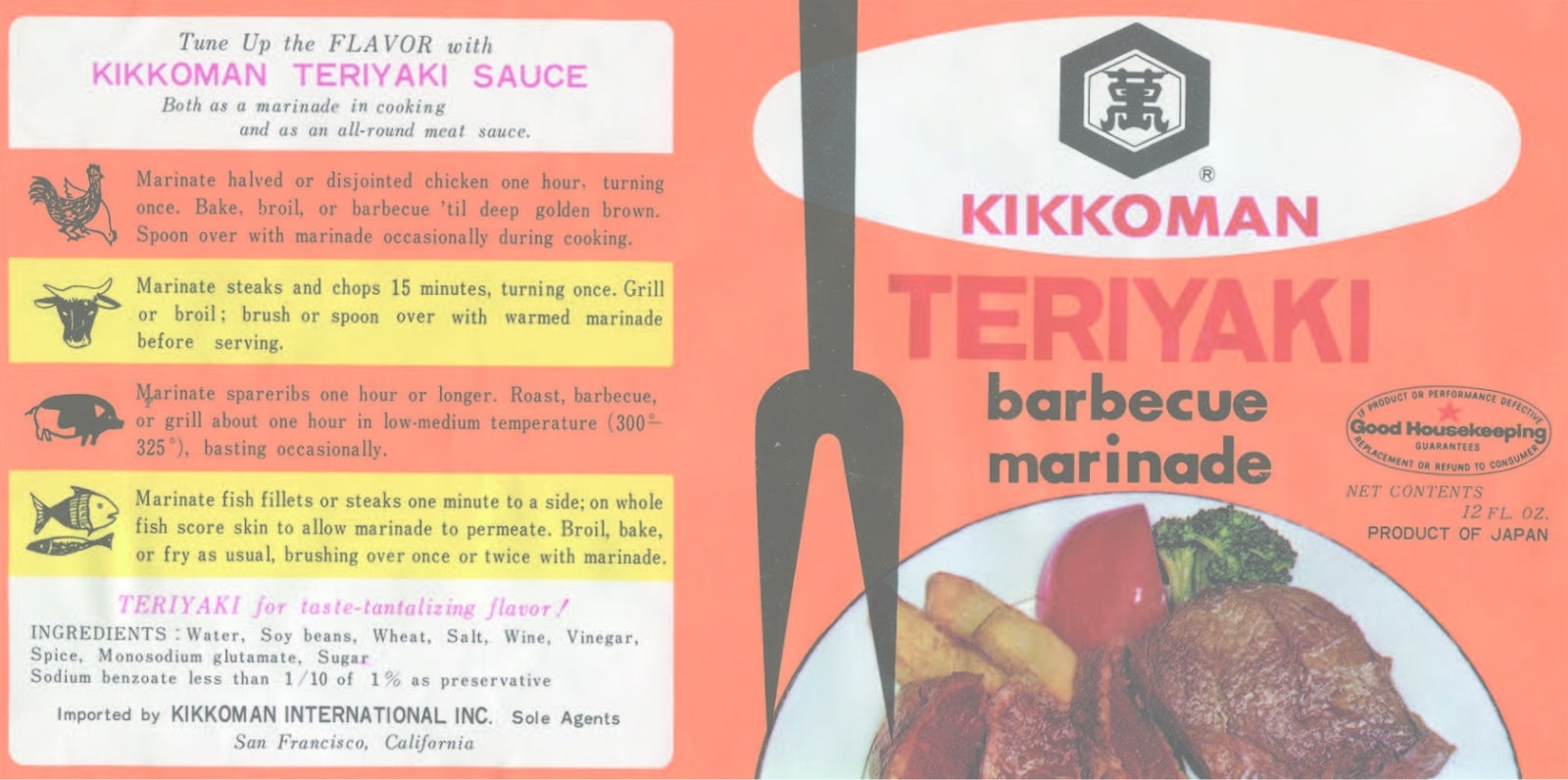
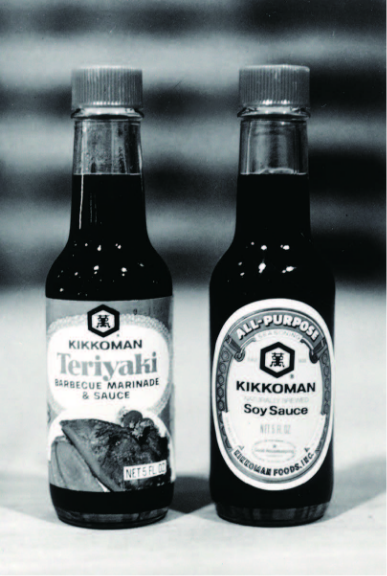
Following the “Japan boom” and the increasing recognition of “Teriyaki,” in 1961, we developed Teriyaki Barbecue Marinade in Japan and began exporting it to North America. This product was a unique blend based on input from our U.S. employees, combining soy sauce with wine and spices to create a Teriyaki sauce designed so that anyone could easily enjoy delicious “Teriyaki.” At the time of its launch, it achieved annual sales growth of 30 to 50%, quickly becoming a popular product.
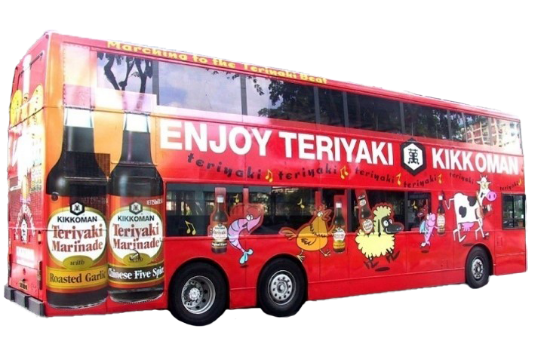

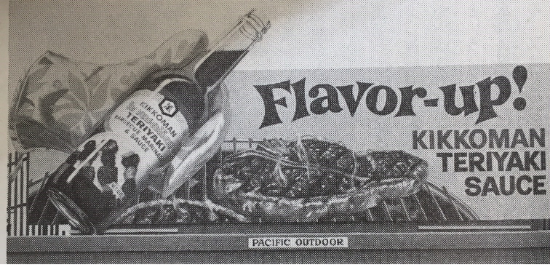
To establish Kikkoman Teriyaki Sauce in the North American market, we actively implemented advertising and marketing initiatives. In 1966, we installed large outdoor billboards featuring the product at several prime locations in Los Angeles. In the U.S., where cars are an essential part of everyday life, Los Angeles was particularly traffic-heavy, making giant billboards an effective advertising method.
As with soy sauce, in-market development centered on in-store sampling demonstrations at supermarkets. In the southern U.S., where demand for barbecue sauce was highest, we participated in consumer food shows, grilling beef patties and serving them with Teriyaki sauce for tasting. This approach appealed to consumers by showcasing a new, soy sauce–based deliciousness and the ease with which Teriyaki sauce could be incorporated into cooking.
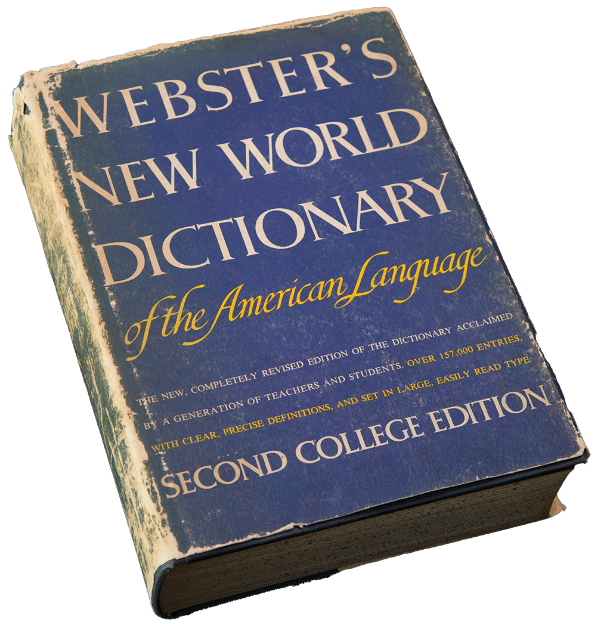
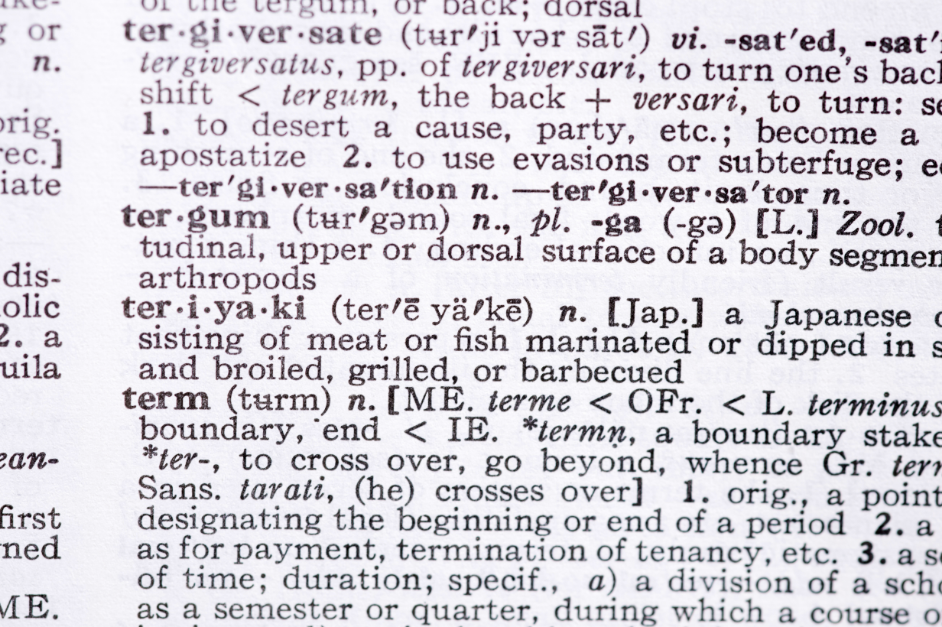
The inclusion of “Teriyaki” for the first time in the 1970 edition of Webster’s New World Dictionary of The American Language, Second College Edition (World Publishing Co.) signified that “Teriyaki” had become firmly established as part of American food culture.
As the U.S. market continued to steadily expand, we eventually began considering local production of Kikkoman Soy Sauce and Kikkoman Teriyaki Sauce.

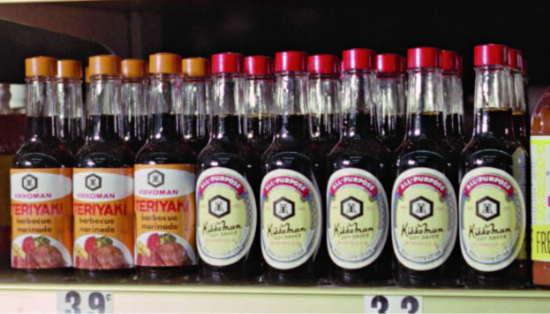
Prior to establishing a local plant, we partnered with the Leslie Salt Company, a salt producer in California, and in January 1968, we started bottling soy sauce locally as well as blending and bottling Teriyaki sauce.
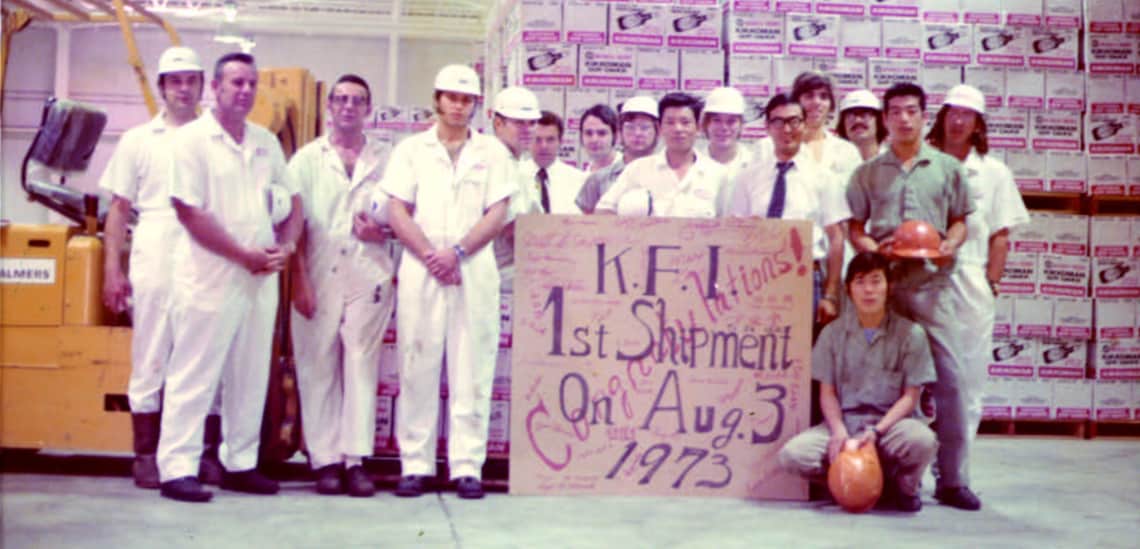
To meet further growth in demand, we established Kikkoman Foods, Inc. (KFI) in Walworth, Wisconsin, in 1972 as our first U.S. soy sauce production base.
Since the grand opening of this plant in 1973, Kikkoman Teriyaki Sauce has been produced entirely at KFI.
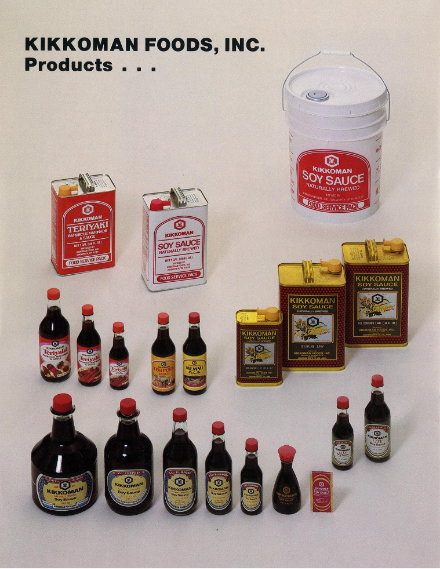
From the 1950s onward, Japan saw an increase in meat dishes as eating habits became more Westernized, which in turn was a primary factor in the decline of soy sauce consumption. We turned this situation around by introducing Japanese consumers to how soy sauce was used with meat dishes in the United States, aiming to revive domestic demand. In effect, we re-imported overseas examples to promote the idea that soy sauce goes well with meat dishes.
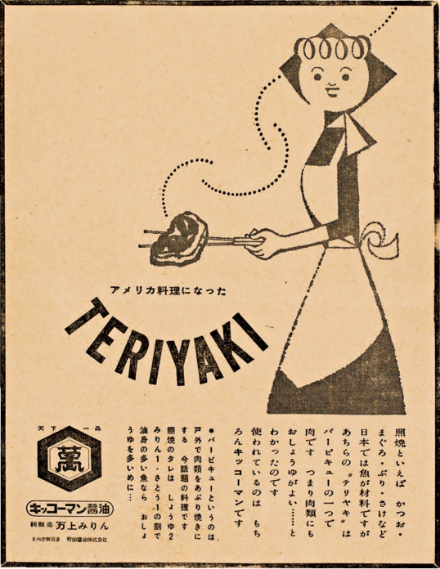

The first campaign was a newspaper advertisement in 1958 titled “Teriyaki Has Become an American Dish.” Then, in October 1962, we launched Barbecue Marinade in Japan, a product adapted for the domestic market from the Teriyaki Barbecue Marinade that had been exported to the U.S. the previous year and was enjoying strong popularity.
While the Teriyaki Barbecue Marinade, launched in 1961, has continued to be loved in North America as the classic Teriyaki sauce, we have strengthened our Teriyaki sauce lineup to meet the evolving needs of consumers and markets worldwide. For cooking applications, alongside the marinade designed primarily for marinating, we introduced Teriyaki Baste & Glaze, a thick sauce ideal for basting, glazing, and simmering in cooked dishes.
To address rising health consciousness and dietary restrictions and allergies, we also developed less-sodium and gluten-free options.
Recognizing growing consumer interest in authentic Japanese cuisine driven by the spread of Asian seasonings in Western markets, we launched the Teriyaki series in North America, offering a variety of flavors such as garlic, honey, and Korean-style blends.
As noted in the previous section, starting in North America, Kikkoman Teriyaki Sauce has grown to be produced and sold across the globe.
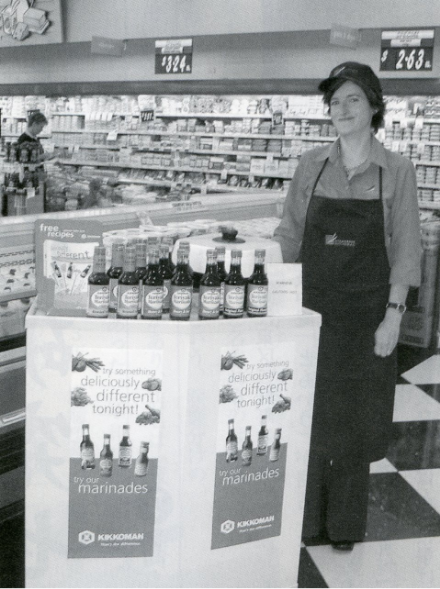
In 1983, we established Kikkoman (S) Pte. Ltd. (KSP), as our production base in Singapore, and the following year began shipping Kikkoman Soy Sauce and Kikkoman Teriyaki Sauce to Europe, Australia, and neighboring Asian countries. In Australia, where beef and lamb are widely consumed and the barbecue culture is deeply rooted, soy sauce was welcomed as a seasoning that goes well with meat dishes, and Teriyaki sauce was also embraced.
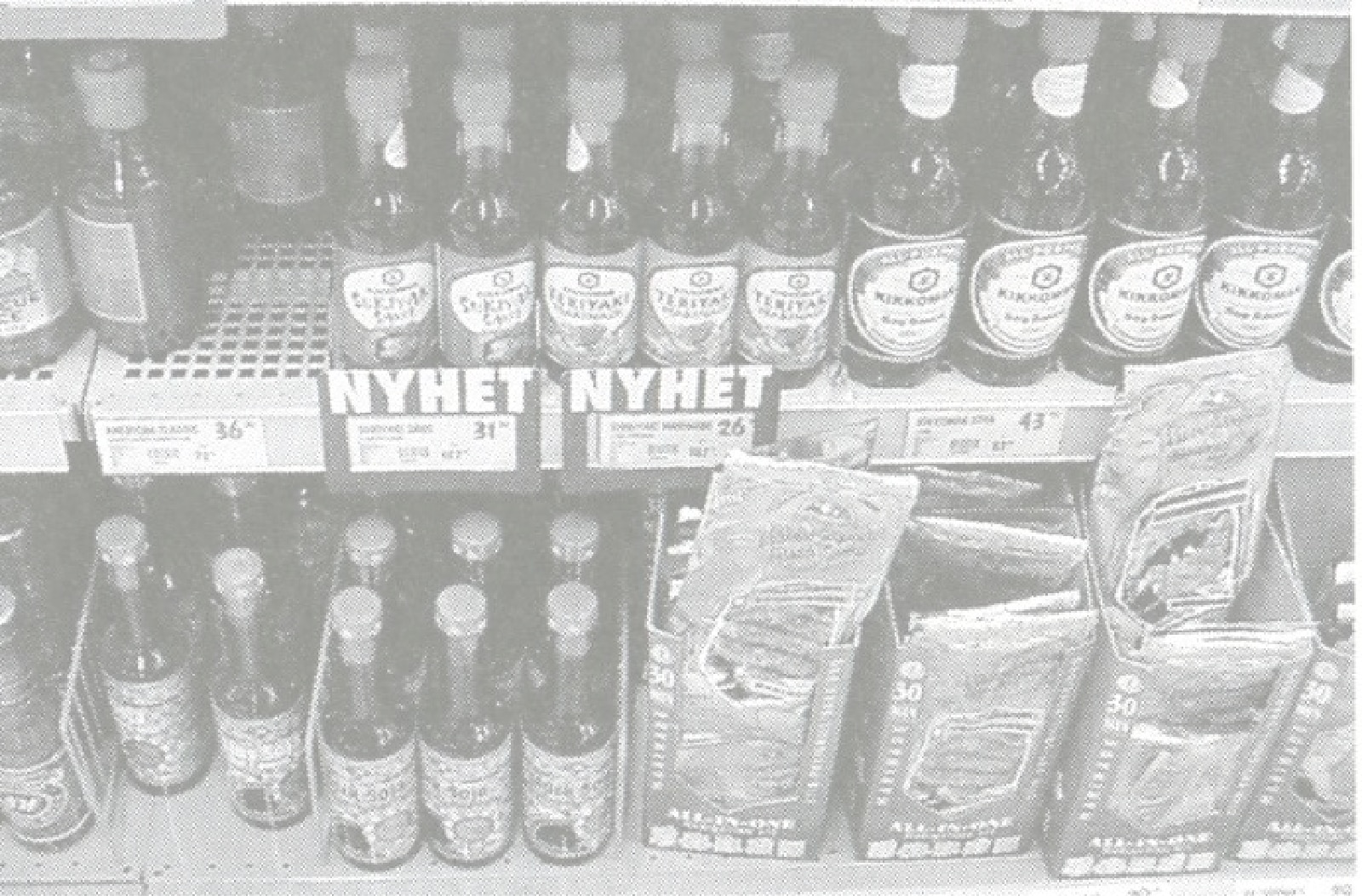
Thereafter in Europe in 1996, we established Kikkoman Foods Europe B.V. (KFE) in the city of Hoogezand-Sappemeer, the Netherlands, and began operations the following year as our fourth overseas plant after those in the U.S., Singapore, and Taiwan. As with KFI and KSP, KFE initially focused on producing our two core items: Kikkoman Soy Sauce and Kikkoman Teriyaki Sauce.
03 Kikkoman Teriyaki Sauce around the World
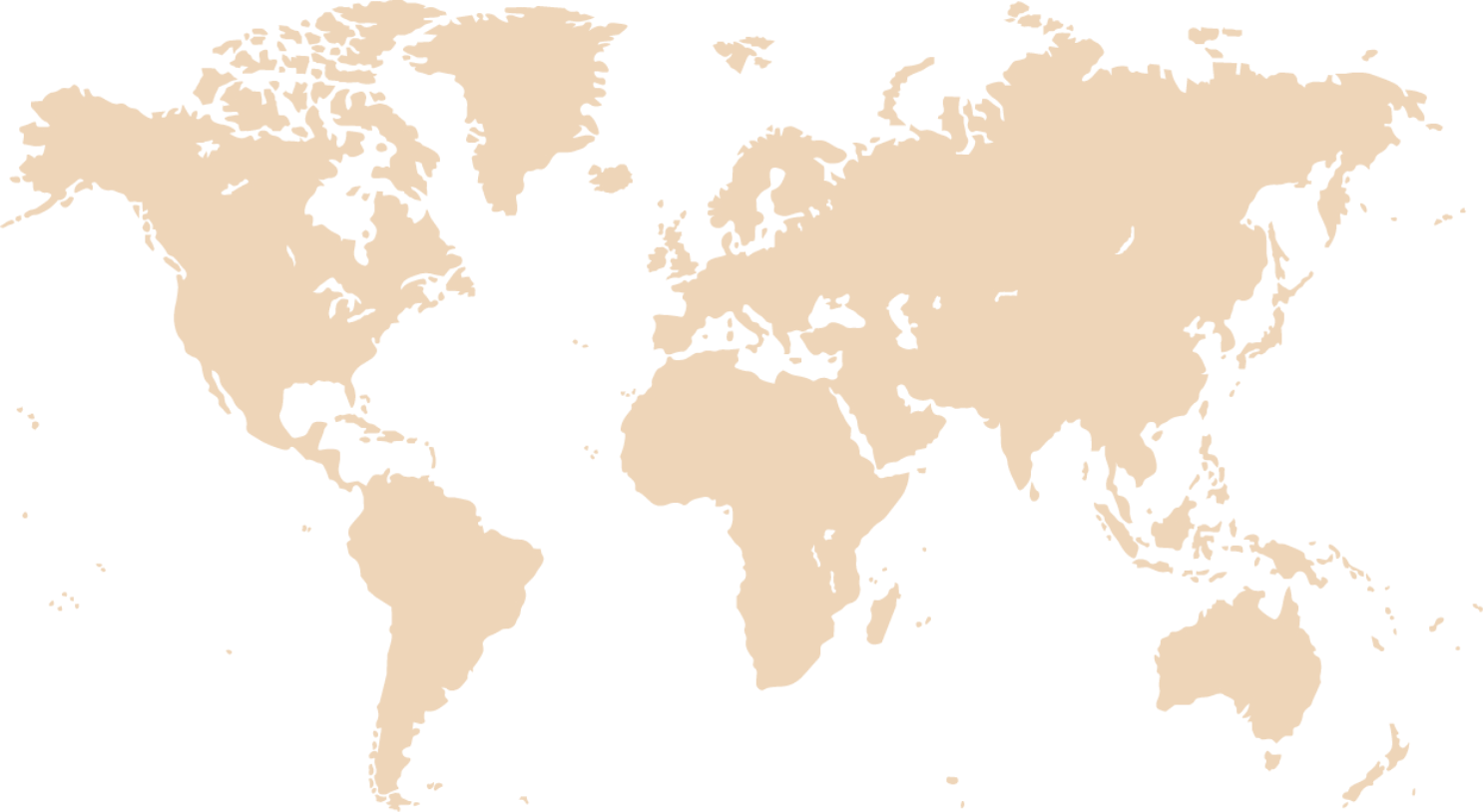
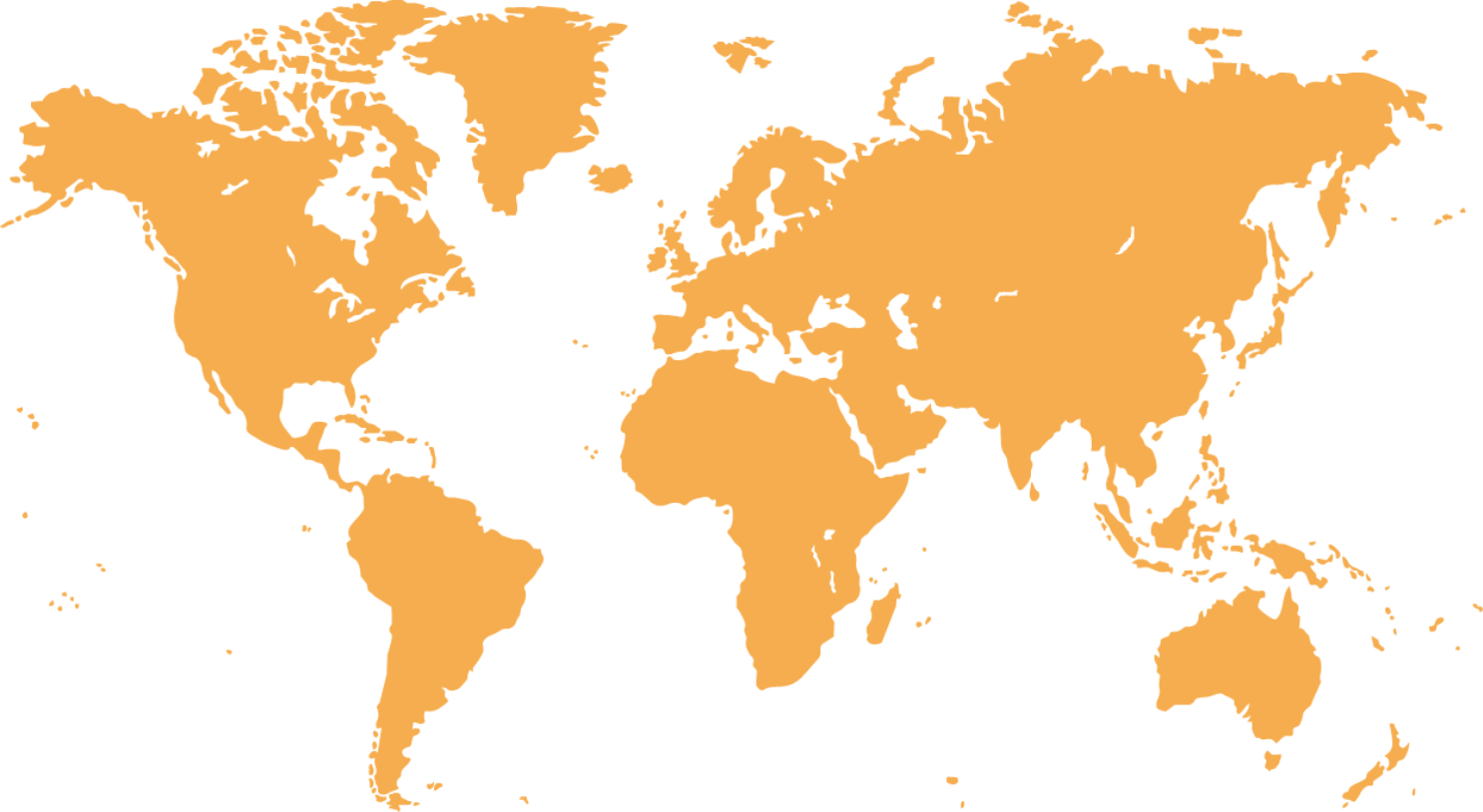
Kikkoman Teriyaki Sauce is sold and loved in many countries and regions, meeting diverse food cultures and needs.
You can access product information and recipes for Teriyaki sauce available in each region from the world map below.
04
Cooking with
Kikkoman
Teriyaki Sauce!
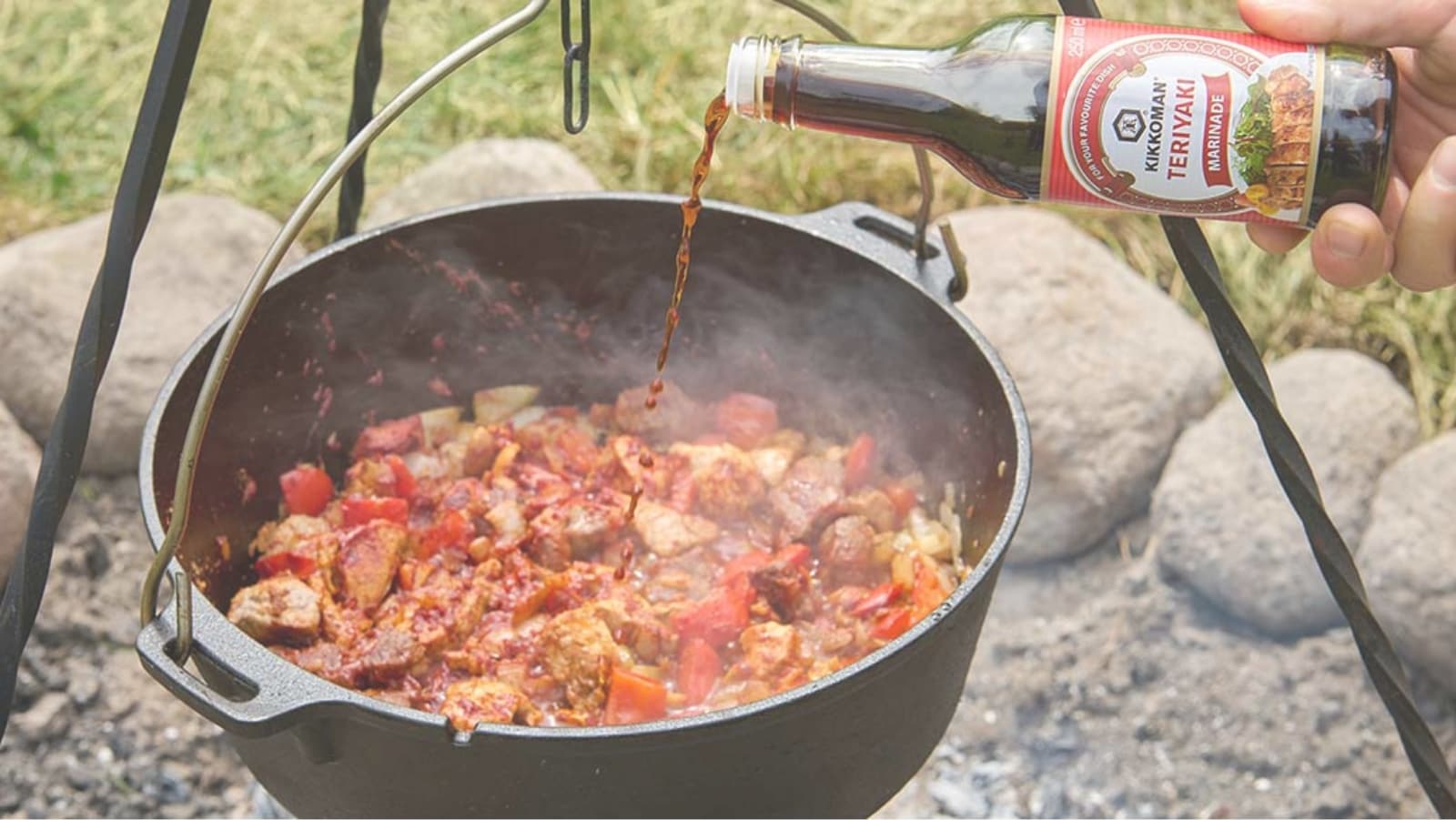
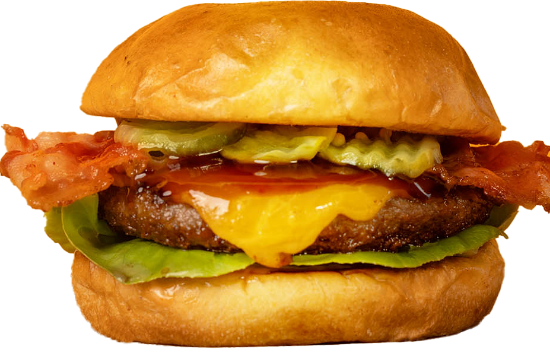
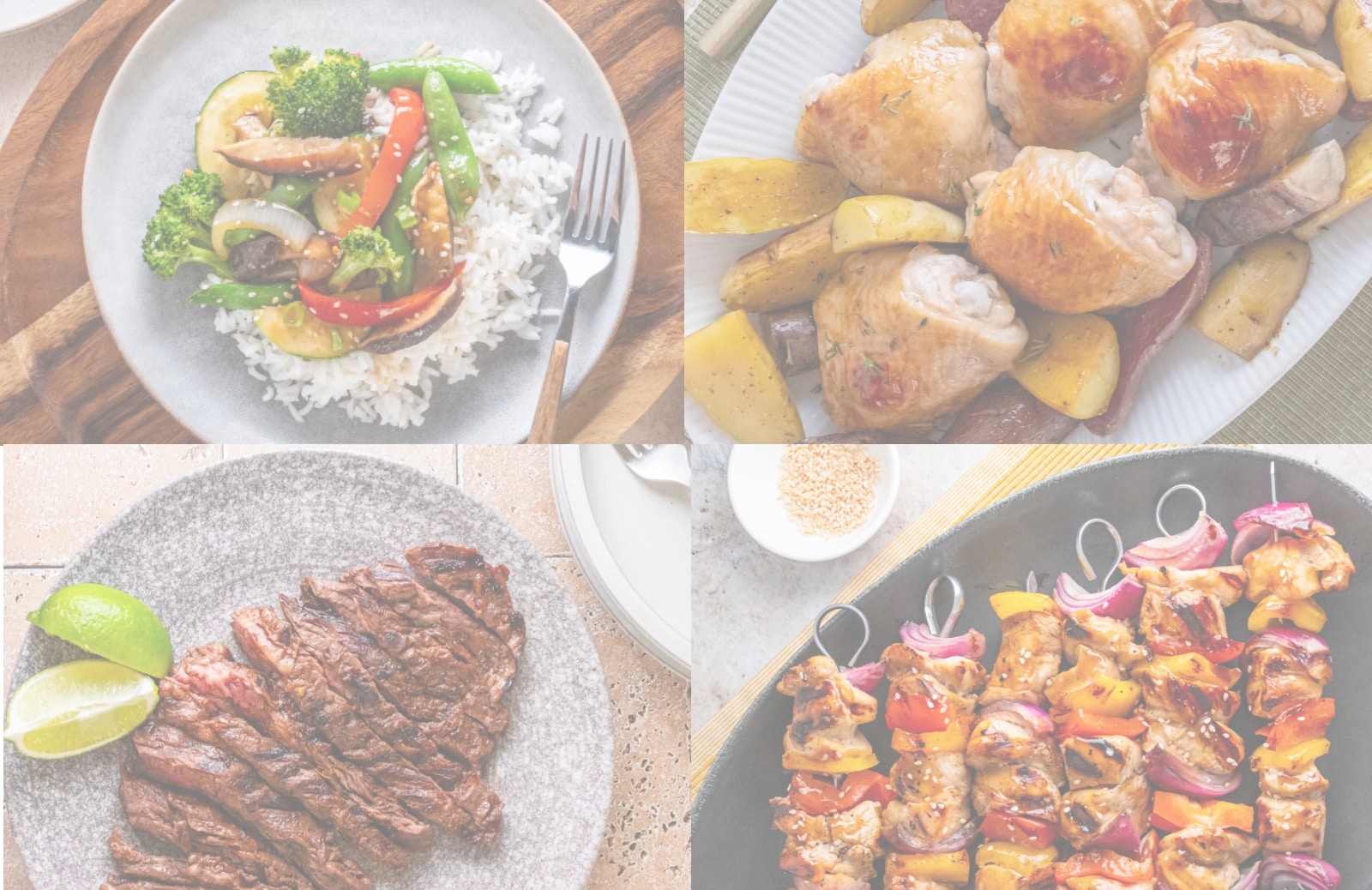
Originally enjoyed as a type of barbecue sauce, Teriyaki sauce has evolved over time. Today, it is no longer limited to meat or barbecued dishes, and is used with a wide variety of ingredients and cooking methods. By using Kikkoman Soy Sauce as its base, Kikkoman Teriyaki Sauce flexibly adapts to the diverse taste preferences and needs of modern-day consumers, creating new deliciousness on tables around the world every day.
Kikkoman Teriyaki Sauce can be enjoyed with a wide variety of ingredients and cooking methods.
Marinating ingredients in Teriyaki sauce allows the rich flavor to soak in deeply. Quickly mix into stir-fries to enhance the savory aroma. Use as a dressing to turn an ordinary salad into a stylish centerpiece. Or add a creative twist to everyday dishes by having it on the side as a dip for meat and vegetables. You can even use Teriyaki sauce as a hidden flavor in soups or stews to add depth and richness. Explore endless combinations of ingredients and cooking styles, and let your culinary creativity shine!
For specific recipes, please visit your local Kikkoman webpage via the links on the world map below.