Charms of Washoku
Charms of Washoku ~For the Future of Washoku~
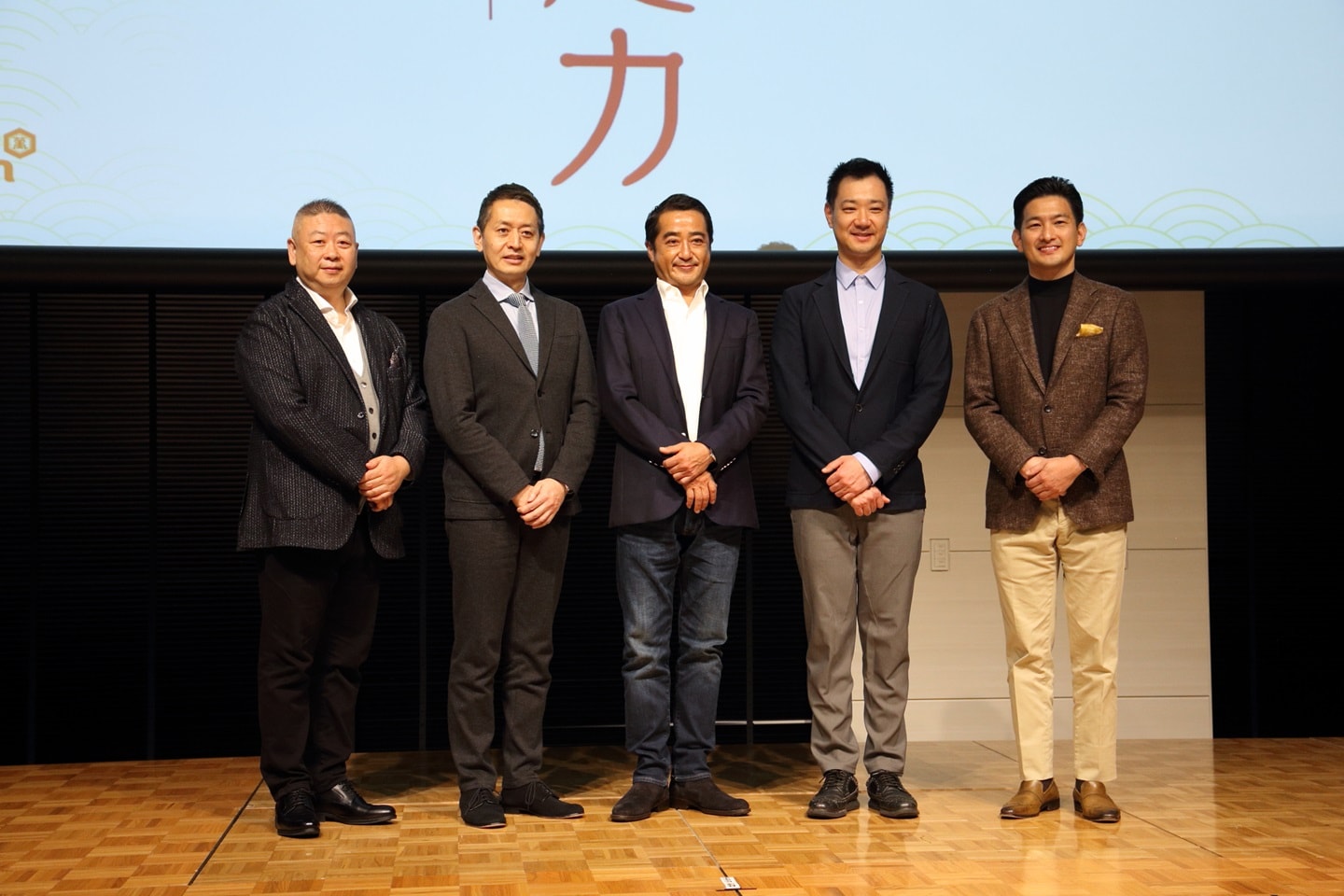
On the occasion of the 10th anniversary of Washoku’s registration as a UNESCO Intangible Cultural Heritage, Kikkoman hosted a forum inviting four chefs active in Japanese cuisine in Japan and abroad to discuss the features and the future of Washoku.
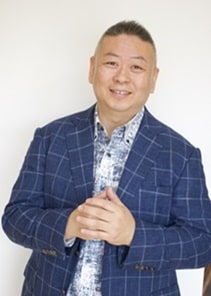
Food business consultant
Born in 1967. After training at a ryotei (prestigious traditional Japanese restaurant) in Kansai, he worked as an executive chef at the Japanese Embassy in Washington, DC. After returning to Japan, he took over a Japanese restaurant in Tokyo as the 2nd generation owner and chef. He served as the general manager at a ryotei operated by Kikkoman at the Japan Industry Pavilion during the Expo 2010 in Shanghai, China, and as the supervisor for the Kikkoman event in“ Japan Salone” at the Milan Expo 2015. Engaged in a number of food projects, he has been working to promote the international exchange of food cultures.
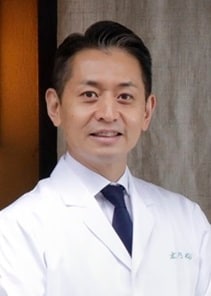
Third-generation owner and chef at Kinobu.
Born in 1968. After graduating from university, he trained in a ryotei in Tokyo. Returning to Kyoto, he took over as the thirdgeneration owner and chef at Kinobu. He is also a certified senior wine sommelier and qualified kikisake-shi (sommelier of sake). He develops new Japanese cuisine adopting scientific theorybased cooking techniques. While serving as a goodwill ambassador to popularize Japanese food, as vice chairman of The Japanese Culinary Academy, and more, he participates in many overseas food events. He has a Ph.D. in food and agricultural science.
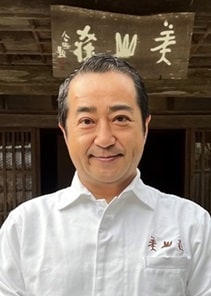
Fourth-generation owner and chef at Miyamasou.
Born in 1969. After graduating from high school, he studied hotel management at universities in the U.K. and France, and trained in service at a restaurant in France. After returning to Japan, he trained at a ryotei in Kanazawa. He returned to Kyoto to take over Miyamasou as the fourthgeneration owner and chef. He offers tsumikusa cuisine that reflects the flavors of nature and often collaborates with chefs overseas. In recent years, he has been working on the revitalization project of Hanase, Kyoto with university students, and aims to offer a rich diet that harmonizes with nature.
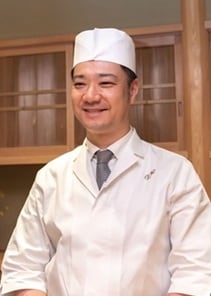
Fifteenth-generation owner and chef at Hyotei.
Born in 1974. After graduating from university, he trained at a ryotei in Kanazawa. He returned to Kyoto to work under his father, Eiichi, the 14th-generation owner and chef at Hyotei, whom he succeeded. This ryotei has a 400- year history and is in its 15thgeneration. While inheriting traditional Japanese cuisine founded on cha kaiseki (meals served in formal tea ceremonies), he aims to offer constantly evolving cuisine based on confident technique. Engaging in regular exchanges with top chefs around the world, he conveys the charms of Kyoto cuisine in Japan and abroad.
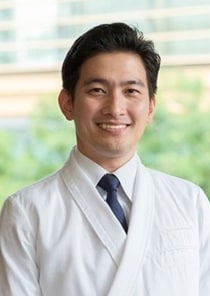
Grand master at Kinsaryu Culinary Discipline and president of Yanagihara Cooking School of Traditional Japanese Cuisine.
Born in 1979. After graduating from university , he worked for a food manufacturer and in a foreign-owned sailing vessel as a kitchen crewmember. Currently, he teaches Japanese cuisine and cha kaiseki at his cooking school in Akasaka, Tokyo. He has succeeded as the grand master of Kinsaryu Culinary Discipline, which is said to have been established in the Edo Period. He supervises dishes to be used in historical dramas, checking for historical authenticity, and gives guidance to actors on cooking movements. Appointed as a cultural exchange envoy and goodwill ambassador to promote Japanese food, he has been actively sharing Japanese cuisine with the world. He has a Ph.D. in zymurgy.
Changes Over 10 Years Since the Inscription of Washoku on the UNESCO Intangible Cultural Heritage List
| H. KAKIZAWA | In 2013, when washoku was inscribed on the UNESCO Intangible Cultural Heritage List, we invited you all to have a panel discussion. How has washoku changed over these 10 years? |
|---|---|
| T. TAKAHASHI | About 20 years ago, efforts to introduce Japanese cuisine to the world began. The job in 2013 was only half done, as Japanese cuisine had become known to some extent but the real thing has not reached the rest of the world. |
| H. NAKAHIGASHI | For instance, it was recognized that Japanese cuisine was healthy, but people did not know why it was healthy. I think understanding has deepened over these 10 years. |
| N. YANAGIHARA | The knowledge of people overseas increased. I judged a cooking contest of overseas chefs preparing Japanese cuisine 10 years ago and again this year, and the participants’ level has risen significantly. The winner this year was invited to participate in a competition among Japanese chefs and ended up ranking around the middle of the participants. Just by looking at the dishes prepared, you would not imagine they were prepared by a non-Japanese person. In the not-too-distant future, I expect to see a winner from a foreign country. |
| T. TAKAHASHI | I feel the level of Japanese restaurants overseas has improved. In some, I notice willingness to learn not only culinary skills but culture. |
| H. NAKAHIGASHI | Ten years ago, I began to think about how I could create dishes that would make people from overseas look forward to what they could expect in Japan when they come. |
| Y. TAKAHASHI | When I was overseas, I was exploring what dishes could be made using locally available ingredients rather than ingredients from Japan. Without this approach, it would be difficult to spread Japanese cuisine more widely. There was a lot of trial and error. |
| H. KAKIZAWA | It is exciting to hear that, during these 10 years, washoku has been evolving and getting better at communicating with the world. From here, let’s talk in line with the themes raised by each panelist. |
Washoku and Global Technique × Culture
|
Takuji Takahashi: Baked Small Turnip with Kanoko Cuts 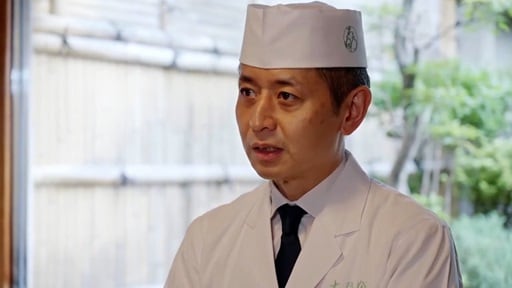 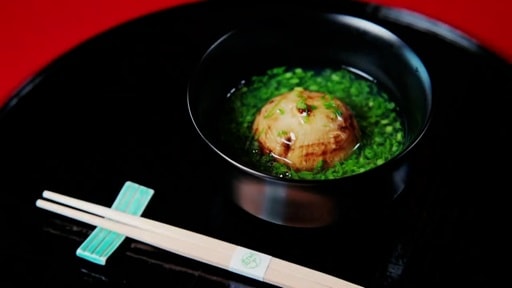 |
| H. KAKIZAWA | The dish is well considered and detailed. It expresses simple but sophisticated beauty, and the fine mesh-like cuts make it easy to break apart for eating even though it is not peeled. |
| H. NAKAHIGASHI | As a mountain person, I feel it’s pointless to peel turnips. This cooking method makes the most of the food’s characteristics. |
|---|---|
| Y. TAKAHASHI | Today’s turnips taste differently from those in the past. They used to be stringy and have a harsh taste, and needed to be peeled with the edges cut away. Today, however, thanks to the efforts of the growers, the whole vegetable has become delicious. That’s why I think new cooking methods emerged. |
| T. TAKAHASHI | Techniques progress and chefs around the world are contemplating new dishes. I think it’s important to use overseas techniques skillfully with our cultural filter, namely, to adopt only the technique and imprint it with Japanese culture. |
| H. KAKIZAWA | It’s not “Global and Washoku,” but rather “Global Washoku.” It means that the international exchange of food goes forward. |
| T. TAKAHASHI | Many overseas visitors come to Japan. I had been cooking for Japanese people and now I can make adjustments for the food to be enjoyed by people from overseas. For instance, a dash of oil makes it easier for foreign visitors to appreciate a dish. |
| H. NAKAHIGASHI | Foreign interest in cuisine leads many to become interested in Japan’s art culture. Interest in things such as serving dishes and hanging scrolls is increasing. |
| Y. TAKAHASHI | My restaurant is old, so customers’ attention is directed to the building’s features from the moment they arrive. In the past, even taking off shoes was a hurdle for foreign customers, but over these 10 years they have become used to this custom. Some now come repeatedly and their knowledge and experience has been enriched. |
| H. KAKIZAWA | That indicates that Japan’s culture is being accepted by people from overseas. |
| N. YANAGIHARA | My school has an increasing number of, not only people from overseas, but returnees as well. Japanese cuisine adds seasonings for umami (savoriness) while, overseas, seasonings and spices are added to oil. Understanding the differences in how the flavor is constructed, more people are seeking to make dishes themselves. Those families that prepare Japanese dishes at home may increase, even overseas. |
| T. TAKAHASHI | I teach cooking and culture at university, though my teaching is not limited to Japanese cuisine. While lecturing on a variety of things, such as how Kabuki can be applied to cuisine, and how techniques of Western cuisine and Chinese cuisine can be used to prepare washoku, I came to realize the importance of “teaching.” It’s truly embarrassing that Japanese people are not oriented toward authenticity when so many people from overseas want true washoku. I hope that Japanese people will also understand the beauty of Japanese cuisine. |
SDGs Global Environment and Washoku
|
Hisato Nakahigashi: Grilled Japanese Spanish Mackerel Topped with Mushroom Sauce 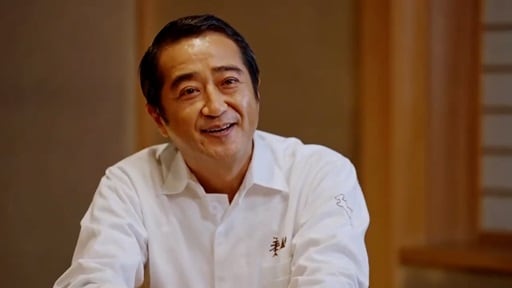 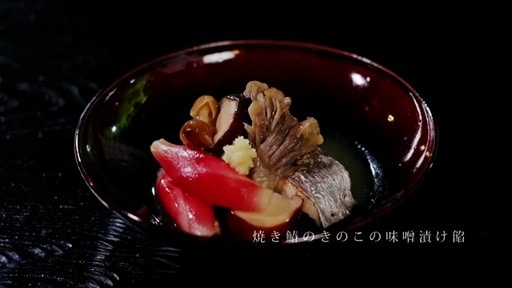 |
| H. KAKIZAWA | Will you tell us how you coexist with the nature that you value so much? |
| H. NAKAHIGASHI | We chefs cook for ingredients, and do not just use ingredients to do our cooking. We must cook something that is tailored to the ingredients first. |
|---|---|
| T. TAKAHASHI | Mr. Nakahigashi uses ingredients that grow in the natural environment, so any environmental degradation will make them unavailable. That’s why he is conscious of environmental issues and creates by himself an ecosystem that coexists with nature. I admire his attitude. We don’t think about not being able to obtain ingredients. I think we are lacking in that regard. |
| Y. TAKAHASHI | Nature-dependent produce may grow earlier or later according to changes in seasons, and the way their flowers bloom and how they bear fruits may not be uniform. So it is important to carefully choose the growing area and plan a menu according to the time of year. There is no such thing as eating too much seasonal food. |
| N. YANAGIHARA | I learned a lot about nature from my father. He went to the farm on his days off. He produced honey on the rooftop to replace sugar. Since succeeding him after he passed away, I began to think about ingredients more seriously. |
| H. NAKAHIGASHI | As I live in the mountains, my lifestyle is naturally SDG-oriented. My interest starts with soil preparation, and concerns growing crops and following the whole life of the crops. Doing so helps to add depth to the dishes we cook. What is important is to have a love for the ingredients. What you eat and what you offer others to eat – to grow them yourself, even just a little, is the best way to have a love for the ingredients. |
Washoku Tradition and Evolution
|
Yoshihiro Takahashi: Soup with Red Seabream and Tomato 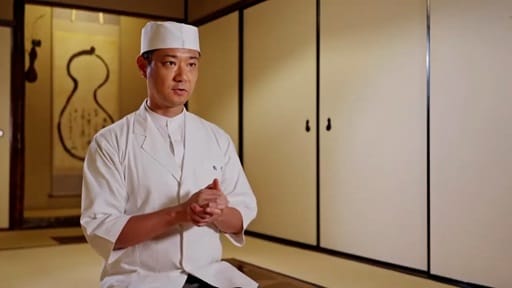 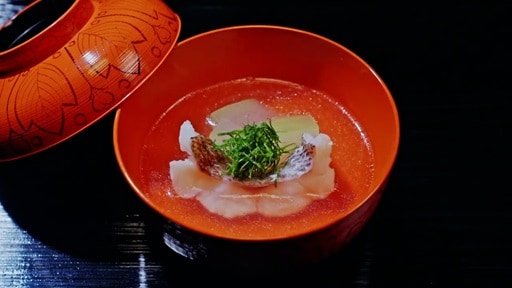 |
| H. KAKIZAWA | What is tradition in the first place? |
| Y. TAKAHASHI | While repeating what knowledge has been cumulated over the generations, we sometimes add some new touches. In that way, things can proceed a little differently from the past. This new practice is then repeated and undergoes further changes. Repetition of that cycle with continuous changes becomes the tradition, as I understand it. Kombu is not readily available overseas, but we can create a similar effect by using tomato that is most certainly available overseas. |
|---|---|
| T. TAKAHASHI | There is merit in something that has been continued and accumulated over a long period of time. If you don't understand that, you will lose its essence. |
| Y. TAKAHASHI | Even if you try to change the way of doing things, a method that does not catch on with others cannot be continued. Not all attempts go well. Sometimes we need to go back to square one and think in a different direction. As time goes on, cuisines and preferences change. I feel that the process of presenting to the world what one has cultivated within oneself while paying attention to changes leads to evolution. |
| N. YANAGIHARA | I think that evolution is like a pendulum. For instance, tomato dashi may take some getting used to, but it will become familiar after being served often enough. Then, another new flavor and new ingredients will join the menu. I believe that, though the taste and ingredients may change often, the essence is what remains consistent. |
| H. NAKAHIGASHI | To be caught up in past work can be considered negligence. Things that don’t change to accommodate the times will fade away. I think tradition means to keep on creating what is needed. |
| Y. TAKAHASHI | I think it important to look at what is vital to the essence, to trace the roots of what you value right now and pinpoint its essential value. By sharing that finding with others, you can cultivate it in a more extensive manner. Technique is important, but if you do not become aware of what lies at its base, it will not grow as a culture. To be able to grasp this is important in washoku. |
Home-Cooked Meals and Washoku
|
Naoyuki Yanagihara Shushoku Kigara Chameshi (Autumn Seasonal Mixed Rice) 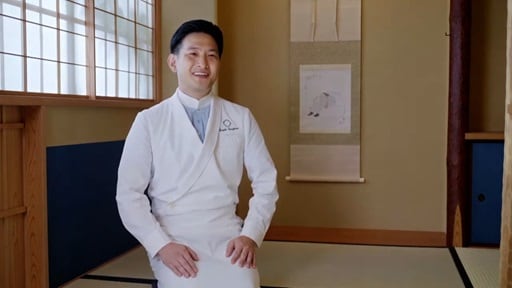 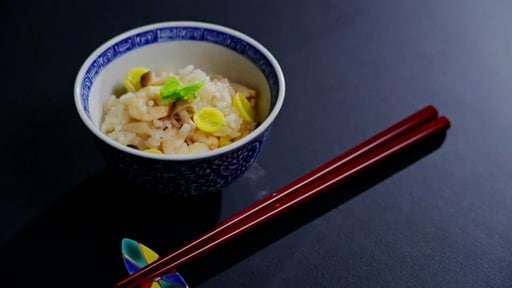 |
| N. YANAGIHARA | My cooking school was started by my grandfather as a school that specialized in Japanese cuisine. He was alarmed that Japanese cuisine was being neglected after the war when American culture came in. Times have changed with the school, which was taken over by my father and then by me. When we teach how to prepare osechi (traditional New Year’s foods), we have noticed that increasing numbers of students have not even eaten osechi. So we teach them why particular osechi dishes are eaten, the reason and the meaning. Some of the students have been attending since before I was born. It is really nice to see people with such an earnest motivation to learn. |
|---|---|
| Y. TAKAHASHI | My restaurant also has many customers who first came as children with their parents, and they come on special occasions because our restaurant evokes many fond memories for them. |
| H. KAKIZAWA | Those who study not only cuisine but culture would be learning further by going to a variety of restaurants. Do you have anything that you tell people to pay attention to when adopting washoku in their home cooking? |
| T. TAKAHASHI | It’s a balance of flavors. I tell people to use seasonings not as materials that add flavor to food but as materials that bring out the flavor of the ingredients themselves. |
| H. NAKAHIGASHI | When I teach recipes, I make sure to adjust the contents to make them reproducible at home. When I hear that a student prepared a dish at home and their family loved it, it delights me that I did something helpful for them. |
| Y. TAKAHASHI | First of all, it’s important to consider how and by whom the dish will be eaten. As you cannot be expected to get it right the first time on your own, you should reproduce the recipe exactly as you were taught. Thereafter, you can add some flourishes that reflect your style. I hope people will approach it like that. |
| N. YANAGIHARA | As a Japanese, having washoku at home is the best way to train the palate. I think your lifestyle is formed by what you eat. Therefore, I would like to keep on conveying the message of enjoying washoku at home. |
| H. NAKAHIGASHI | I think washoku agrees with our constitution, as it has been developed by the Japanese in harmony with the environment of Japan. I believe it important to spread and pass on washoku to future generations so that we can lead a healthy life. |
| T. TAKAHASHI | Foodstuffs today are not the same as before. So it is important to reconsider how to prepare delicious dishes with current foodstuffs. Young people will feel something “new” by eating them. |
| Y. TAKAHASHI | Our diet is central to our daily culture, cultivated by our fellow Japanese, and is the closest thing to our hearts. What you think is delicious and your perspectives may differ depending on the era in which you live. I think it necessary to eat washoku rooted in the daily culture to see the difference. |
| N. YANAGIHARA | Washoku is not so difficult. Boil some spinach and eat it with dashi broth, soy sauce, and katsuobushi shavings. That is good enough to be called washoku. Place it on a nice plate and serve it on a tray, then it can be a cha kaiseki dish. A feature of Japanese cuisine is the pursuit of an ingredient’s nature so it is both delicious and attractive. With a simple technique, you can do a lot at home, so I hope people will prepare and eat washoku at home. |
| H. KAKIZAWA | It will be wonderful if people start to enjoy home-cooked washoku more often. Before closing, will you each give us a short message? |
| T. TAKAHASHI | You may have noticed that chefs each have their own distinct philosophies. However, what they have in common is the attitude of cooking with love and the will to pass that attitude on to the next generation. I hope people will make use of what we talked about today in their daily lives. |
| H. NAKAHIGASHI | I feel that home-cooked meals are the best meals that I can eat every day without getting tired of them. If you realize that the meals you prepare make others happy, you will come to love cooking more. It would be nice if we could all collaborate to bring more excitement to Japanese cuisine. |
| Y. TAKAHASHI | Each person decides what to eat on their own. There are many kinds of restaurants with many kinds of cuisine in the country. It is important to be conscious of what you choose from among them and choose to carry on. I dearly hope that opportunities to eat washoku at home will increase. Doing so will increase the opportunities to choose washoku when people eat out and help shape the future of the cuisine. |
| N. YANAGIHARA | Over these 10 years, exchanges among chefs both in Japan and worldwide have grown. Rather than all these approaches just mixing together into one, I hope chefs in each area inherit the tastes and ingredients of local cuisine. They should also cultivate their own aesthetics. Contact with various ideas and opportunities and developing extensive experience can lead to the vital continuation of tradition. |
| H. KAKIZAWA | I think the charms of washoku were fully explored and enjoyed today. Thank you very much. |