
An Sweet Paste
This year, Fundamentals 101 introduces the essentials of wagashi traditional Japanese confectionery. We begin with an sweet paste, a quintessential element of sweetness used in wagashi.
Wagashi are made using distinctive natural Japanese ingredients, and are unique in their gentle sweetness, seasonal symbolism and elegant presentation. An generally refers to various smooth pastes made from boiled beans, sweet potatoes or chestnuts sweetened with sugar, and is indispensable in making many types of wagashi. The focus here is on the most commonly used azuki-an red bean paste and shiro-an white kidney bean paste.
Azuki-an
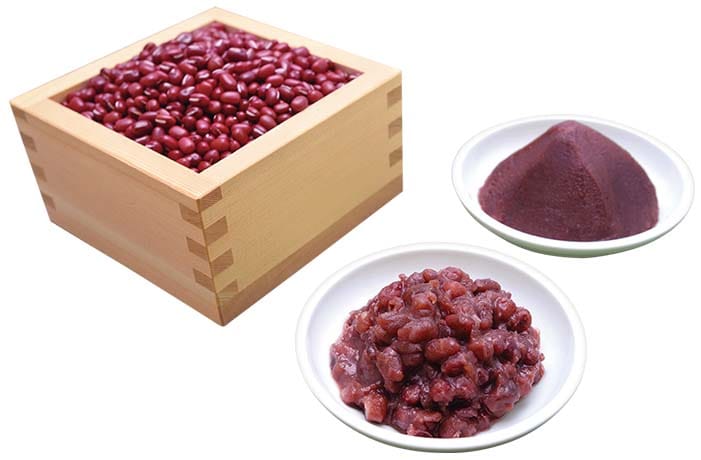
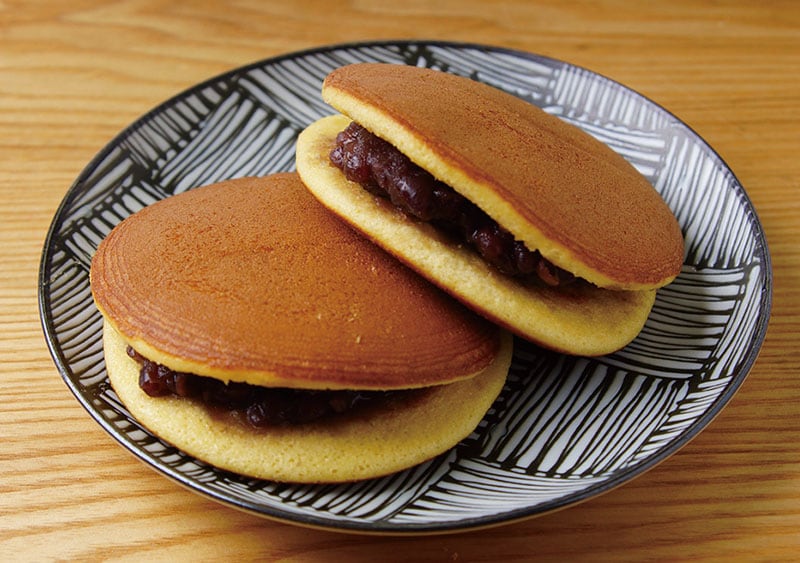
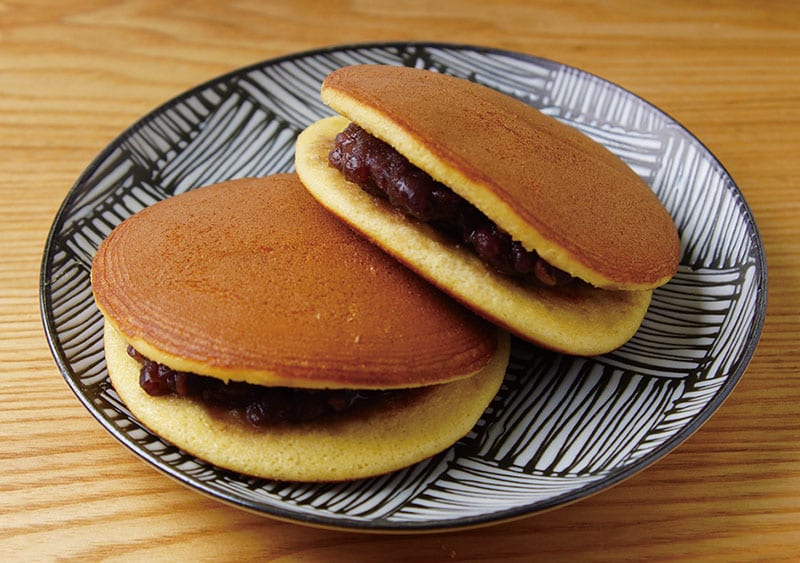
Considered the “classic” an, azuki-an is made by gently simmering azuki red beans until soft and then sweetening with sugar to use as filling for various wagashi, including dorayaki, daifuku and manju buns. There are two types of azuki-an, the first of which is tsubu-an, prepared by coarsely mashing the beans without removing their skins to produce a chunky paste. This method preserves the full depth of the natural azuki bean flavor, characterized by concentrated umami, a slight astringency and a distinctive aroma. The second type is koshi-an, made by pressing and straining boiled azuki beans to remove their outer skins before adding sugar. This paste is then kneaded until smooth. Koshi-an is prized for its silky texture and refined sweetness of the beans.
Shiro-an
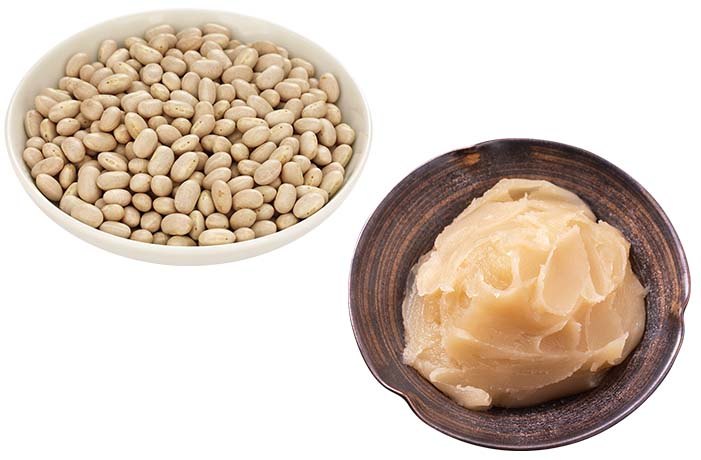
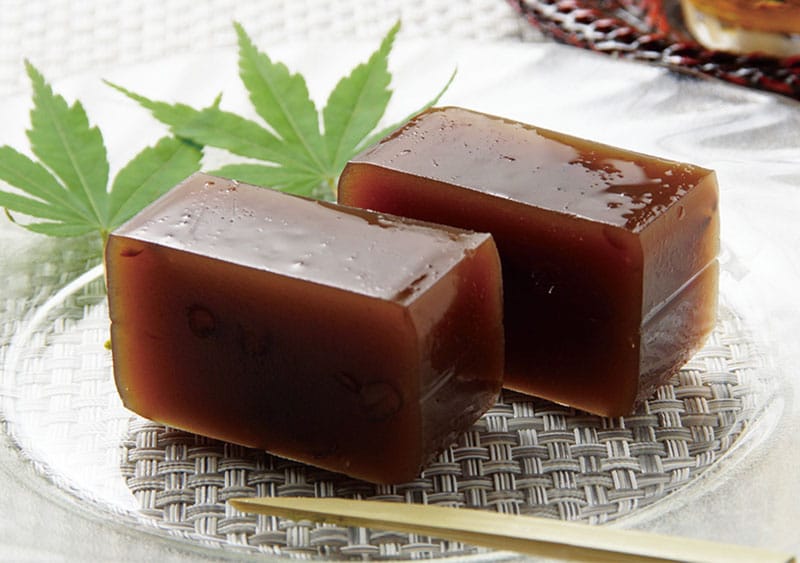
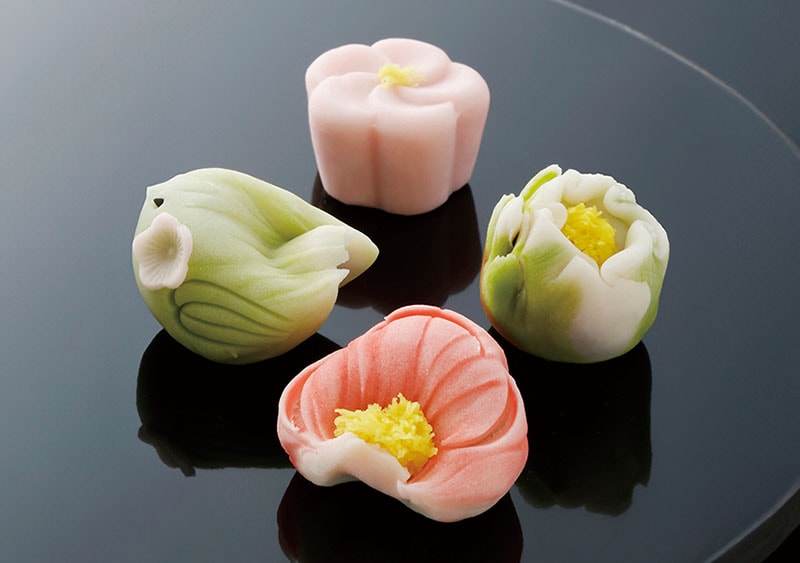
Made with boiled white kidney beans or white azuki beans, shiro-an is a smooth white paste. The softened beans are strained and sweetened with sugar. Because of its pale color, shiro-an can be tinted with natural colorings, such as matcha, to produce delicate hues. With a mild sweetness and velvety texture, shiro-an enhances and complements the flavors of its fellow ingredients. Shiro-an is used in manju buns, yokan and monaka, to name a few examples. It is also a key component of nerikiri, a classic form of artistic wagashi known for expressing seasonal changes and nature. Nerikiri are among the traditional wagashi served during the tea ceremony.