
Japanese Wellness Teas
A part of Japan’s modern life

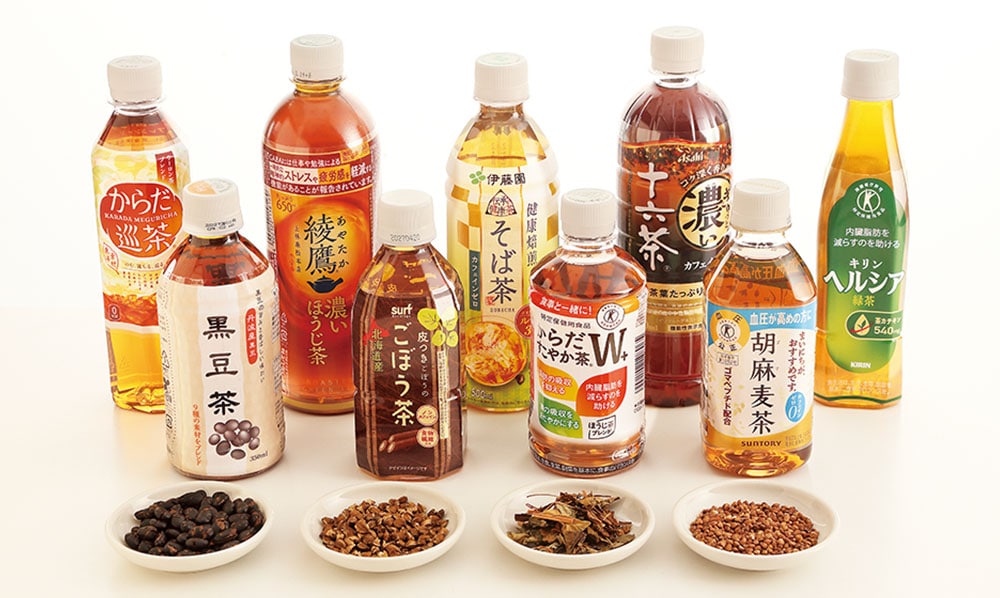
Japan is well known for its matcha and green teas, but the country’s ancient tea culture extends beyond these. For centuries, Japan has cherished teas made by brewing grains, beans, dried fruit peels, roots and tree leaves. These simple, mild-flavored drinks have been consumed for their medicinal properties as a long-standing tradition. Recently, however, they have been rediscovered and presented as kenko-cha wellness teas. Buoyed by the ongoing interest in healthy lifestyles, various kenko-cha are marketed, most of them naturally caffeine-free, making them suitable for everyone from children to the elderly. Thanks to this broad appeal, kenko-cha are now a part of Japan’s contemporary daily life.
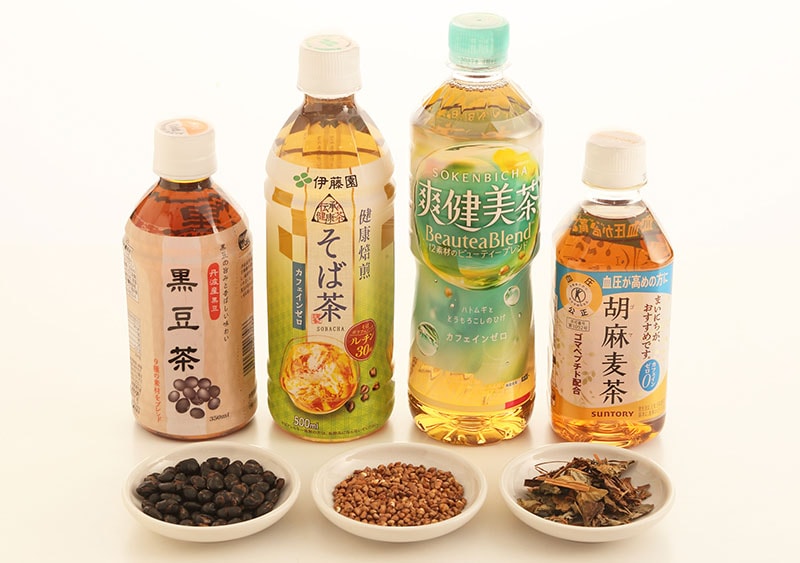
Traditional kenko-cha include mugi-cha (roasted barley tea), soba-cha (roasted buckwheat tea) and kuromame-cha (roasted black soybean tea). Mugi-cha barley tea, originally a staple summer drink in Japanese homes, is now enjoyed year round as one of the most popular caffeine-free beverages. It has a refreshing roasted flavor and replenishes the body’s minerals, often lost in hot weather. Soba-cha buckwheat tea has traditionally been a regional drink where buckwheat is grown but is now widely available throughout Japan. It is prized for its toasty aromatic flavor as well as its antioxidant rutin, contained in buckwheat. Kuromame-cha black soybean tea, once more common only during colder months, is also high in antioxidants. It is appreciated for its distinctive roasted soybean aroma and smooth, mellow taste. Other wellness teas include dokudami-cha (houttuynia cordata tea), gobo burdock tea, and blended herbal and grain teas.
The wellness tea market in Japan is expanding beyond traditional teas such as these to encompass functional-wellness teas having specific health claims to, for example, reduce fat absorption, lower stress, and moderate blood sugar. These are sold in Japan as Foods with Function Claims (FFC) or Foods for Specified Health Uses (FOSHU). While a bit more expensive, many choose these to incorporate functional ingredients such as catechins, GABA and dietary fiber in their self-care regimens.
Once available mostly seasonally or in specialized tea stores, kenko-cha and functional-wellness teas are now sold in ready-to-drink bottles at convenience stores and vending machines throughout the country. As Japanese consumers become increasingly health-conscious, new and innovative varieties of kenko-cha are expected to emerge in the years ahead.