
What is Bento? A Beginner’s Guide to Delicious Bento Recipes
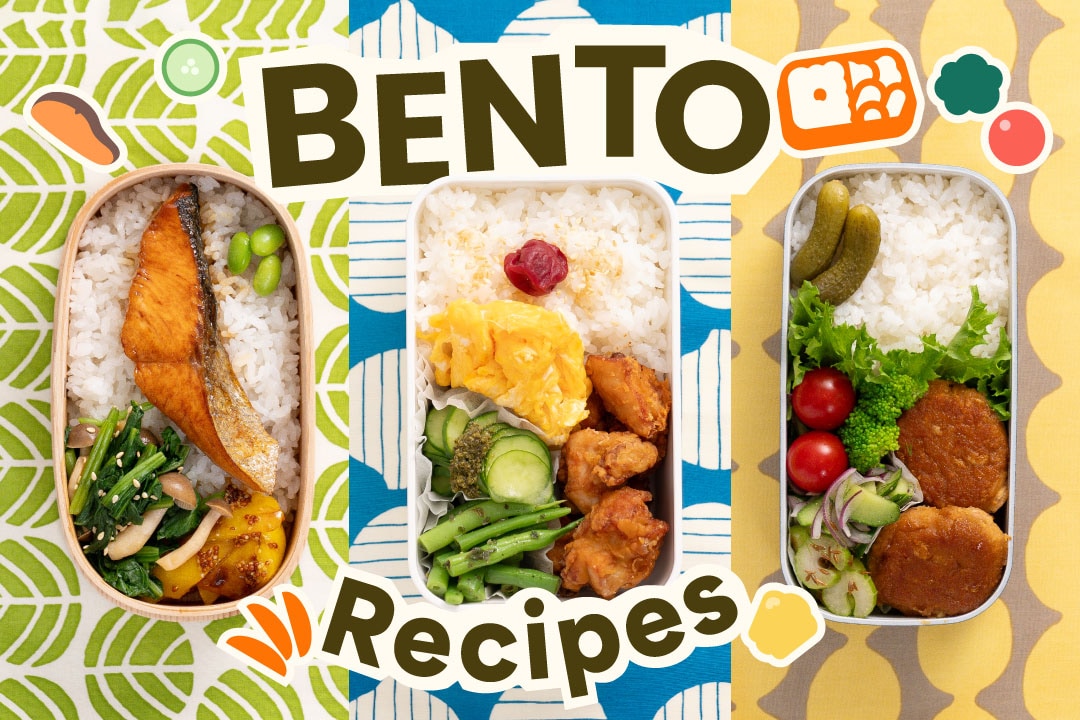
Nutritious, colorful, and exciting to open—bento is something you can truly enjoy. Let’s get started!
“Bento” refers to Japan’s traditional lunch box. It typically includes rice, a protein, and vegetables, all neatly arranged in one container. Bentos are known for their beautiful presentation and well-balanced nutrition. They are widely enjoyed as lunches brought to school or work and are a deeply rooted part of everyday life in Japan. In recent years, bento has gained popularity around the world as a symbol of Japanese culture.
The good news is that making a bento is not as difficult as it may seem—once you learn a few simple tips! In this article, we’ll introduce easy recipes, packing ideas, and helpful tricks so anyone can enjoy making their own bento.
The Kikkoman bento recipes featured here have the following qualities:
* Ingredients that are easy to find anywhere in the world
* Recipes that consider dietary diversity
* Added depth and flavor using Kikkoman Soy Sauce in some of the dishes
Table of Contents
The Structure of a Bento
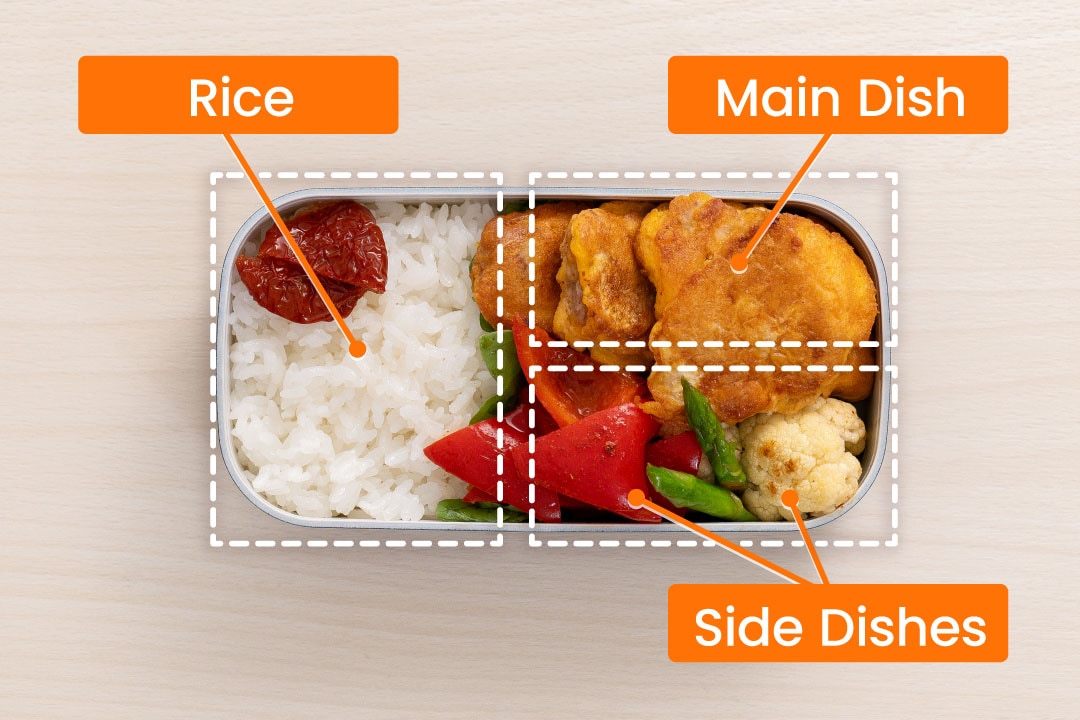
The Basic Components: Rice, a Main Dish, and Side Dishes
Rice
This is the main part of the bento and the primary source of energy. In Japan, plain white rice is the most common choice, though rice balls (onigiri) are also popular. Adding furikake (Japanese rice seasoning) or sesame seeds on top of white rice not only enhances the flavor but also makes the bento more colorful and appealing.
Main Dish
This is a protein-rich item such as meat, fish, or tofu products. Aim for about 80–100g and choose one main dish. Popular options are karaage (Japanese fried chicken), grilled salmon, or hamburger steak. Some people simply set aside leftovers from the night before and use it as the next day’s main dish.
Side Dishes (two or three of your choice)
These are small dishes that help balance flavor, nutrition, and color. Including a few different items in small portions makes the bento visually fun and keeps it interesting to eat.
For the best balance, choose:
* one hearty side such as an egg dish or simmered vegetables
* one colorful vegetable dish.
Depending on the size of your bento box, you can increase it to three side dishes.
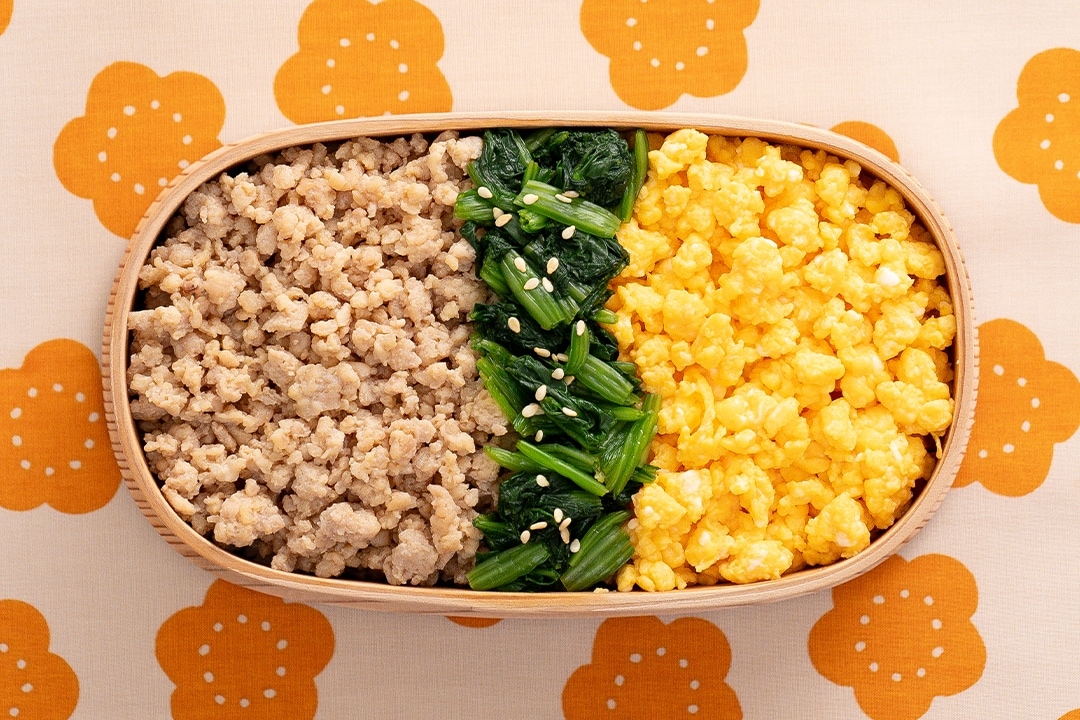
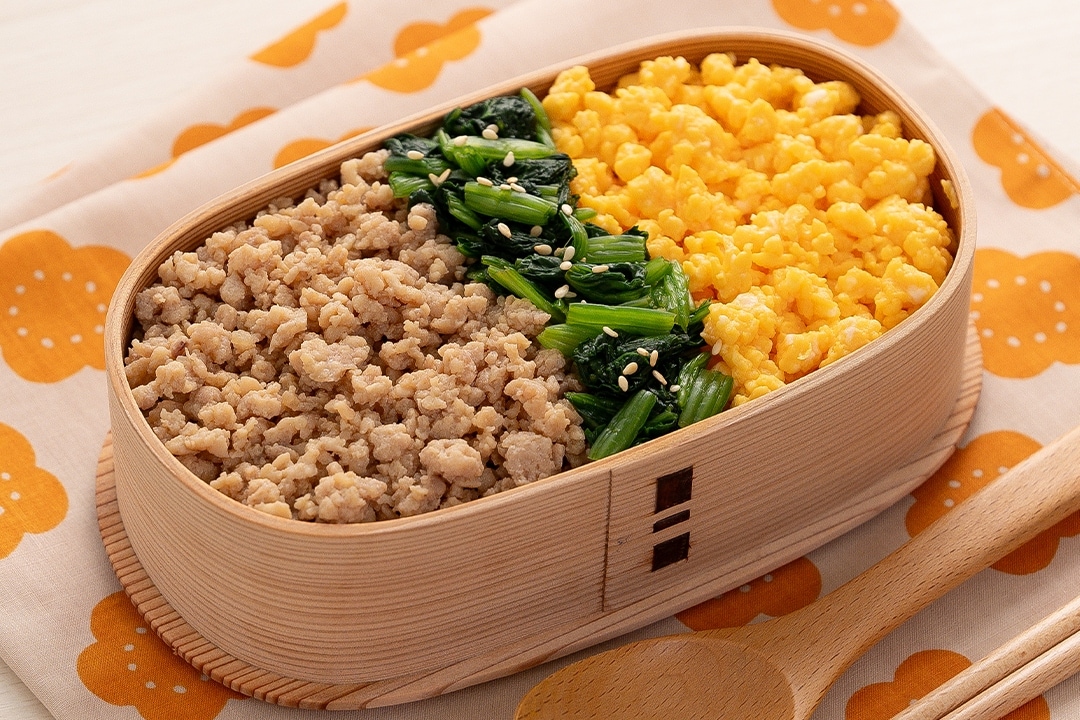 Chicken and Egg Soboro Rice Bento
While the classic bento ratio is said to be 2:1:1 for rice, main dish, and side dishes, you can adjust it to suit your own preference. Some bentos, such as Chicken and Egg Soboro Rice Bento, don’t have a clear boundary between the main and side dishes. In these cases, the focus is more on overall balance in appearance and flavor. Feel free to explore bento-making while keeping color and nutrition in mind.
Steps for Assembling a Bento
Putting the larger items first helps the bento look neat and well-arranged!
Step 1: Pack the Rice
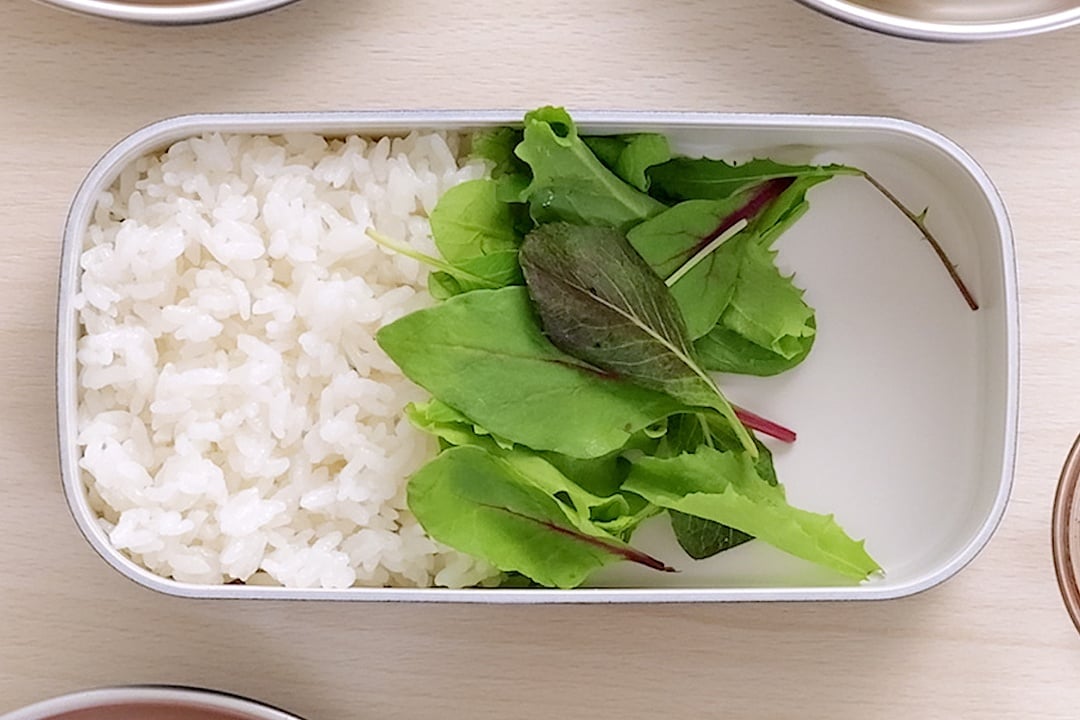
Fill about half of the bento box with freshly cooked rice and press it down firmly. If you plan to use vegetables as dividers, pat dry them thoroughly after washing and add them at this stage.
Tips:
* Instead of loosely placing the rice, pack it in firmly for a neat finish.
* Wet the tips of your chopsticks with a little water as you pack. This prevents the rice from sticking and makes it easier to handle.
Step2: Pack the Main Dish
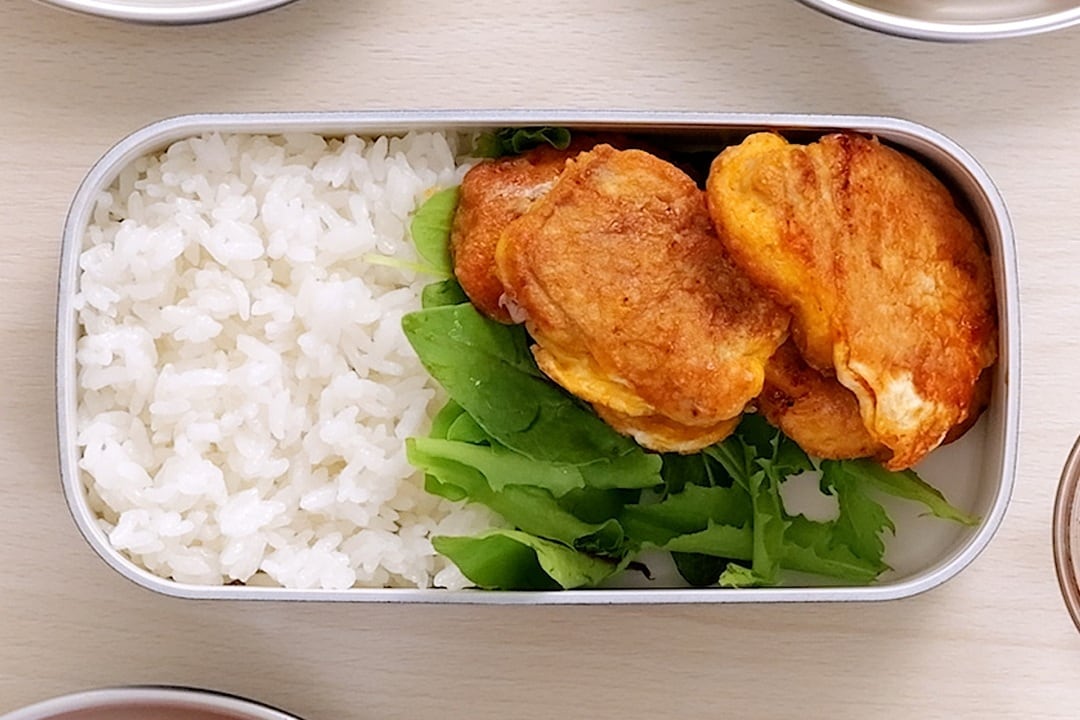
Pack the main dish into half of the remaining space.
Tips:
* It’s easier to arrange and looks nicer if you include several small pieces rather than one large piece.
* You can layer the main dish—adding height creates a more visually appealing bento.
Step 3: Pack the Side Dishes
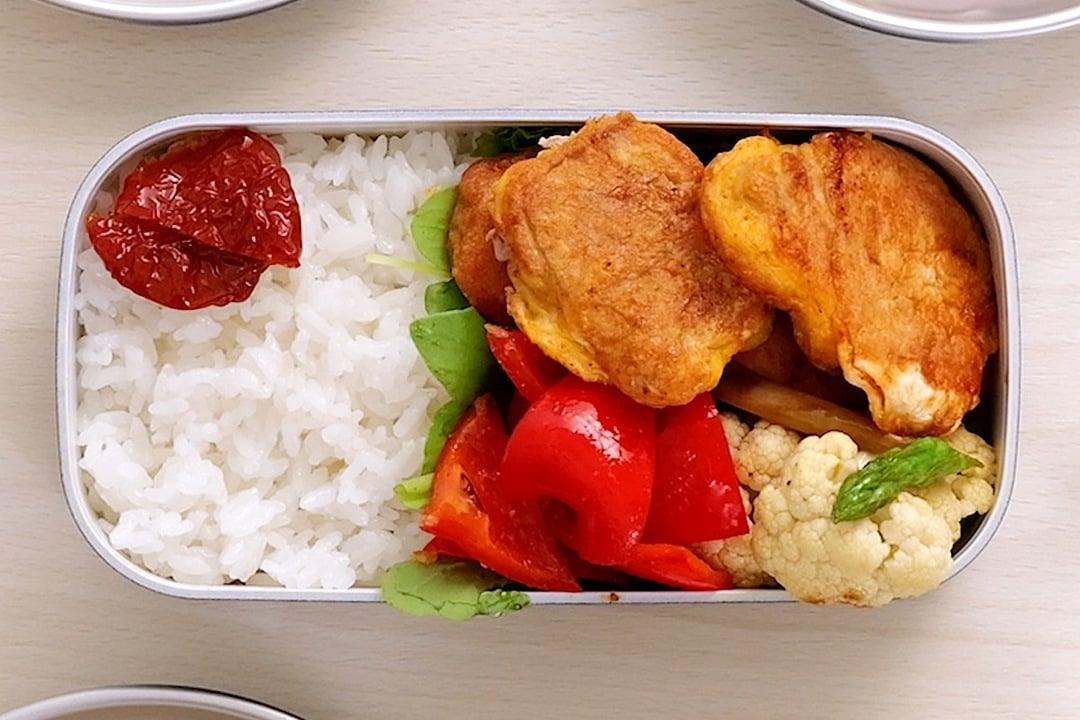
Fill the remaining space with 2–3 side dishes.
Tips:
* Adding the side dishes last makes it easier to adjust the layout and fill any small gaps.
* Pack them tightly so the items don’t move around inside the bento box.
Tips for Packing a Bento
With just a few easy tips, packing a bento can be fun, stress-free, and beautifully organized.
Use Dividers and Cups to Neatly Pack the Bento
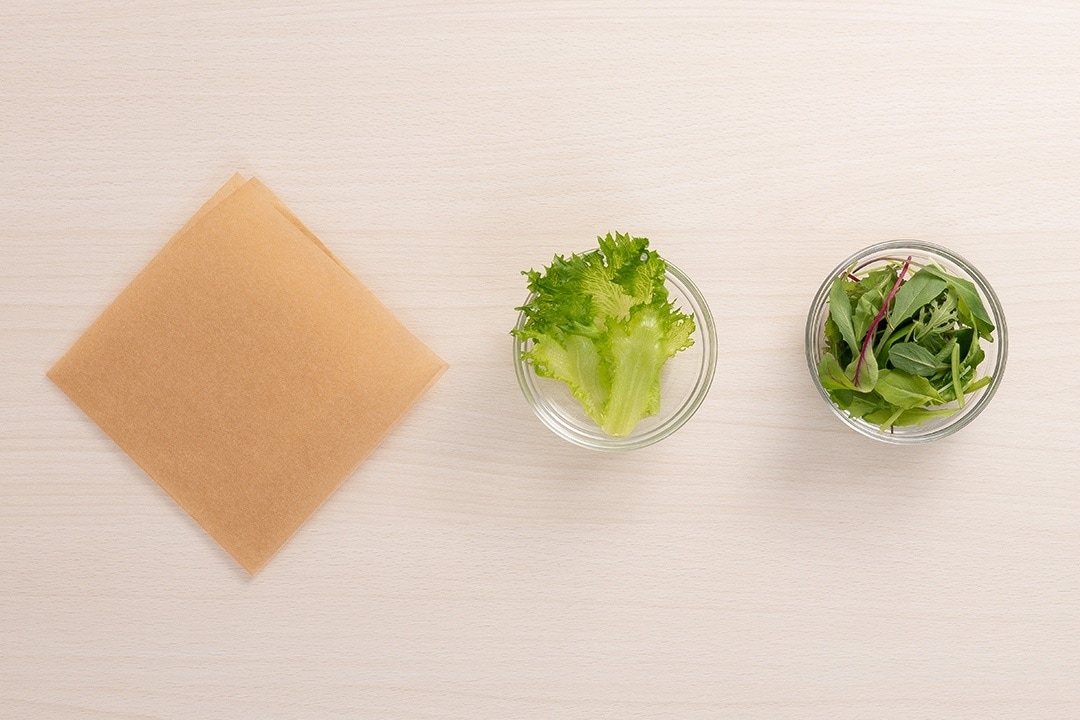
Creating a divider between the rice and side dishes helps the bento look organized and makes packing easier. You can also use edible ingredients as dividers. If you use leafy vegetables, be sure to wash them well and pat dry any excess moisture.
Examples of dividers:
Edible items: frilly lettuce, baby greens
Non-edible items: parchment paper
-
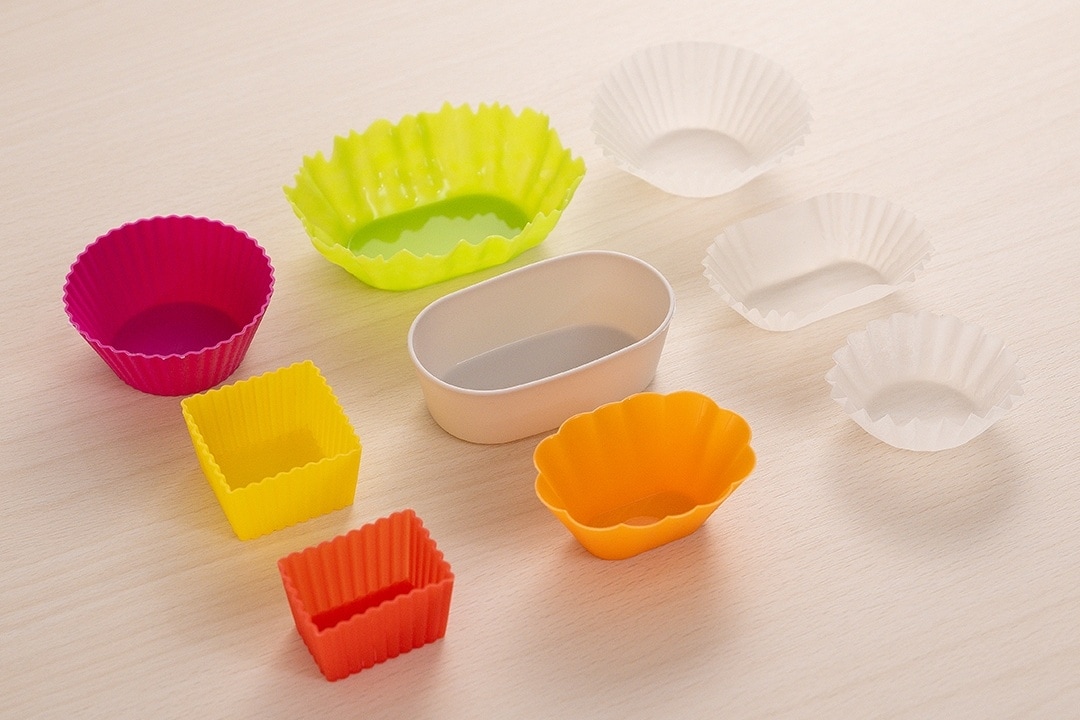
For dishes with liquid or sauce, using silicone cups or paper cups helps keep flavors from mixing and makes the bento easier to carry. Choose cup sizes that match the size of your bento box and the amount of food you’re packing. If you don’t have silicone cups, you can make a substitute by folding parchment paper into cups.
Add Color and Flavor to Your Rice
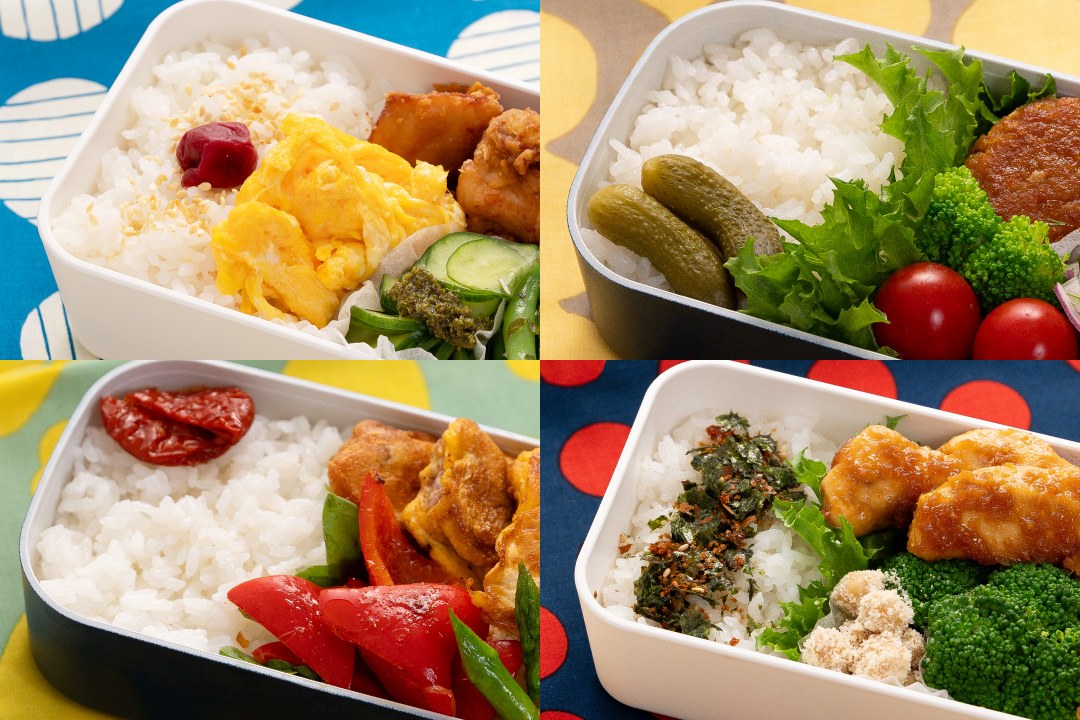
Plain white rice can sometimes look a bit simple on its own. Adding toppings brings more color and flavor, making the bento even more enjoyable.
Examples of toppings:
Furikake, sesame seeds, pickled Japanese apricots (umeboshi), pickles, dried tomatoes, etc.
- Related Information:
- Furikake Rice Seasoning
- Fried Onion and Cheese Furikake Recipe
Fill the Gaps in Your Bento
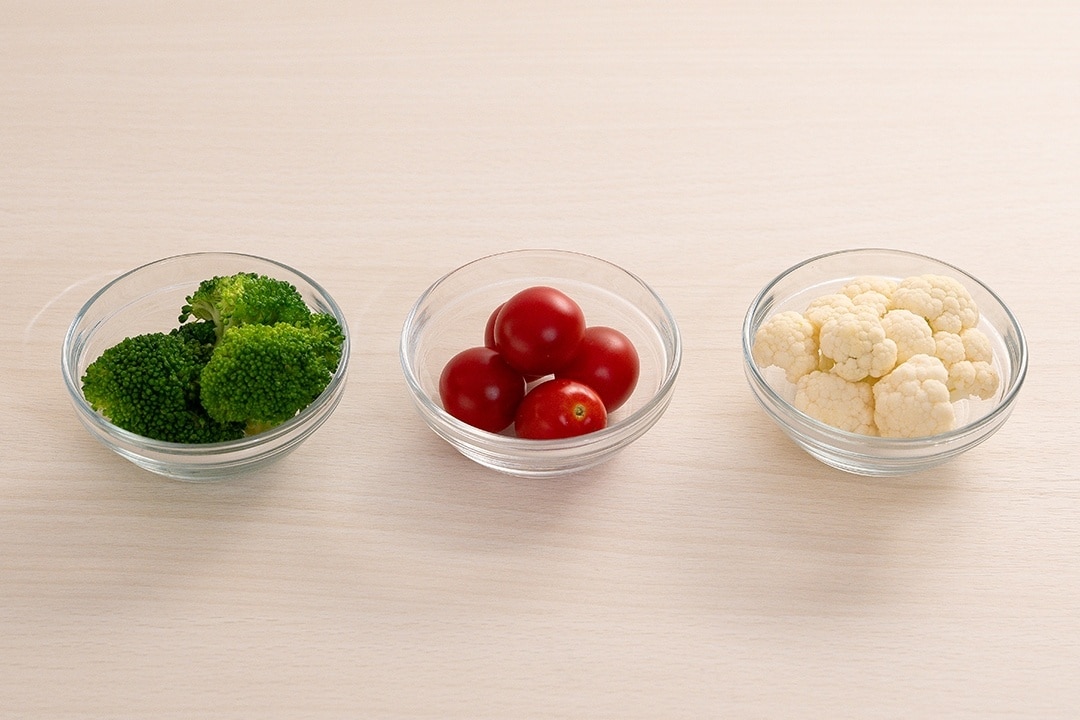
To keep the bento contents from moving around during transport, it’s important to pack the bento tightly without gaps. If you notice any open spaces after adding the side dishes, fill them with small ingredients.
Useful filling items:
Cherry tomatoes, blanched broccoli or cauliflower, etc.
* For cherry tomatoes, remove the stem and put them in whole without cutting. The stem top and cut surfaces can encourage bacterial growth.
* For boiled vegetables like broccoli or cauliflower, be sure to pat them dry thoroughly before adding them to the bento.
Side Dishes: Their Role and How to Choose Them
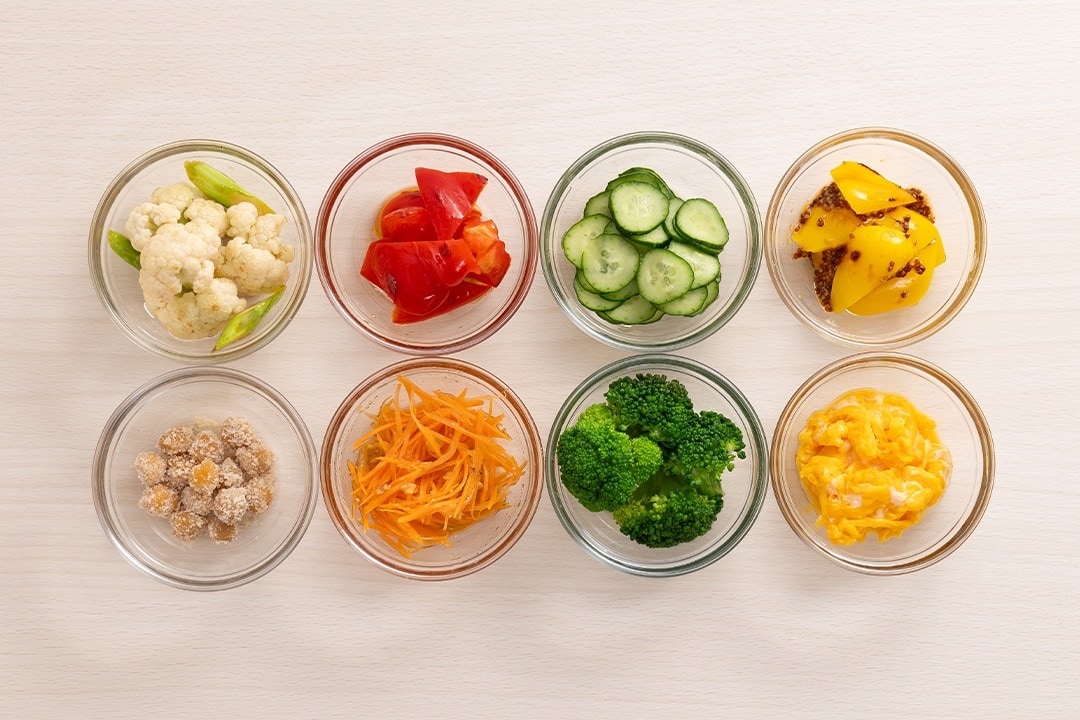
Side dishes play an important role in adding color and nutritional balance that the main dish and rice cannot provide. They also make the bento look more vibrant when you include a variety of colorful items. Side dishes don’t just enhance the appearance—they add flavor variation and interesting textures, making the bento more enjoyable to eat.
When choosing side dishes, try to think about color variety. Combining ingredients in red, yellow, green, and other colors creates a bento that is both visually appealing and nutritionally balanced. In this section, we introduce recommended side dish recipes by color. Let color be your guide as you pick and enjoy creating your side dishes!
-
Recommended Side Dish Recipes by Color:
- Red
- Green
- Yellow
- White / Brown
Bento Recipe Variations
Now that you’ve mastered the basics, it’s time to start making your own bento!
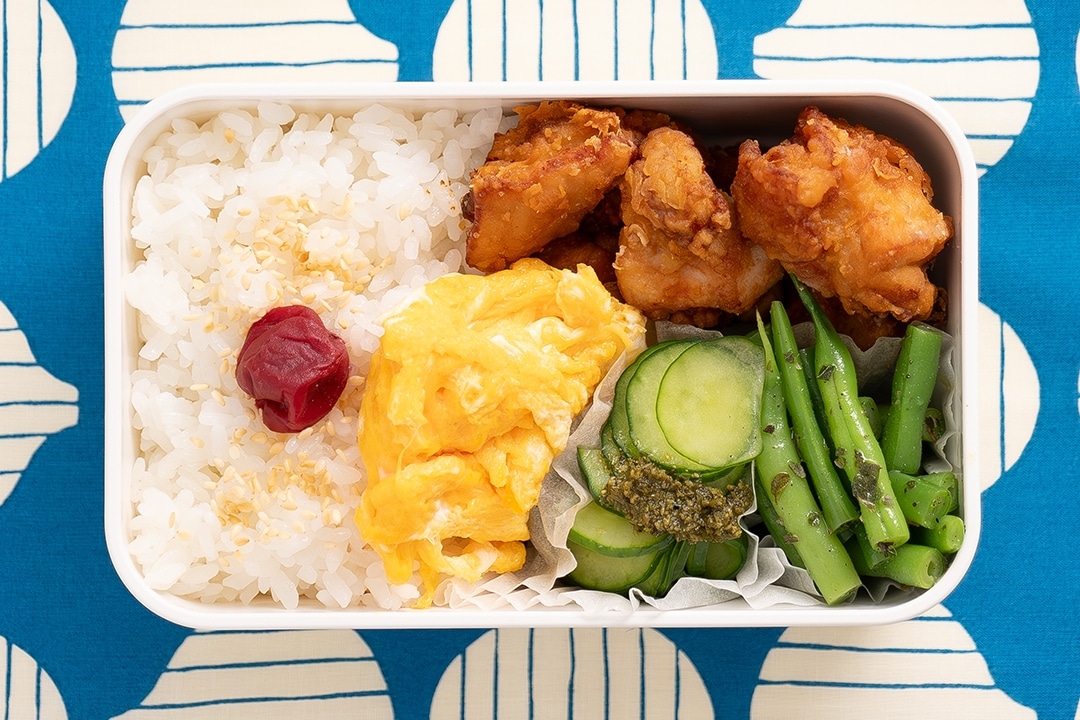
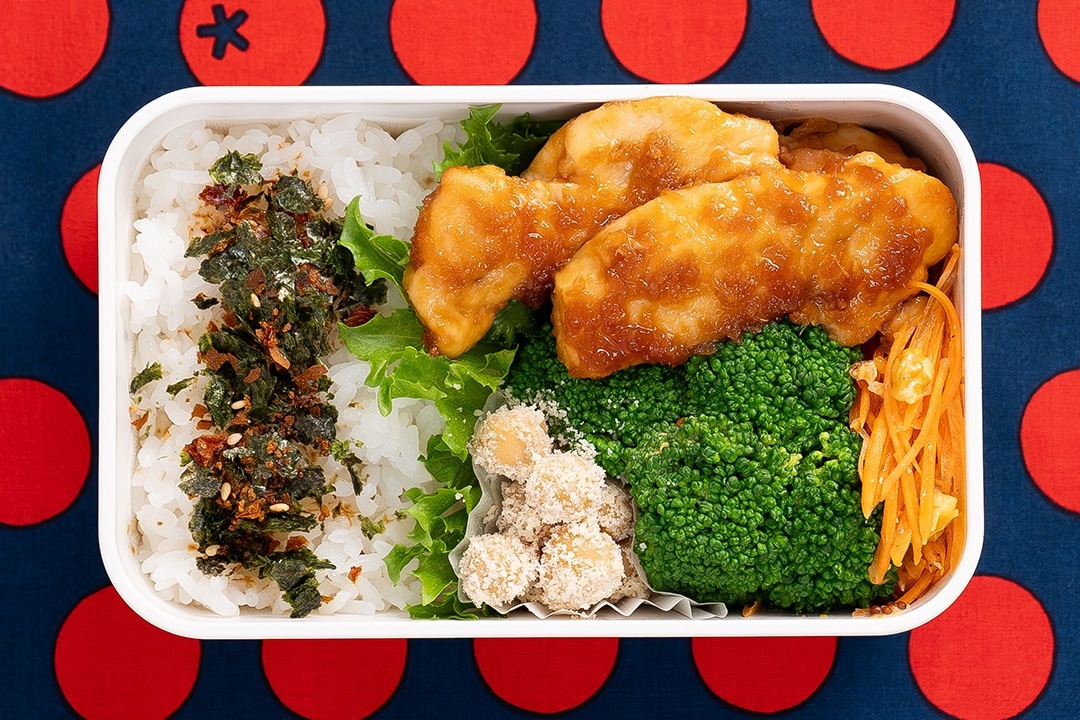
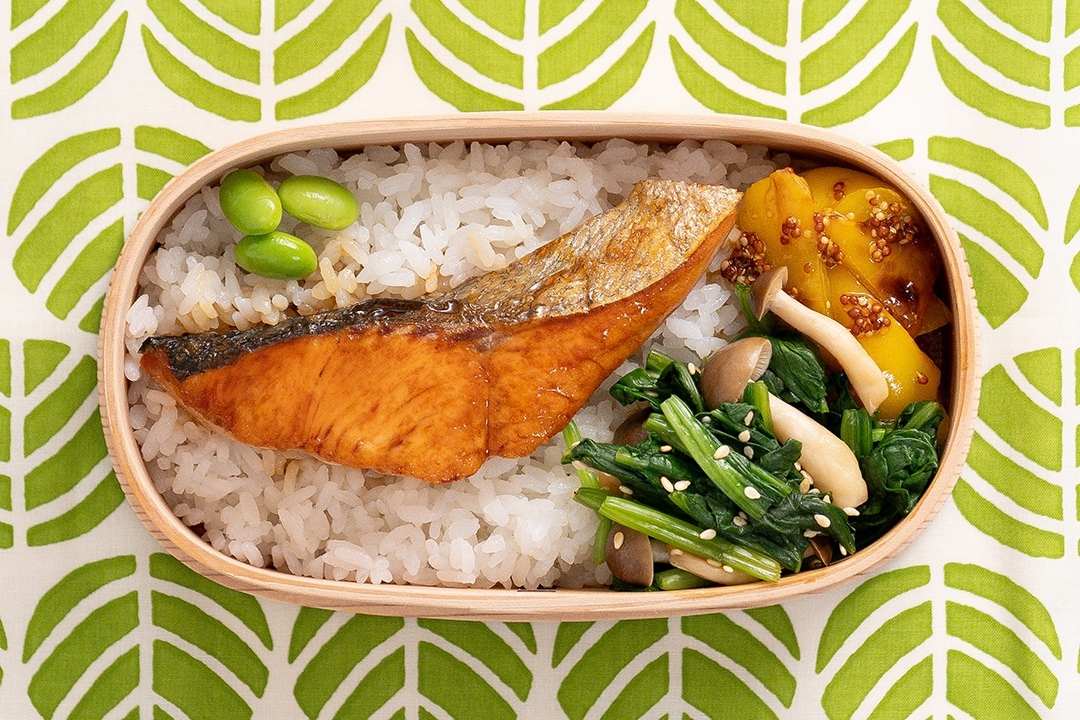
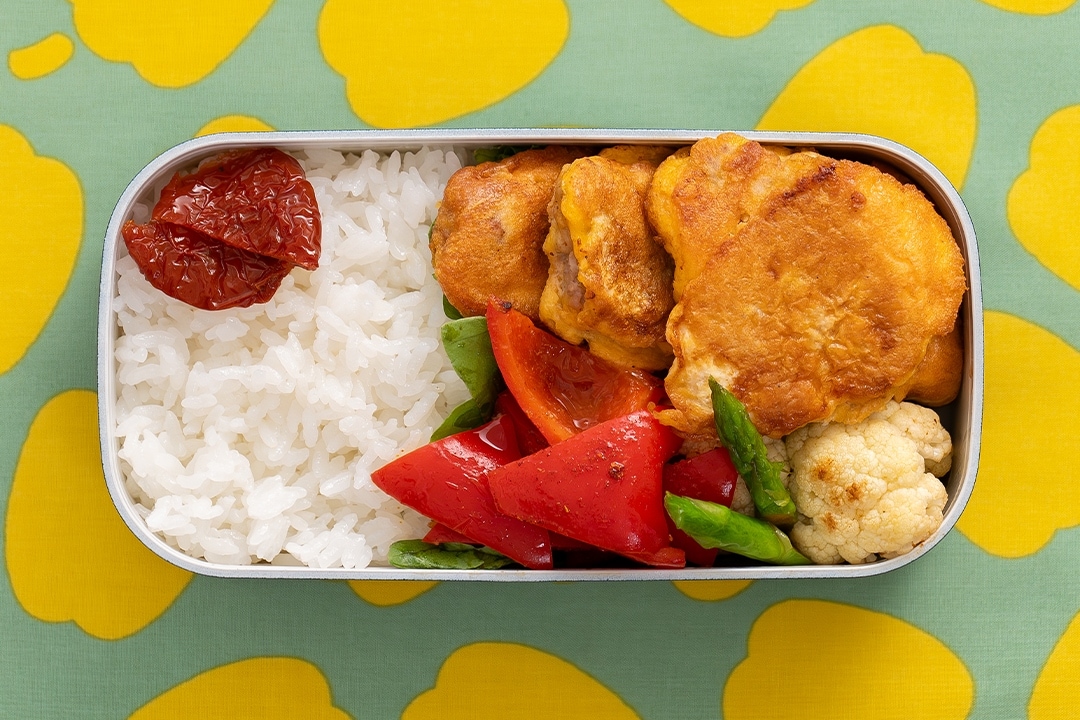
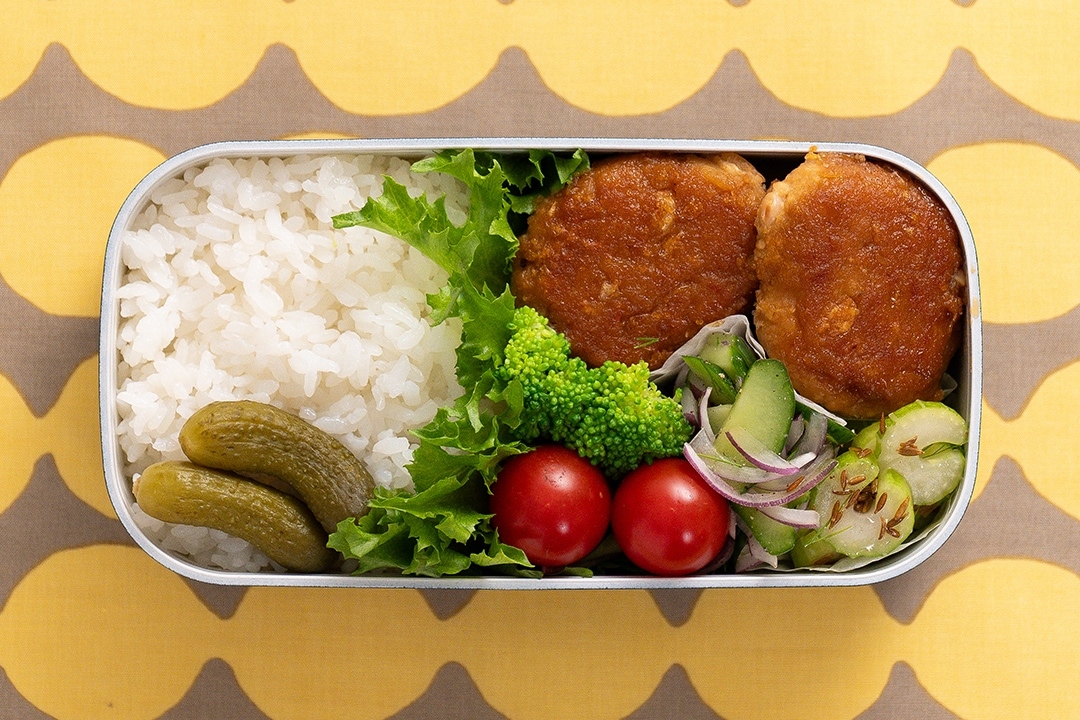
How to Choose a Bento Box
Sizes
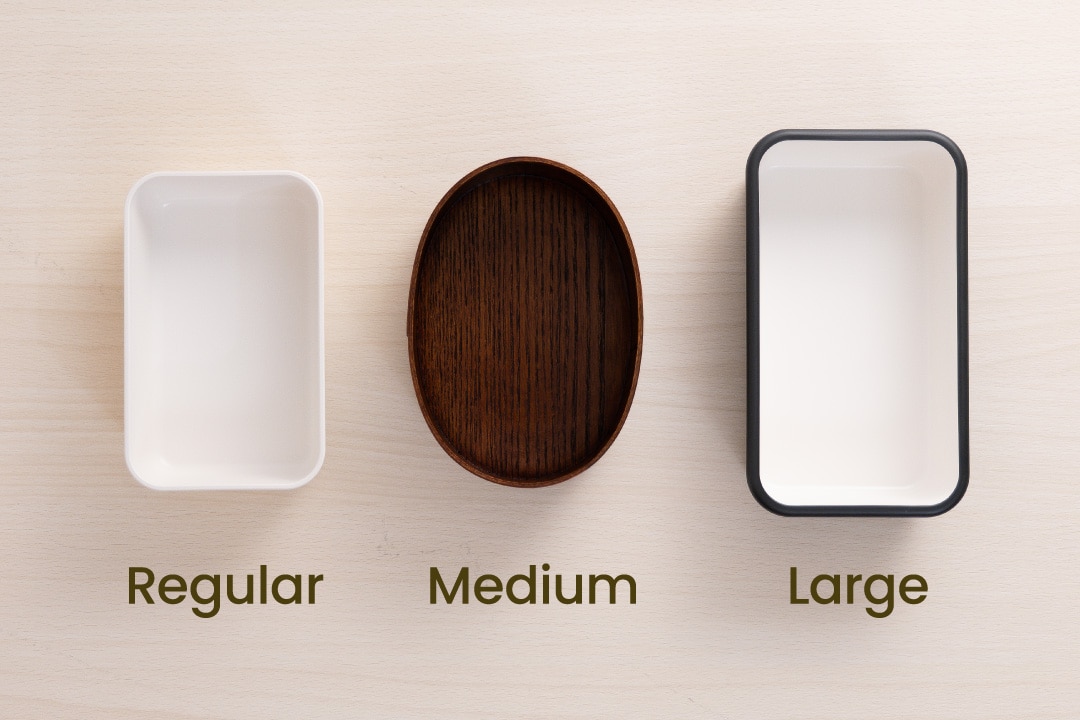
Choose the size of your bento box based on how much you typically eat. Use the guide below as a reference:
| Size | Approx. Amount of Rice | Recommended Bento Capacity |
| Regular | 150g / 5.3 oz. | 500ml / 16.9 fl oz. |
| Medium | 180g / 6.3 oz. | 600ml / 20.3 fl oz. |
| Large | 240g / 8.5 oz. | 800ml / 27.1 fl oz. |
* When you consider the overall balance of your bento, including the amount of side dishes, everything should fit perfectly.
Variety of Bento Box Materials
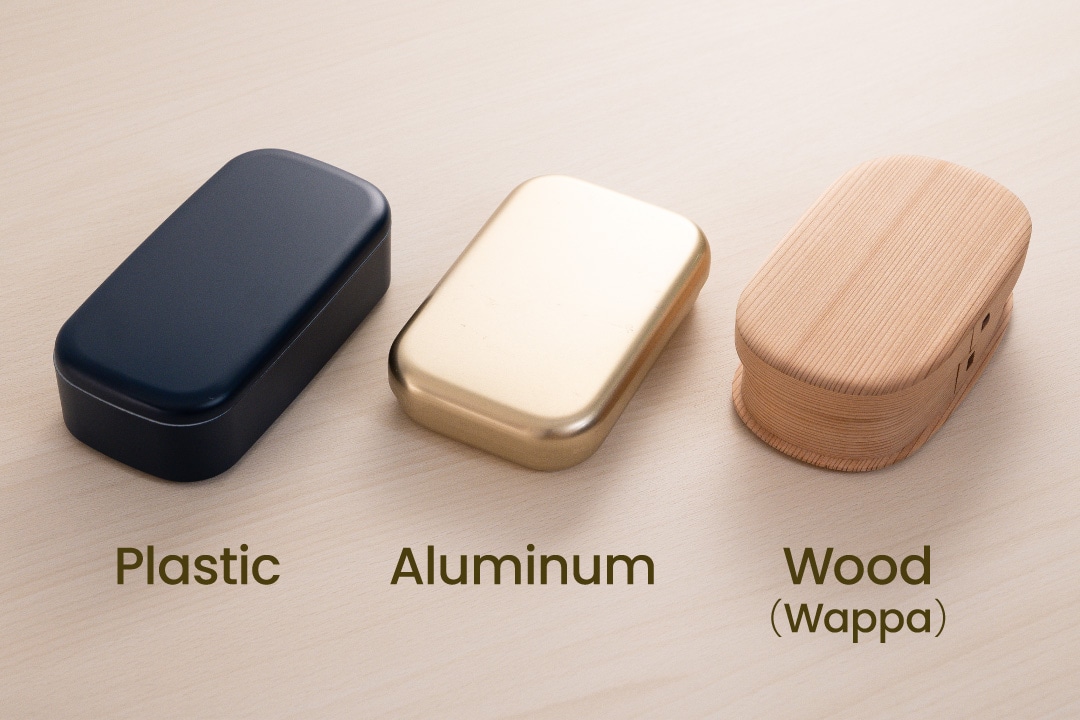
As long as the lid closes securely, any material can be used for a bento box. If you don’t have a bento box, a food storage container works as a substitute. In Japan, bento boxes come in many different materials. Try picking one up if you get the chance.
| Material | Characteristics |
| Plastic | Available in many colors and sizes; easy to wash. |
| Aluminum | Lightweight yet durable, with high heat conductivity (heats and cools quickly). |
| Wood (Wappa) | Absorbs excess moisture and helps keep food tasting fresh. Requires proper care, such as drying thoroughly before storing. |
Tips for Preparing a Bento Efficiently
Use a Small Fry Pan
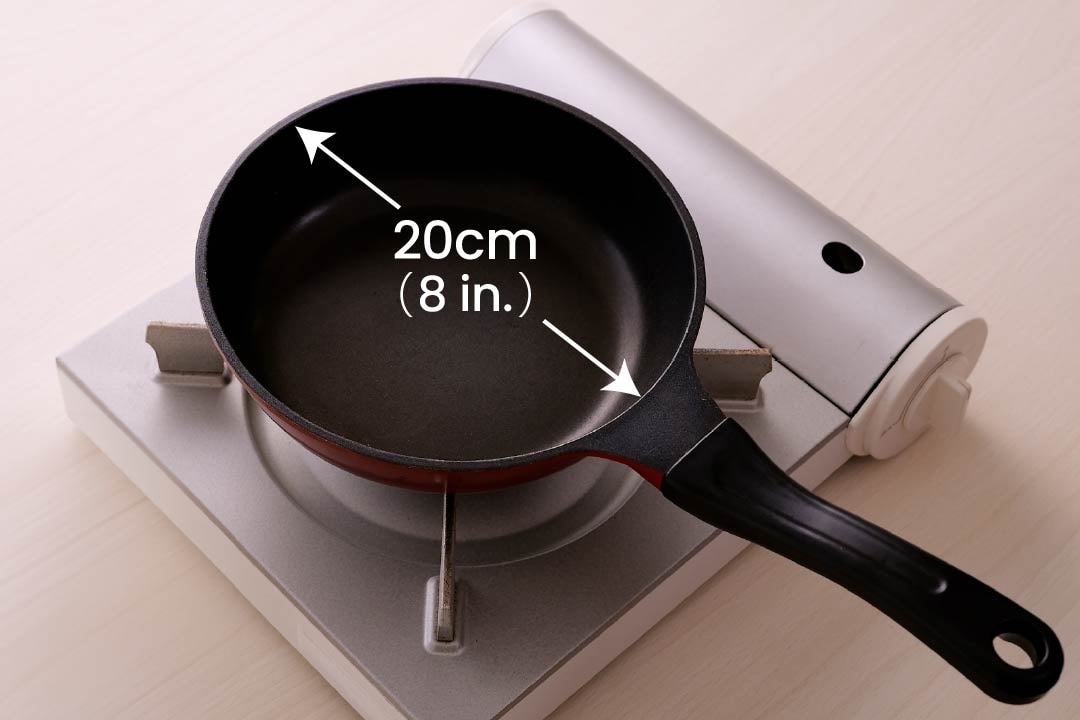
A small fry pan about 20 cm (8 in.) in diameter, is perfect for making bento side dishes. It’s easy to handle small amounts of ingredients, and because it heats quickly, you can cook everything in a short time.
Cook the Various Dishes Simultaneously
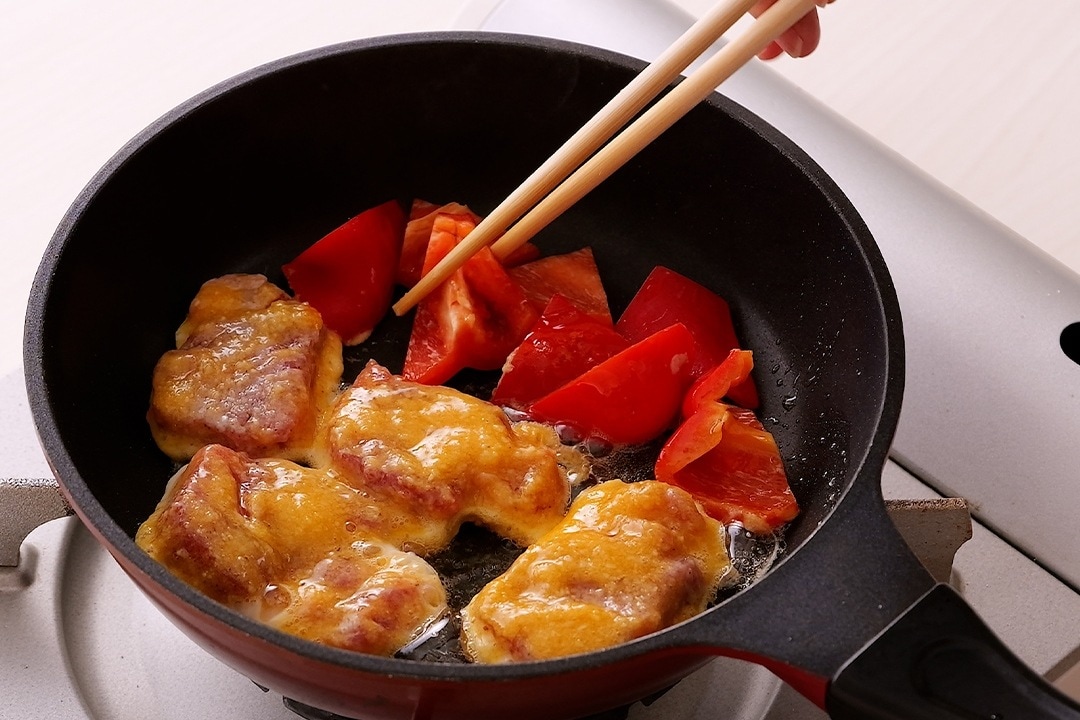
Instead of cooking each dish one by one, finishing multiple tasks at the same time can greatly reduce your cooking time. For example, you can cook vegetables for the side dishes while also cooking meat or fish for the main dish—planning the steps this way makes a big difference.
Kikkoman’s bento recipes include detailed instructions on how to cook efficiently. Feel free to use them as a reference!
Utilize Dinner Leftovers
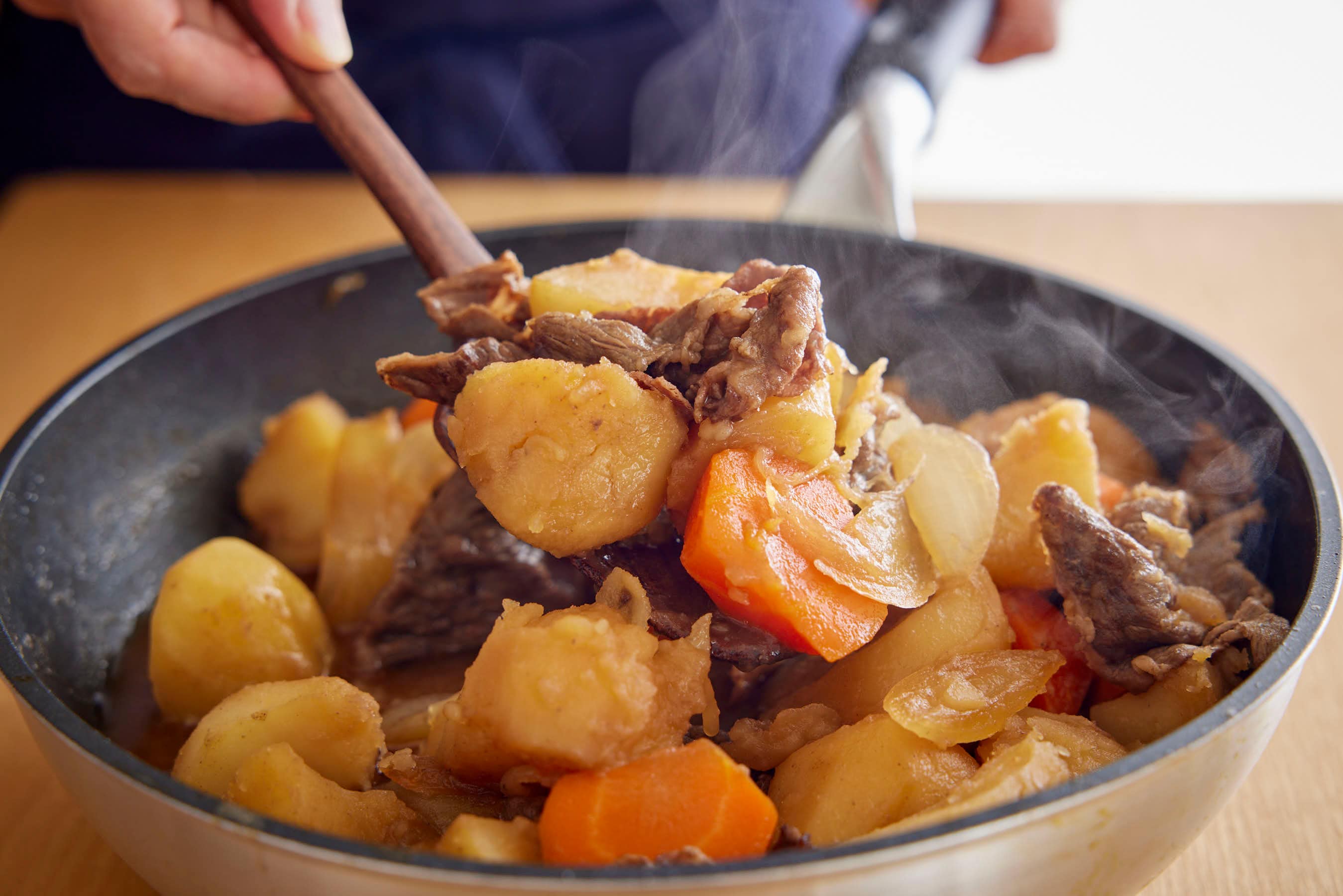
It can be surprisingly difficult to prepare just the right amount of food for a bento. In many Japanese households, it’s common to cook a little extra at dinnertime and use the leftovers for the bento. Reheating the leftovers in the microwave and packing them is a classic time-saving technique. For food safety, always reheat leftovers thoroughly, let them cool, and then pack them into the bento box.
Bento Food Safety
Keep Your Hands and Bento Box Clean
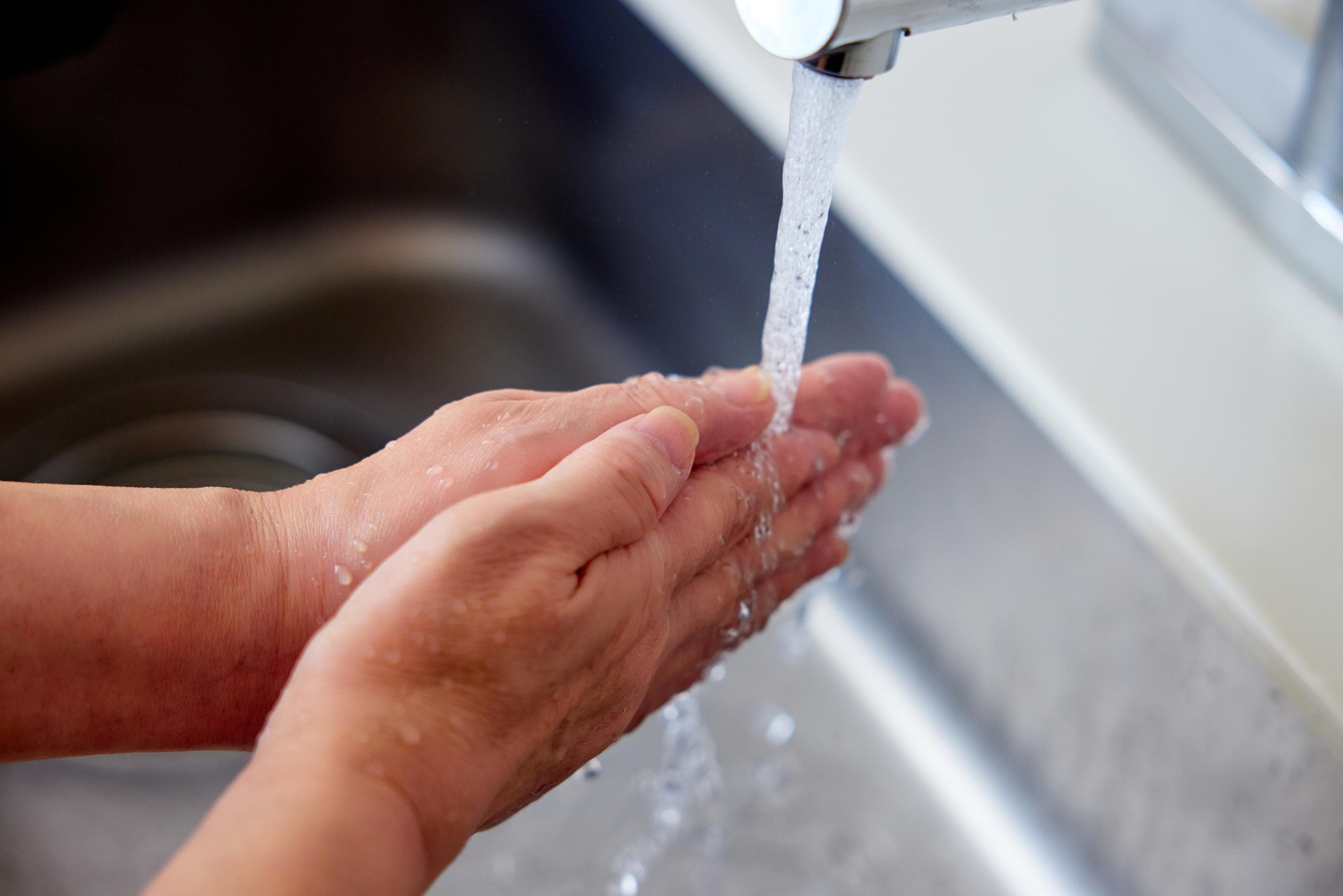
Wash your bento box thoroughly and make sure it is completely dry before using it. Be sure to wash your hands well before cooking. During cooking, wash your hands frequently, especially after handling raw meat, fish, or eggs.
Cook Thoroughly
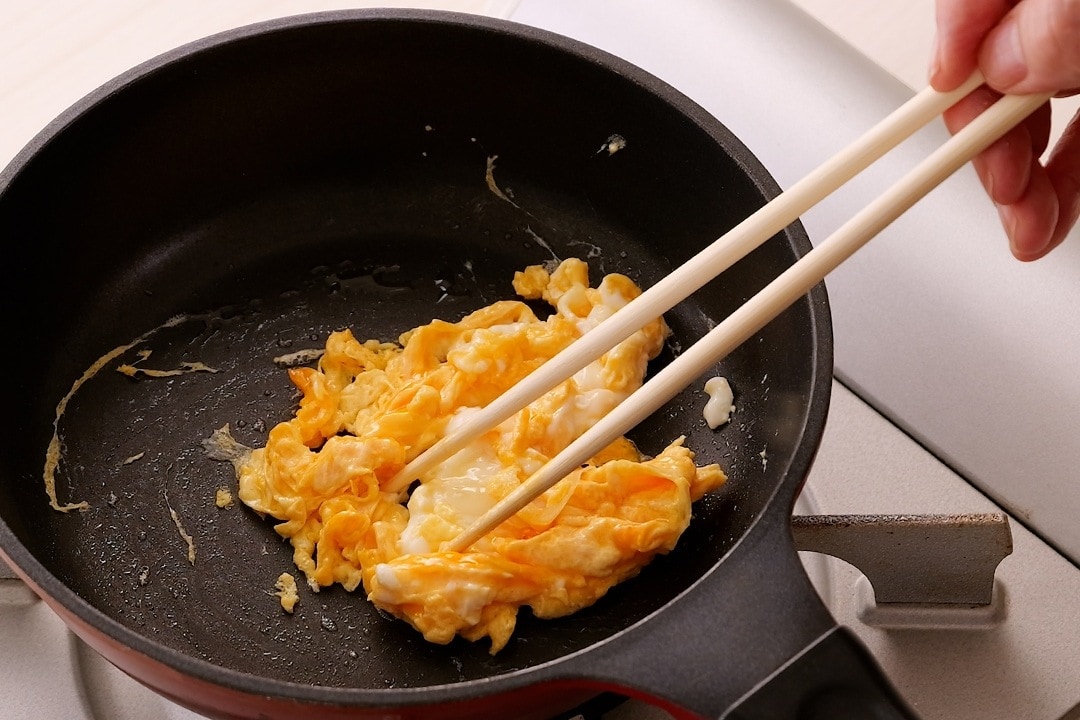
As bentos are often carried around at room temperature, bacteria can grow easily. For this reason, it’s important to cook all dishes thoroughly all the way to the center. If you are using dishes made the day before, always reheat them before packing. Even items that can normally be eaten without heating, such as ham, are safer when warmed through.
Pack Once Cooled
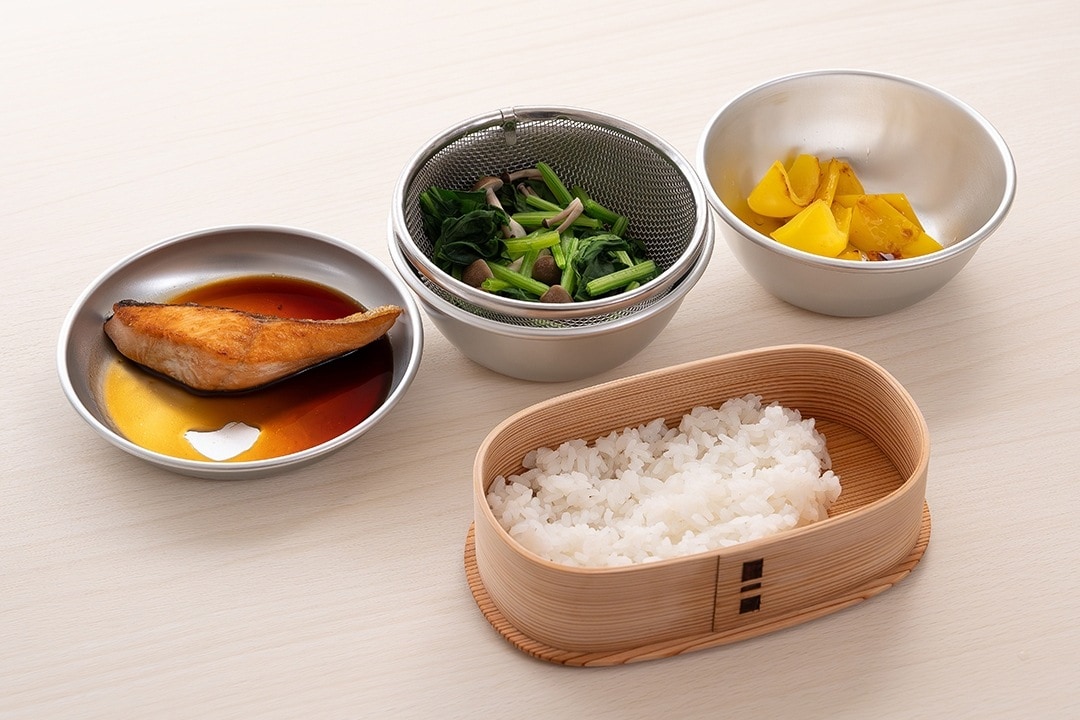
If you pack food while it’s still hot, steam will collect on the lid and cause moisture to build up. Since moisture can lead to bacterial growth, make sure to let side dishes cool completely before packing. You could also use a fan to cool down. Rice, on the other hand, can be placed into the bento box while still warm, but be sure to let it cool before closing the lid.
Keep Uncooked Vegetables from Spoiling
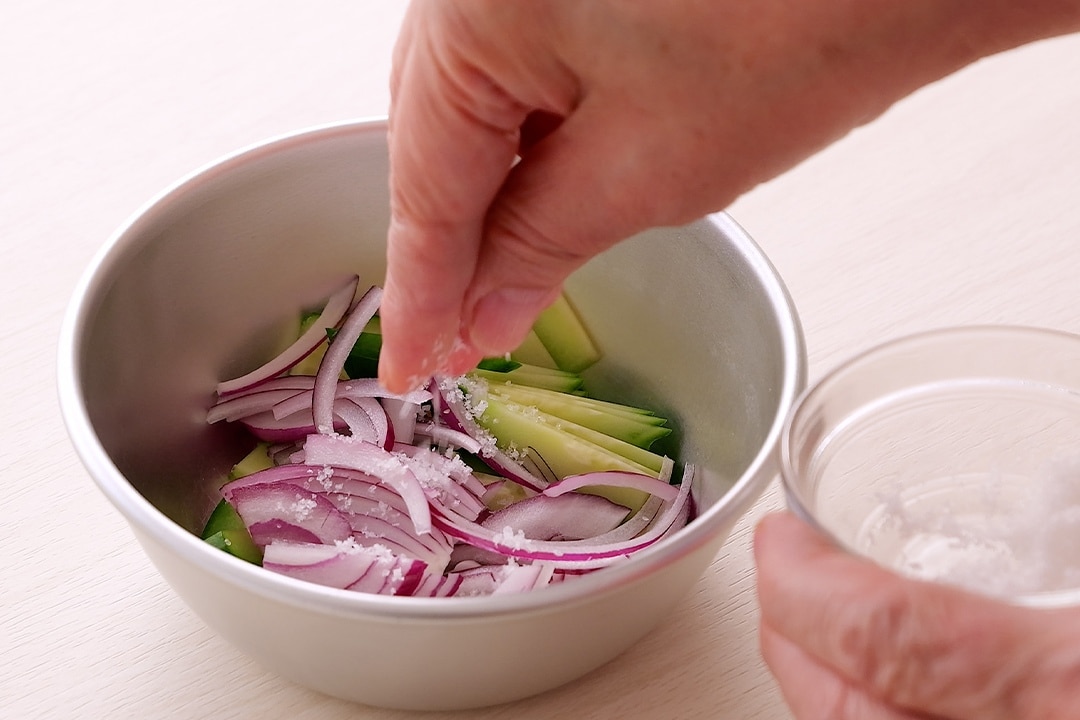
For raw vegetables, try to prevent moisture from seeping out. For example, lightly salting them or turning them into pickles helps keep them safe to eat.
Small vegetables like cherry tomatoes are more hygienic when you remove the stem and place them in whole, without cutting.
* The stem area and cut surfaces can easily harbor bacteria, so handle them with care.
Pat Dry Excess Moisture
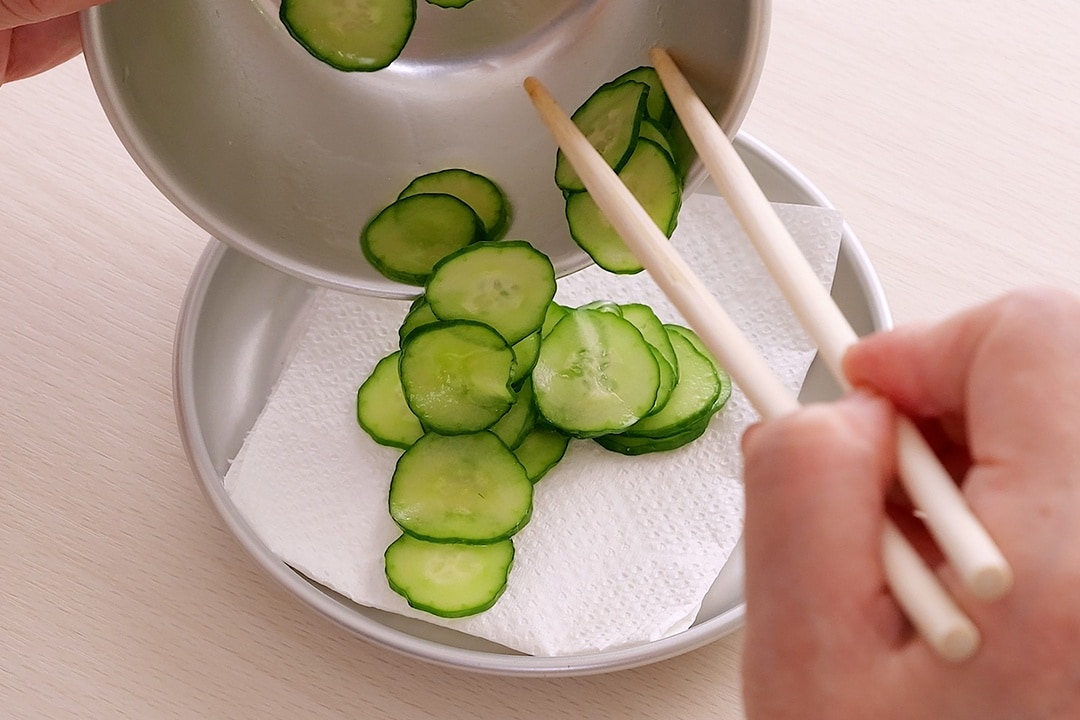
Moisture can cause food to spoil, so it’s important to reduce it as much as possible. For dishes with liquid or sauce, blot the excess with a paper towel or drain it well. For vegetables used as dividers, make sure to pat dry them thoroughly after washing.
Step Up Your Game with Deco Bento Ideas
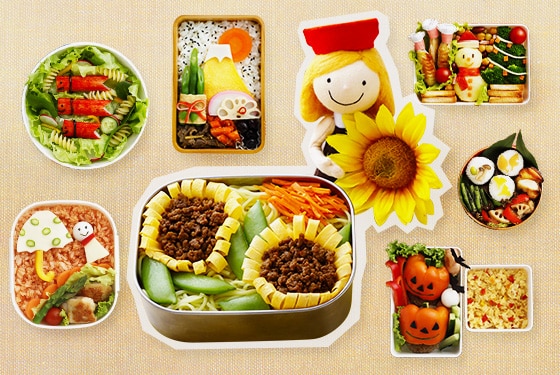
A deco bento is a bento that’s decorated in a cute and fun way. In Japan, people often make deco bentos for special occasions such as sports days, school trips, or birthdays.
We also recommend the page below, where Kikona, Kikkoman's official brand mascot, introduces seasonal deco bento ideas. These recipes focus not only on appearance but also on color balance and nutrition, so please give them a try!
- Related Information:
- Creating the Twelve Months of Japan with “Deco Ben”!
About the Recipe Author
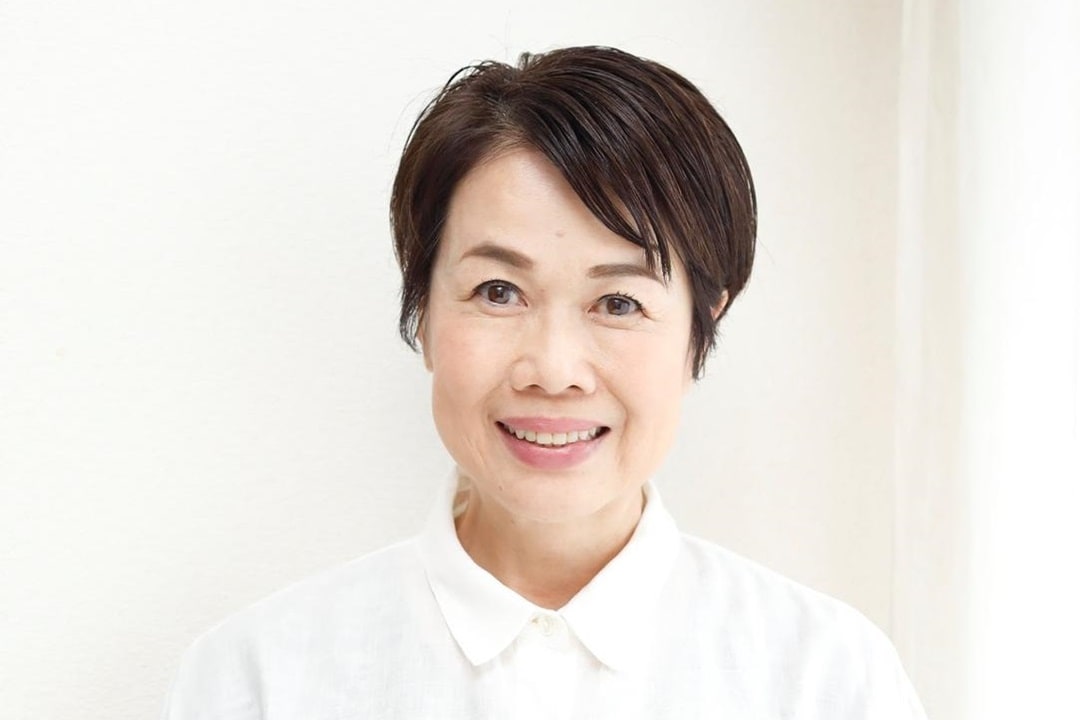
Yuko Ihara
Having lived in England and the U.S., Yuko Ihara is well-versed in a wide range of culinary genres. As a culinary researcher, she creates dishes for magazines and books, develops corporate menus, and also engages in product development and food consulting. She introduces easy-to-follow tips on how to make delicious food at home, emphasizing the importance of seasonality and healthful eating. When travelling, she loves to search for delicious vegetables and ingredients.
Instagram: @iharayukoo