
Kaki Persimmon
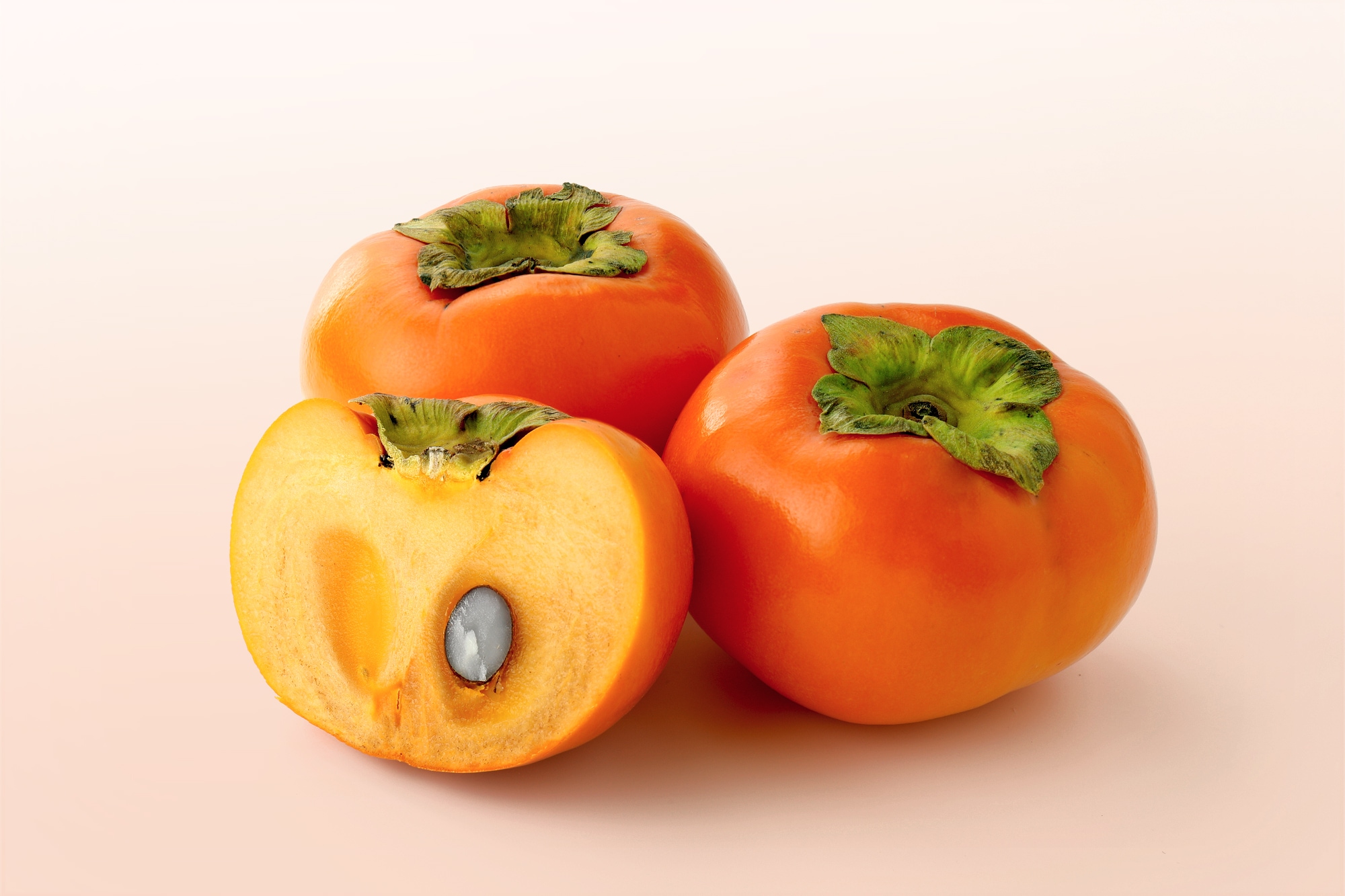
Kaki persimmons are a quint essential autumn fruit in Japan—they can be used in cooking, both fresh or dried
What is kaki persimmon?
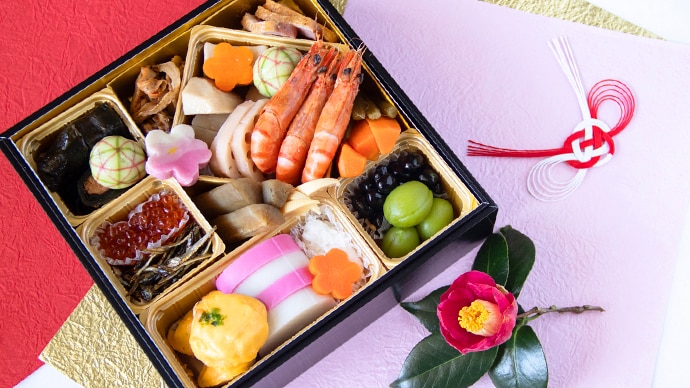
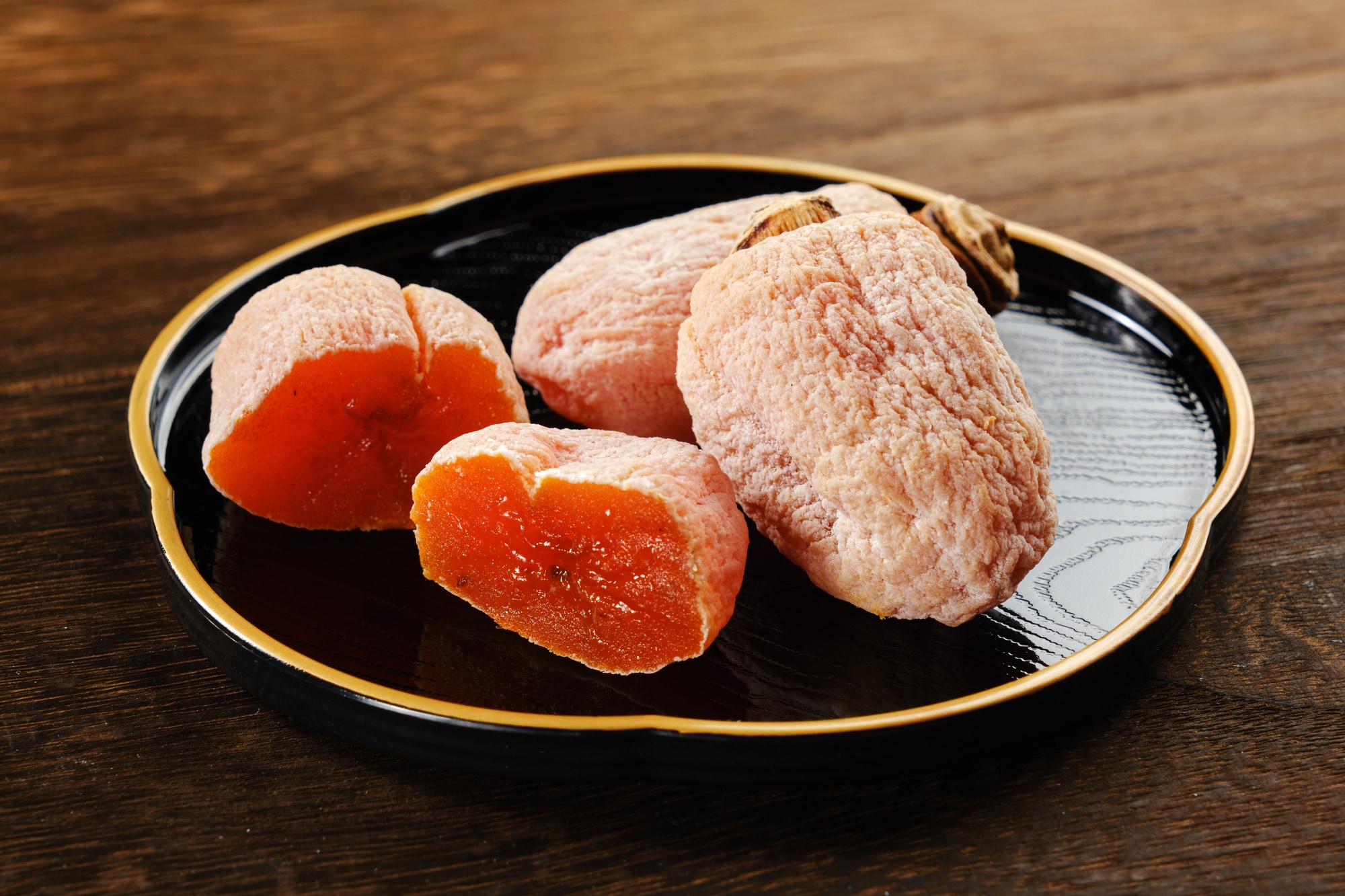
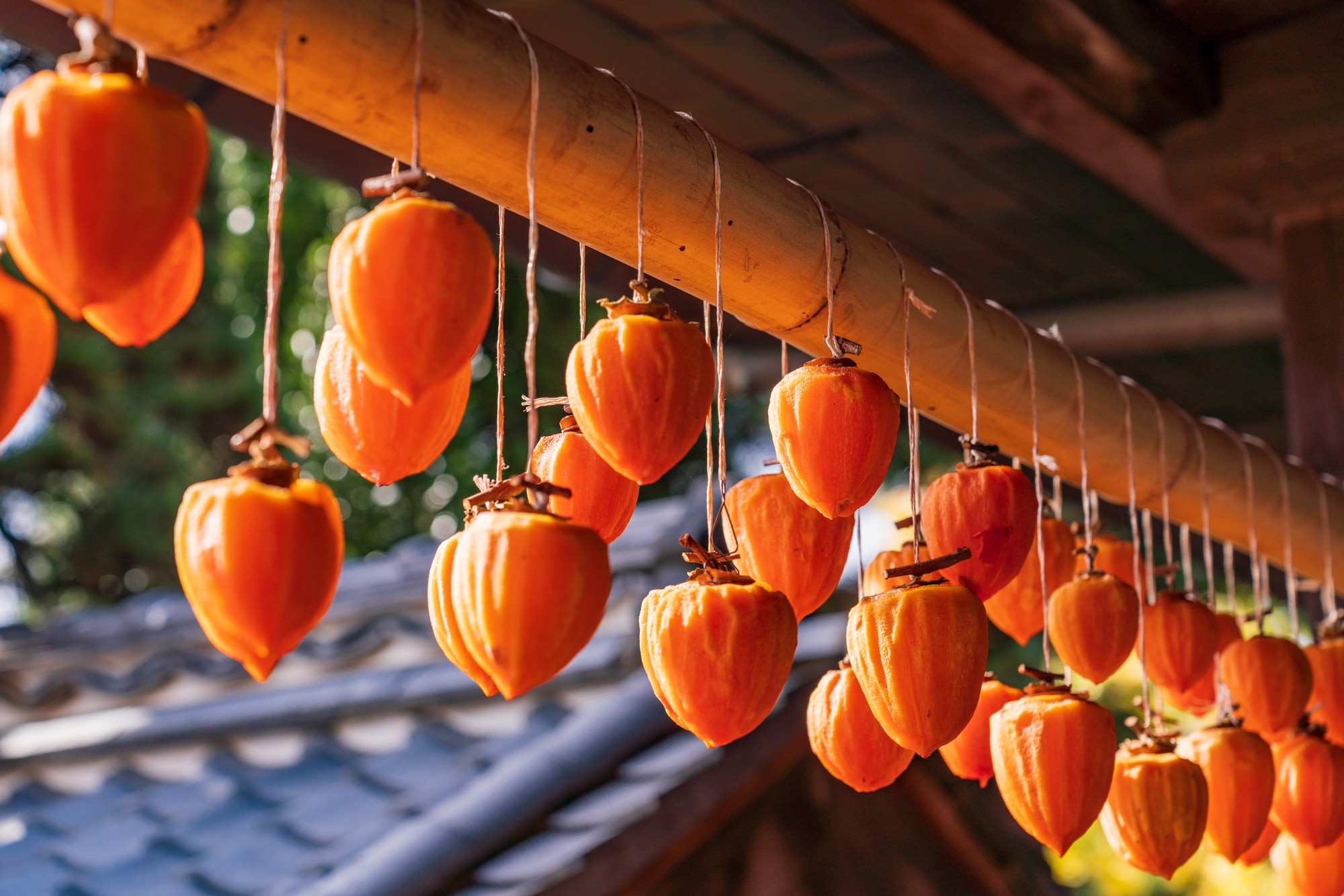
Kaki persimmons (柿 in Japanese) are said to be over 1,000 varieties in Japan, with the most popular being the Fuyu kaki, Jiro kaki, and Tone kaki. While sweet persimmons can be eaten raw, astringent persimmons are too bitter to do so. Instead, they are often processed, such as by drying to make them sweeter. Both fresh and dried persimmons are used in a wide range within Japanese cuisine, from entertaining guests and being served as auspicious items in osechi ryori (New Year's dishes), as different desserts, in namasu (pickled vegetables), as well as in dried persimmon tempura.
Nutrition facts
Kaki persimmons are rich in vitamin C, which helps maintain the immune system, reduce stress, and promote beautiful skin. The carotenoids contained in kaki persimmons, primarily beta-cryptoxanthin, contribute to eye health and help prevent osteoporosis. They also contain dietary fiber and potassium, which help regulate intestinal flora, eliminate excess salt, and prevent high blood pressure.
Storage to prevent food loss
Dried persimmons can be stored at room temperature for 2-3 days, in the refrigerator for about 1 week to 1 month, and frozen for about 6 months to 1 year. In all cases, it is best to seal them, and when freezing, wrap them in freezer-safe material. Fresh persimmons can be stored at room temperature for 2-3 days and in the refrigerator for 1-2 weeks. They can be stored longer if placed stem-side down in a storage bag.
Trivia
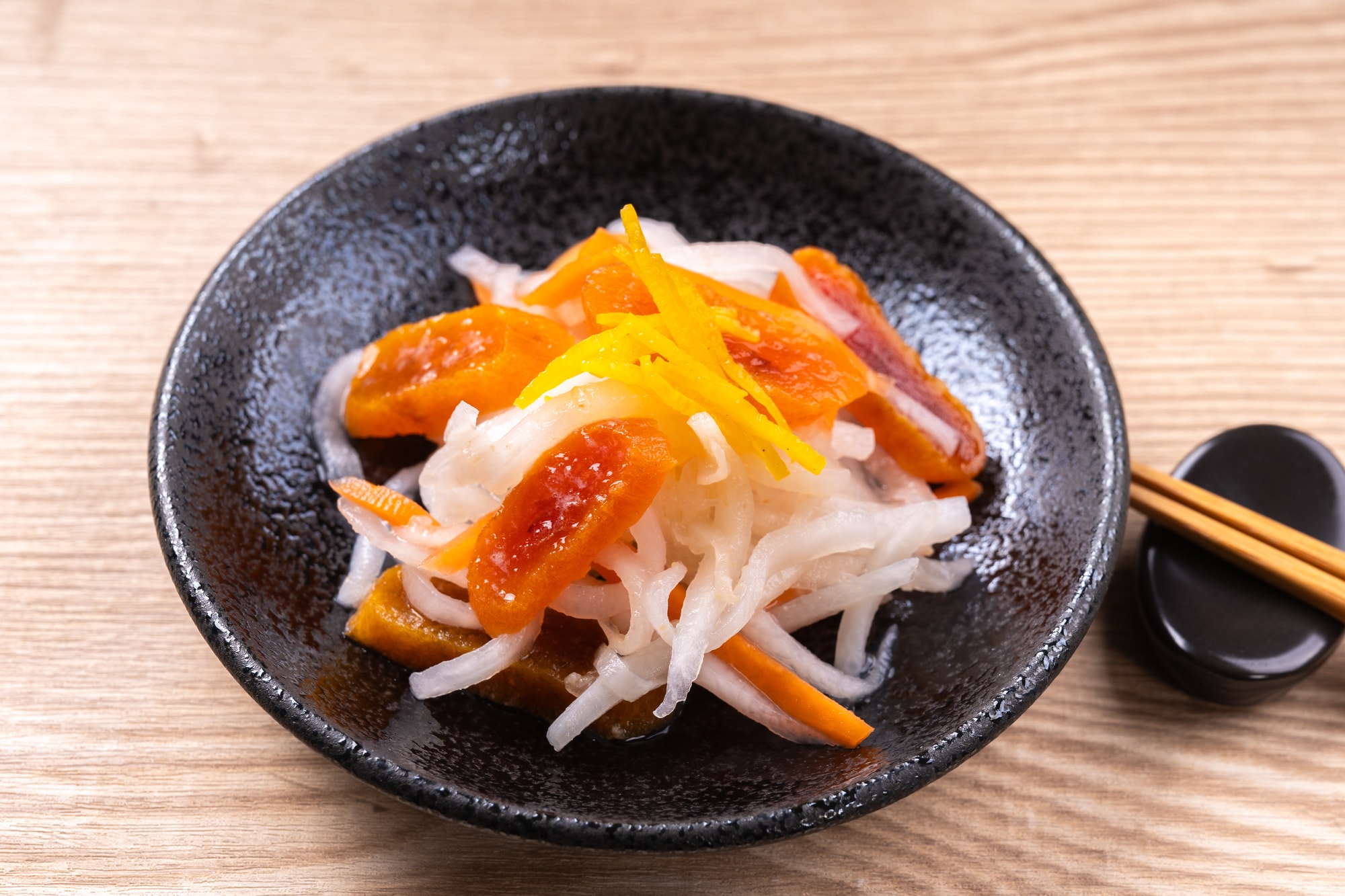
During New Year's, some regions eat "kaki namasu," a dish made by adding dried persimmons to namasu (vinegared white radish and carrot) .Although persimmons are eaten around the world, they are known in the West as "kaki" because of advanced selective breeding in Japan.

 10min
10min 122kcal
 158mg
158mg