

Japanese Clear Soup with Tofu, Mushrooms, and Mitsuba (Osuimono)
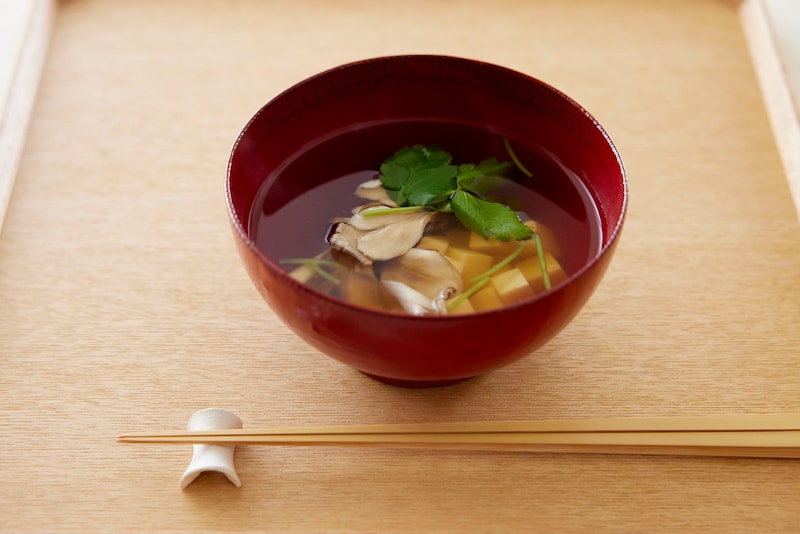
This soup highlights the flavor of kombu and katsuobushi dashi and is delicately seasoned with soy sauce and other seasonings. The smooth texture of the tofu is complemented by the aroma of mushrooms and the refreshing flavor of mitsuba, creating a delicate taste.
- by Yuko Ihara
Table of Contents
- What Is Japanese-Style Clear Soup / “Osuimono”?
- The Secret to Delicious Flavor of Osuimono
- Things to Remember When Making Osuimono
- Ingredients
- Calories and Cooking Time
- How to Make the Katsuobushi and Kombu Dashi
- How to Make the Osuimono
- FAQ
- Kitchen Utensils Used in This Recipe
- Enjoying the Aroma of Osuimono in a Lidded Bowl
- Kikkoman Products Used in This Recipe
- About the Recipe Author
What Is Japanese-Style Clear Soup / “Osuimono”?
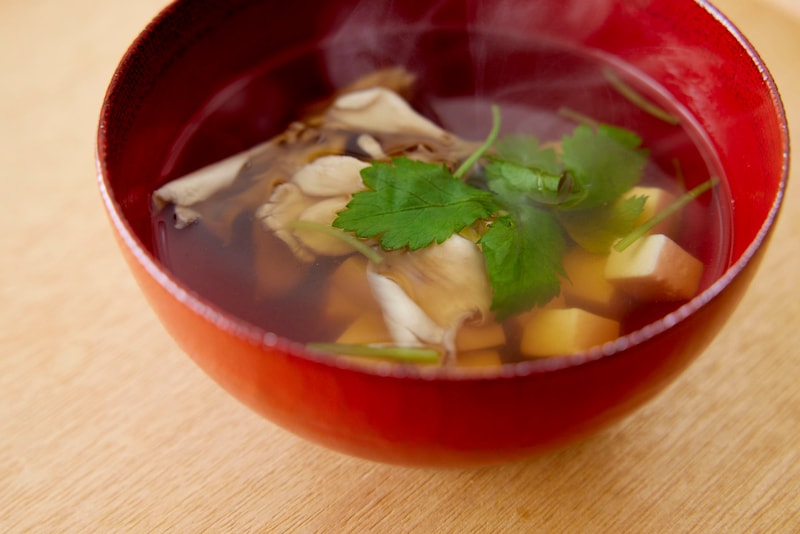
“Osuimono” (お吸い物) is a classic Japanese soup that lets you enjoy the fine flavor of katsuobushi and kombu dashi. For this reason, it is not heavily seasoned, but finished elegantly with a small amount of soy sauce or other seasoning. Main ingredients such as tofu or seafood are paired with mushrooms or vegetables, and an aromatic garnish called “suikuchi” (吸い口) is added at the end, allowing you to enjoy seasonal combinations.
The Secret to Delicious Flavor of Osuimono
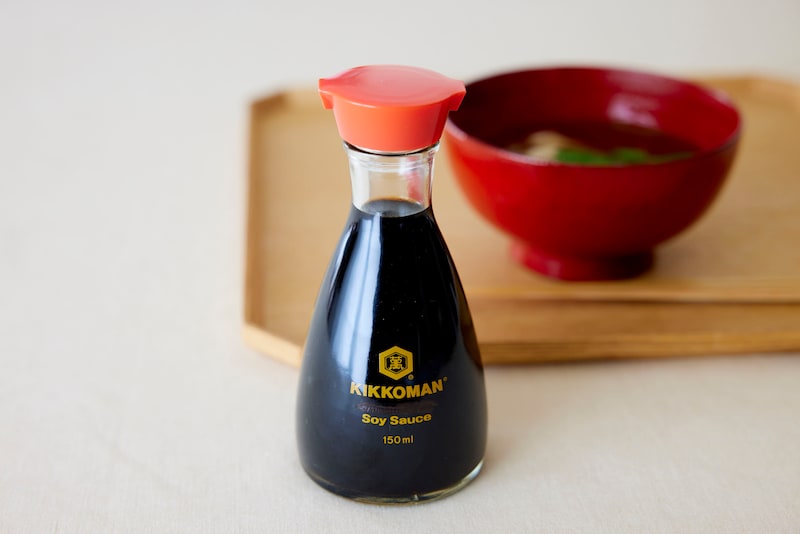
Dashi and soy sauce are inseparable. The inosinic acid found in katsuobushi used for dashi and the glutamic acid found in soy sauce work together to create a synergistic umami effect, resulting in deeper umami. The aroma of soy sauce is also an important element that shapes the flavor of osuimono.
Things to Remember When Making Osuimono
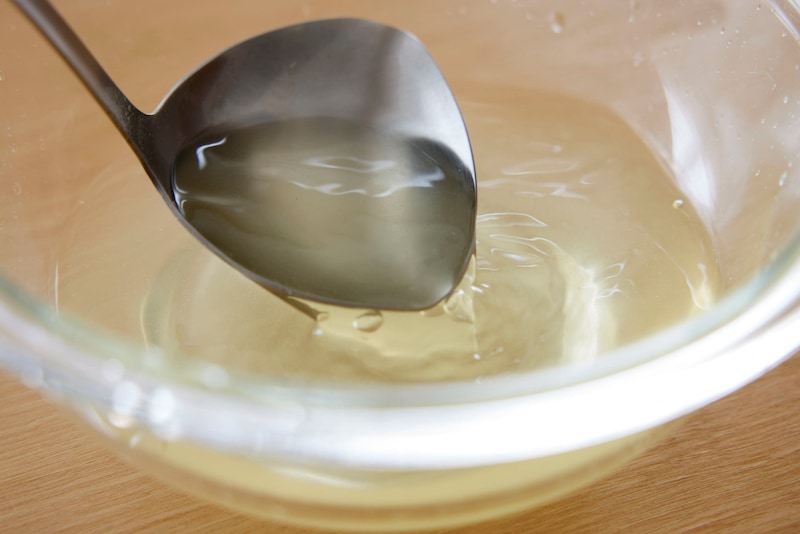
When simmering kombu, use low heat to slowly draw out its umami, and avoid bringing it to a boil. This helps create a clear-tasting dashi without any unwanted flavors. Also, dashi is at its most flavorful when freshly made, so it is recommended to make it right when preparing the dish rather than making it in advance.
Ingredients (Servings: 2):
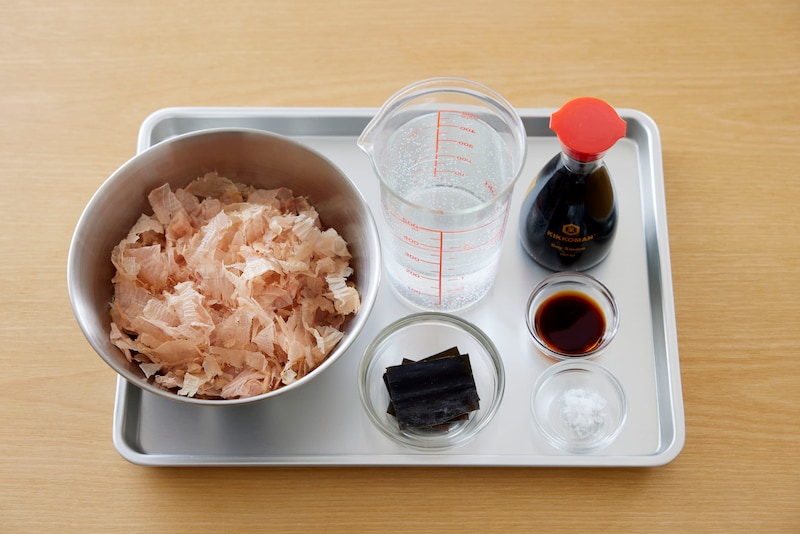
Katsuobushi and Kombu Dashi:
Kombu - 5g (0.2 oz.)
Katsuobushi / dried bonito flakes - 10g (0.4 oz.)
Water - 500ml (16.9 fl oz.)
*Use 300ml of the prepared katsuobushi and kombu dashi
Kikkoman Soy Sauce - 1 tsp
Salt - 1/4 tsp
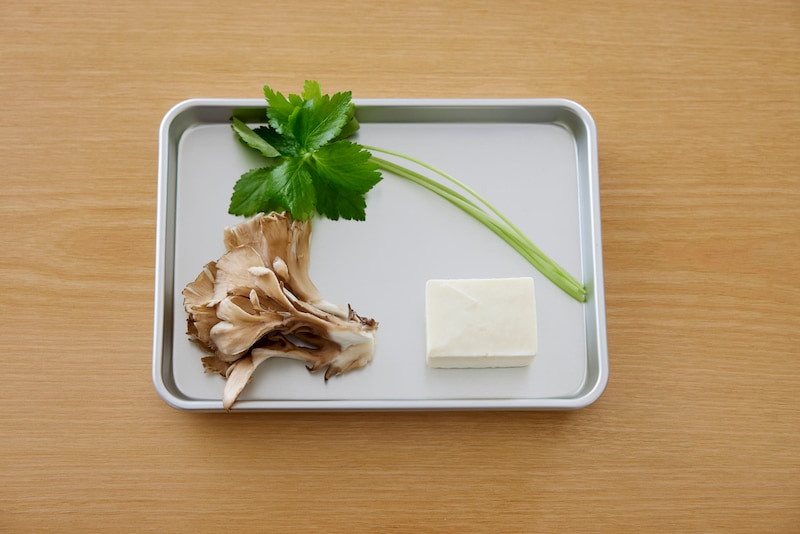
Maitake mushrooms - 30g (1 oz.)
Mitsuba - 4 sprigs
silken (soft) tofu - 50g (1.8 oz.)
Calories and Cooking Time

* Nutrition facts are for one serving.
How to Make the Katsuobushi and Kombu Dashi
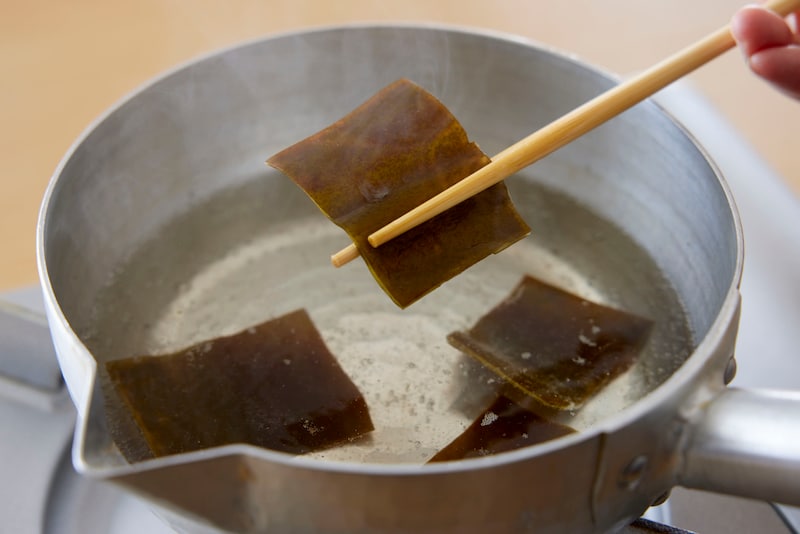
- 1Put the water and kombu into a pot and heat over very low heat. Remove the kombu just before it comes to a boil. A good guideline is when small bubbles appear around the inside edge of the pot.
- TipsIf kombu is brought to a boil, its distinctive aroma will overpower the other ingredients. Heat it slowly over the lowest possible heat to draw out the umami of the kombu.
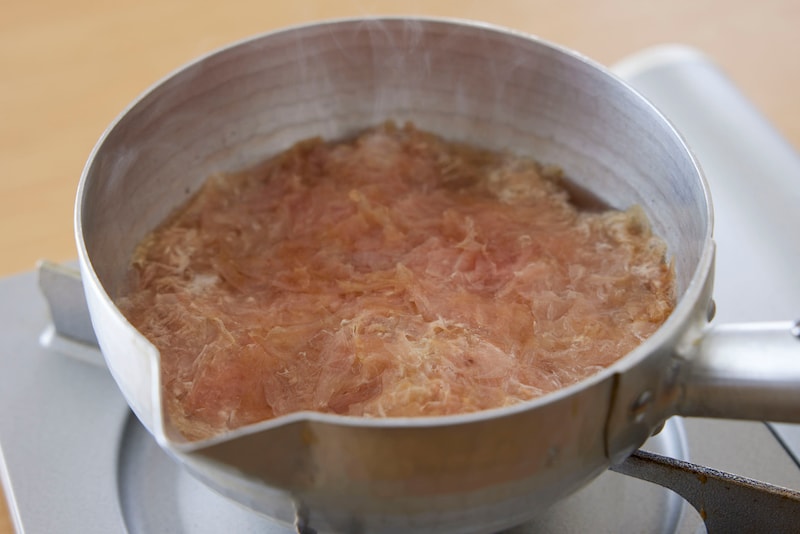
- 2Add the katsuobushi and turn the heat to medium. When the katsuobushi rises gently to the surface, turn off the heat.
- TipsAfter adding the katsuobushi, be careful not to let it boil vigorously.
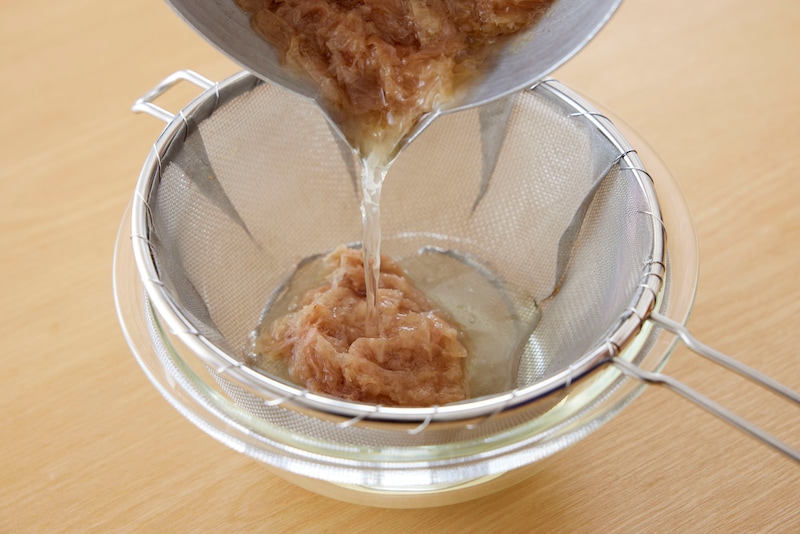
- 3Once the katsuobushi sinks to the bottom of the pot, strain through a fine strainer.
- TipsIf you don’t have a fine strainer, line a colander with a paper towel and strain it that way. The katsuobushi used to make dashi is edible, so it can also be used as a filling for rice balls. Use the kombu in soup or other dishes.
Watch video for making the katsuobushi and kombu dashi
How to Make the Osuimono
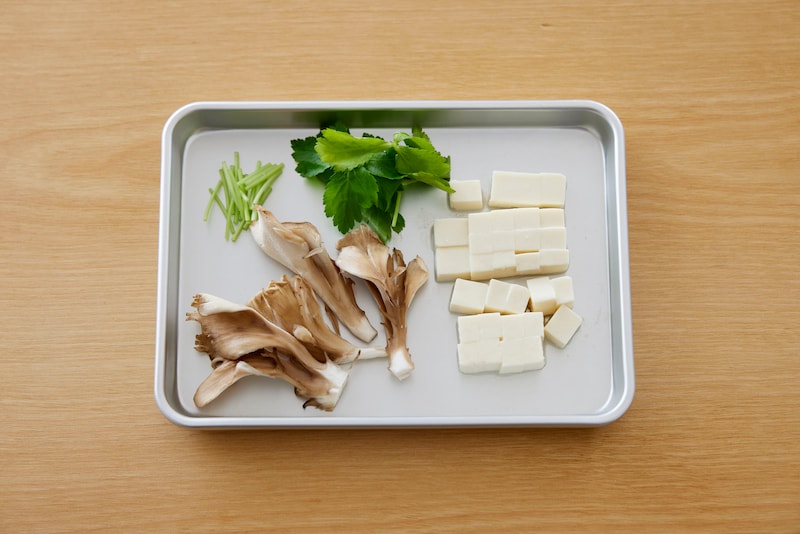
- 1Break the maitake mushrooms into bite-sized pieces. Separate the mitsuba leaves and stems, and cut the stems into 3 cm (1.2 in.) lengths. Cut the tofu into 1 cm (0.4 in.) cubes.
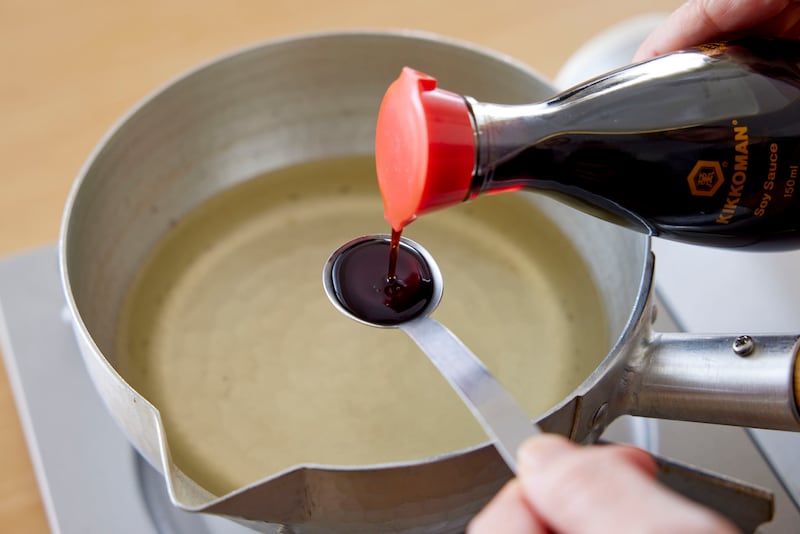
- 2Put 300 ml (10.1 fl oz.) of the katsuobushi and kombu dashi made earlier into a pot and heat over medium. Once it comes to a boil, add the salt and Kikkoman Soy Sauce and mix.
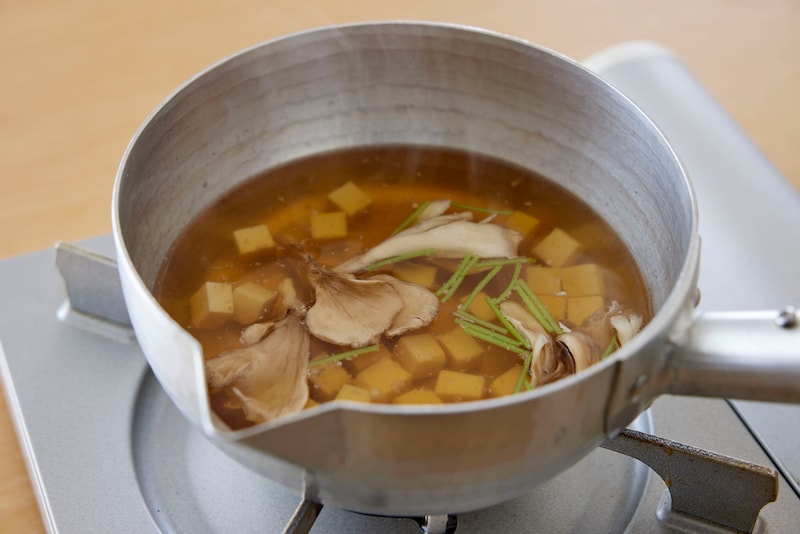
- 3Add the maitake mushrooms and tofu, and simmer over low heat for 3 minutes.
- TipsIf it boils vigorously, the tofu will break apart, so simmer gently over low heat.
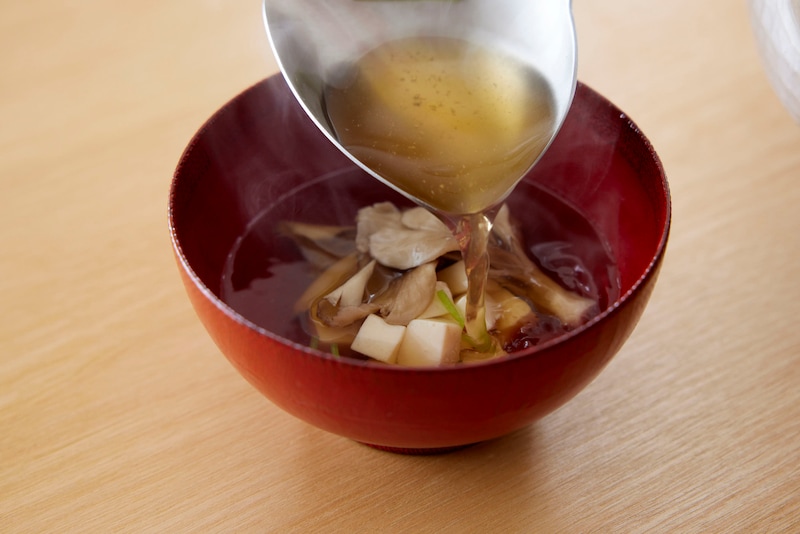
- 4Place the tofu, maitake mushrooms, and mitsuba stems into bowls, then pour in the soup and top with the mitsuba leaves.
- TipsArrange the ingredients beautifully in the bowls, then gently pour the soup around them for a clean presentation.
Watch video for making the Osuimono
FAQ
What is “suikuchi”?
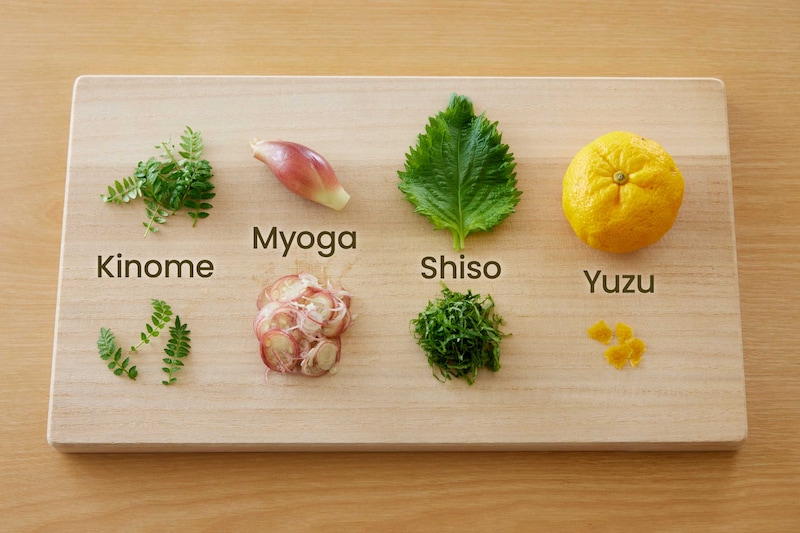
“Suikuchi” (吸い口) refers to aromatic vegetables or citrus added as a finishing garnish to Japanese-style clear soup (”osuimono”). It helps bring out the flavor of the soup and adds a subtle fragrance. In Japanese cuisine, seasonality is highly valued, so seasonal ingredients are used as suikuchi: sansho buds / kikome in spring (far left in the photo), myoga in summer (second from the left), green shiso (third from the left), and yellow yuzu in winter (right). Each ingredient is cut into a pleasant, easy-to-eat size; for citrus, thinly shaved peel is used.
Is there an easy way to make Japanese-style clear soup / “osuimono”?
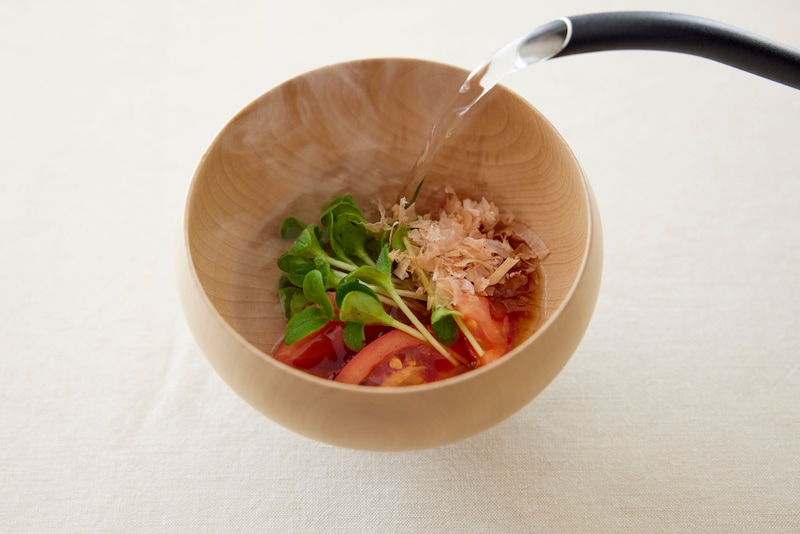
Osuimono is usually made by preparing dashi first, but you can also make an “osuimono-style” soup with the flavor of dashi simply by pouring hot water over katsuobushi / dried bonito flakes. Just place katsuobushi, sprouts, tomatoes, or other ingredients in a bowl, pour in hot water, and season with soy sauce or other seasonings. The katsuobushi can be eaten on its own as well.
Kitchen Utensils Used in This Recipe
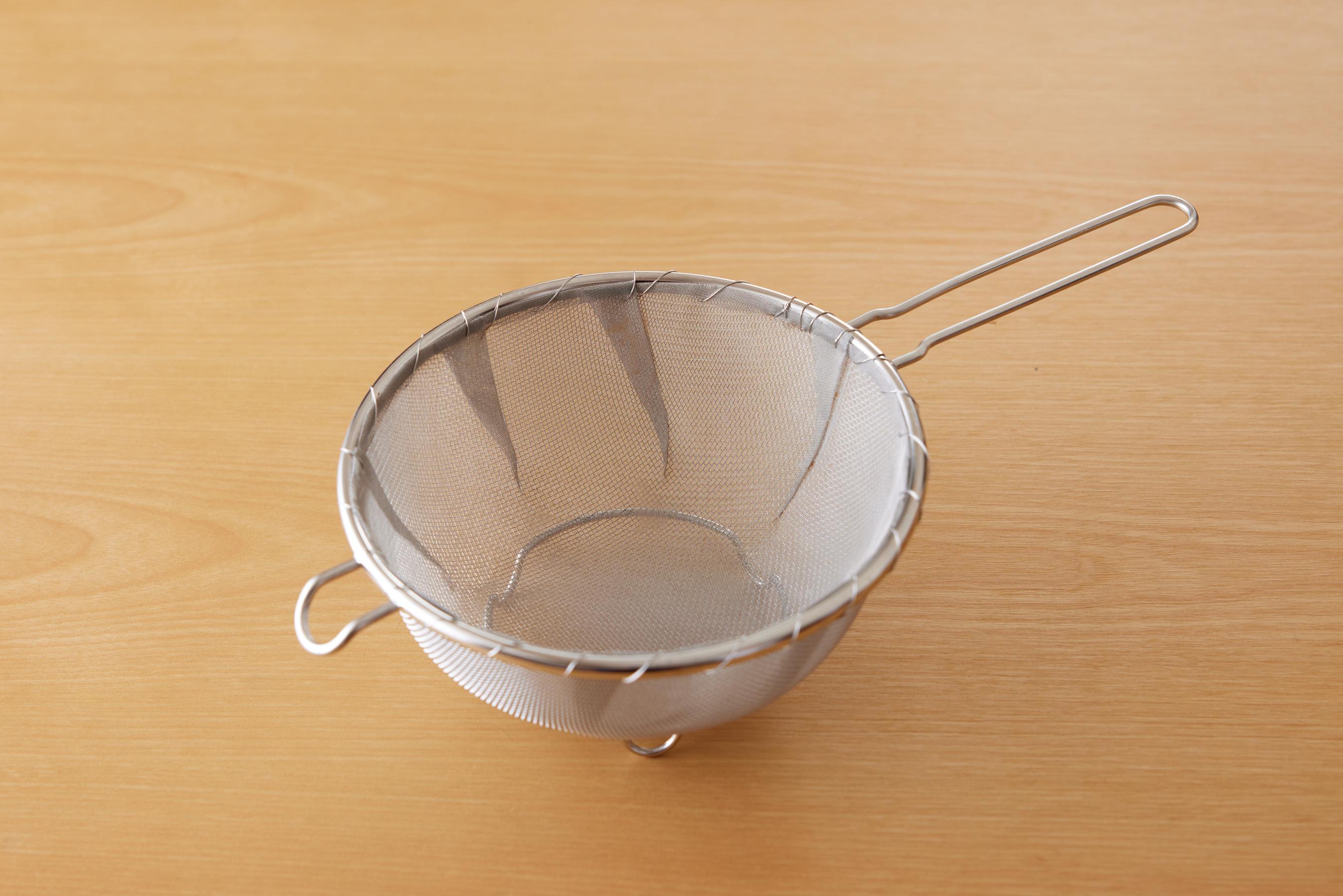
Soup Strainer / Dashi Koshi-ki
Japanese soup strainers are made with a finer mesh than a typical handled sieve to prevent small pieces or powder from the katsuobushi from passing through when straining dashi. Using one helps create a clear, beautiful-looking dashi. It is also called a “koshi-ki”.
For more information about Soup Strainer, please see our Glossary page.
Enjoying the Aroma of Osuimono in a Lidded Bowl
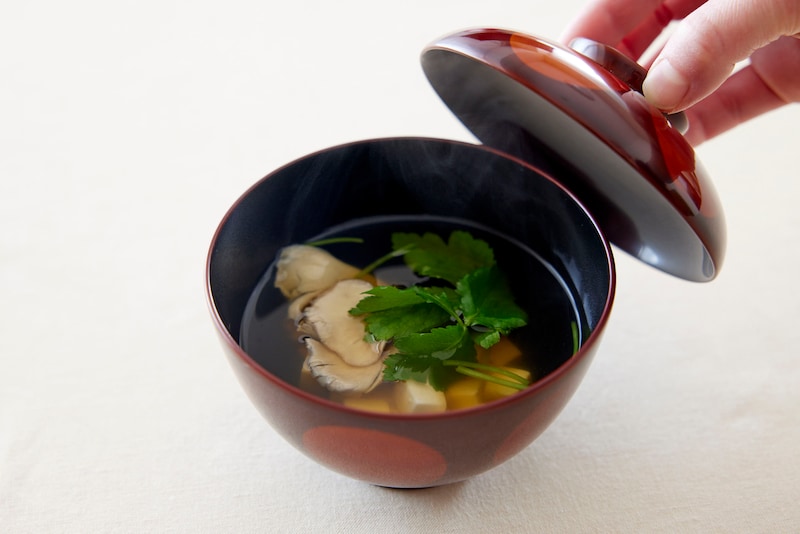
At Japanese restaurants, clear soup / osuimono is often served in a lidded bowl. This is not only to keep the soup warm, but also to let guests enjoy the aroma of dashi that gently rises the moment the lid is opened. When enjoying it at a restaurant, be sure to pay attention to the fragrance as well.
Kikkoman Products Used in This Recipe

About the Recipe Author

Yuko Ihara
Having lived in England and the U.S., Yuko Ihara is well-versed in a wide range of culinary genres. As a culinary researcher, she creates dishes for magazines and books, develops corporate menus, and also engages in product development and food consulting. She introduces easy-to-follow tips on how to make delicious food at home, emphasizing the importance of seasonality and healthful eating. When travelling, she loves to search for delicious vegetables and ingredients.
Instagram: @iharayukoo
About Washoku Lesson
Washoku Lesson is special content offering detailed and easy-to-understand explanations, including tips for making classic Japanese dishes as well as the many ways of enjoying these, and introductions to special Japanese cooking utensils and annual events.

Related Recipes
 15min
15min 114kcal
 600mg
600mg
- 15min
- 50kcal
- 600mg
- 15min
- 40kcal
- 400mg
- 20min
- 228kcal
- 400mg