

Yoshoku: Japan's Unique Western-Style Food and 5 Must-Try Recipes

Fluffy egg omurice (Japanese omelette rice), juicy hamburg steaks, and richly aromatic curry rice—all of these are examples of Yoshoku (Japanese Western-style Food)!
When people think of Japanese cuisine, many may picture traditional dishes such as sushi or tempura. However, Japanese food goes far beyond that. Japan is also home to a genre known as Yoshoku—Western-style dishes that were adapted and uniquely evolved in Japan. In this article, we’ll explore the background of Yoshoku, its appeal, and introduce easy recipes you can prepare at home.
The Beginning of Yoshoku
During the Edo period (1603–1867), Japan remained largely closed to the outside world. However, with the beginning of the Meiji era in 1868, exchanges with foreign countries increased, altering everyday life, including clothing, food, and housing. Food culture was no exception: diets that had focused mainly on seafood and vegetables began to incorporate meat such as beef, and Western-style restaurants grew in popularity. Creative adaptations were made to suit Japanese tastes, leading to the birth of uniquely Japanese Yoshoku dishes such as curry rice, hamburg steak, omurice (ketchup-flavored rice wrapped in an omelette), Neapolitan (spaghetti seasoned with ketchup), and doria (baked rice gratin topped with white sauce). These dishes gradually became staples, spreading from restaurants to home kitchens across Japan.
Japanese-Style Yoshoku Was Created to Pair Well with Rice
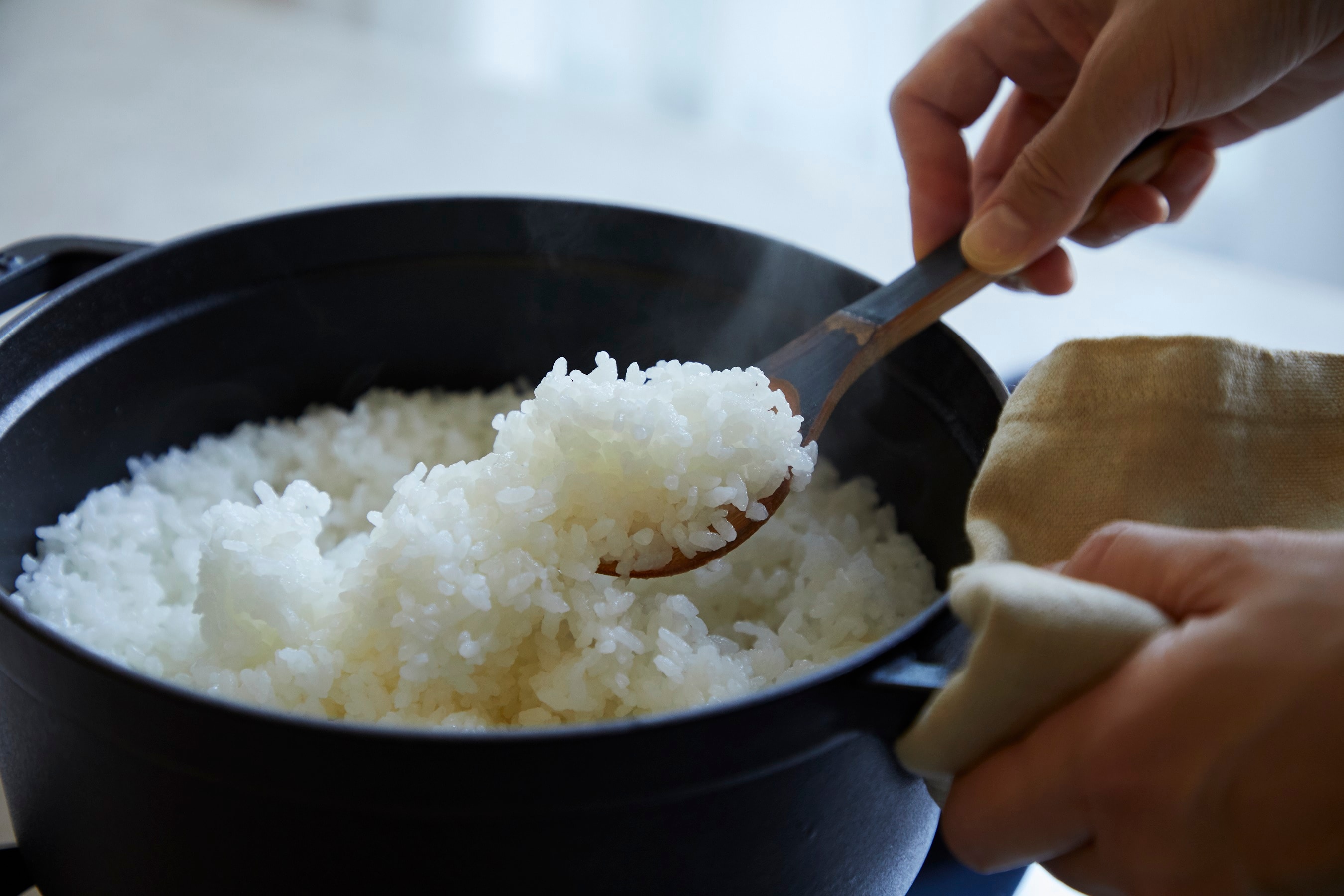
One key factor behind the uniquely Japanese evolution of Yoshoku is, in fact, rice. In Japan, there is a long-standing custom of eating rice, the staple food, alongside the main dish. As Western cuisine spread, flavors that paired well with rice were therefore sought after. Japanese rice is japonica rice, known for its stickiness and natural sweetness, which differs greatly in texture and flavor from indica rice, the dominant variety worldwide. Through repeated trial and error, Western cooking and Japanese food culture blended to create flavors that complemented this type of rice, giving rise to the new style known as Yoshoku. Japanese curry rice—spiced dishes adapted to Japanese tastes, served with plain white rice—is a prime example of this fusion.
Recommended Yoshoku Recipes
Japanese Yoshoku has evolved with a strong emphasis on flavors that go well with rice. Reflecting this approach, our Yoshoku recipes introduced below add a drizzle of Kikkoman Soy Sauce to the seasoning, enhancing umami and depth for a more delicious result. We hope you’ll try these recipes and enjoy the distinctive flavors of Japanese Yoshoku in your own home.
Japanese Curry (カレーライス)
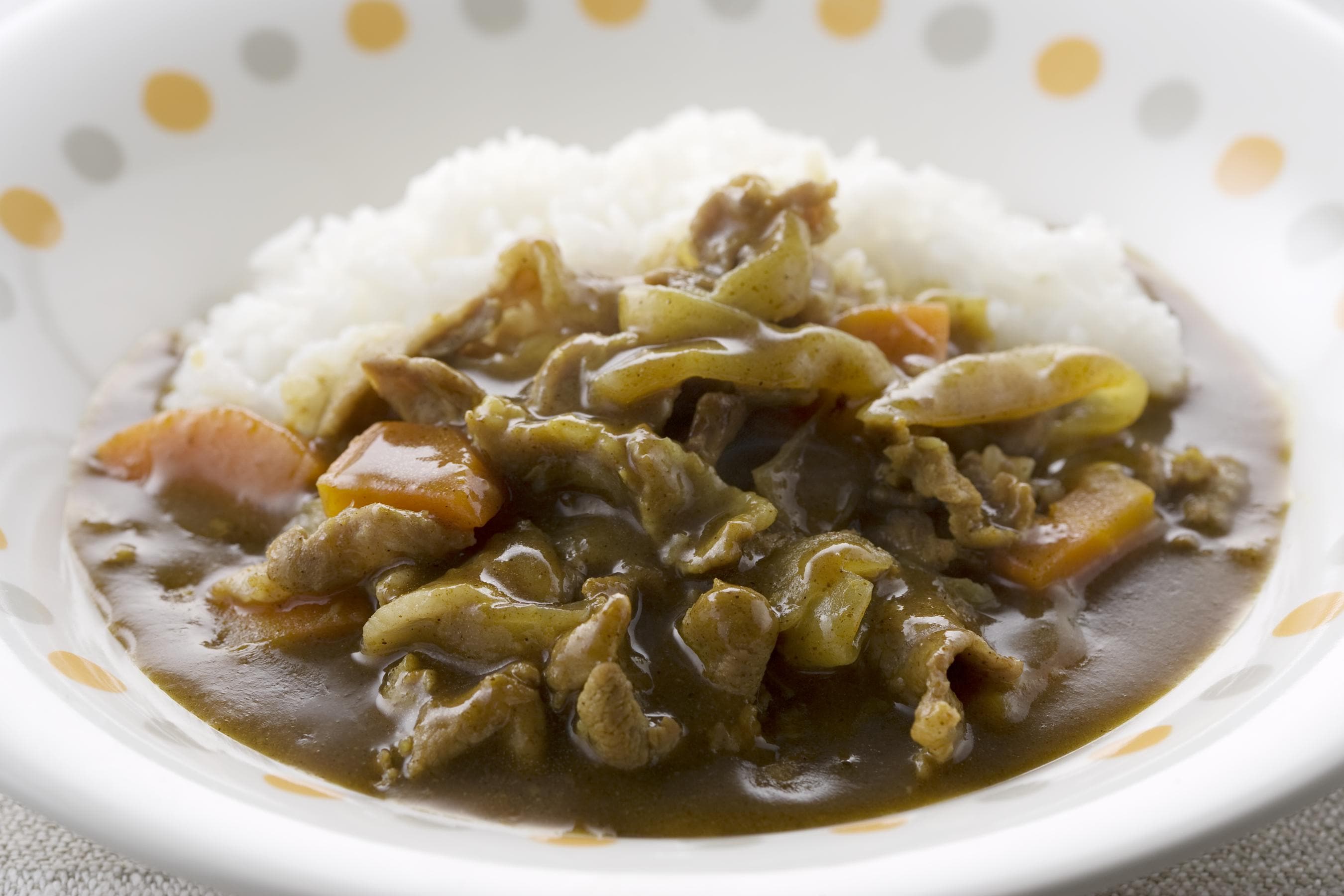
Japanese curry is said to have its roots in Indian curry, which was introduced to Britain, where curry powder was developed, and then brought to Japan. Like British curry, it is thickened with flour yet eaten with rice. Because it pairs so well with rice, curry has become extremely popular in Japan, often called a national dish.
Hamburg Steak (ハンバーグ)
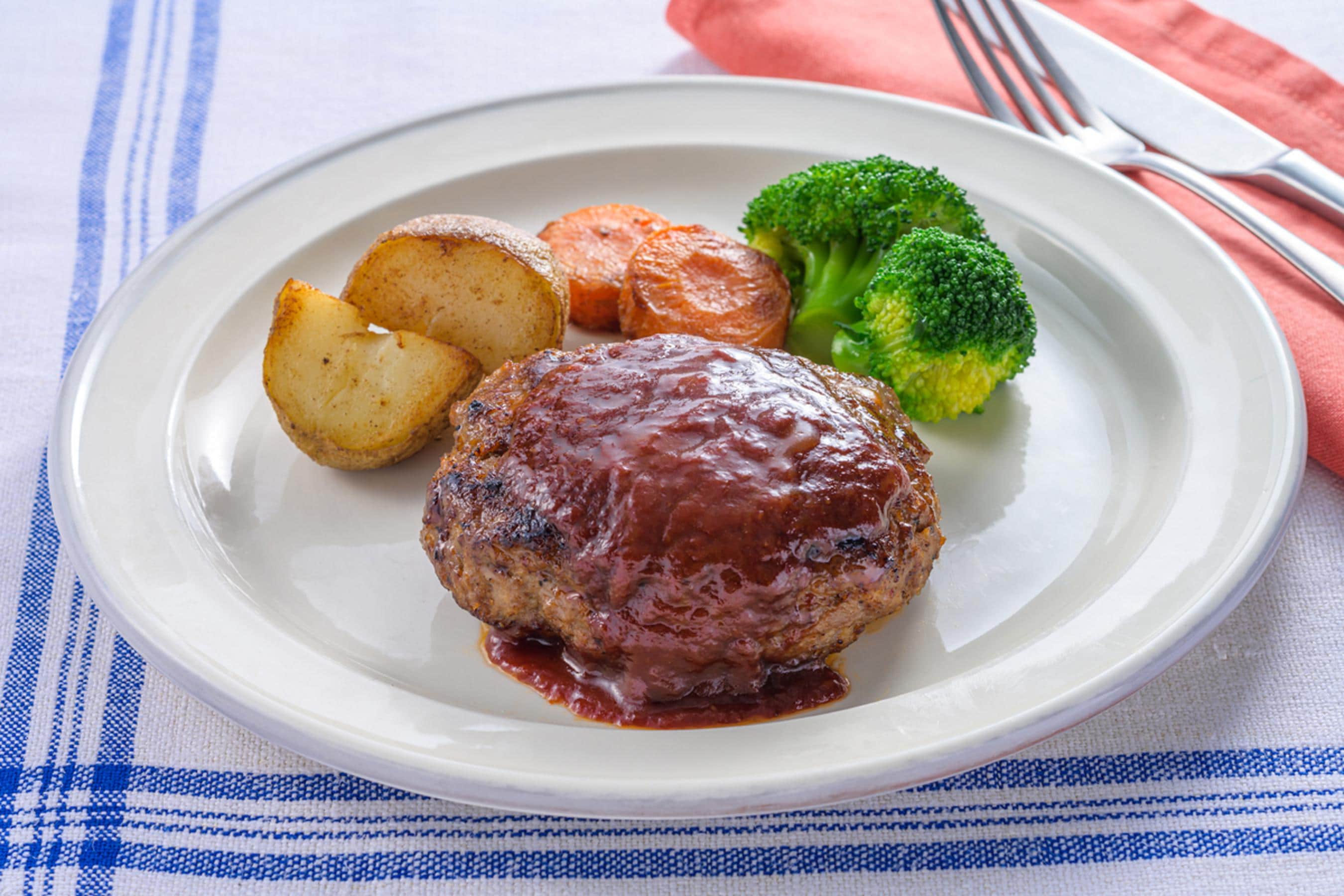
Hamburg steak is said to originate from the German dish known as Hamburg steak, made by grilling ground meat patties. A distinctive feature of the Japanese version is the use of aibiki, a ground meat mixture of beef and pork. It also includes a generous amount of binders such as panko (Japanese breadcrumbs) and onions, resulting in a soft, fluffy texture. The outside is nicely browned, while the inside remains tender and juicy.
Omurice (オムライス)

Omurice is a dish that combines an omelette with rice seasoned with tomato ketchup. The name itself is wasei-eigo (Japanese-made English), fusing “omelette” and “rice.” There are many variations, such as wrapping ketchup-flavored rice in a thin omelet or placing a soft, runny omelet on top of the rice, sometimes finished with an additional sauce.
Spaghetti Neapolitan (スパゲティナポリタン)
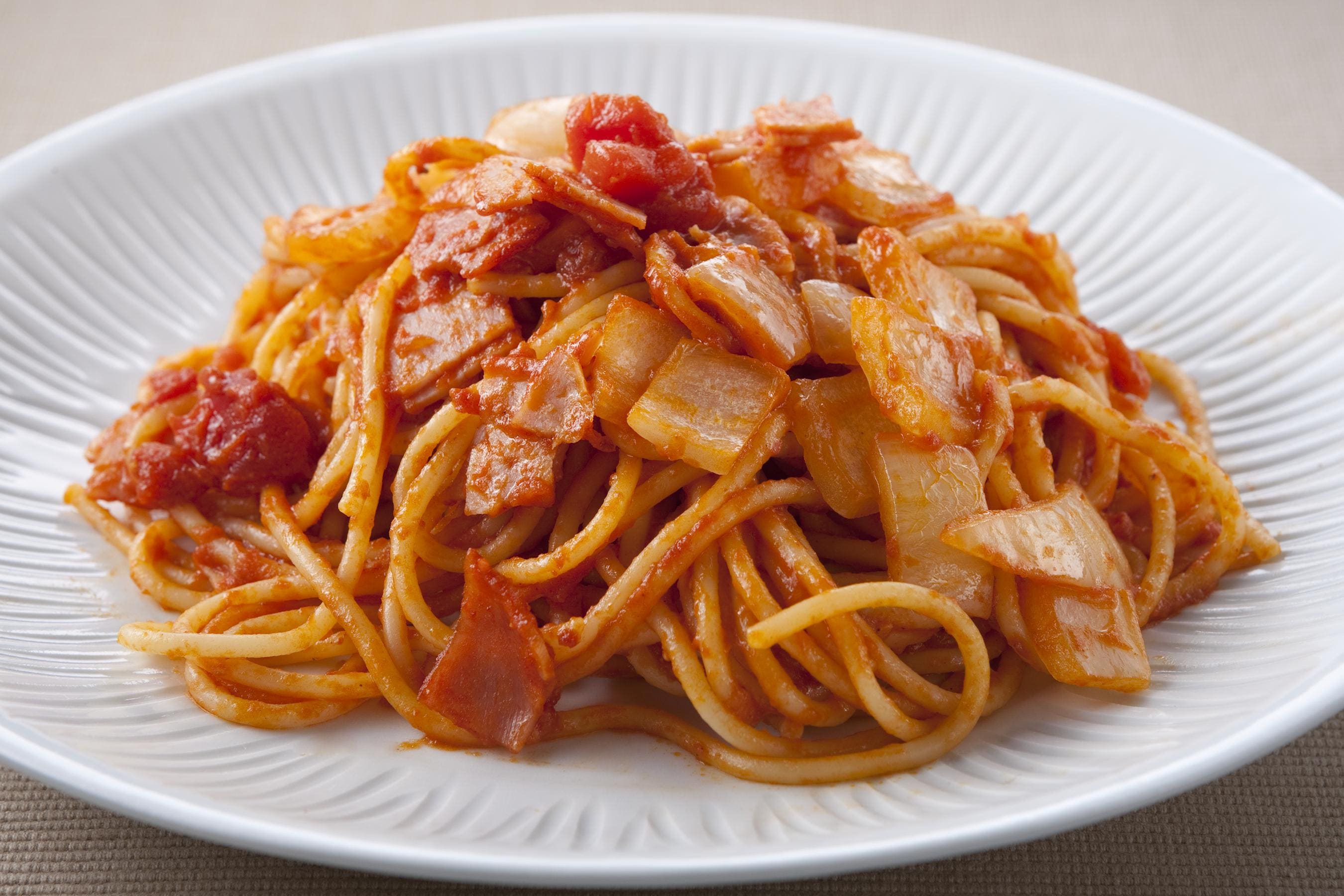
Neapolitan is made by stir-frying cooked spaghetti with onions, ham, and other ingredients, then seasoning it with tomato sauce or ketchup. The pasta is cooked until soft rather than al dente, which is a defining characteristic, and it is a very popular menu item at cafes and coffee shops. There are several theories about the origin of the name “Neapolitan,” one being that it was inspired by Italian cuisine. However, this dish does not exist in Naples, Italy—it is a Yoshoku dish that was created in Japan.
Doria (ドリア)
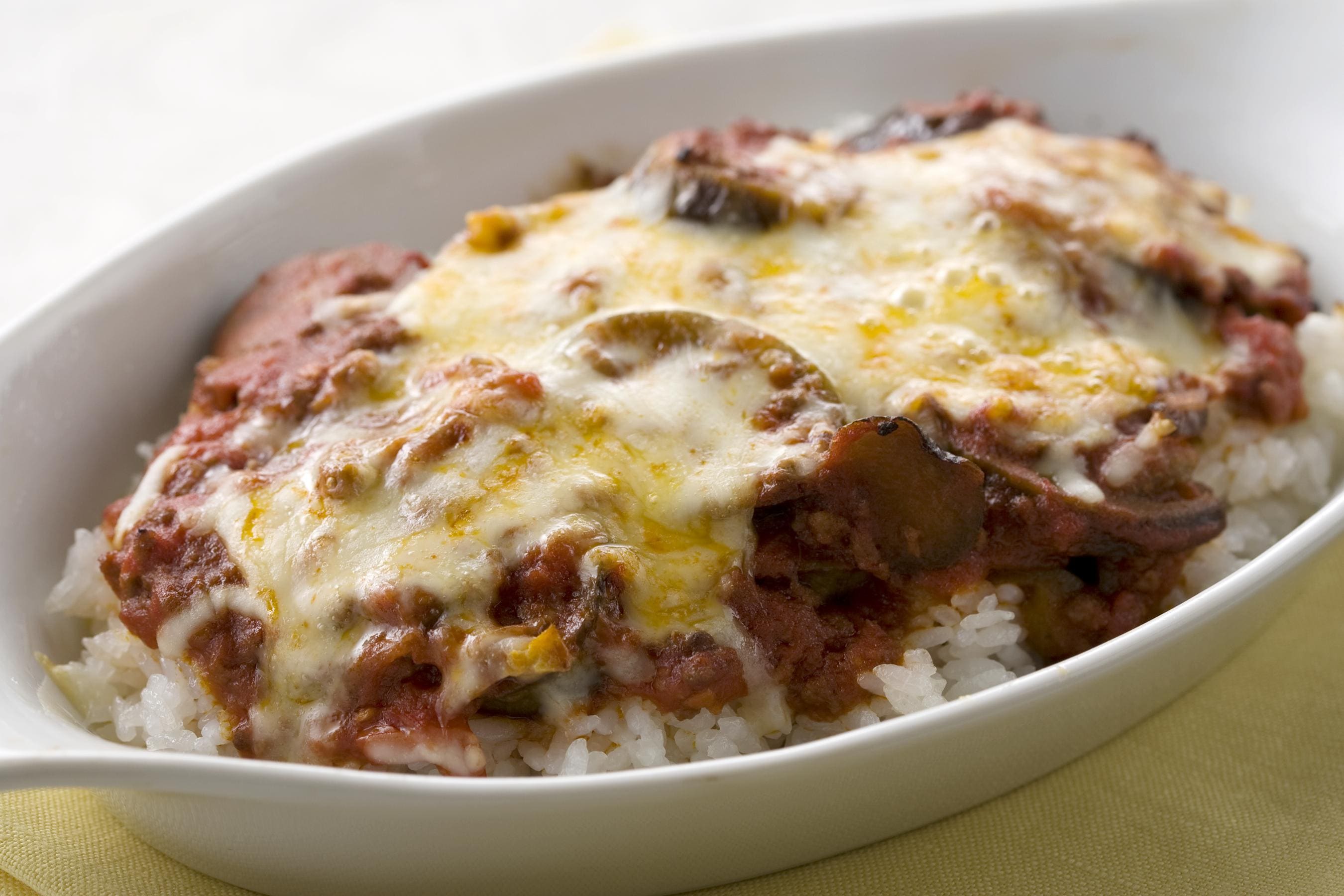
Doria is a type of rice gratin, made by topping rice with sauce and cheese, then baking it. It is said to have been created by a hotel restaurant chef in Japan, originally made with shrimp in a cream sauce and cheese. As it became popularized as a home-cooked dish, many variations emerged, not only with seafood cream sauce, but also baked with meat sauce or curry.
Related Articles
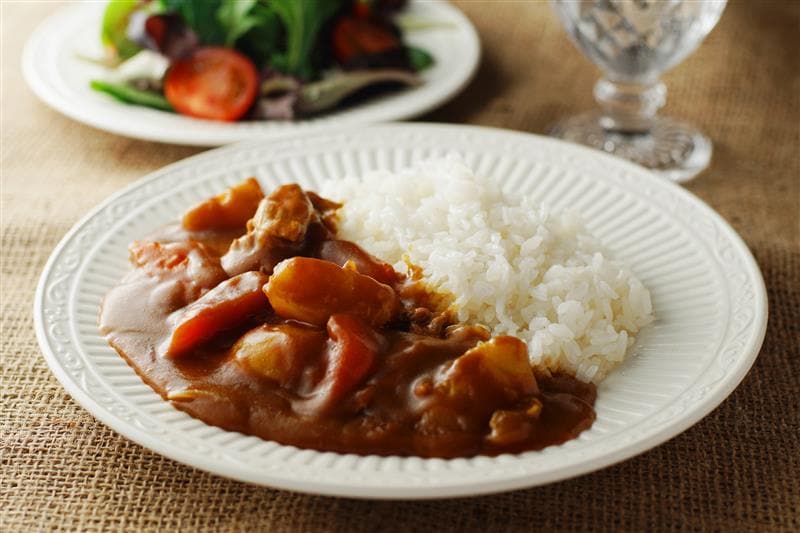
How Did Curry Rice Become Japan’s National Dish? Uncovering the Secrets Behind Its Enduring Popularity