
Bonito
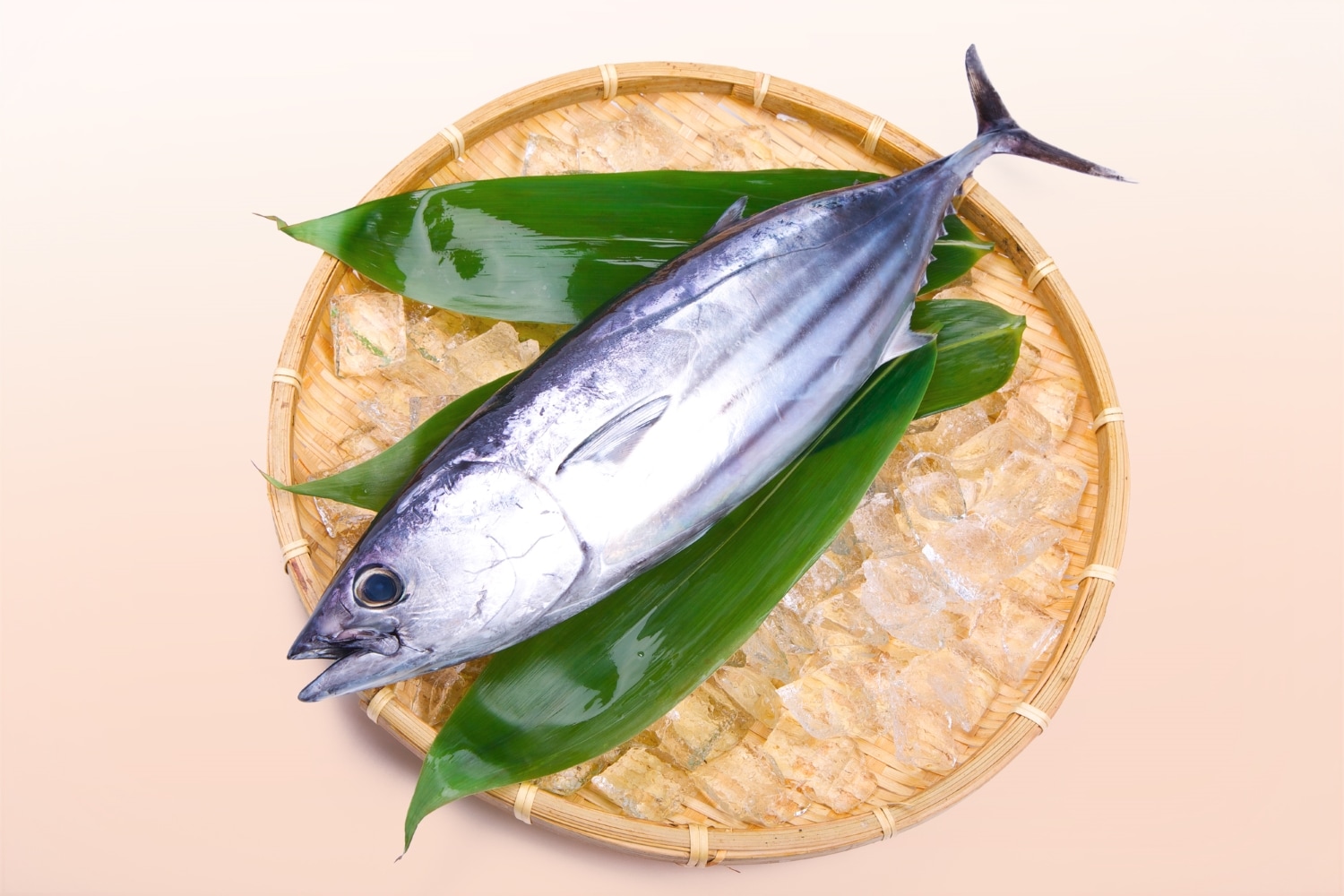
Bonito is a migratory fish in season in spring and fall, essential for making dashi
What is bonito?
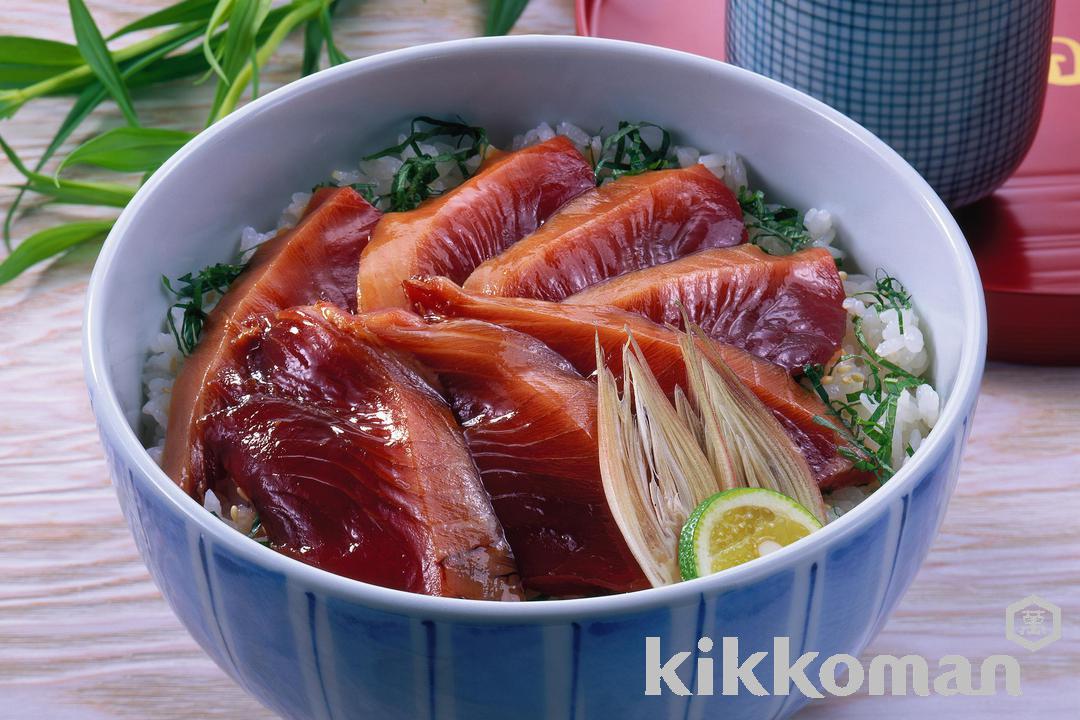
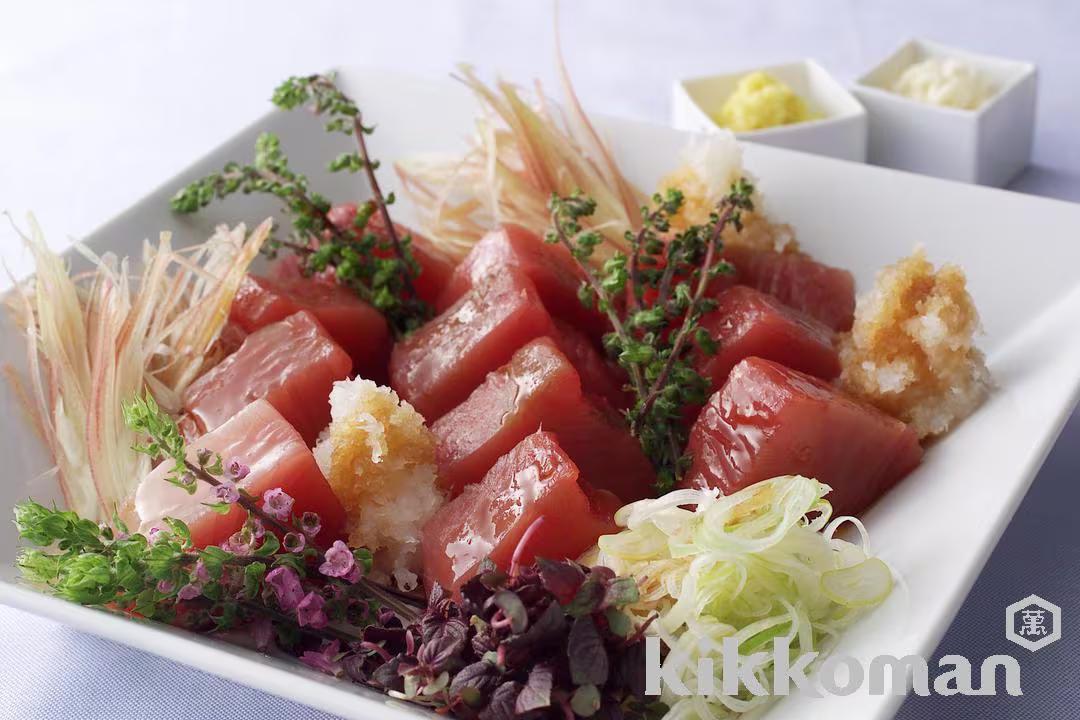
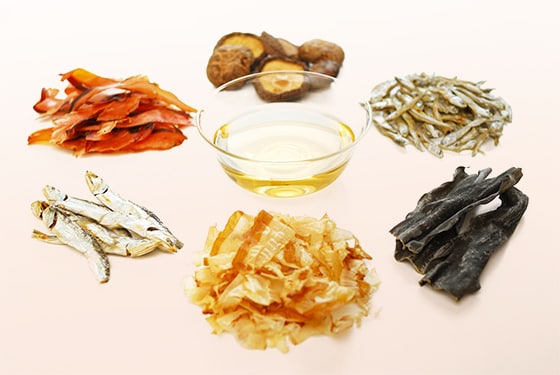
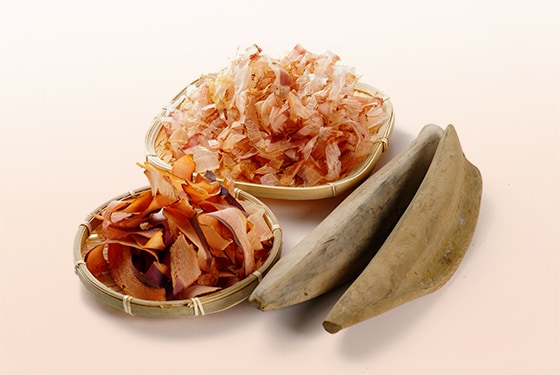
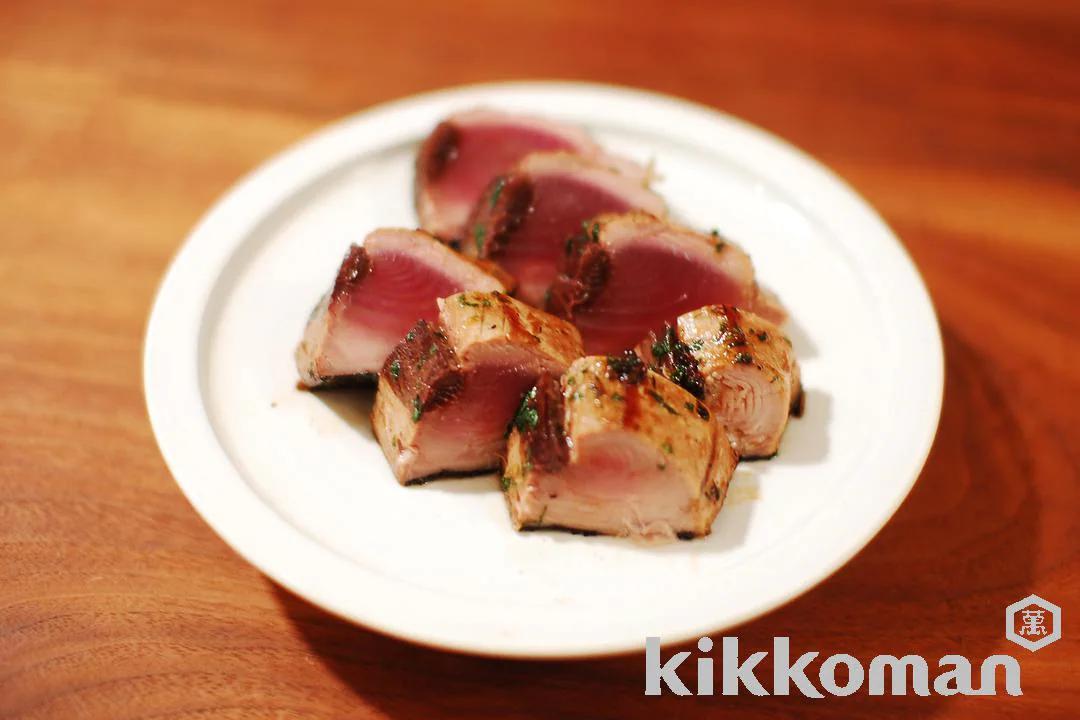
Bonito (かつお in Japanese) is a migratory fish belonging to the mackerel family, and is in season twice a year in Japan. The "first bonito" caught in spring is lean and refreshing, while the "returning bonito" caught in fall is rich and fatty. In addition to being eaten as raw or “tataki” (seared bonito), the processed "bonito flakes" are an essential ingredient in Japanese cuisine as a dashi ingredient.
Nutrition facts
Bonito is high in protein, and its lipid content varies with the season. The first bonito is lean, while the returning bonito is fatty and rich in DHA and EPA. It is rich in highly absorbable heme iron, as well as vitamin D, vitamin B12, and niacin, with B12 being the highest among fish. Vitamin B12 is involved in energy metabolism and hematopoiesis. It also contains taurine and imidazole dipeptide, which help recover from fatigue.
Storage to prevent food loss
Because bonito loses freshness quickly, seal the fish in an airtight container in the refrigerator and consume it within 1-2 days. Fillets can be stored for 1-2 weeks if wrapped in individual servings and frozen. Dried bonito flakes, made through processes such as simmering, smoking, drying, and mold fermentation, can be stored at room temperature and can be stored for long periods of time if protected from moisture.
Trivia
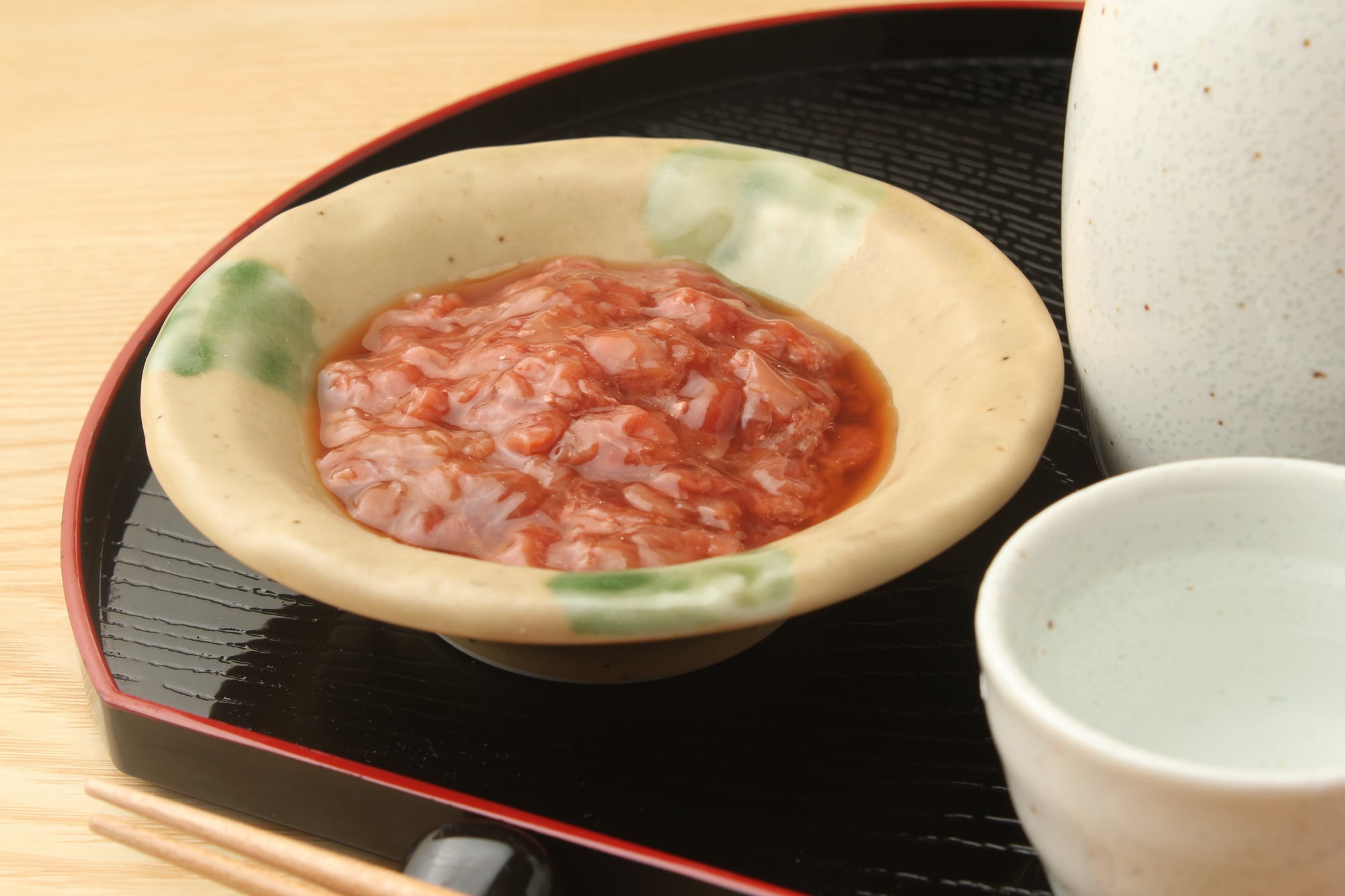
“Shuto”, a delicacy originating in Kochi Prefecture, is made by salting bonito innards and fermenting and aging them for over six months. Its rich flavor earned it the name shuto, which translates to ”So tasty one would run to steal sake,” and it's sometimes referred to as the Japanese anchovy.
Related Recipes
 25min
25min 222kcal
 551mg
551mg