

Daikon and Carrot Salad with Sweet Vinegar Dressing (Amazuae)
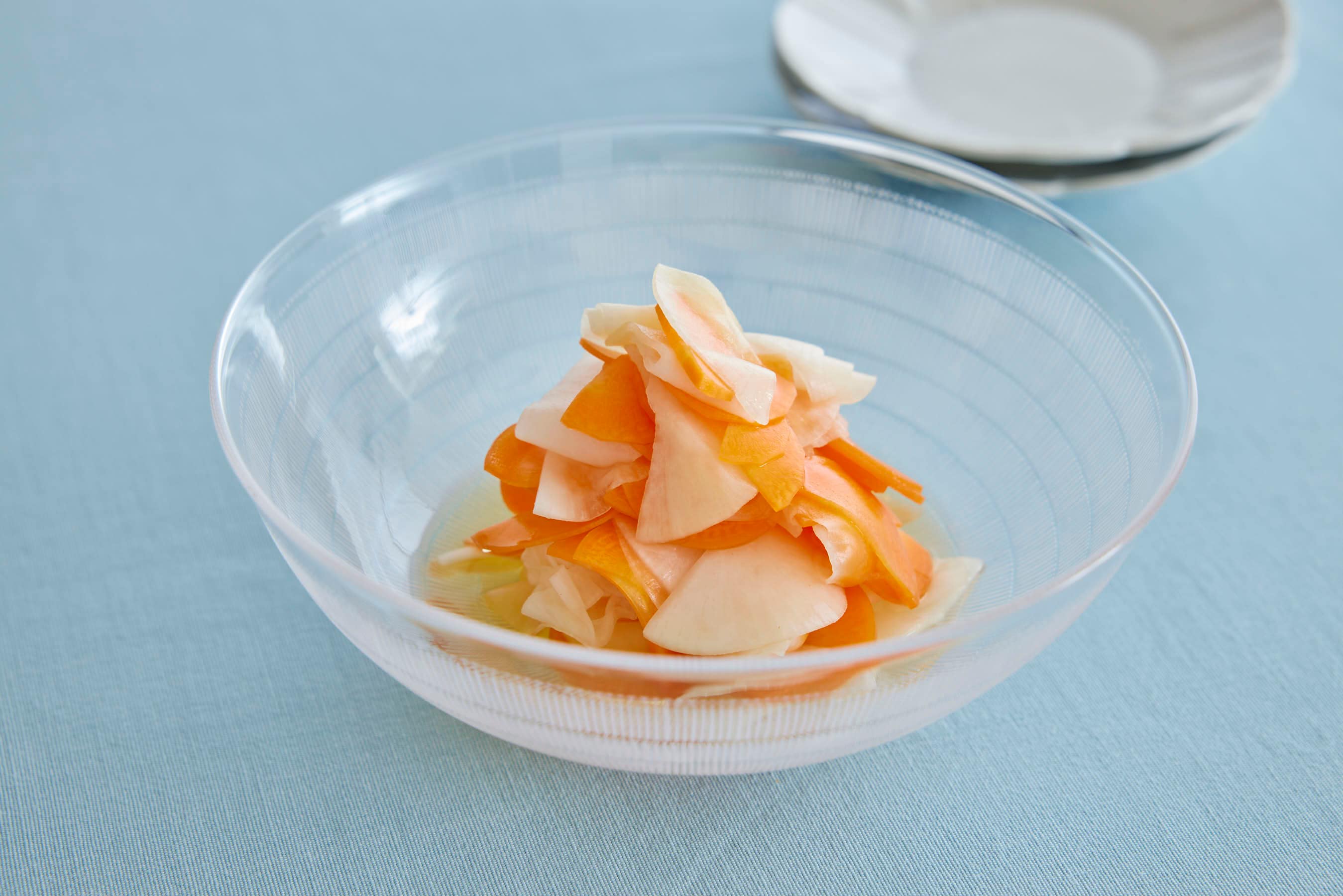
This is a refreshing vegetable side dish with a balance of acidity and sweetness. It’s similar to a salad but contains no oil, giving it a light and clean flavor. It also makes a great accompaniment to a variety of dishes.
- by Yuko Ihara
Table of Contents
- What is Daikon and Carrot Salad with Sweet Vinegar Dressing?
- The Secret to Delicious Flavor of Daikon and Carrot Salad with Sweet Vinegar Dressing
- Things to Remember When Making Daikon and Carrot Salad with Sweet Vinegar Dressing
- Ingredients
- Calories and Cooking Time
- How to Prepare the Ingredients
- How to Dress with Sweet Vinegar Dressing
- More Ways to Enjoy Daikon and Carrot Salad with Sweet Vinegar Dressing
- FAQ
- Kikkoman Products Used in This Recipe
- About the Recipe Author
What is Daikon and Carrot Salad with Sweet Vinegar Dressing?
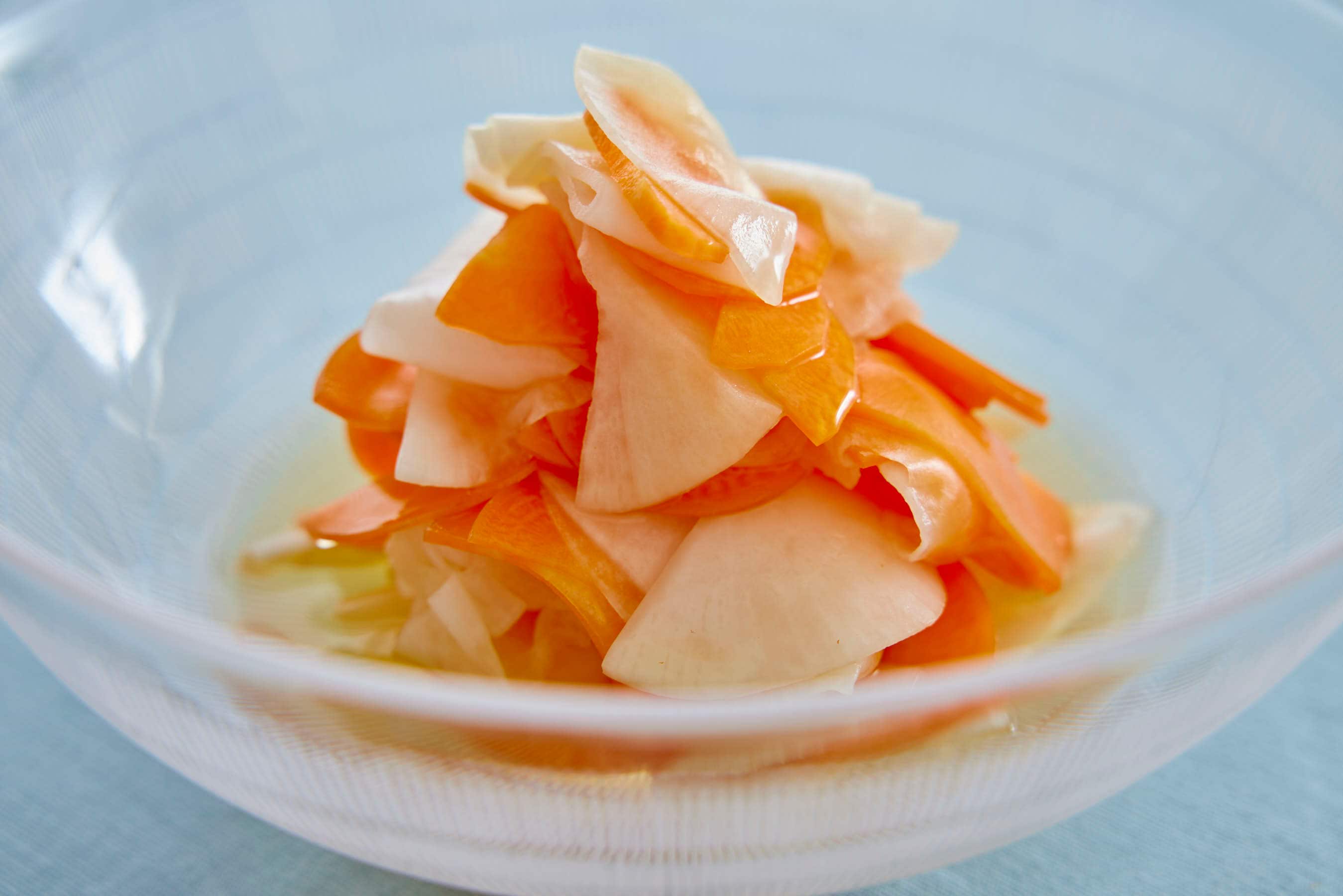
“Amazu” (sweet vinegar / 甘酢) is a traditional Japanese seasoning made by combining vinegar with sugar and soy sauce. It’s commonly used in dressed dishes (“aemono” / 和え物) and pairs especially well with vegetables. The balance of subtle sweetness and acidity stimulates the appetite. Daikon and carrot not only offer a pleasing texture and flavor balance, but also create a visually appealing combination with their bright contrasting colors.
The Secret to Delicious Flavor of Daikon and Carrot Salad with Sweet Vinegar Dressing
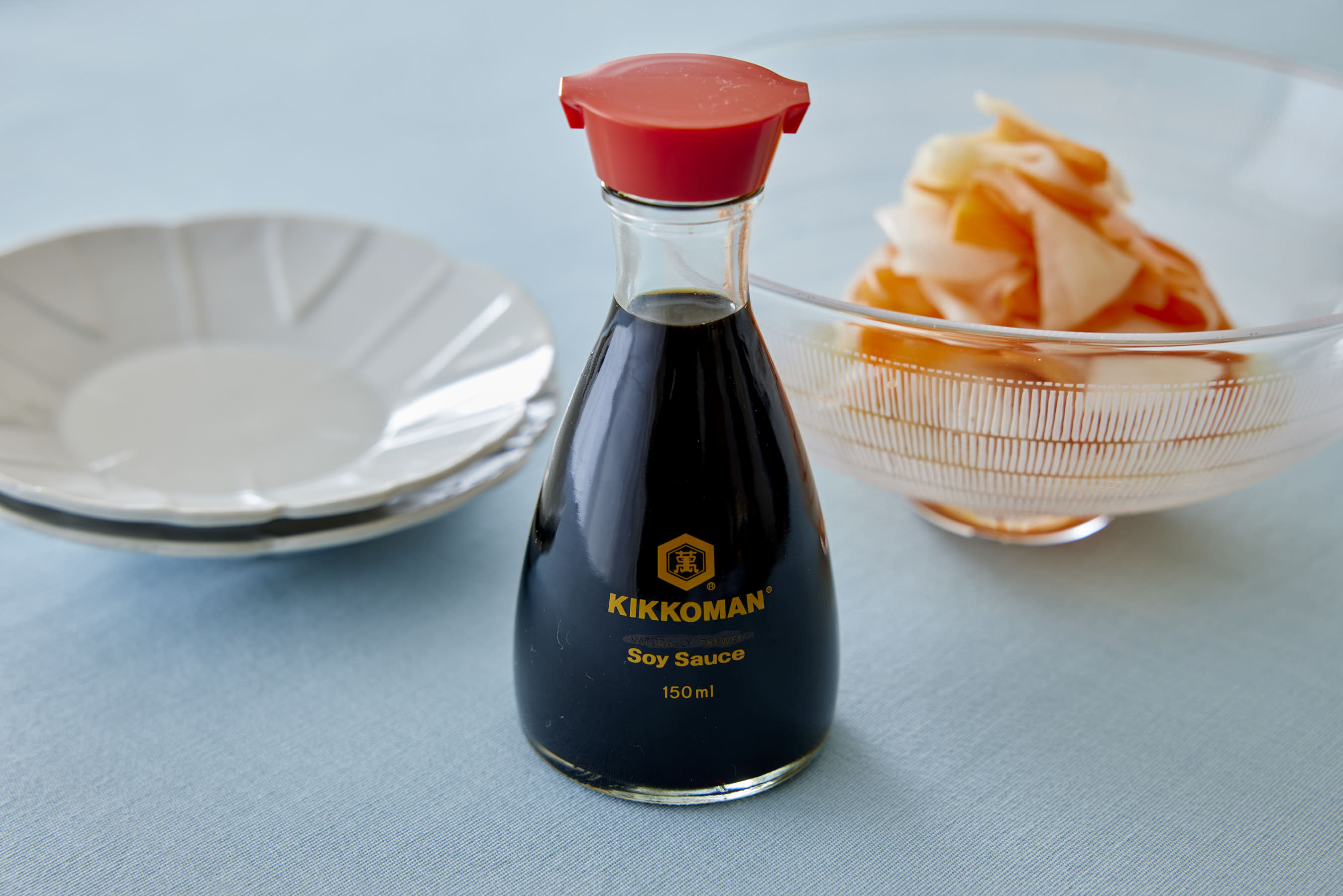
Although only a small amount of Kikkoman Soy Sauce is added as a hidden flavor, its aroma and umami bring balance to the sweet vinegar to create a deeper, more lingering taste.
Things to Remember When Making Daikon and Carrot Salad with Sweet Vinegar Dressing
Pre Salting Helps Sweet Vinegar Absorption
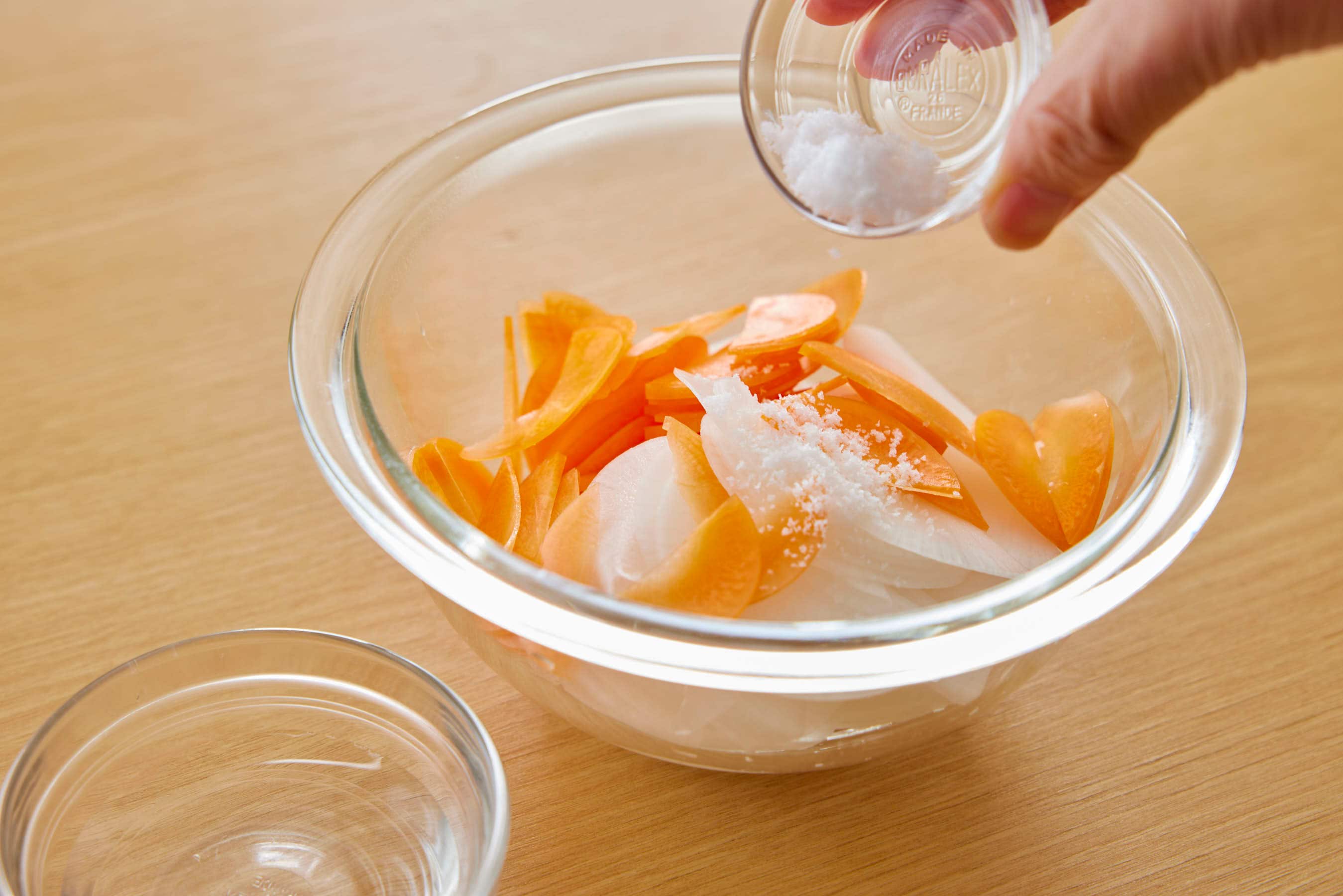
Before tossing the vegetables with sweet vinegar, they are mixed with salt and water and left to sit for a short time. This technique, known as “yobimizu” (“calling water” / 呼び水), helps draw out moisture from the vegetables. Removing excess water makes it easier for the sweet vinegar to soak in and also adds just the right amount of saltiness.
Ingredients (Servings: 2)
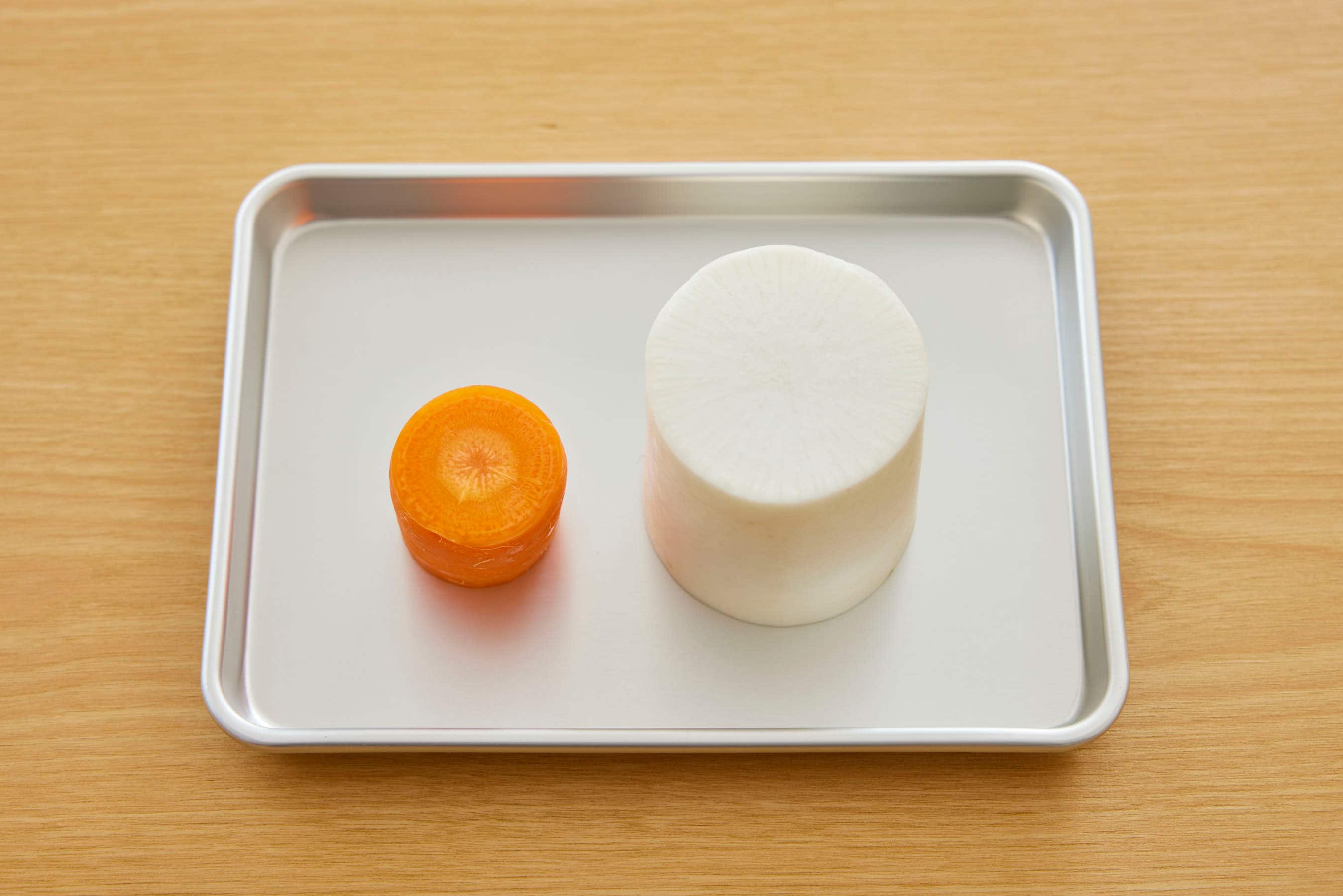
daikon radish - 200g (7 oz.)
carrot - 60g (2 oz.)
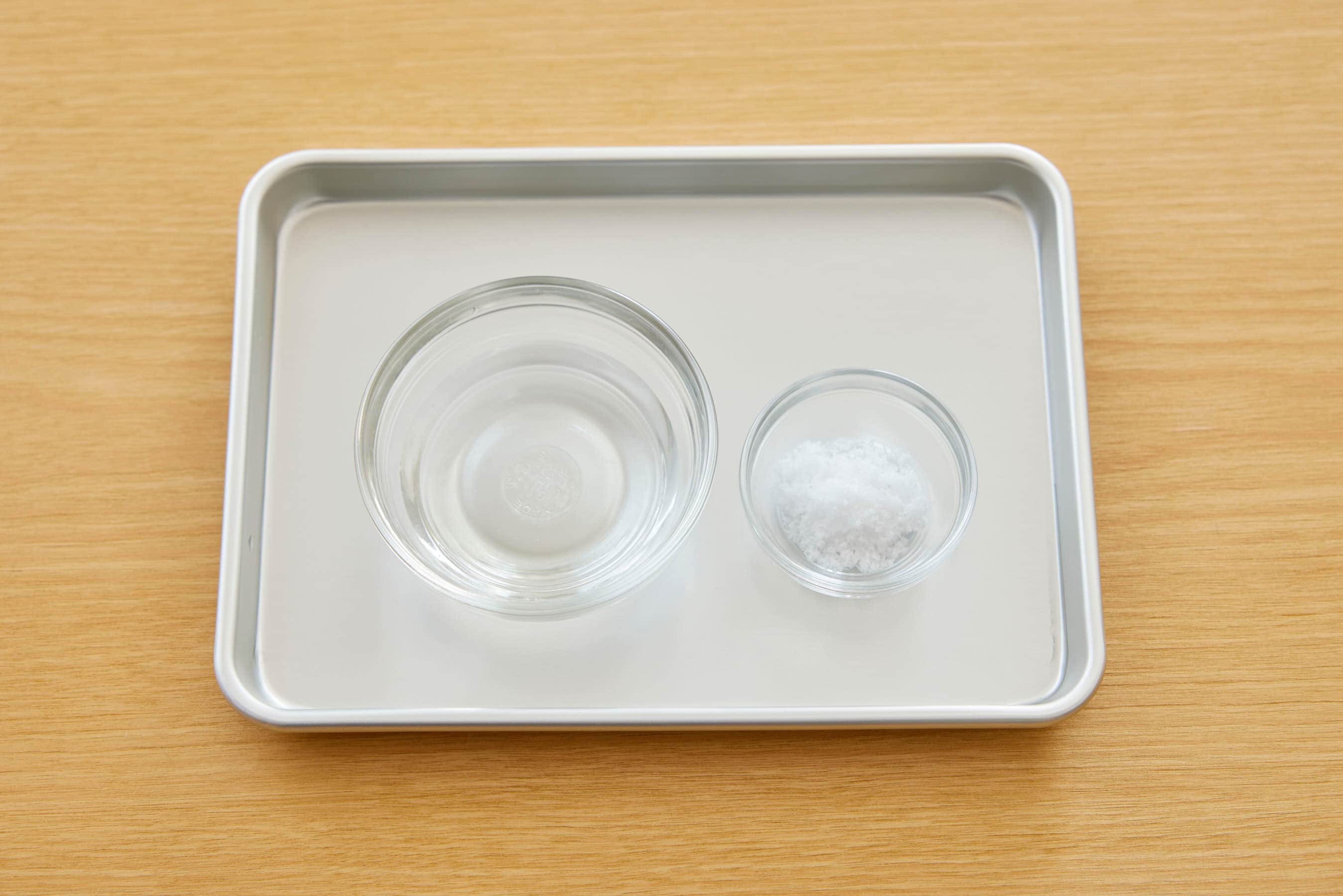
salt - 1/2 tsp
water - 2 Tbsp
“Amazu” / Sweet Vinegar
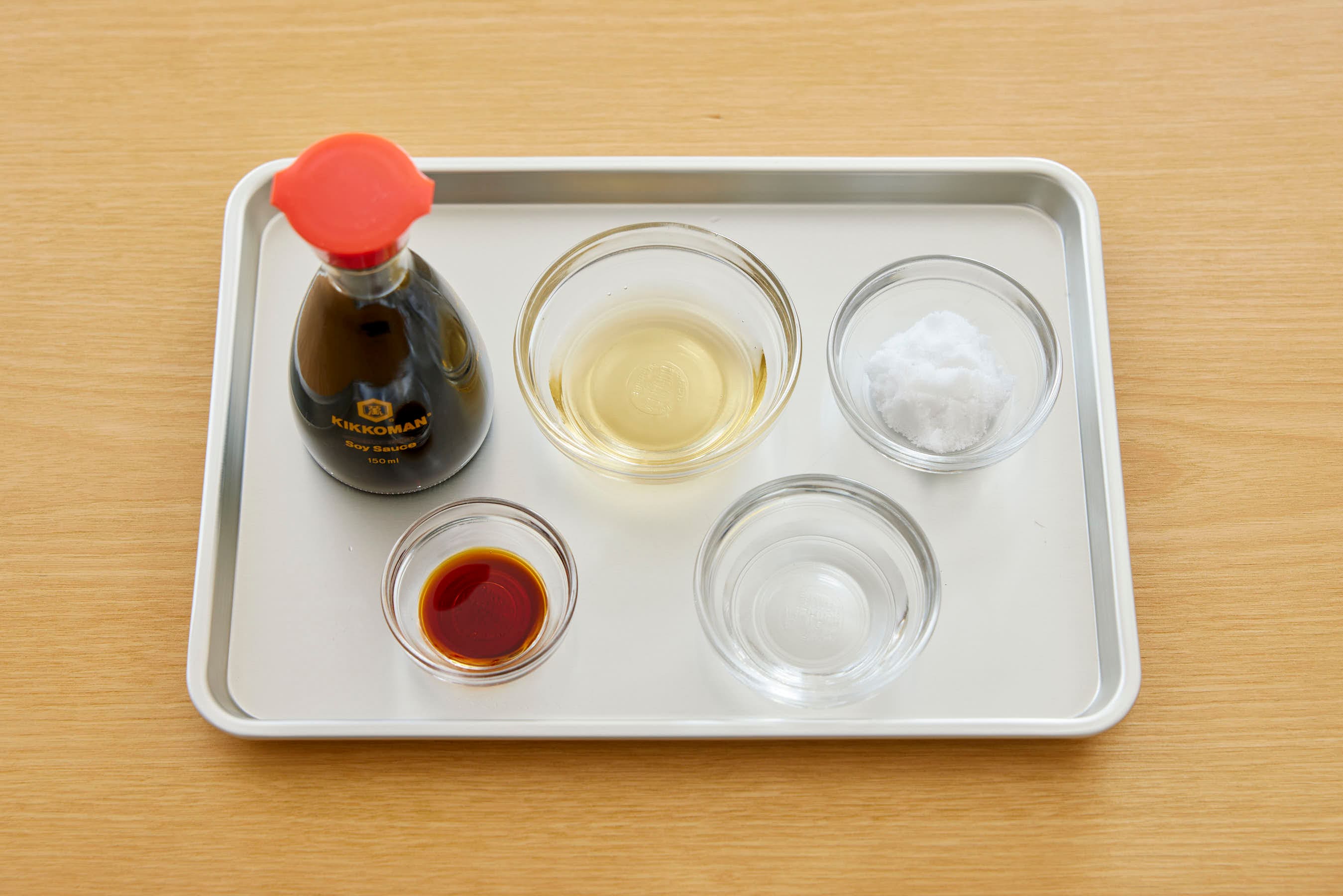
vinegar - 2 Tbsp
water - 1 Tbsp
sugar - 1/2 Tbsp
Kikkoman Soy Sauce - 1/2 tsp
Calories and Cooking Time

* Nutrition facts are for one serving.
* Nutrition and sodium values are for consumption of 70% of the sweet vinegar dressing.
How to Prepare the Ingredients
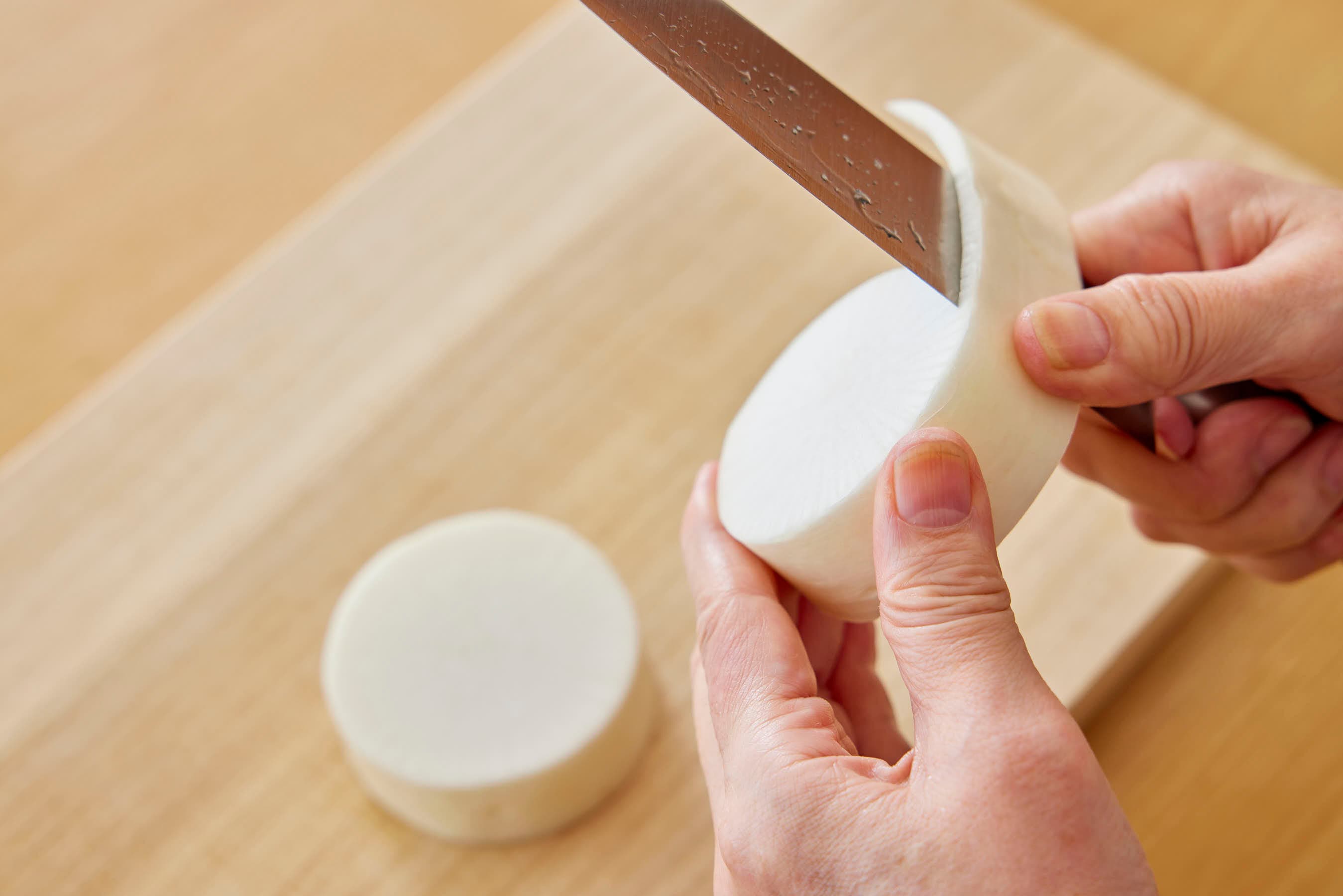
- 1Cut the daikon in half crosswise and peel away a thick layer of the skin.
- TipsDaikon skin can be tough and fibrous, so removing a thick layer makes for a better texture. If you look at the cut surface, you’ll notice a ring of tough fibers around the outer edge—peeling along this ring will give you a cleaner result.
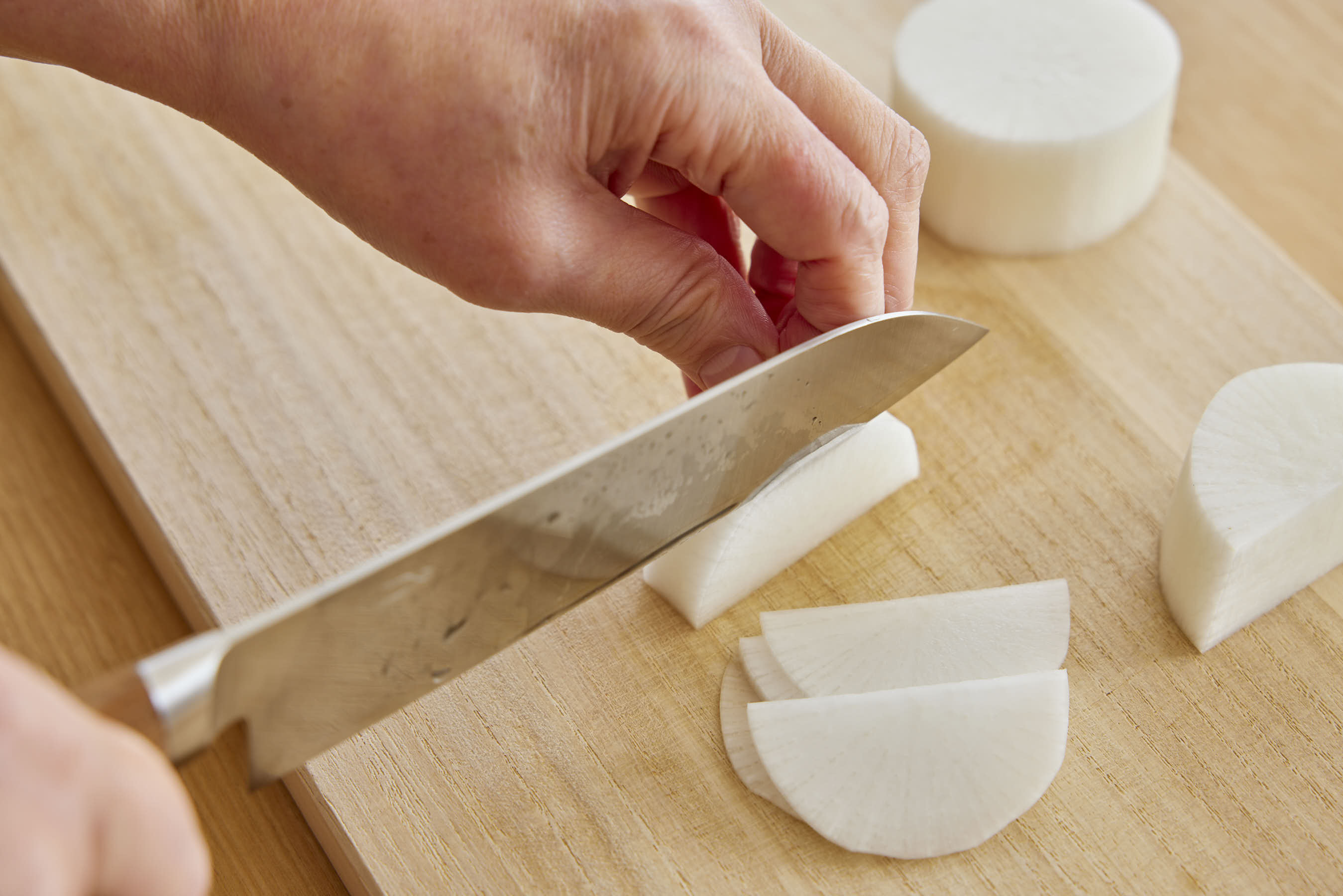
- 2Cut the daikon in half lengthwise, then slice thinly into half-moons from the end. Peel the carrot and slice it into thin half-moons in the same way.
- 3Place the sliced daikon and carrot in a bowl, add the salt and measured water, and mix briefly. Let sit for about 10 minutes.
Watch video for preparing the ingredients
How to Dress with Sweet Vinegar Dressing
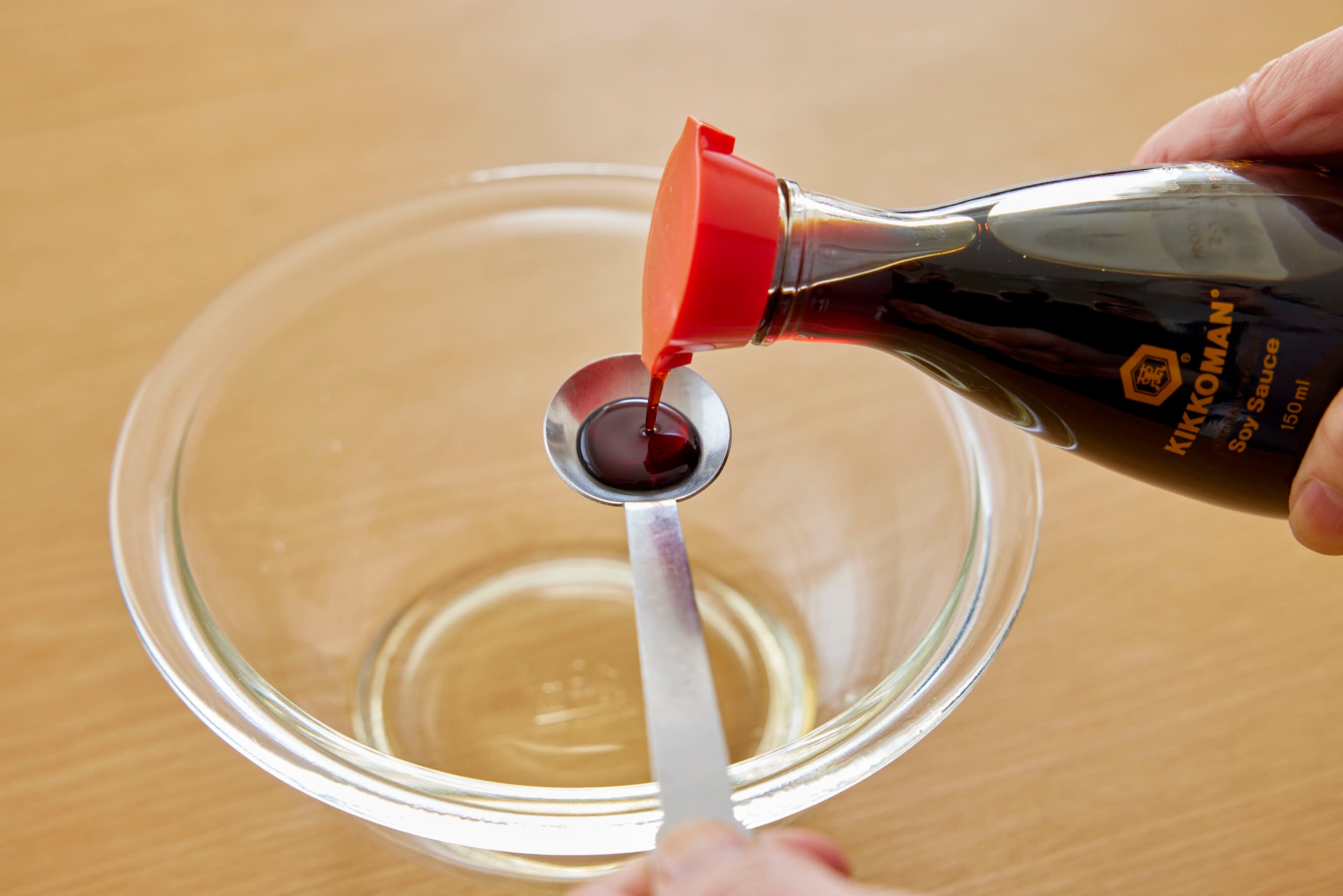
- 1In a separate bowl, combine the vinegar, water, and sugar. Stir well to fully dissolve the sugar, then add the Kikkoman Soy Sauce to make the sweet vinegar dressing.
- TipsIf the sugar isn’t fully dissolved, the flavor may become uneven, so be sure to dissolve it completely before adding the soy sauce.
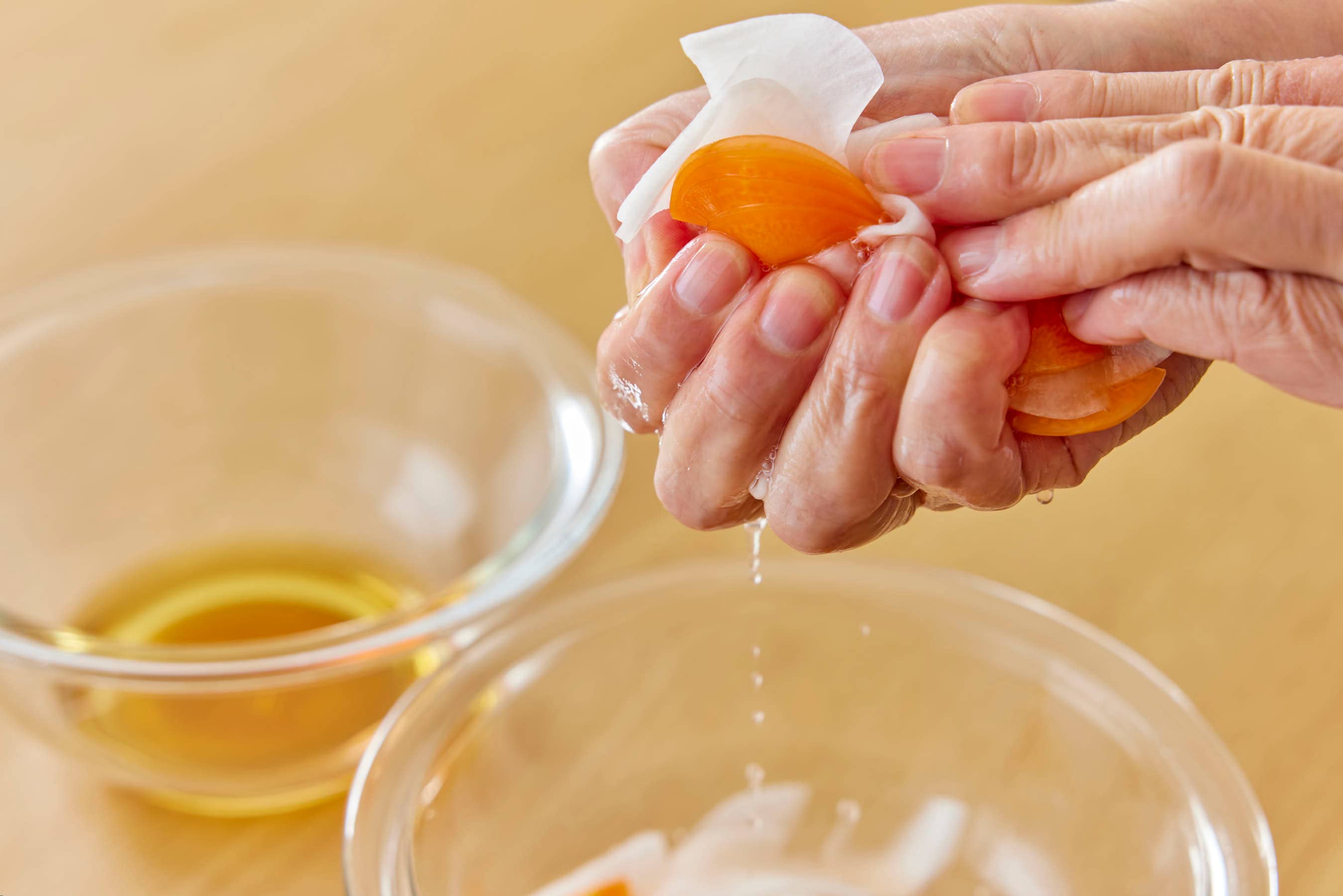
- 2Squeeze the daikon and carrot thoroughly to remove excess water, then add them to the bowl with the sweet vinegar dressing.
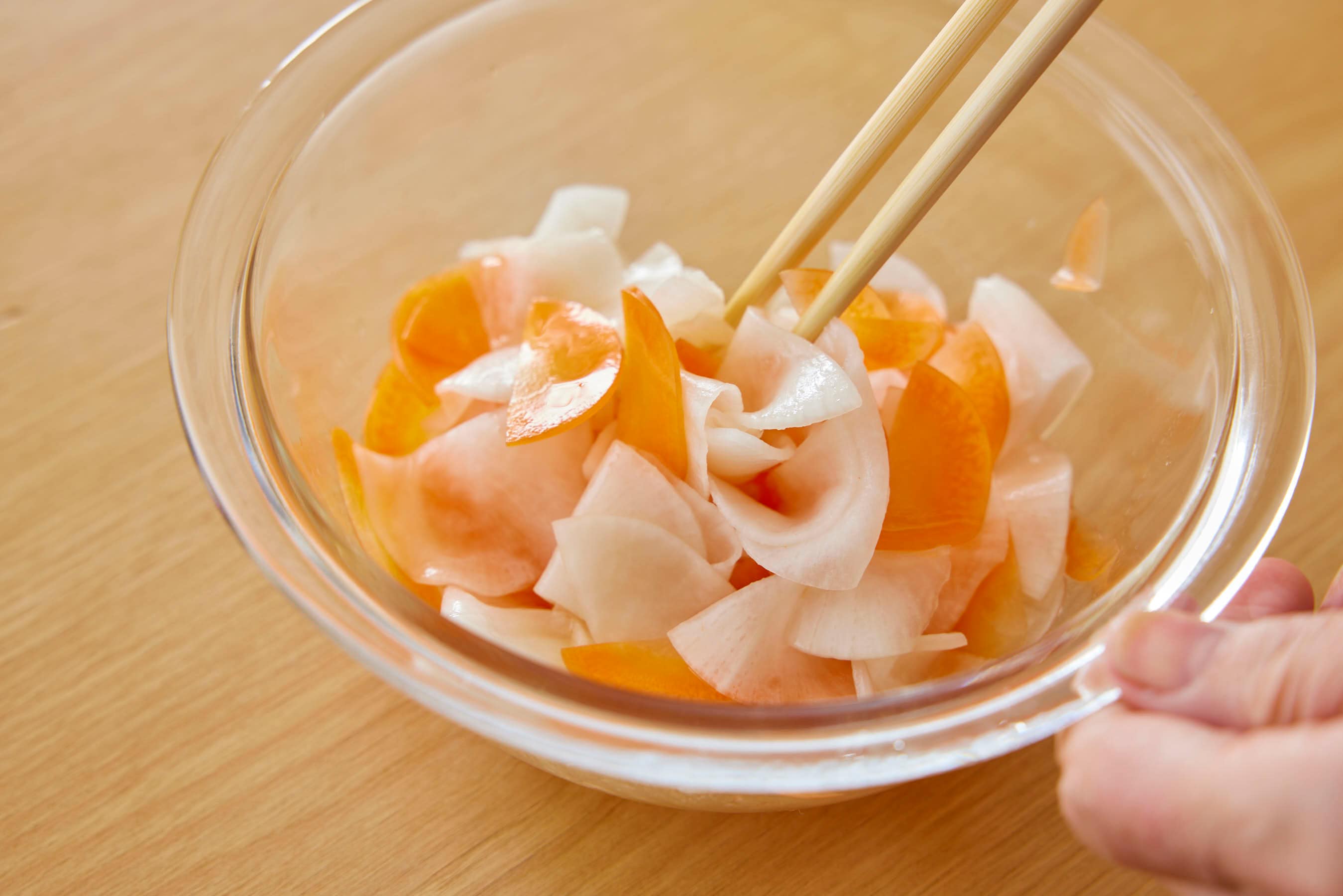
- 3Mix everything well and let it sit for about 5 minutes to allow the flavors to blend.
- TipsIt’s delicious even when eaten immediately after mixing, but letting it sit briefly allows the flavors to meld for an even more satisfying taste.
Watch video for dressing with sweet vinegar dressing
More Ways to Enjoy Daikon and Carrot Salad with Sweet Vinegar Dressing
Braised Chicken Drumettes with Sweet Vinegar Dressing
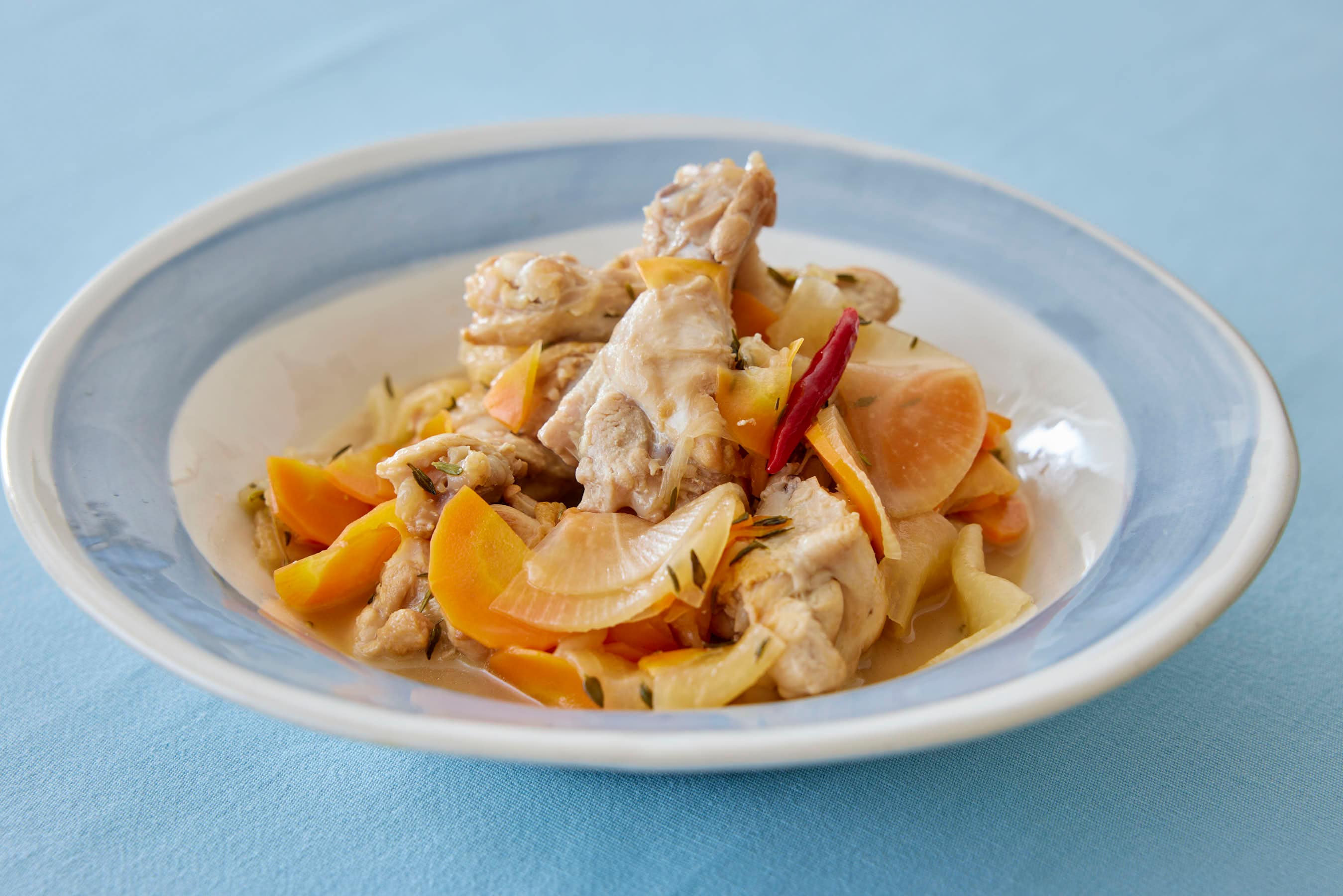
This dish uses “Daikon and Carrot Salad with Sweet Vinegar Dressing” as a seasoning base to create a sweet and tangy braised chicken. The drumettes are first seared until golden, and a touch of Kikkoman Soy Sauce is added to enhance their fragrant, savory flavor. The refreshing aroma of thyme adds a final accent, resulting in a richly flavorful dish.
Tuna and Avocado Salad over Sweet Vinegar Vegetables
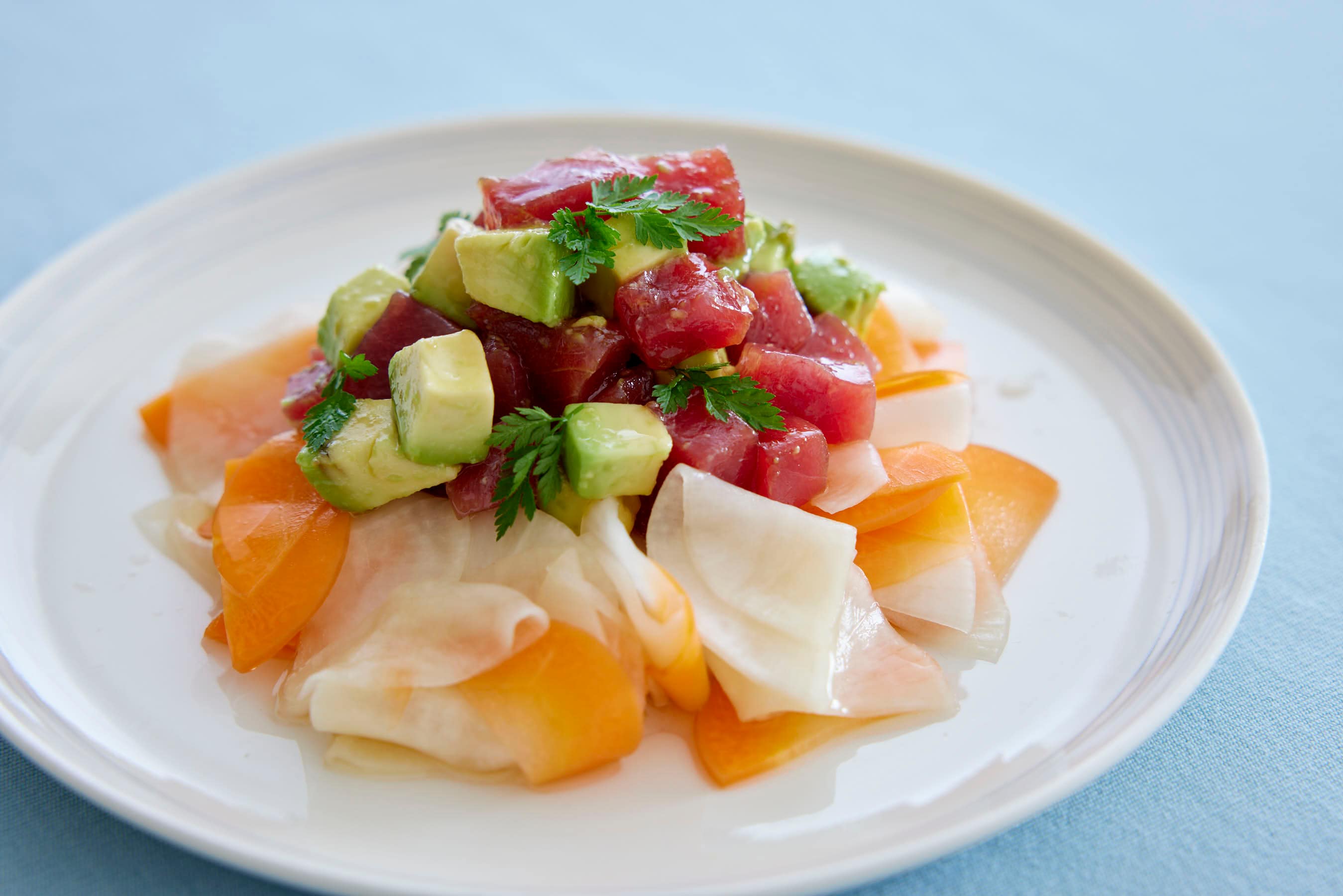
Tuna and avocado are marinated in olive oil and Kikkoman Soy Sauce, then served on top of “Daikon and Carrot Salad with Sweet Vinegar Dressing”. The sweet and tangy flavor adds a vibrant accent, making this dish both visually appealing and delicious—perfect for party menus. Mix everything together before eating for the best flavor.
FAQ
What vegetables go well with amazu / sweet vinegar?
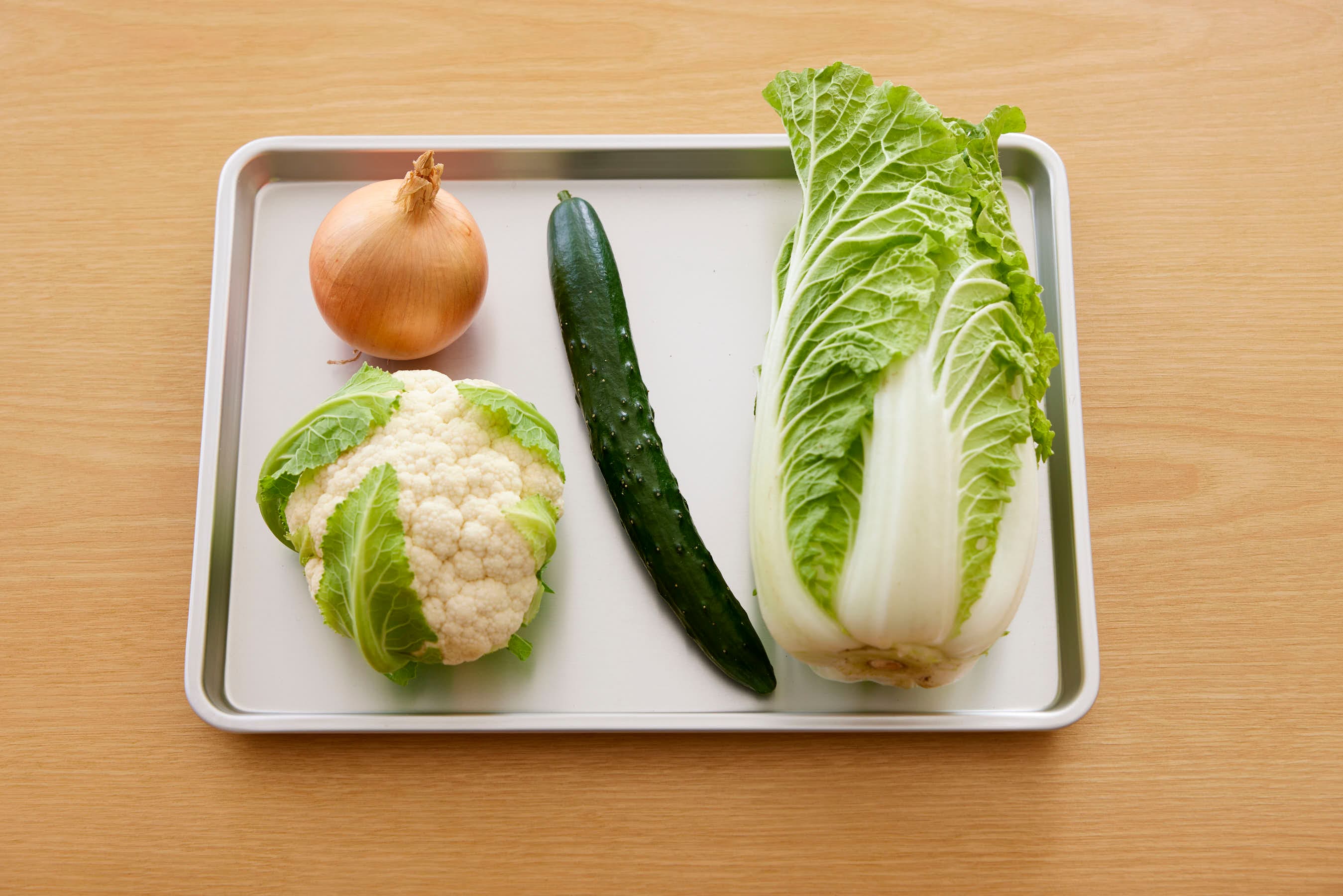
Any vegetables that can be eaten raw are fine; just choose what you like! Among them, cucumber, napa cabbage, cauliflower, and onion are especially recommended.
What kind of vinegar should I use?
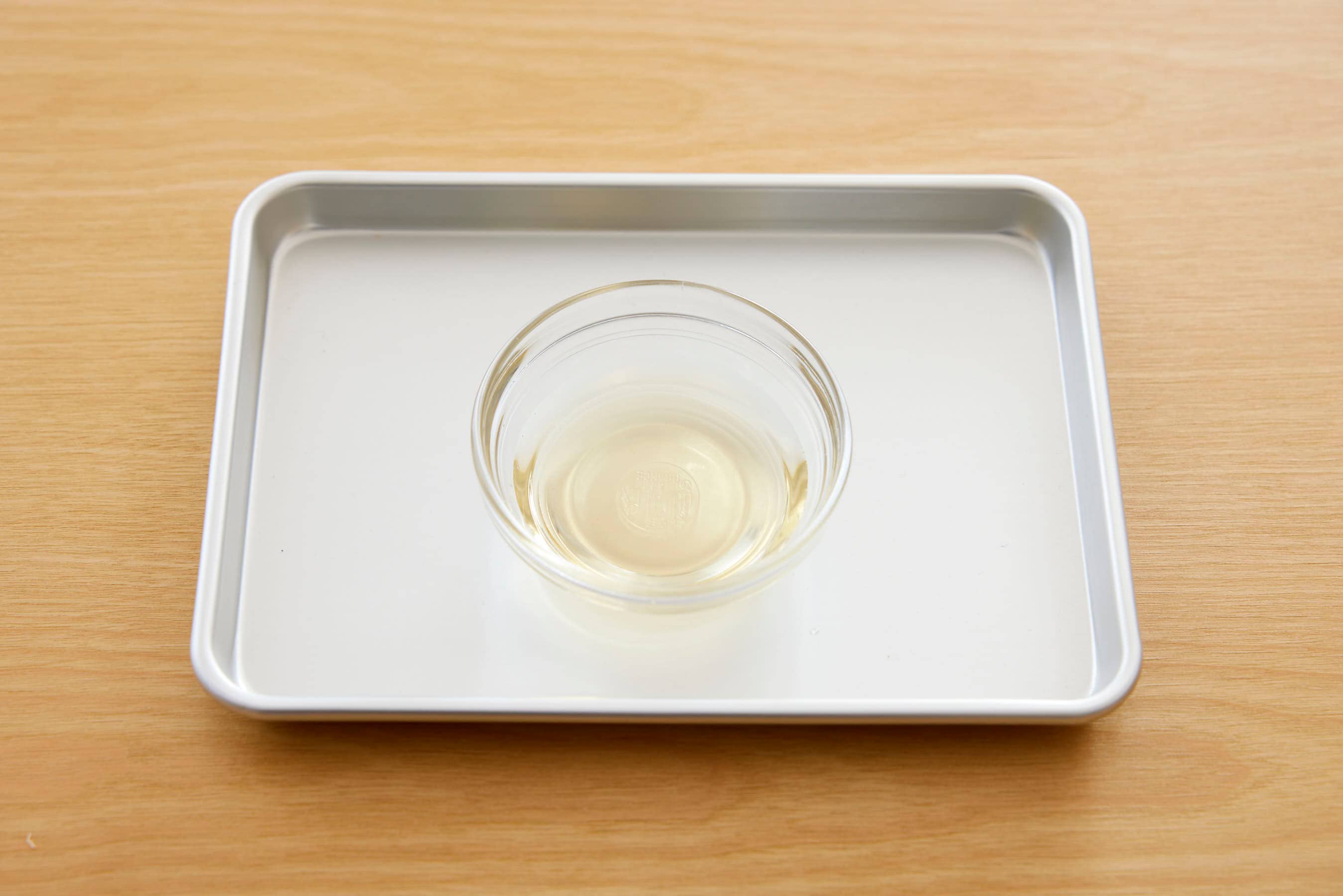
In Japan, rice vinegar or grain vinegar is mainly used, but as long as the vinegar is clear and mild in flavor, any type is fine. Clear vinegar is used to keep the natural color of the vegetables. White wine vinegar, white balsamic vinegar, or apple cider vinegar also work well. The level of acidity varies depending on the type of vinegar, so choose according to your taste. If you want a stronger acidic flavor, reduce the amount of water added to the sweet vinegar mixture.
Kikkoman Products Used in This Recipe
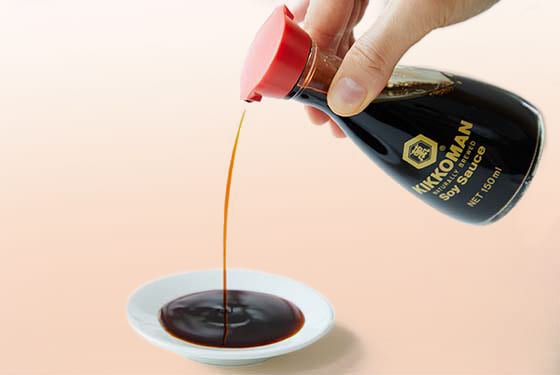
About the Recipe Author

Yuko Ihara
Having lived in England and the U.S., Yuko Ihara is well-versed in a wide range of culinary genres. As a culinary researcher, she creates dishes for magazines and books, develops corporate menus, and also engages in product development and food consulting. She introduces easy-to-follow tips on how to make delicious food at home, emphasizing the importance of seasonality and healthful eating. When travelling, she loves to search for delicious vegetables and ingredients.
Instagram: @iharayukoo
About Washoku Lesson
Washoku Lesson is special content offering detailed and easy-to-understand explanations, including tips for making classic Japanese dishes as well as the many ways of enjoying these, and introductions to special Japanese cooking utensils and annual events.

Related Recipes
 15min
15min 59kcal
 600mg
600mg
- 20min+
- 134kcal
- 600mg
- 10min
- 80kcal
- 315mg
- 25min+
- 105kcal
- 500mg