

Tonkatsu (Japanese Pork Cutlet)
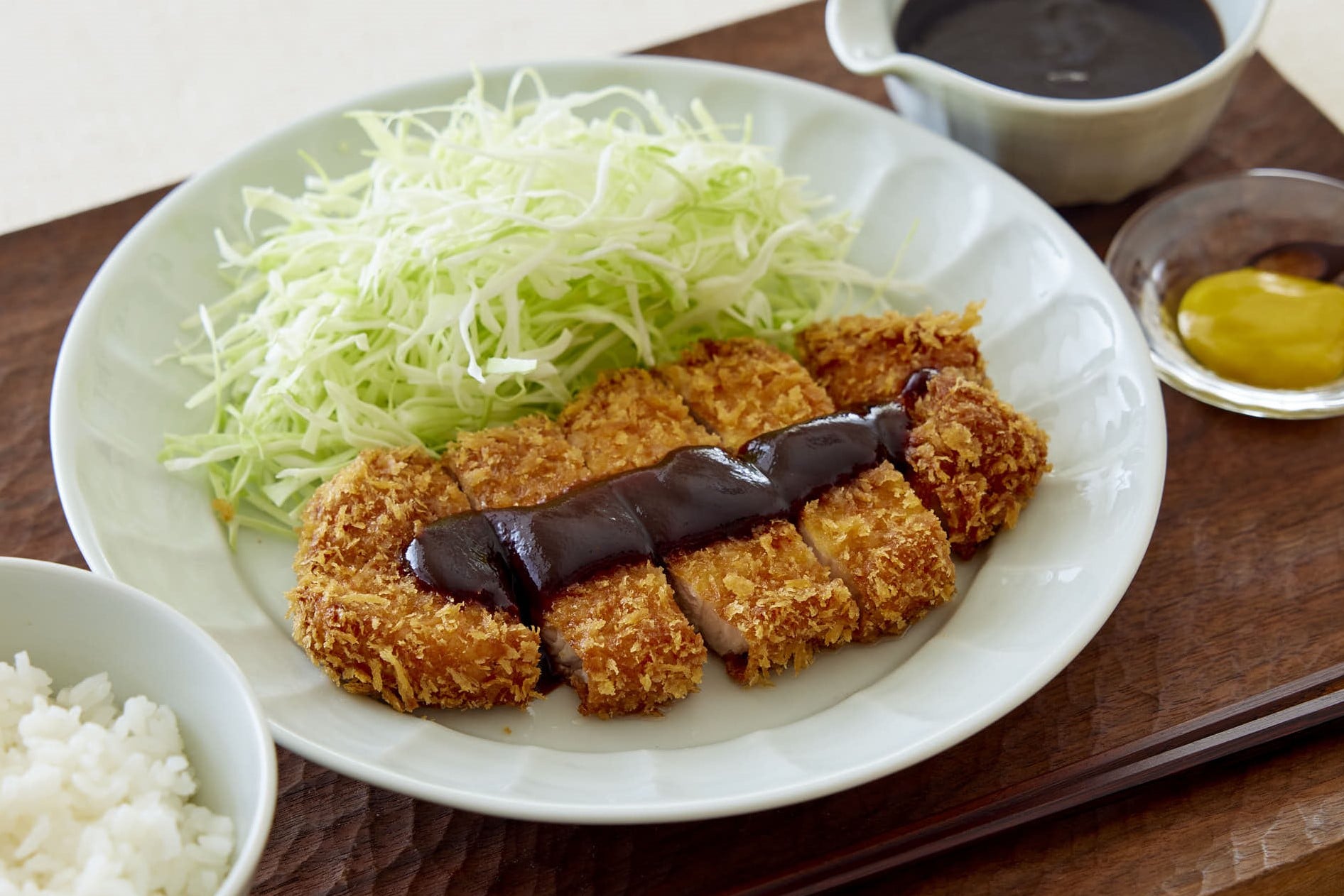
The breading is crunchy and flaky! When you take a bite, you’ll be surprised by how tender and juicy the thick pork is, allowing you to enjoy its rich flavor fully. Tonkatsu is typically served with a thick, flavorful sauce known simply as “Tonkatsu sauce”— we’ve included a simple recipe for that as well!
- by Yuko Ihara
Table of Contents
- What is Tonkatsu?
- The Secret to Delicious Flavor of Tonkatsu
- Things to Remember When Making Tonkatsu
- Ingredients for Making Tonkatsu
- Calories and Cooking Time
- How to Make Tonkatsu Sauce
- How to Prepare the Ingredients
- How to Deep-Fry Tonkatsu
- More Ways to Enjoy Tonkatsu
- FAQ
- Characteristics of Tonkatsu Sauce
- Characteristics of Panko (Breadcrumbs)
- Kikkoman Products Used in This Recipe
- About the Recipe Author
What is Tonkatsu?
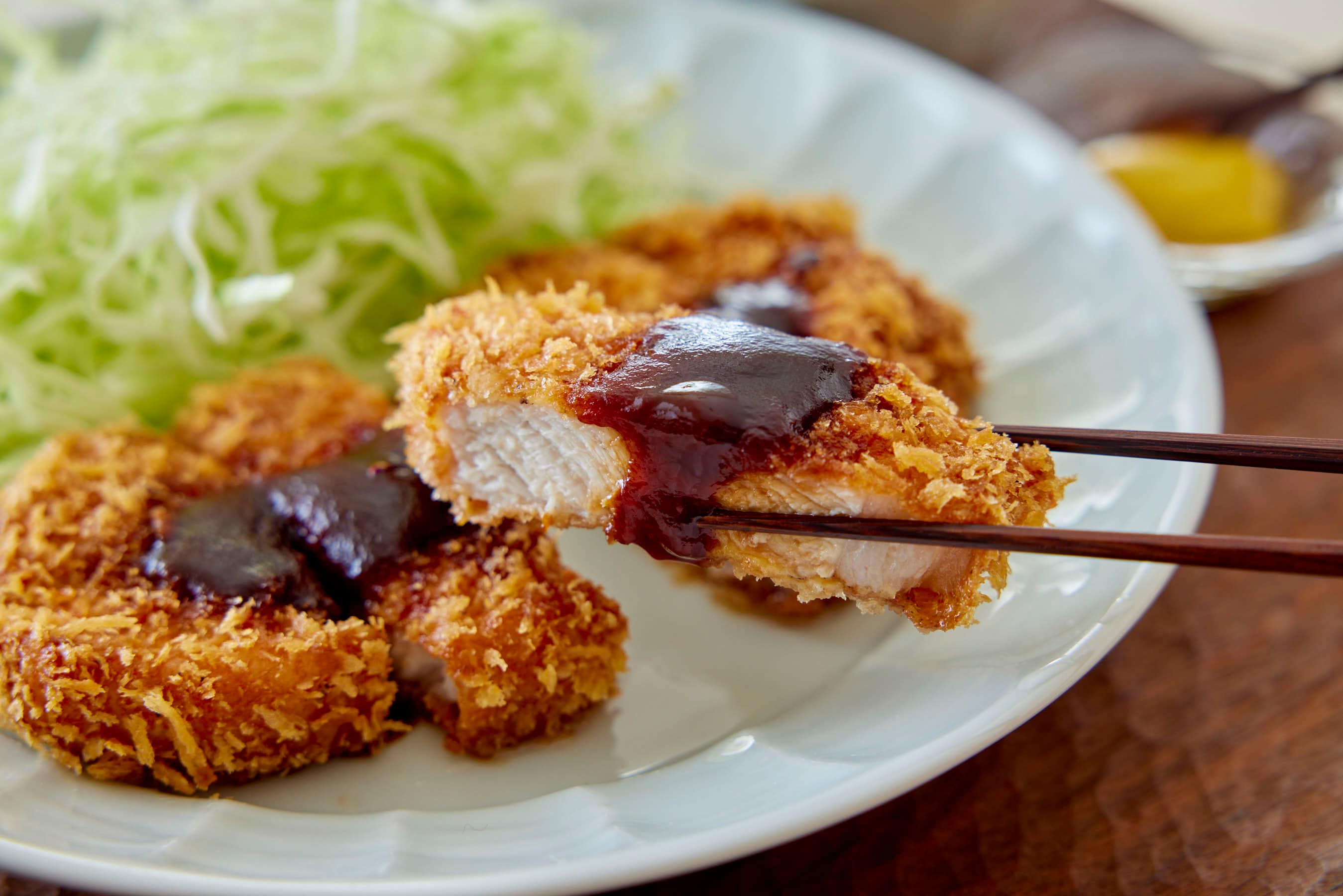
Tonkatsu is a dish made by coating thick slices of pork with flour, egg, and panko (breadcrumbs), then deep-frying them. While similar cooking methods of coating meat and frying it in oil or fat exist also in Western cuisine, method used in deep-frying with plenty of oil as done in making Tonkatsu is considered a uniquely Japanese technique. The dish is known for its satisfying texture and the panko breadcrumbs that absorb oil, becoming crispy and crunchy. Freshly fried Tonkatsu is especially delicious! It’s typically served with shredded cabbage and Tonkatsu sauce, and is usually cut into bite-size pieces before being plated.
The Secret to Delicious Flavor of Tonkatsu
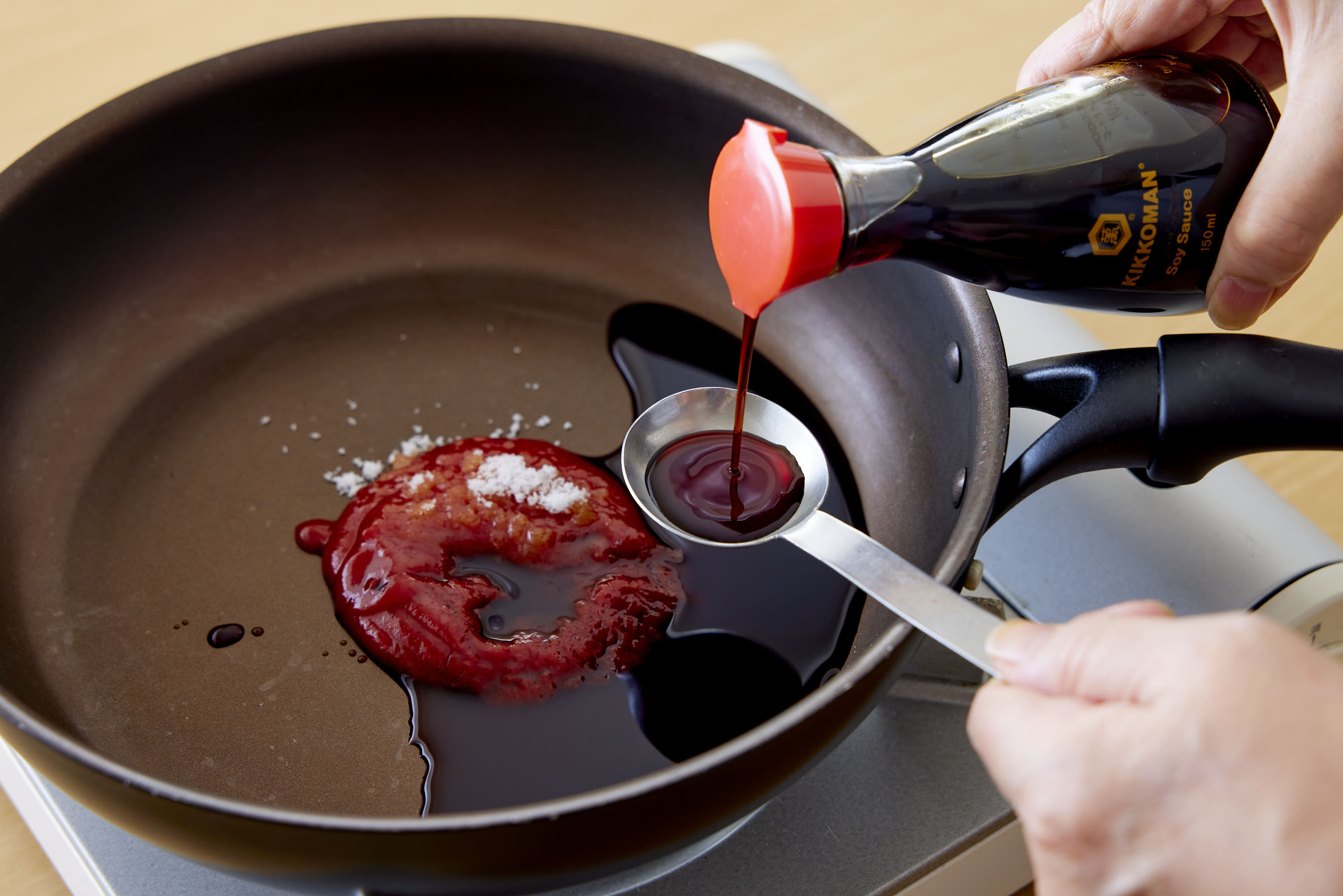
Tonkatsu sauce has a thick, smooth consistency that helps it cling well to the crispy panko coating and pairs perfectly with the shredded cabbage garnish.
While store-bought versions are widely available, this sauce can also be made at home using soy sauce. The rich umami and depth of flavor that soy sauce provides serve as a key hidden element in the sauce.
Things to Remember When Making Tonkatsu
Add water to the beaten egg
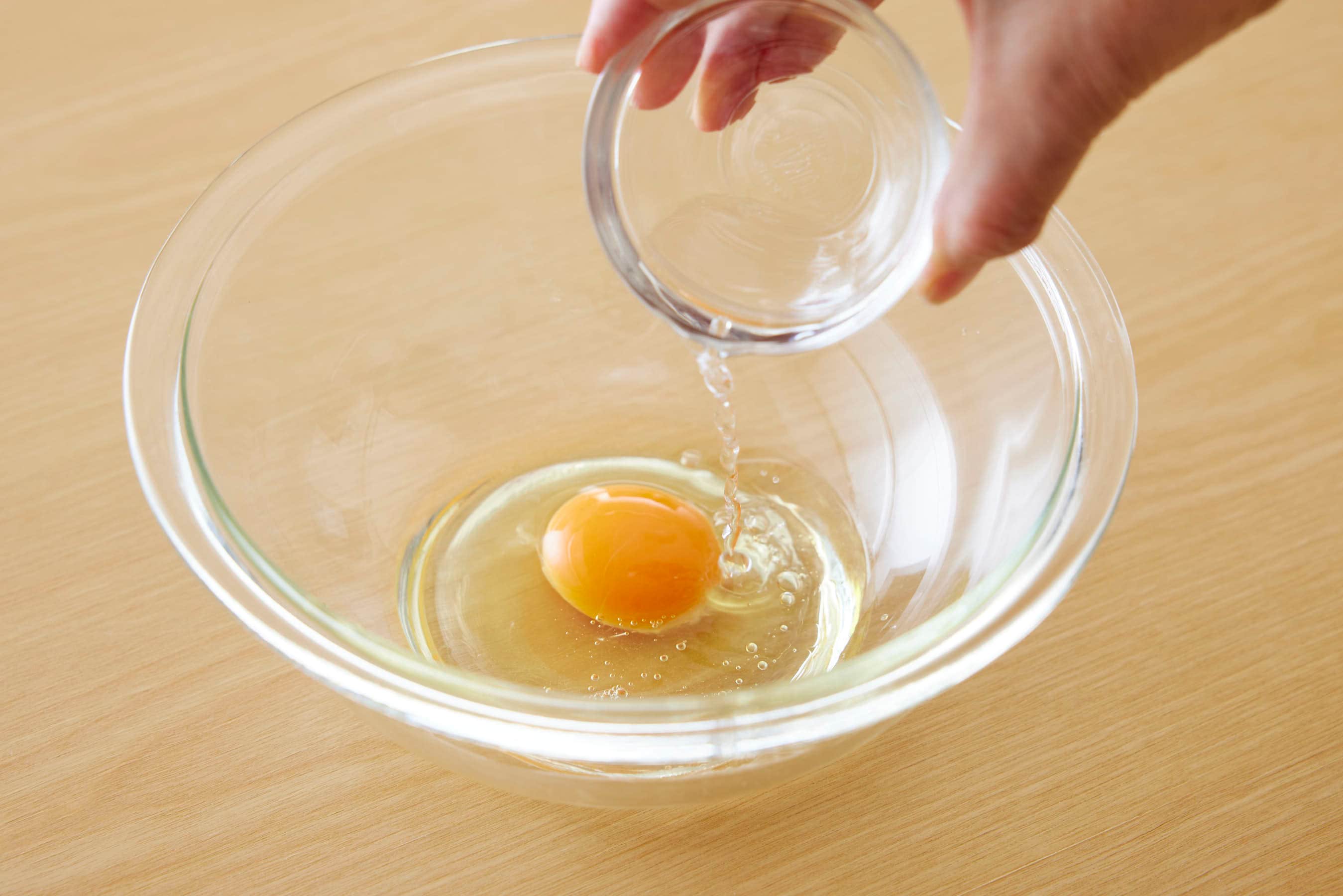
When you add water to the beaten egg, the mixture becomes smoother and blends more easily with the flour coating on the meat. This allows the egg to coat the pork more evenly, helping the panko stick better and preventing the coating from falling off during frying.
Cut the connective tissue and pound the meat to tenderize it
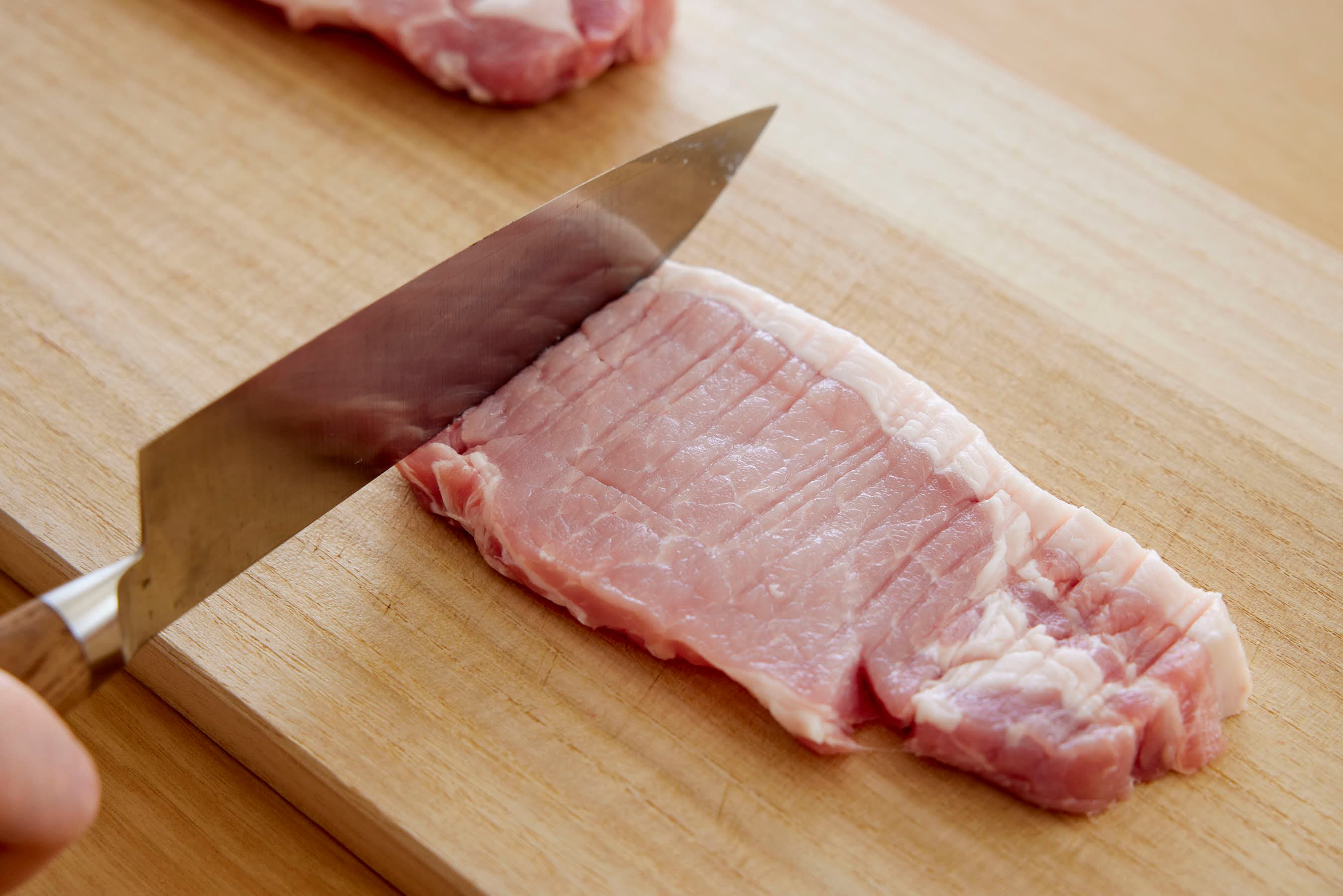
Making small cuts in the connective tissue of the pork helps prevent it from shrinking during frying. Additionally, pounding the entire surface with the back of a knife softens the meat, making it easier to bite through with a crisp finish. Since pounding spreads the meat slightly, be sure to reshape it by hand at the end to return it to its original size and thickness.
Ingredients (servings: 2):
Main Ingredients
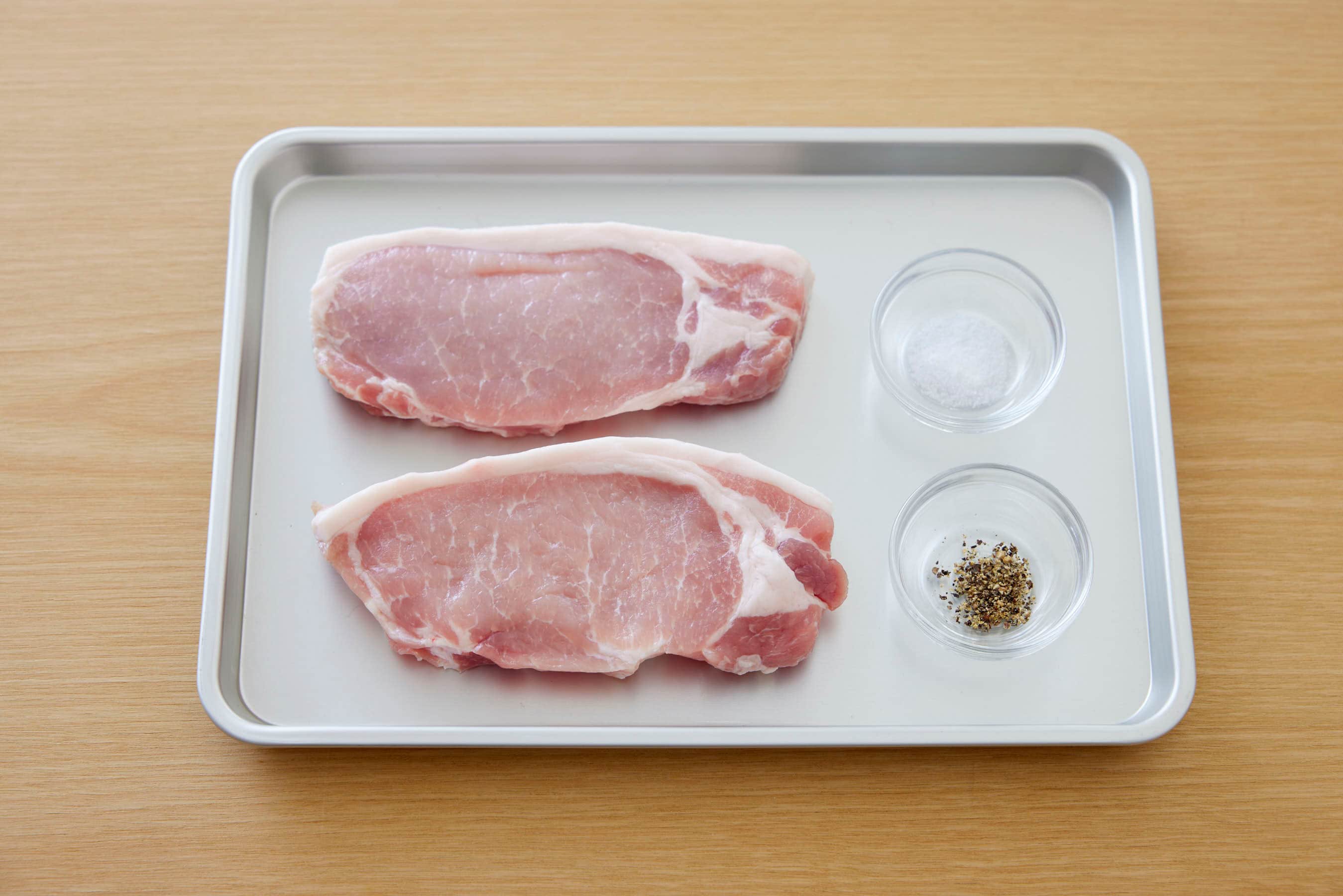
Pork loin (thick cut, 2 cm) - 2 pieces (300g/10.6 oz.)
Salt - a pinch
Black pepper - a pinch
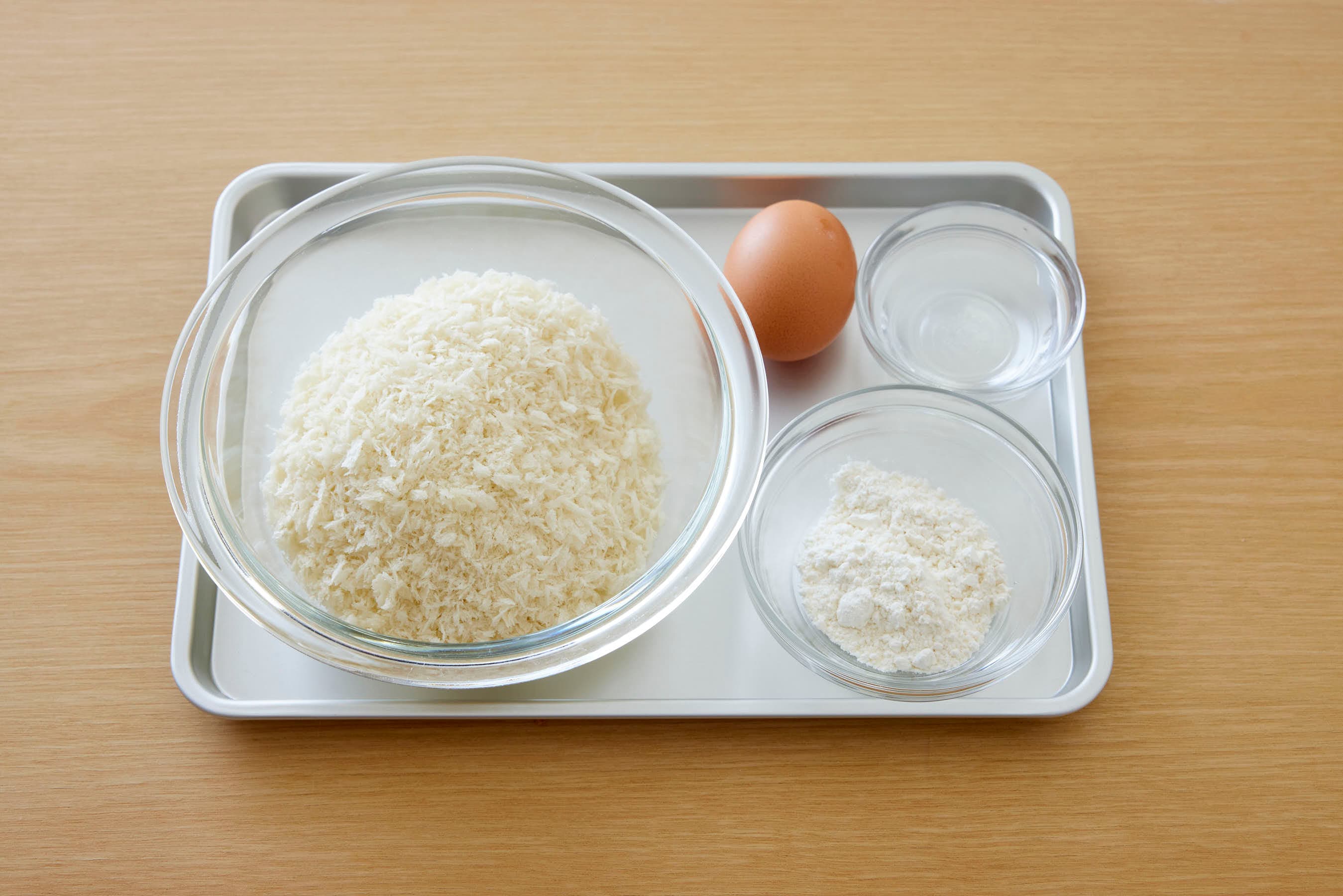
Egg - 1
Water - 1 Tbsp
Flour - as needed
Panko (breadcrumbs) - as needed
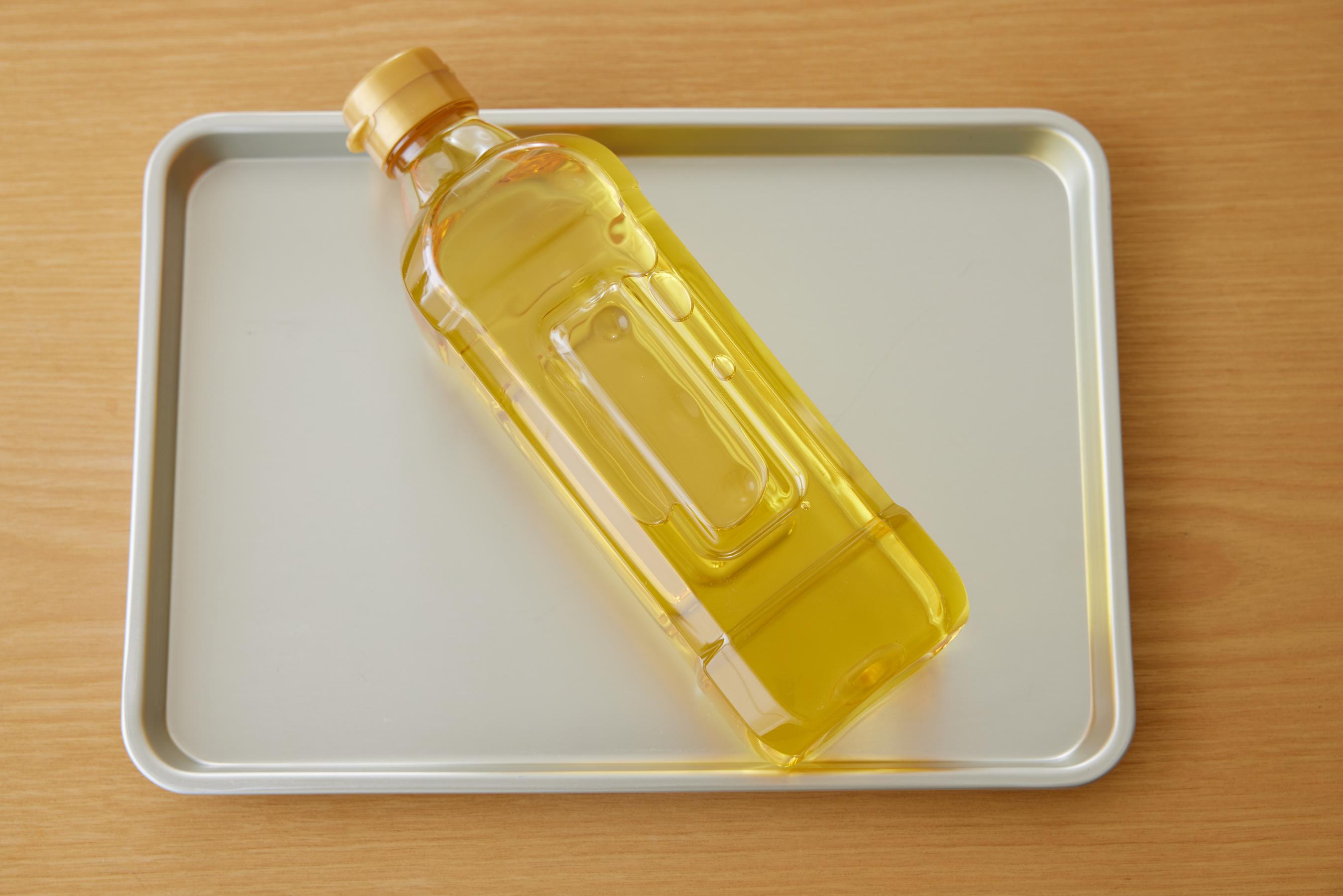
Oil (for deep frying) - as needed
Tonkatsu Sauce
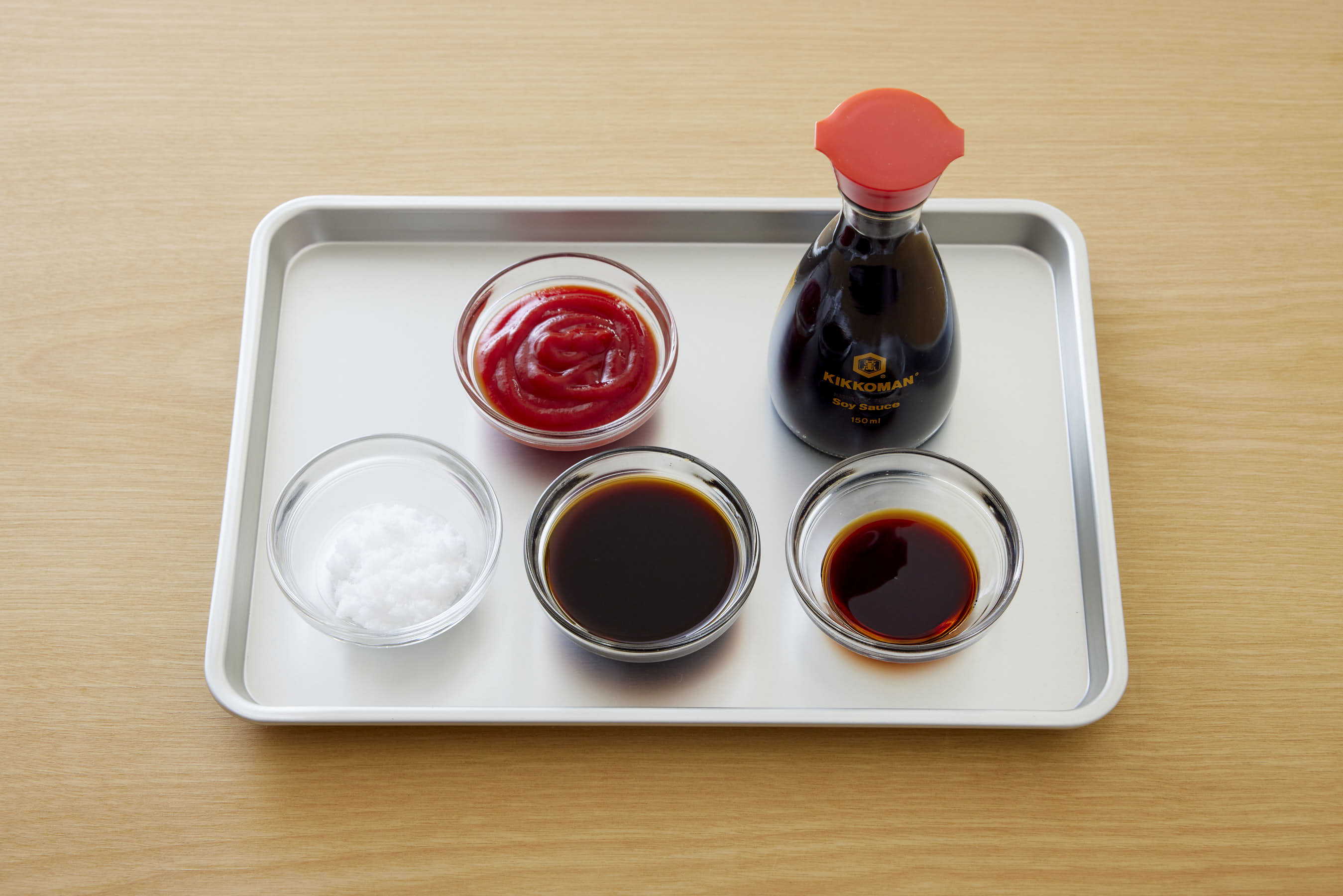
Kikkoman Soy Sauce - 1/2 Tbsp
Tomato ketchup - 3 Tbsp
Worcestershire sauce - 2 Tbsp
Sugar - 2 tsp
Garnishes
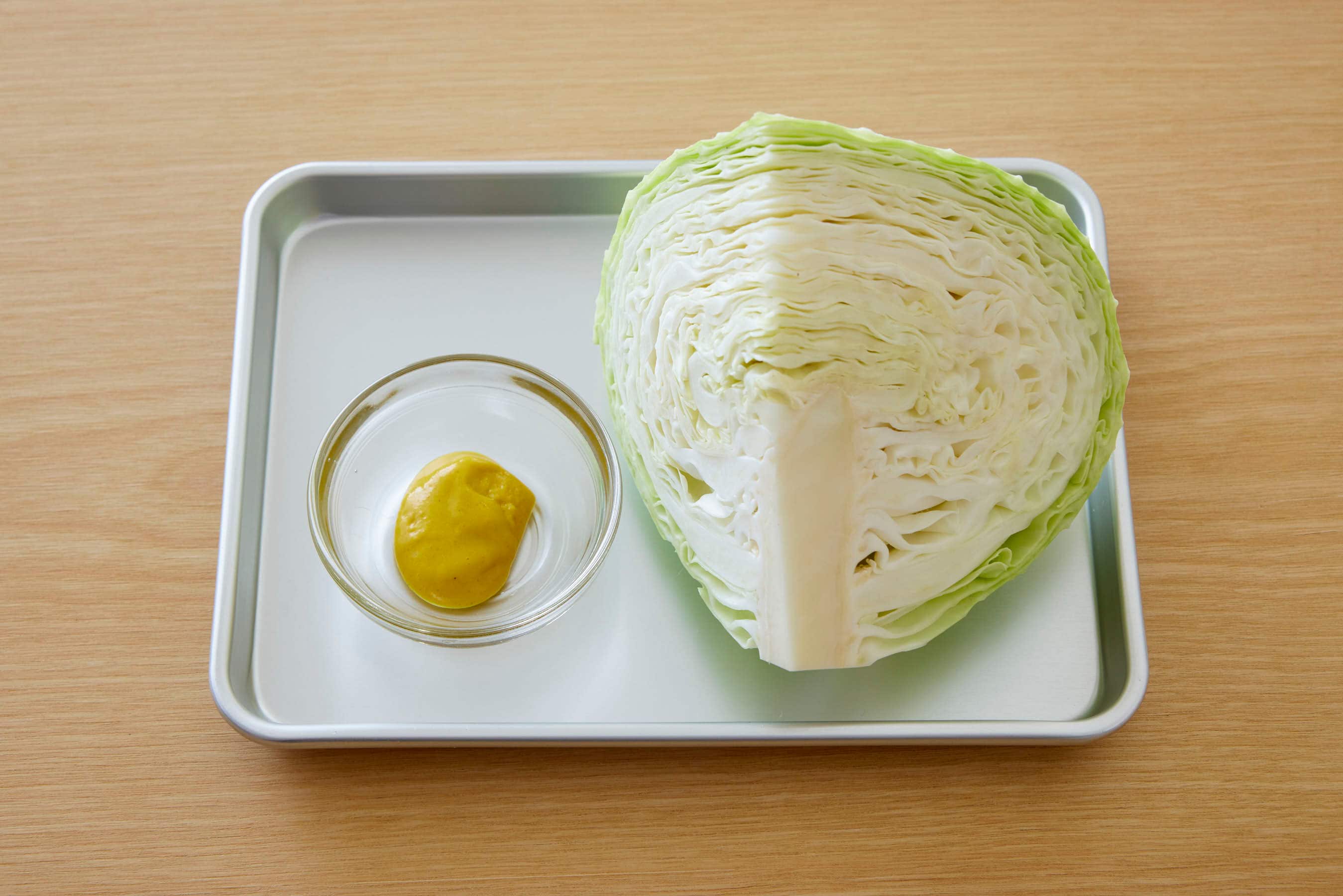
Cabbage (shredded) - 1/4 head (250g/8.8oz.)
Mustard – to taste
Calories and Cooking Time

* Nutrition facts are for one serving.
How to Make Tonkatsu Sauce
- 1Pour all the Tonkatsu sauce ingredients into a fry pan and heat on medium.
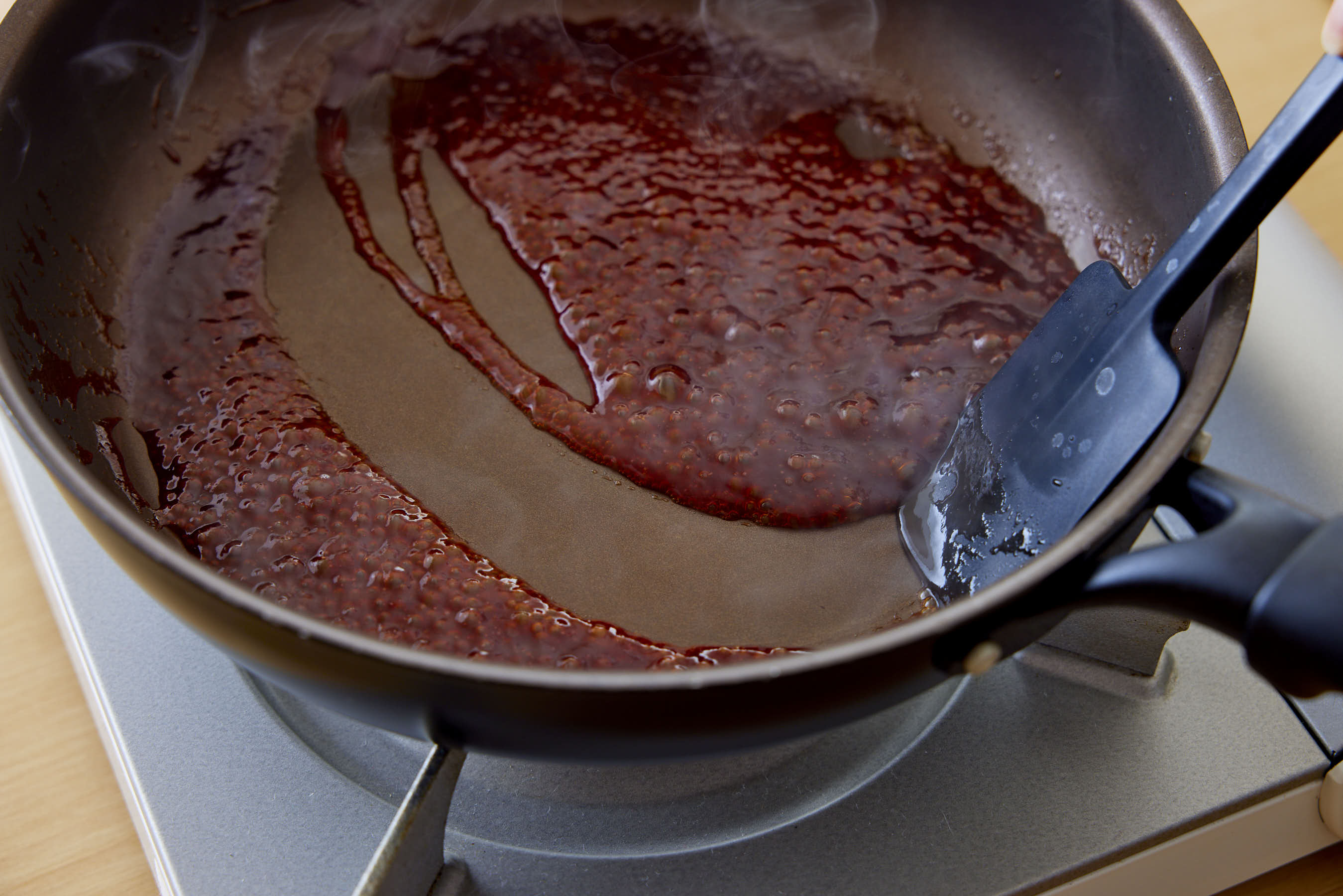
- 2Simmer while stirring with a spatula. Once it starts to bubble gently, turn off the heat.
- TipsYou’ll know it’s ready when small bubbles appear throughout. The sauce will have a thick, glossy consistency.
Watch video for making Tonkatsu sauce
How to Prepare the Ingredients
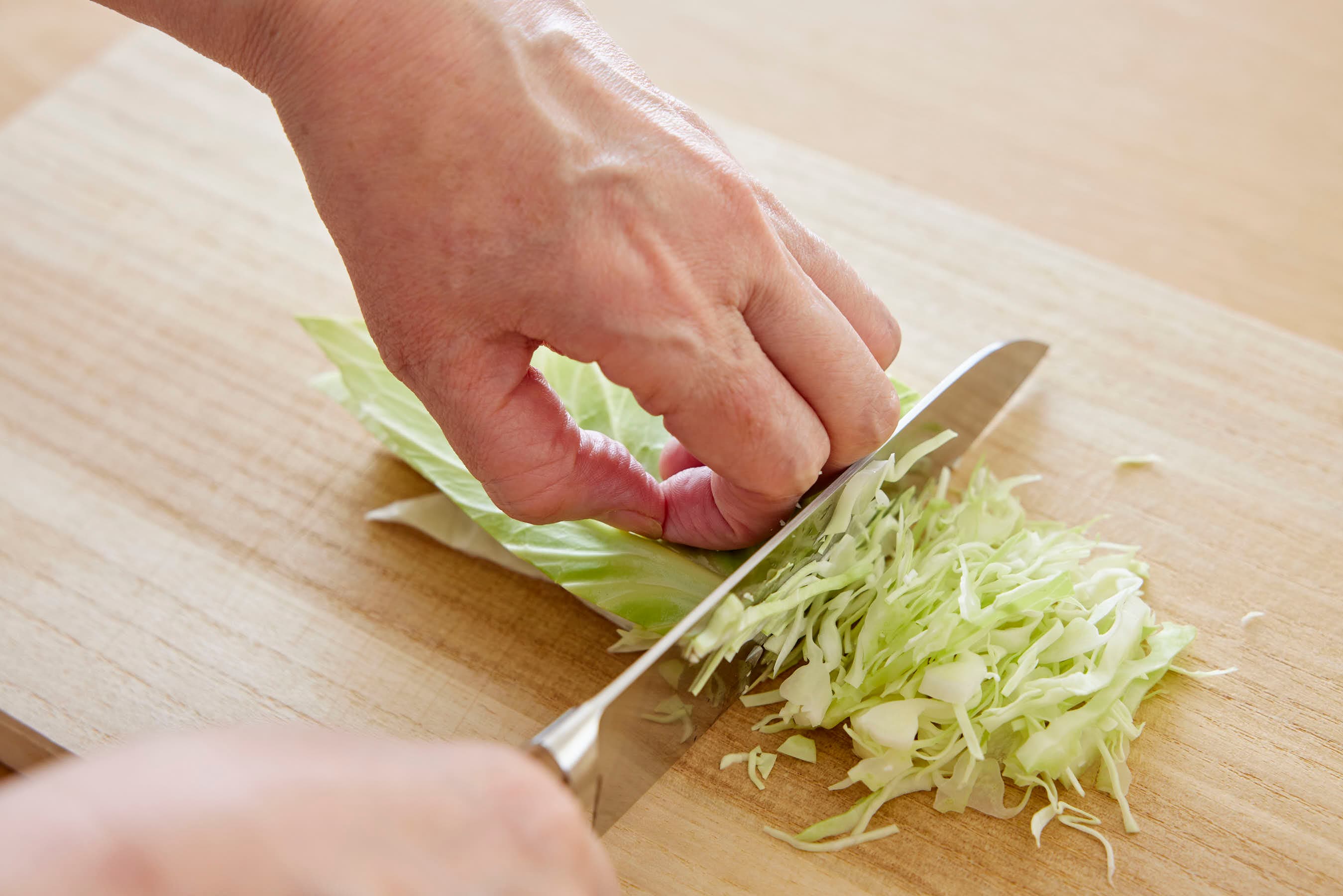
- 1Stack the cabbage leaves and slice them into the thinnest possible shreds starting from the edge.
- TipsLarge cabbage leaves can be hard to cut, so divide them into two batches and press the stacked leaves firmly against the cutting board as you slice.
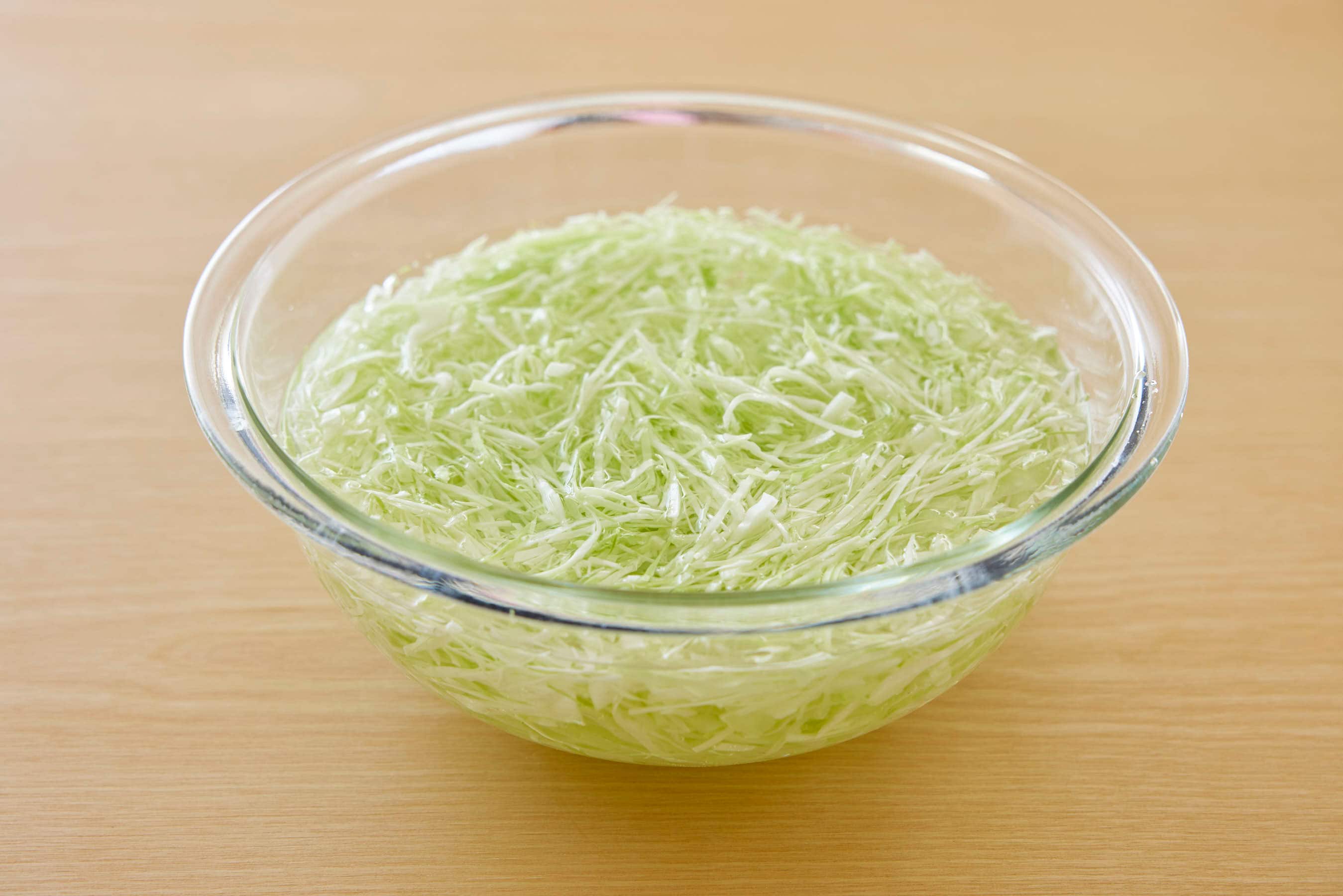
- 2Soak the cabbage in water. Once it becomes crisp, drain in a colander and remove excess water thoroughly.
- TipsSoaking in water allows the cabbage to absorb moisture and become firmer. This step improves the texture before serving.
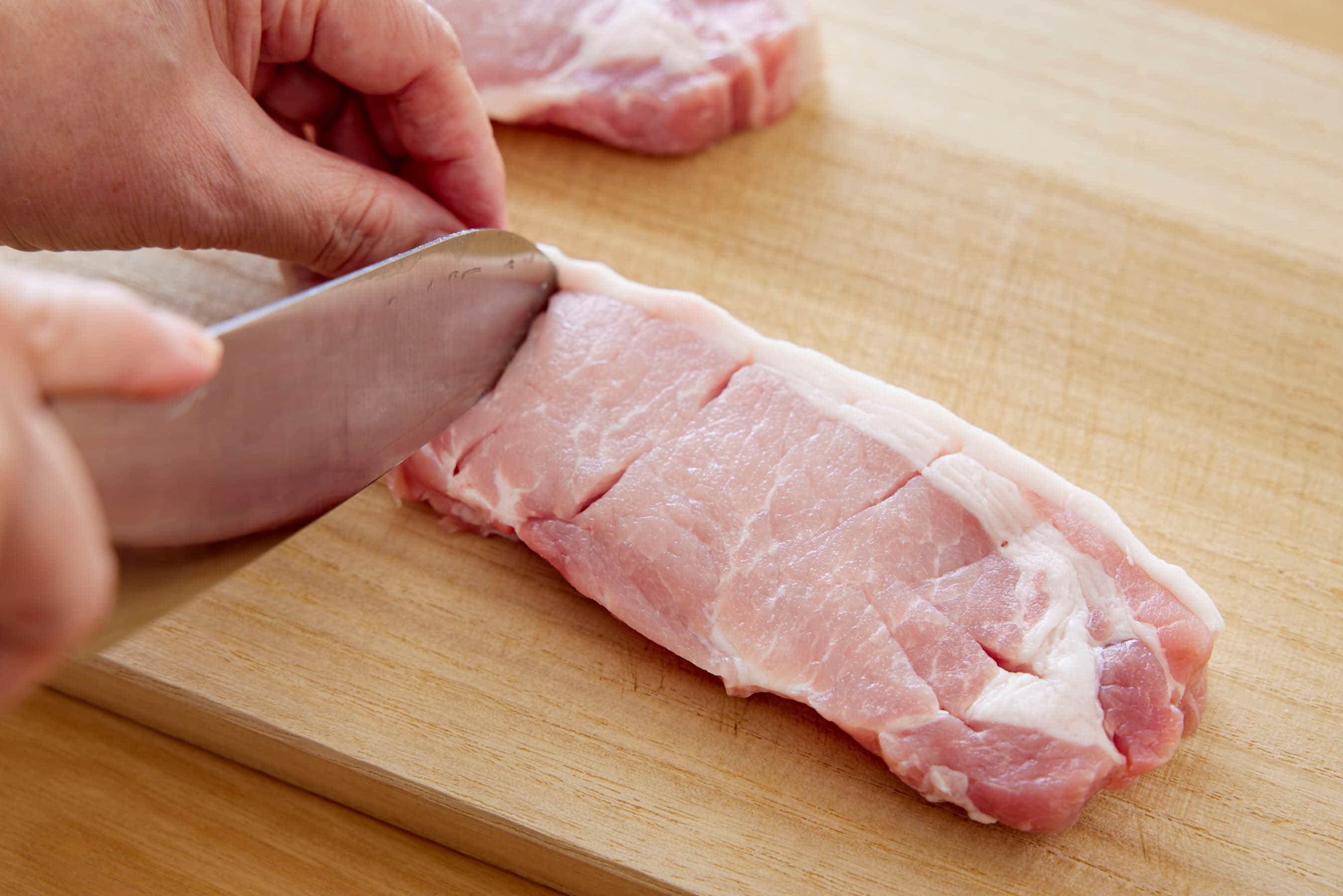
- 3Make small cuts in the pork and score the connective tissue. Do the same on the other side.
- TipsYou don’t need too many cuts; just be sure to cut through the section separating the red meat and the white fat. This will help prevent shrinkage during frying.
- 4Pound the entire surface of the pork with the back of a knife (the non-cutting edge). Do the same on the other side of the pork, then sprinkle with salt and pepper.
- TipsEvenly pounding the surface will help tenderize the meat uniformly.
Watch video for preparing the ingredients
How to Deep-Fry Tonkatsu
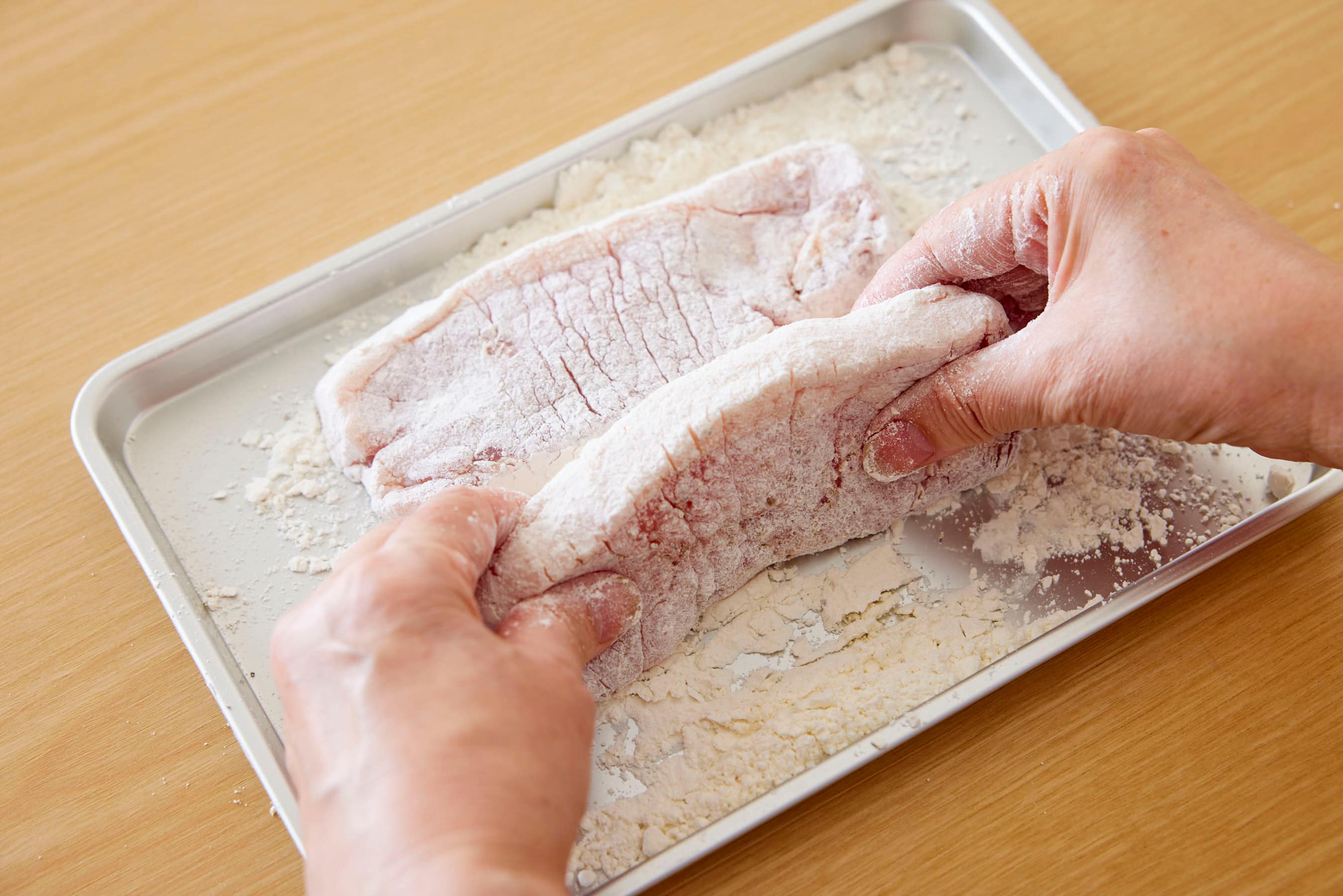
- 1Coat the entire surface of the pork with flour, then shake off any excess.
- TipsMake sure to coat the sides as well—stand the pork upright during coating to help the flour stick evenly.
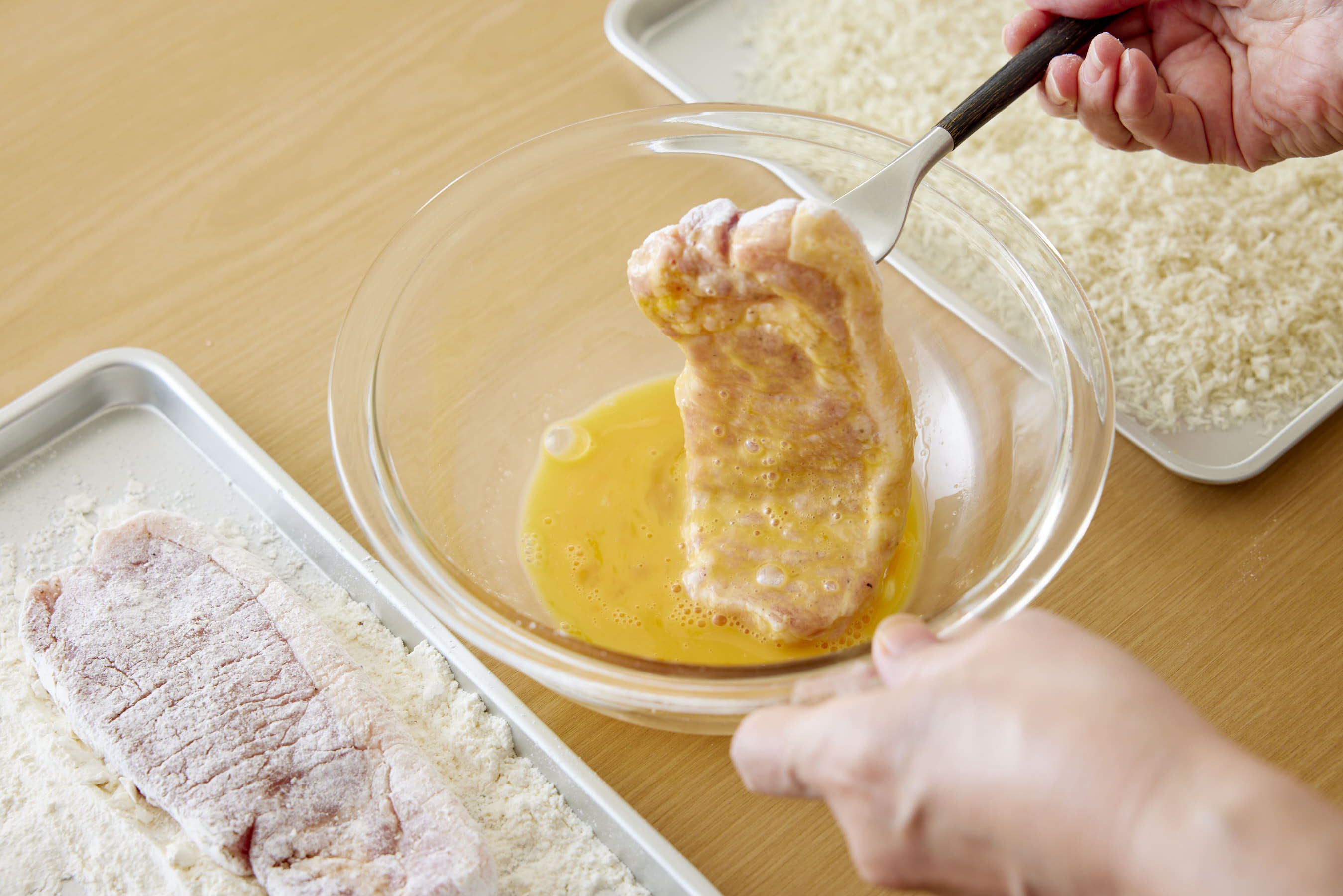
- 2Put the egg and water into a bowl and beat well. Add the flour-coated pork from Step 1 and coat it thoroughly with egg. Using a fork makes it easier to coat the meat evenly.
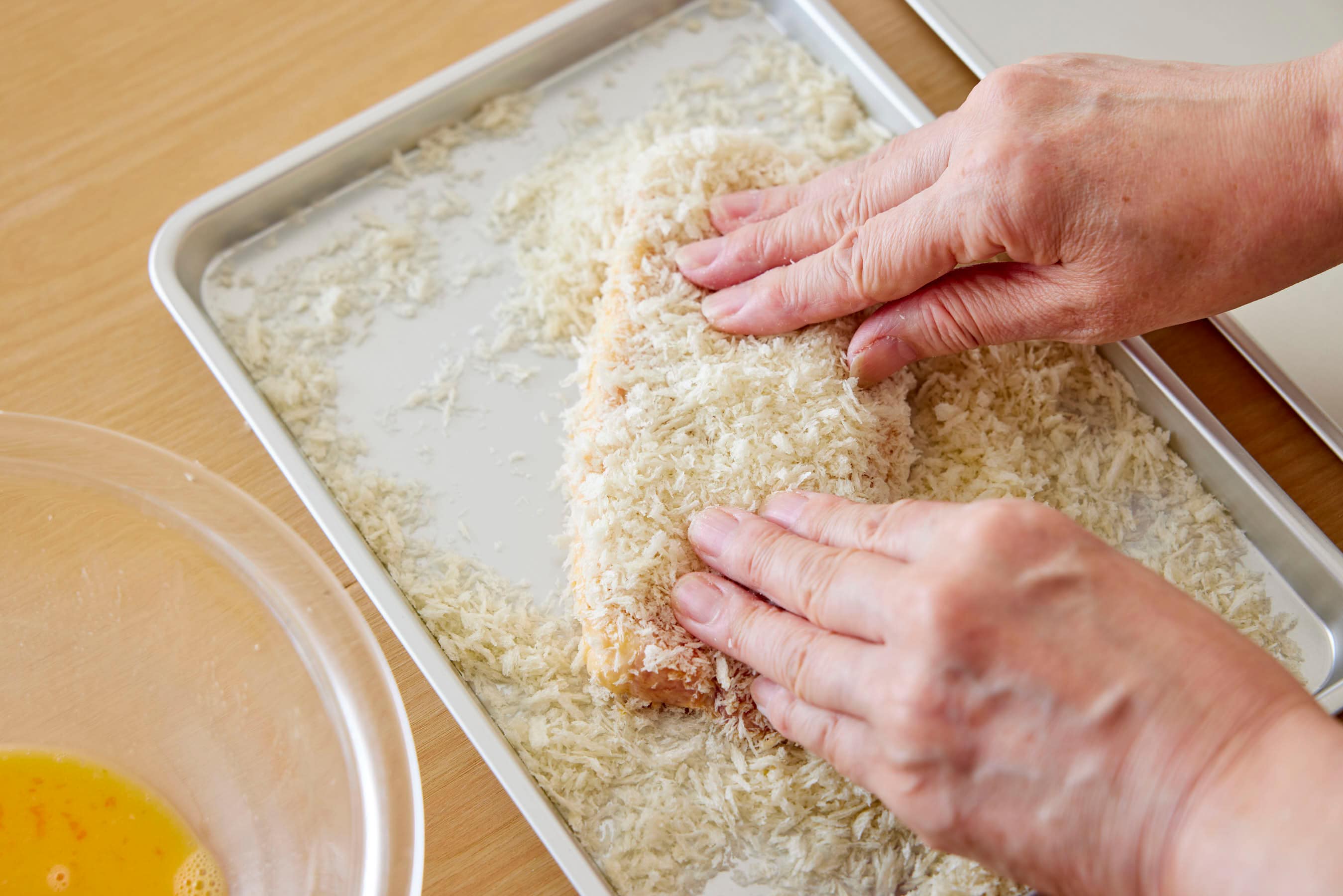
- 3Coat the pork with panko breadcrumbs. Press the panko lightly onto the entire surface of the meat. Let it rest for about 10 minutes.
- TipsLetting it sit before frying helps the panko adhere better, making them less likely to fall off while frying.
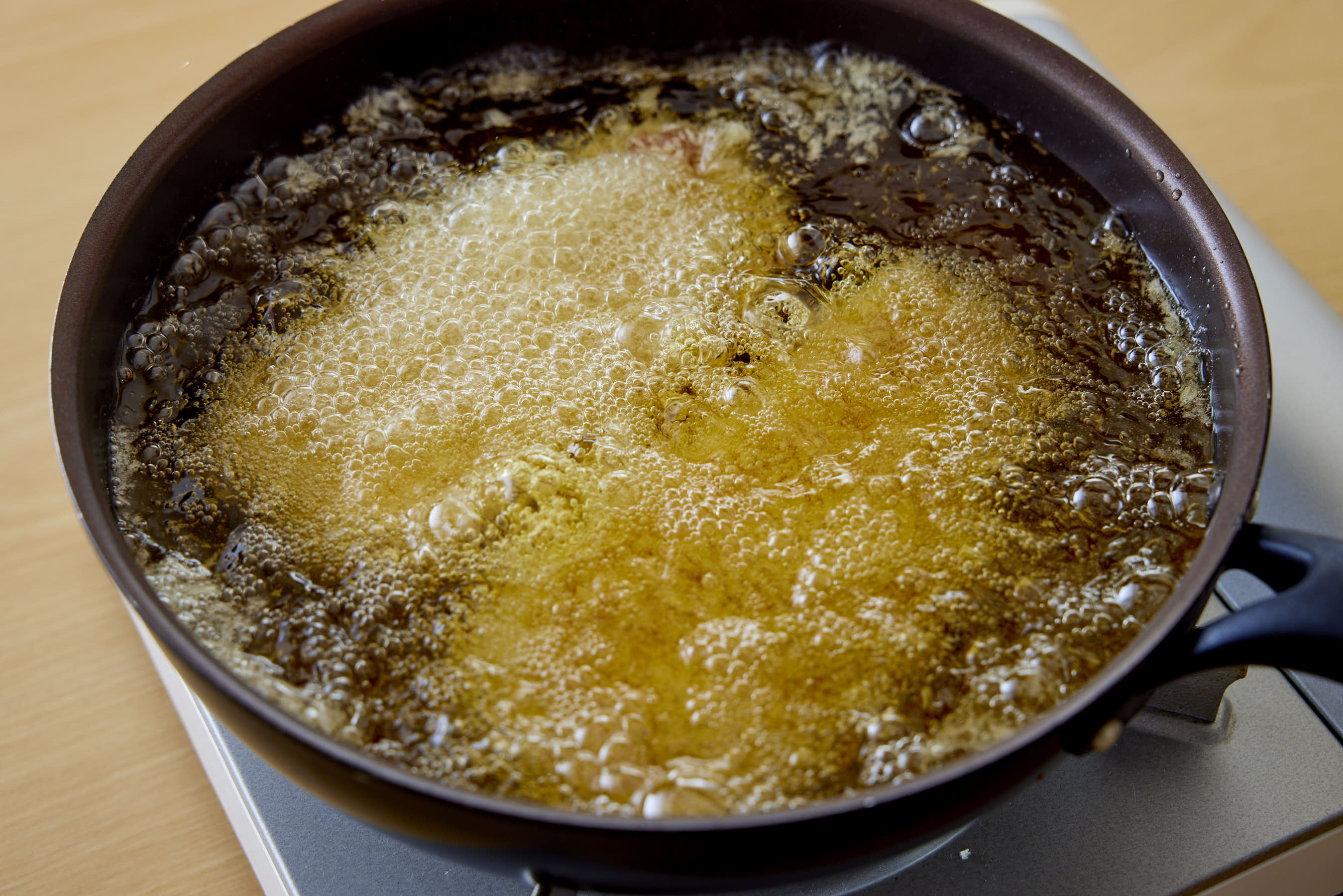
- 4Pour oil (for deep frying) into a pan and heat on medium to 170°C / 338°F. Then, add the pork and deep-fry for 3 minutes.
- TipsRight after placing the pork in the oil, avoid touching it. Disturbing it too soon can cause the coating to come off.
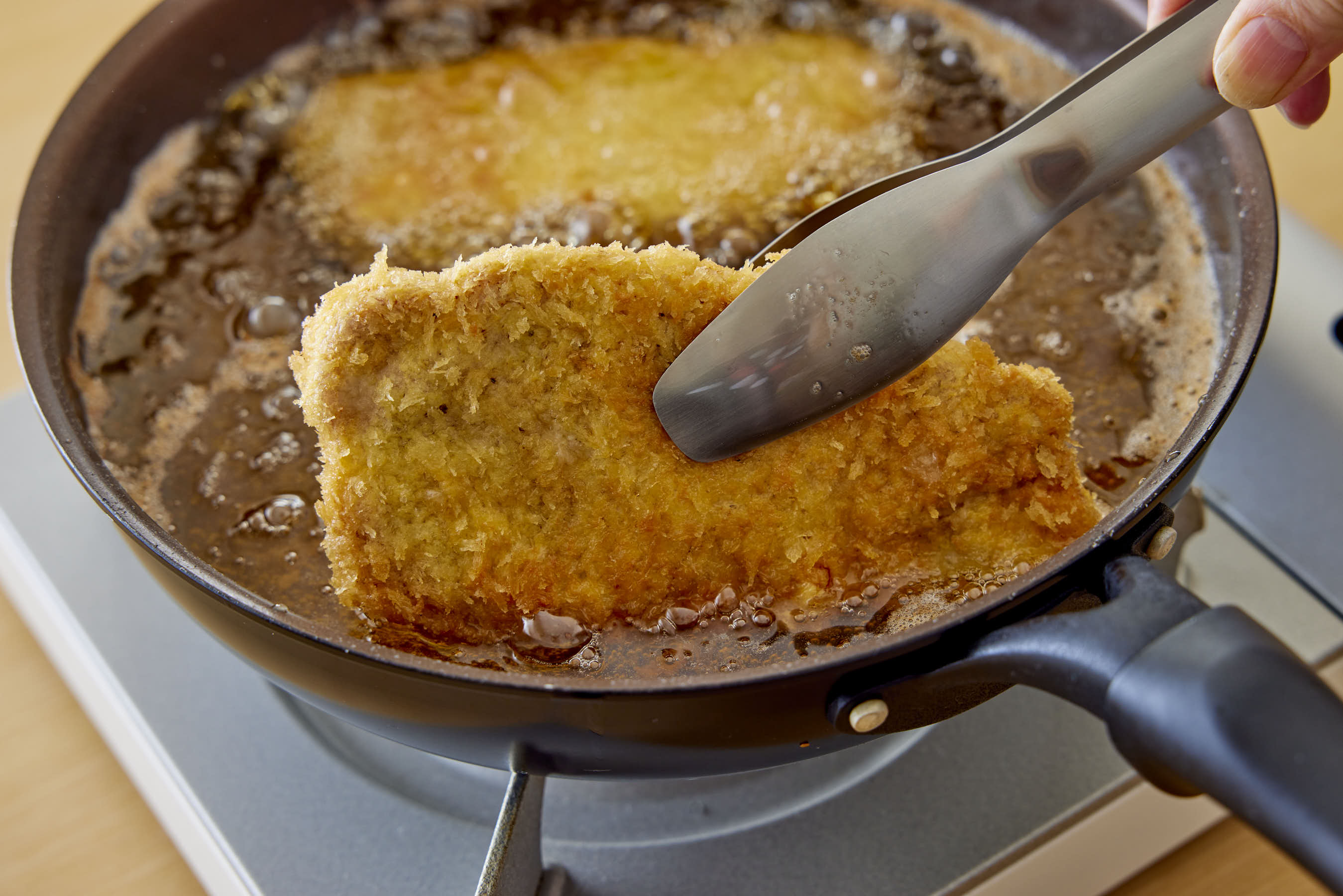
- 5Flip the pork over and fry for another 2 minutes.
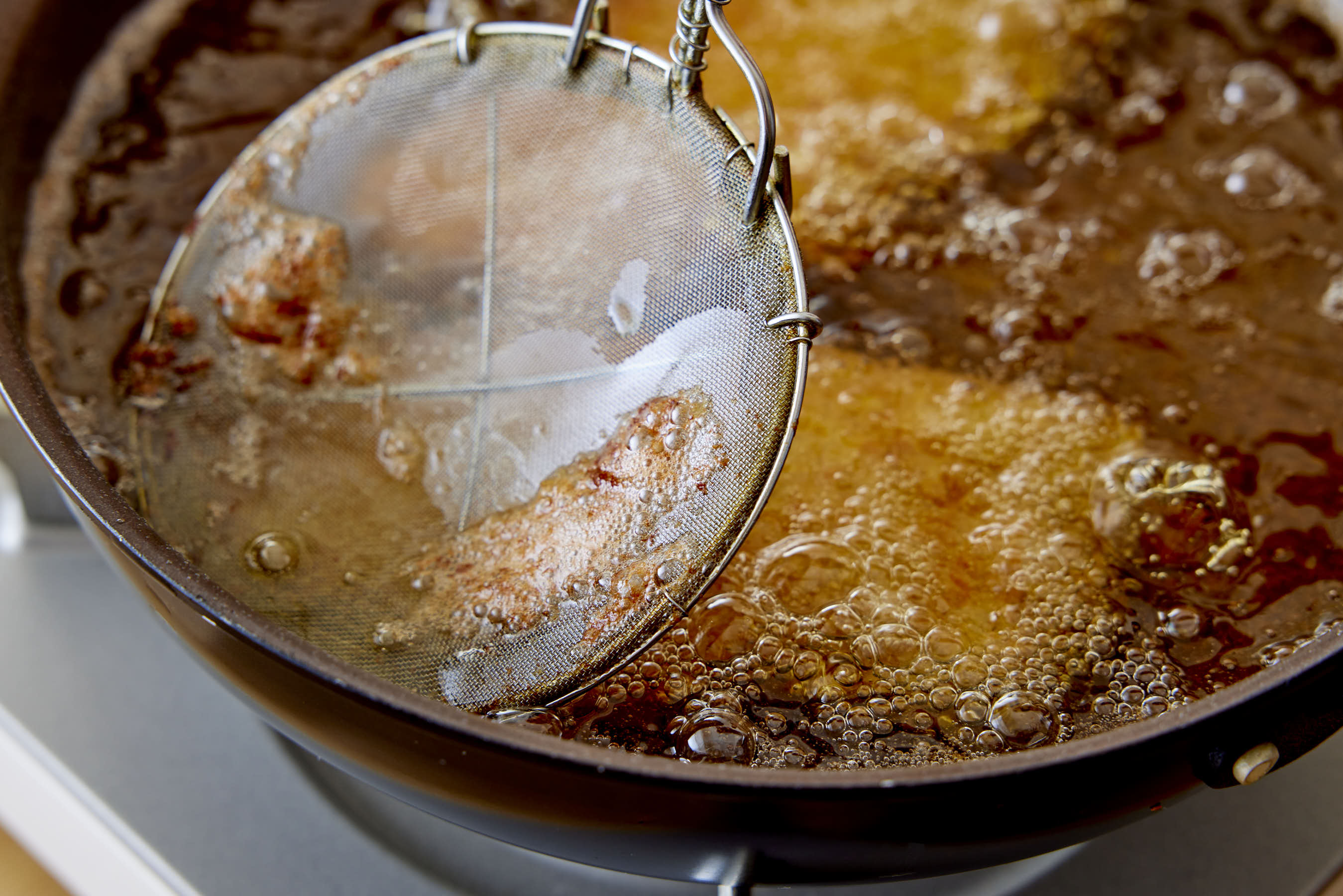
- 6Skim off any loose panko or residue floating in the oil using a mesh skimmer.
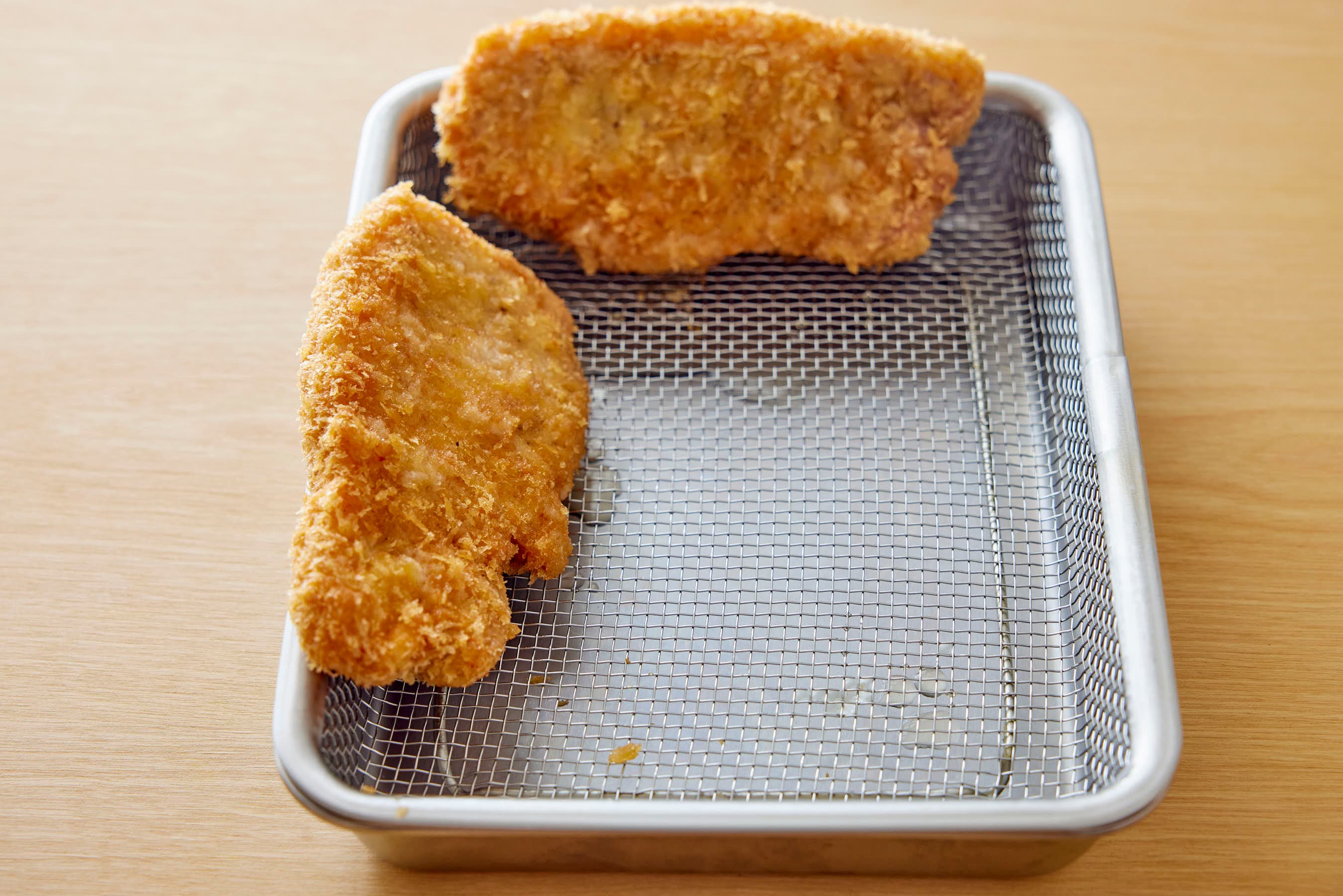
- 7Drain the oil thoroughly, place the Tonkatsu on a wire rack, and let any remaining oil drip off.
- TipsWhen placing the Tonkatsu on the rack, avoid stacking them. Lean them slightly against each other instead—this prevents the breading from getti ng soggy and helps keep it crisp by allowing the oil to drain properly.
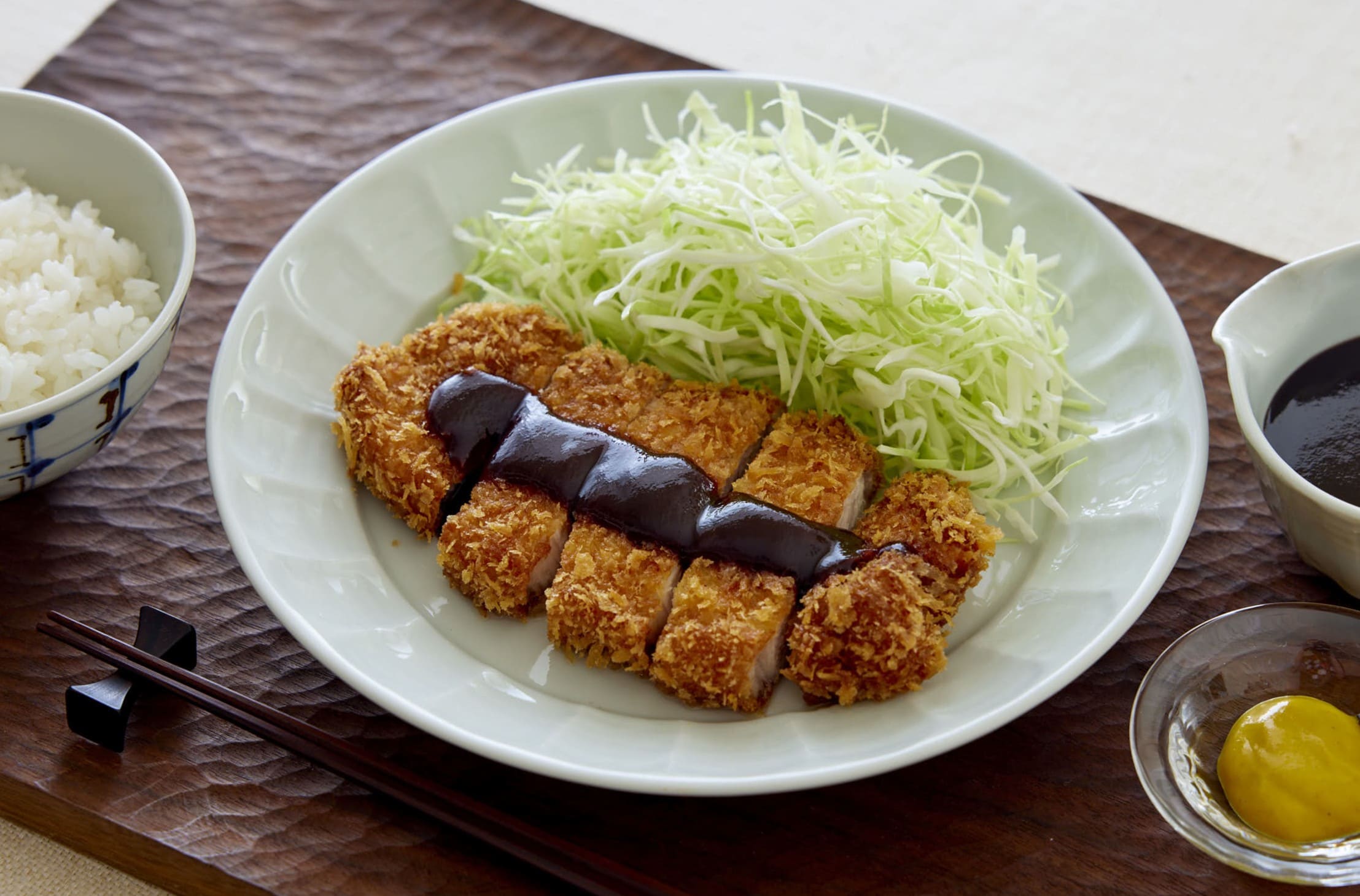
- 8Afterward, cut into bite-sized pieces, serve on a plate with shredded cabbage, and drizzle with Tonkatsu sauce. If desired, garnish with mustard on the side. Enjoy!
Watch video for deep-frying Tonkatsu
More Ways to Enjoy Tonkatsu
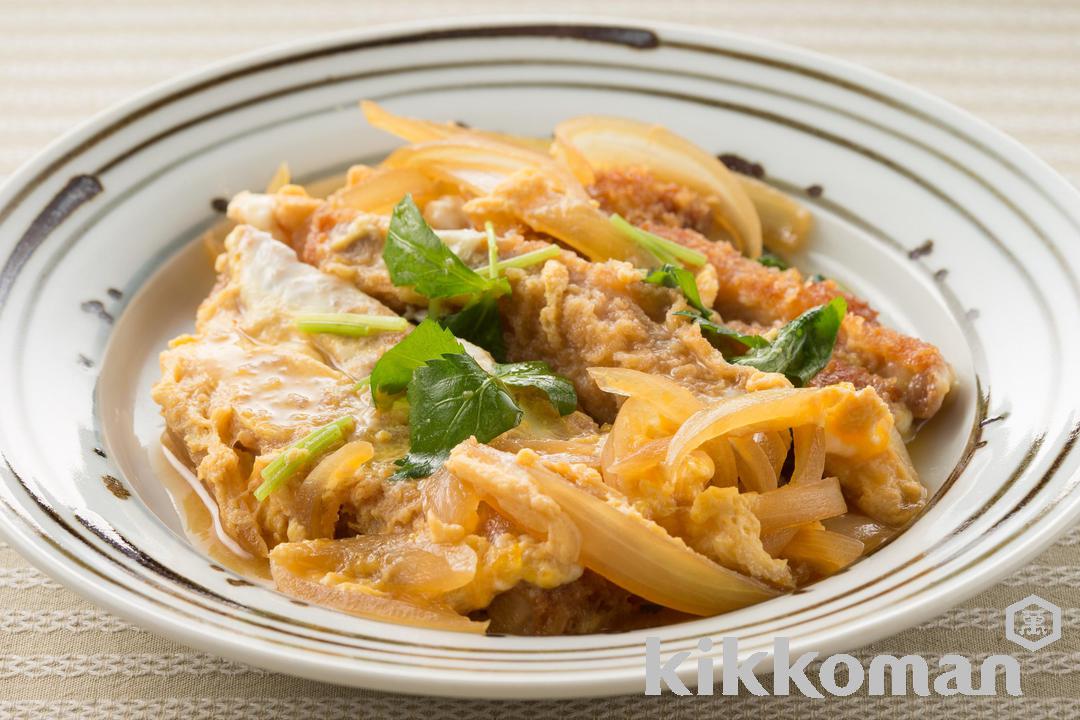
Katsudon (Tonkatsu Rice Bowl)
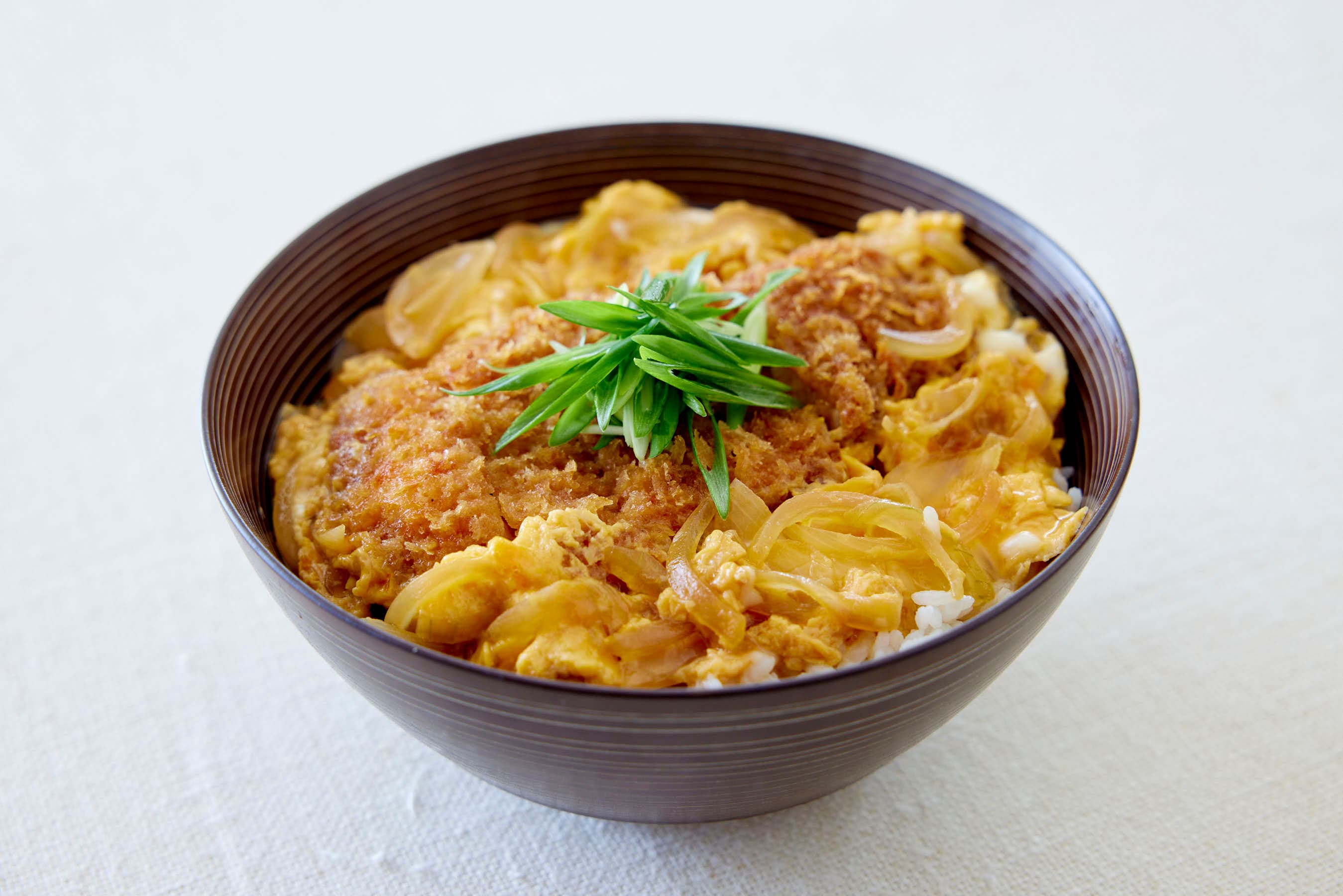
Tonkatsu is simmered in a sweet soy-based broth, then gently finished with beaten egg and served over rice. You can adjust the doneness of the egg to your preference. The breading, after soaking up the broth, takes on a whole new flavor that’s unique from freshly fried Tonkatsu. And the rice, infused with the savory sauce, is delicious down to the last bite!
Katsu Sandwich (Pork Cutlet Sandwich)
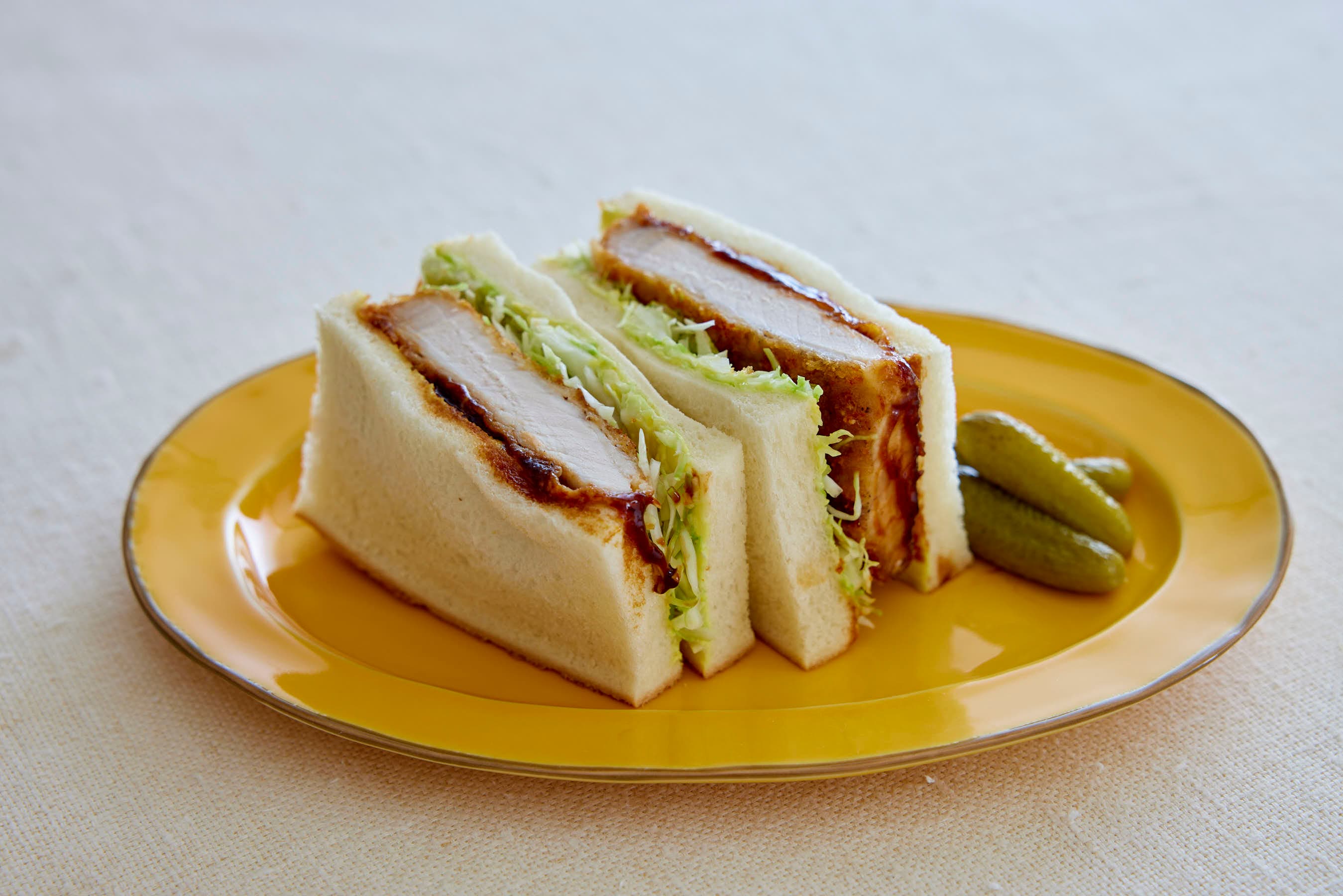
This hearty sandwich features juicy Tonkatsu and shredded cabbage sandwiched between slices of bread. Spread generously with mustard butter—a mix of mustard and butter—for added depth of flavor. It also pairs perfectly with rich Tonkatsu sauce!
FAQ
Which cuts of pork are best for Tonkatsu?
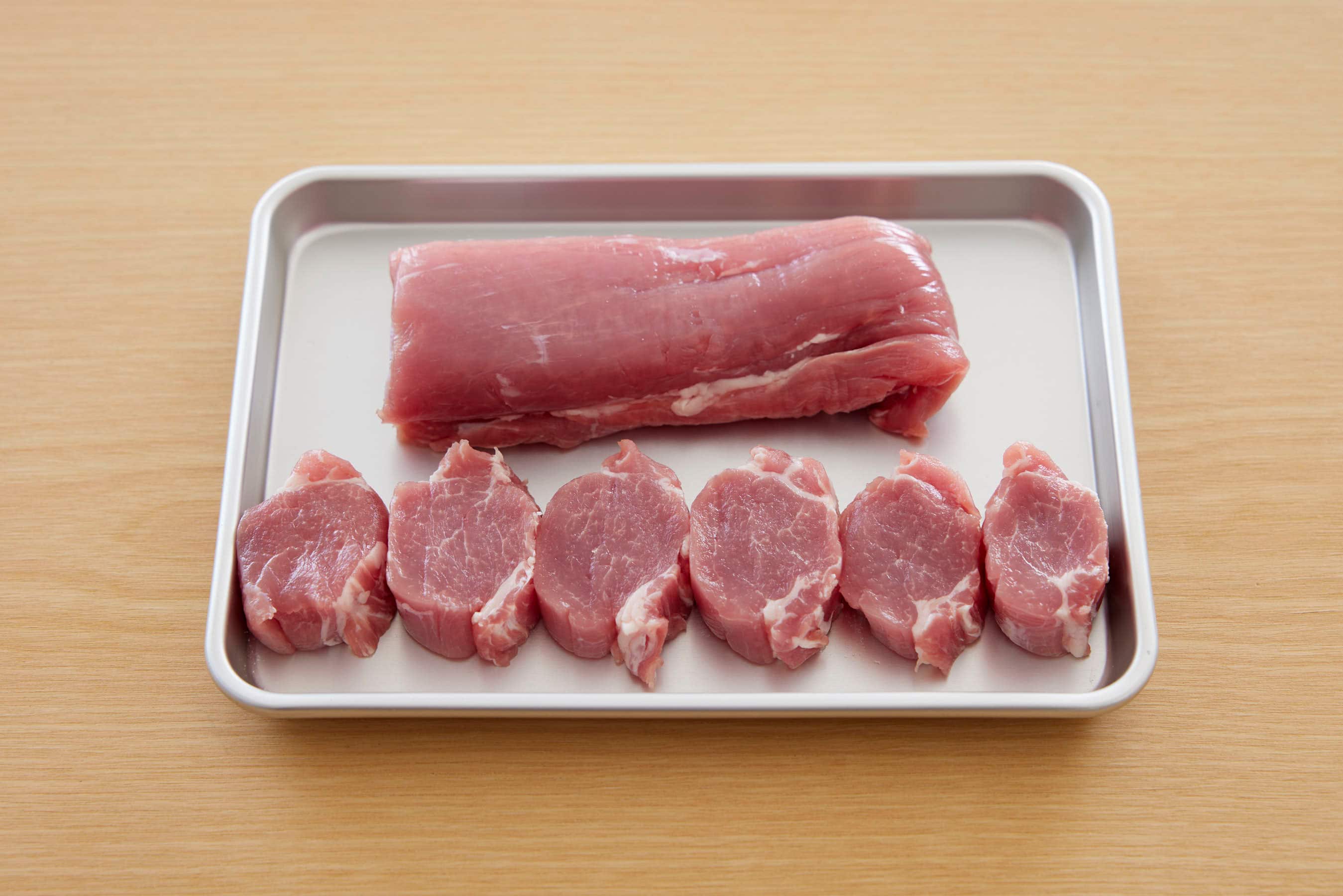
In addition to pork loin, tenderloin (fillet) is also a great choice. It’s a lean and tender cut with a lighter taste. Slice it to about 2 cm (0.8 in.) thick and prepare it in the same way as pork loin.
Can I pour soy sauce over Tonkatsu instead of Tonkatsu Sauce?
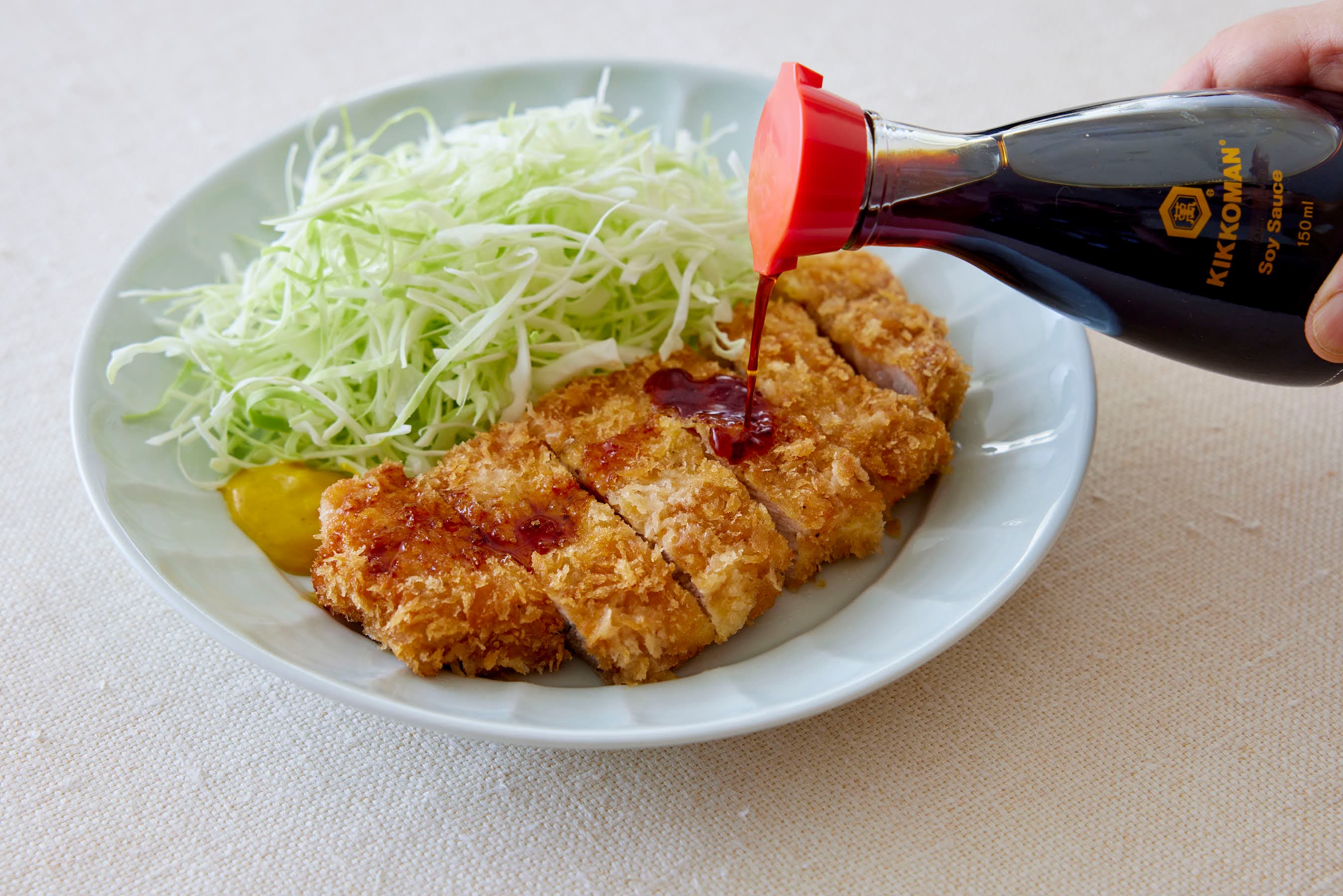
Using soy sauce instead of Tonkatsu sauce is also a great option. When poured over freshly fried tonkatsu, the aroma of the soy sauce rises gently, enhancing the dish’s delicious flavor!
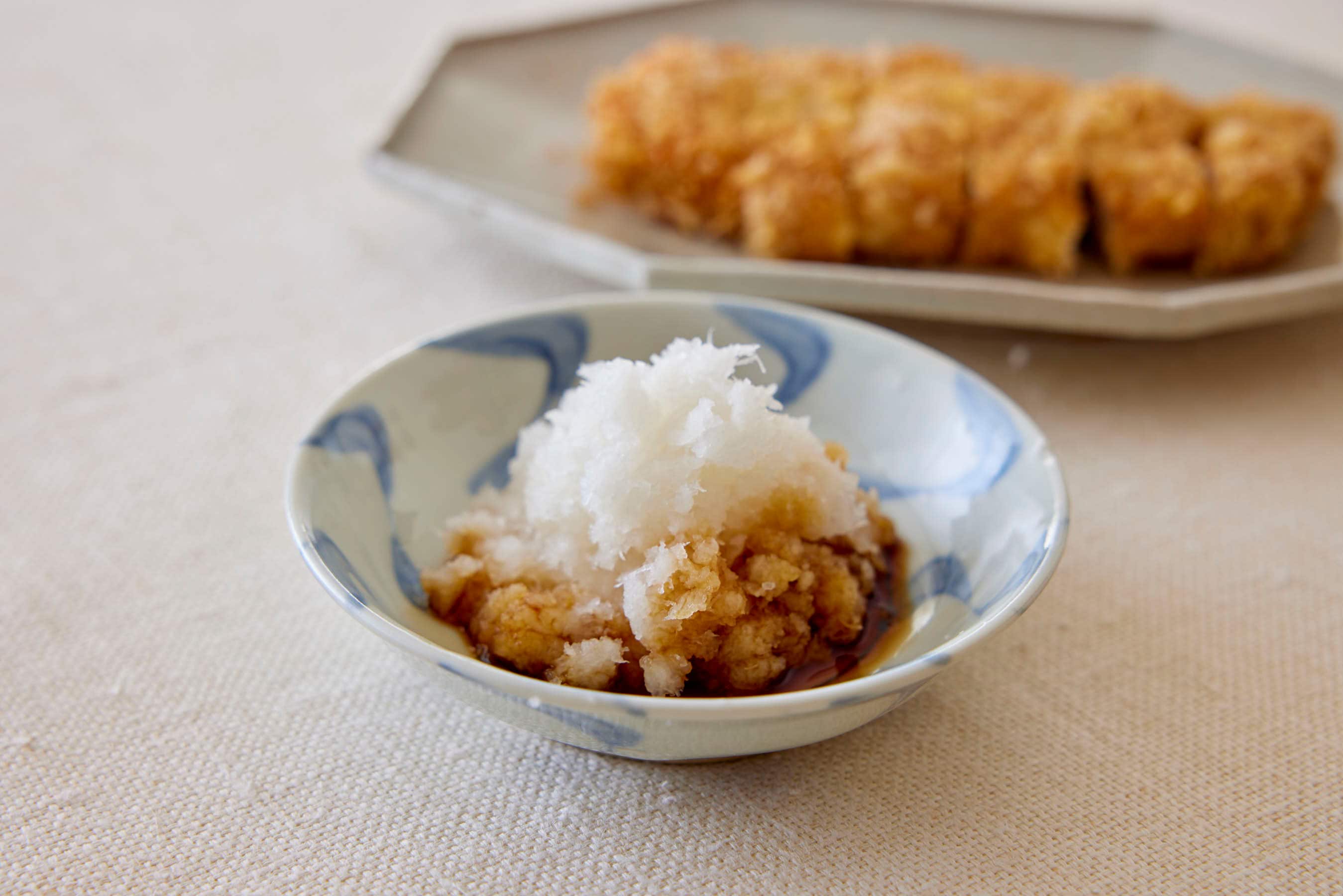
You can also try adding grated daikon radish as a condiment. Grate the daikon, squeeze out the excess liquid, and place it in a small dish with soy sauce. Spoon some onto the Tonkatsu while mixing it with the soy sauce for a light, refreshing taste!
Characteristics of Tonkatsu Sauce
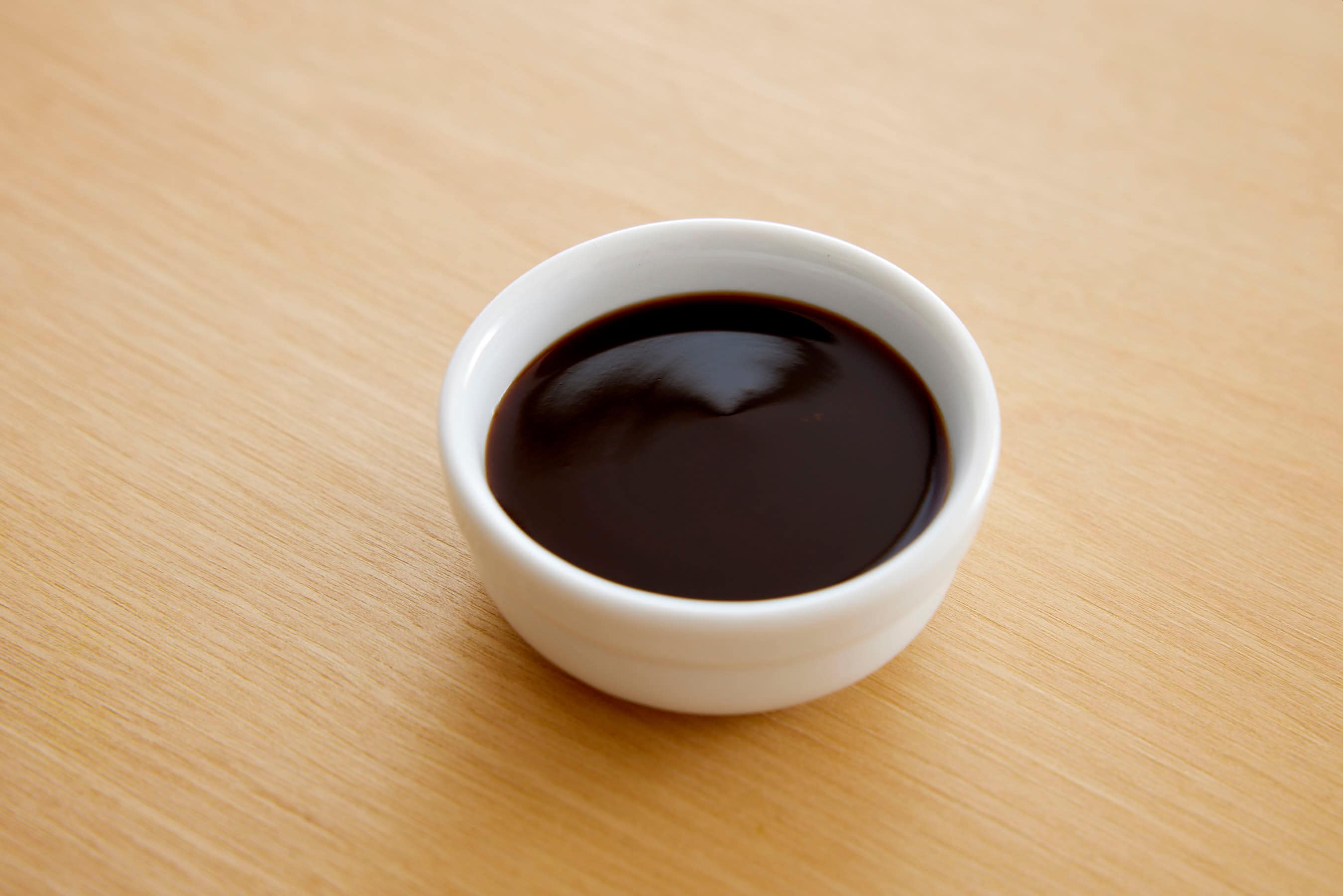
In this recipe, we introduced a homemade Tonkatsu sauce, but in some countries and regions, Tonkatsu sauce is available commercially. Similar to worcestershire sauce, Tonkatsu sauce is made from fruits and vegetables and seasoned with spices. What makes it distinct is its thicker consistency and sweeter flavor compared to worcestershire sauce. It pairs especially well with fried dishes like Tonkatsu.
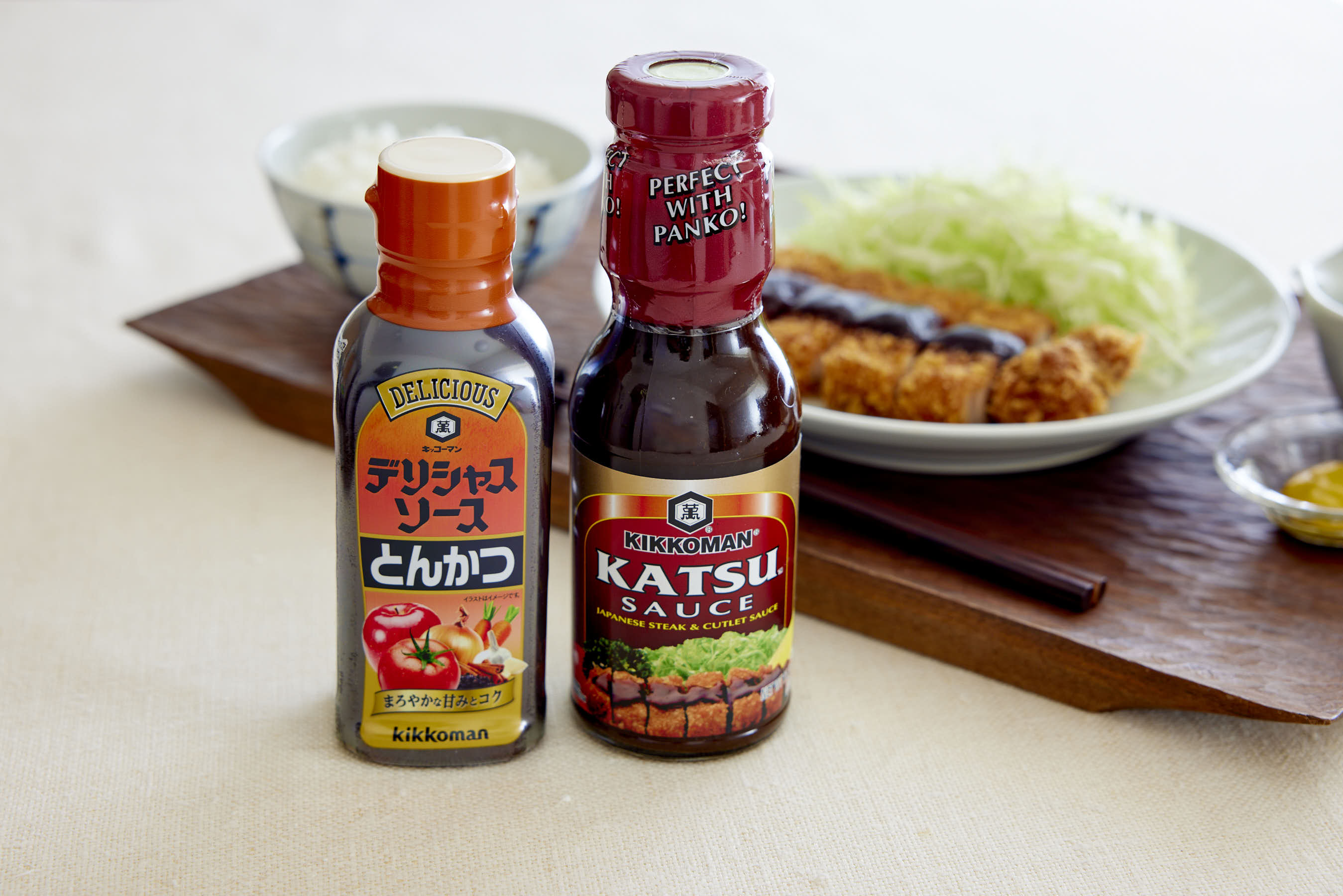
Using store-bought Tonkatsu sauce makes it even easier to enjoy this dish at home!
* These links will take you to an external website.
Characteristics of Panko (Breadcrumbs)
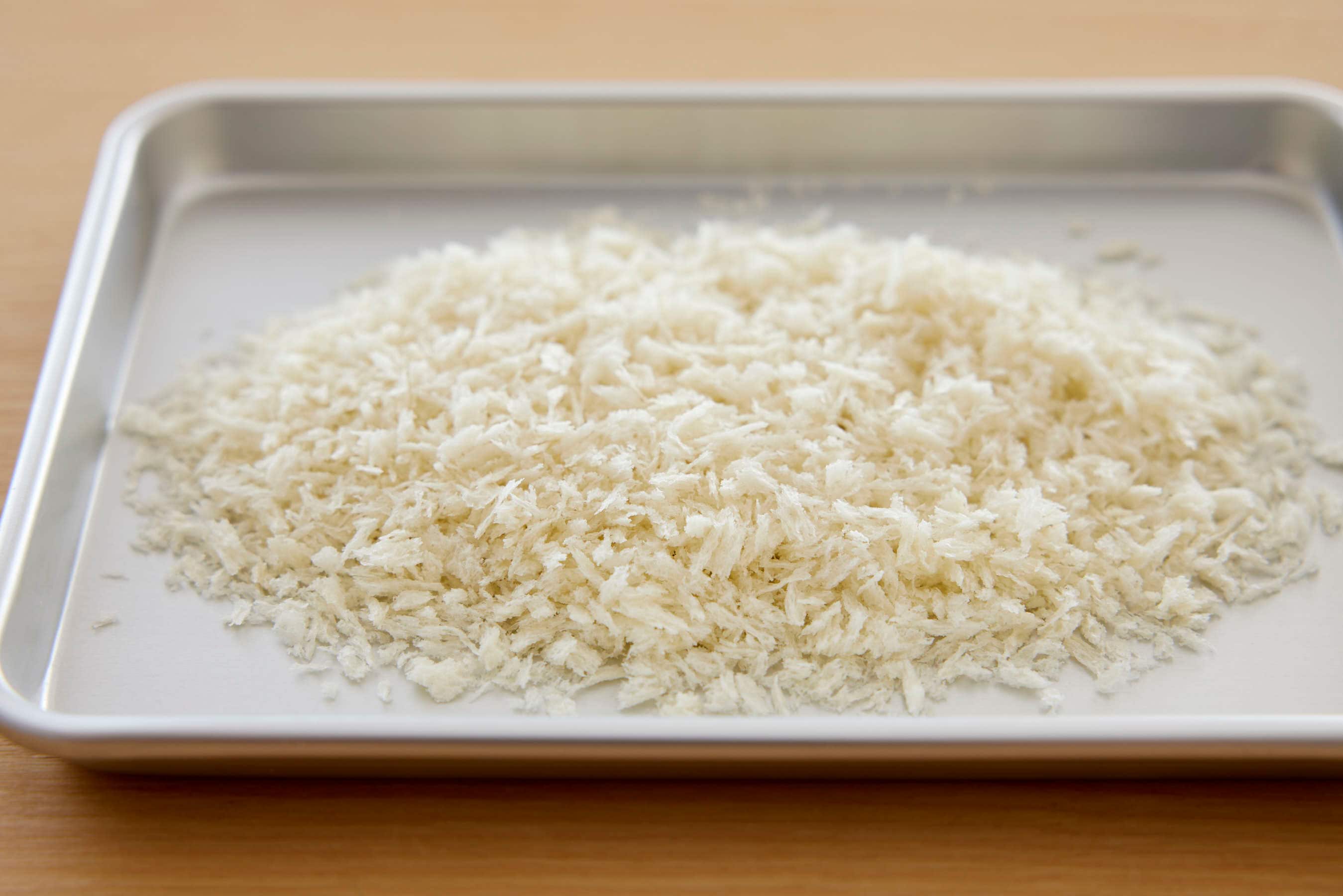
Panko, originally from Japan, is often sold around the world under the name “panko.”
Compared to the breadcrumbs more commonly used in Western countries, panko pieces are larger and fluffier, creating a crispier texture when fried. It was developed specifically for use as a coating for deep-fried dishes, and comes in a variety of crumb sizes.
* This link will take you to an external website.
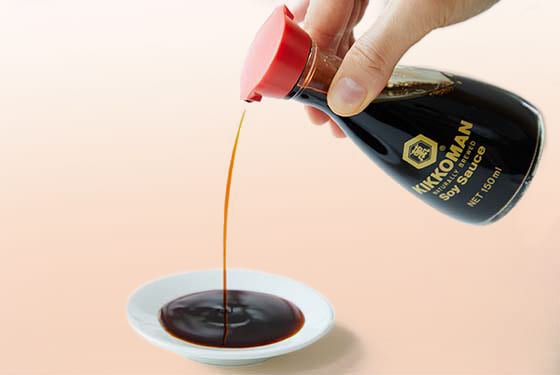
Kikkoman Products Used in This Recipe
About the Recipe Author

Yuko Ihara
Having lived in England and the U.S., Yuko Ihara is well-versed in a wide range of culinary genres. As a culinary researcher, she creates dishes for magazines and books, develops corporate menus, and also engages in product development and food consulting. She introduces easy-to-follow tips on how to make delicious food at home, emphasizing the importance of seasonality and healthful eating. When travelling, she loves to search for delicious vegetables and ingredients.
Instagram: @iharayukoo
About Washoku Lesson
Washoku Lesson is special content offering detailed and easy-to-understand explanations, including tips for making classic Japanese dishes as well as the many ways of enjoying these, and introductions to special Japanese cooking utensils and annual events.
Related Recipes
 20min
20min 336kcal
 512mg
512mg
- 20min
- 468kcal
- 800mg
- 15min
- 636kcal
- 1300mg