

Japanese Curry Rice: Japan’s Signature Comfort Food and 6 Flavorful Recipes
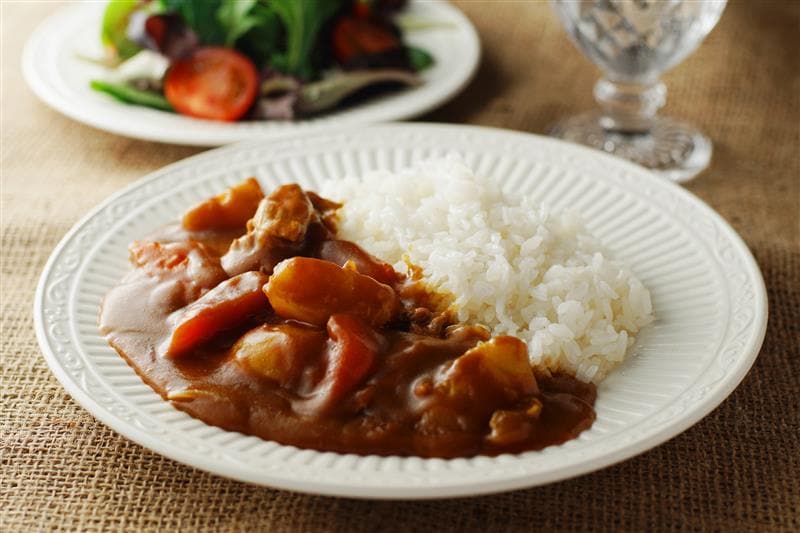
How Did Curry Rice Become Japan’s National Dish? Uncovering the Secrets Behind Its Enduring Popularity
Do you know Japanese curry rice (カレーライス, kare raisu) ? It’s a dish that originated from Indian cuisine, traveled to Japan via Britain, and then evolved into something uniquely Japanese. Its defining features are a rich, thick curry roux and hearty ingredients like potatoes, carrots, and onions. With flavors ranging from mild to spicy, it’s enjoyed by everyone, from children to adults. In this article, we’ll explore the history of how Japanese curry rice was born and introduce recipes that let you fully enjoy its appeal.
The Origins of Japanese Curry: From India to Britain to Japan
The word “curry” is a general term for spiced dishes that originated primarily in India. Through its historial ties with India, Britain encountered Indian cuisine, which contributed to the spread of curry. As a result, a distinctive “curry powder,” a blend of multiple spices, emerged and became widely used. British-style curry is characterized by simmering the sauce with flour to give it a thick consistency, and this style was introduced to Japan during the Meiji era (1868–1912). The thick, spicy sauce paired well with rice, Japan’s staple food, and curry gradually began to be served with rice in restaurants. Over time, it eventually became established as a popular dish in Yoshoku (Western-style Japanese cuisine).
How Japanese Curry Became a Home Cooked Favorite
The Japanese began to eat curry at home around the Taisho era (1912–1926), when various manufacturers started selling curry powder, making it accessible for home cooking. In 1950, the release of Japan’s own solid block curry roux made it easy for anyone to prepare curry. This innovation also led to a wider range of flavors, such as mild, medium, and spicy. As a result, curry became a beloved dish enjoyed by people of all ages, from children to adults. As the custom of pouring curry over rice spread in homes across Japan, the wasei-eigo (Japanese-made English) term “curry rice” became firmly established.
Popular Toppings for Japanese Curry Rice
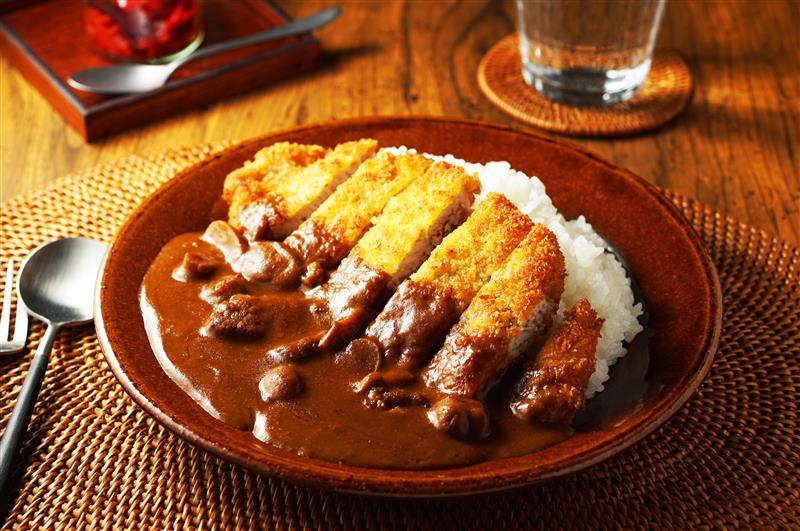
Curry rice is not only served by pouring curry over rice; it is often enjoyed with additional toppings as well. For example, side dishes such as boiled eggs or grilled vegetables may be added, or it can be paired with main dishes like hamburg steak or deep-fried foods. Among these, katsu curry, topped with Tonkatsu (Japanese pork cutlet), is especially popular. It’s a hearty, satisfying dish that makes for a complete meal on a single plate.
Recommended Japansee Curry Rice Recipes
Japanese curry, introduced from overseas and uniquely evolved into a dish that pairs perfectly with rice, is now easy to enjoy at home. Our Japanese Curry Rice recipe uses Kikkoman Soy Sauce as a hidden ingredient, adding depth and umami to the curry. We hope you’ll give it a try.
Japanese Curry – Chicken & Vegetables
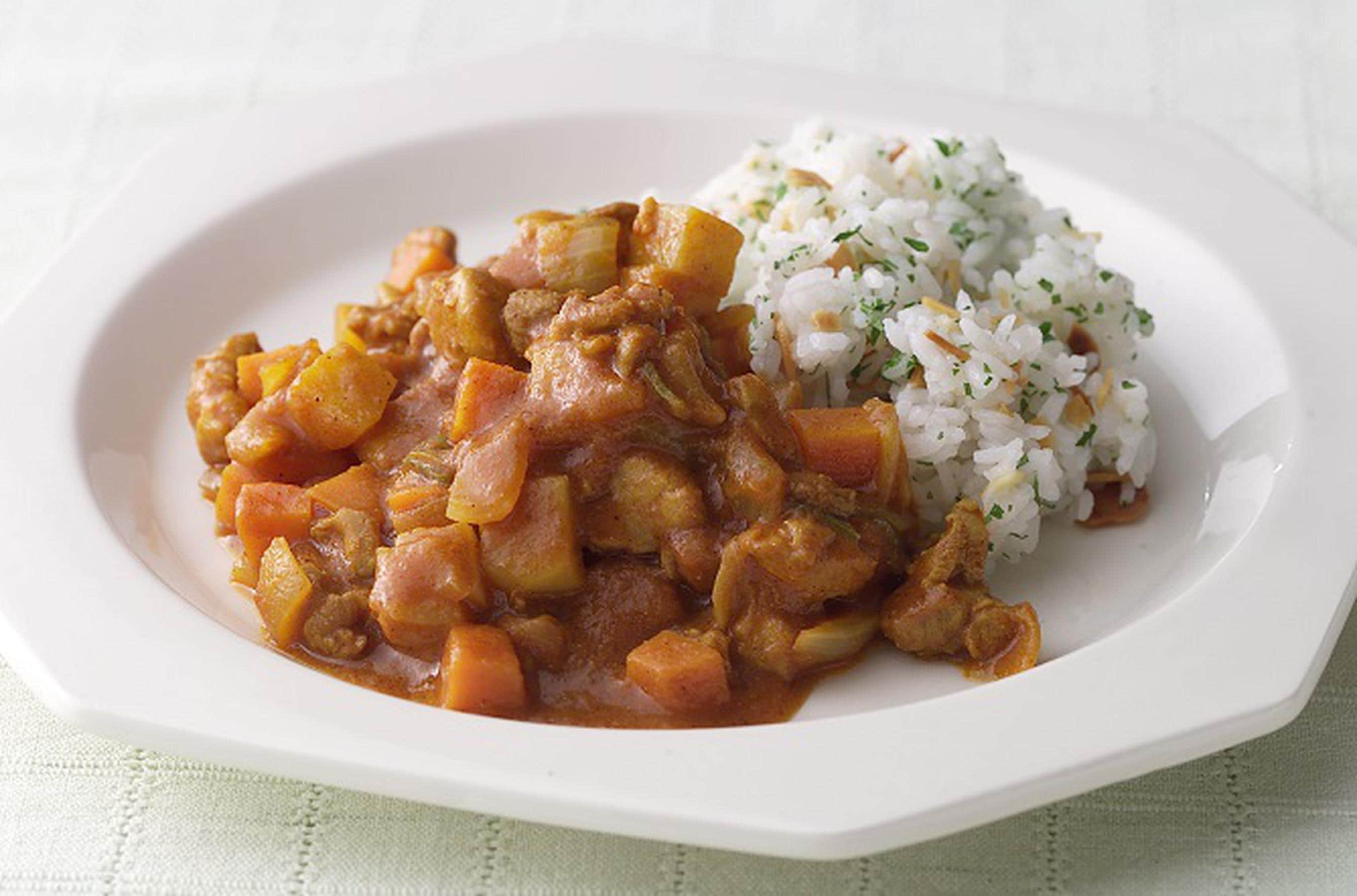
This recipe combines chicken with the vegetables most commonly used in Japanese curry—potatoes, onions, and carrots—and is finished with tomato juice for a rich, full-bodied flavor.
Japanese Curry – Pork
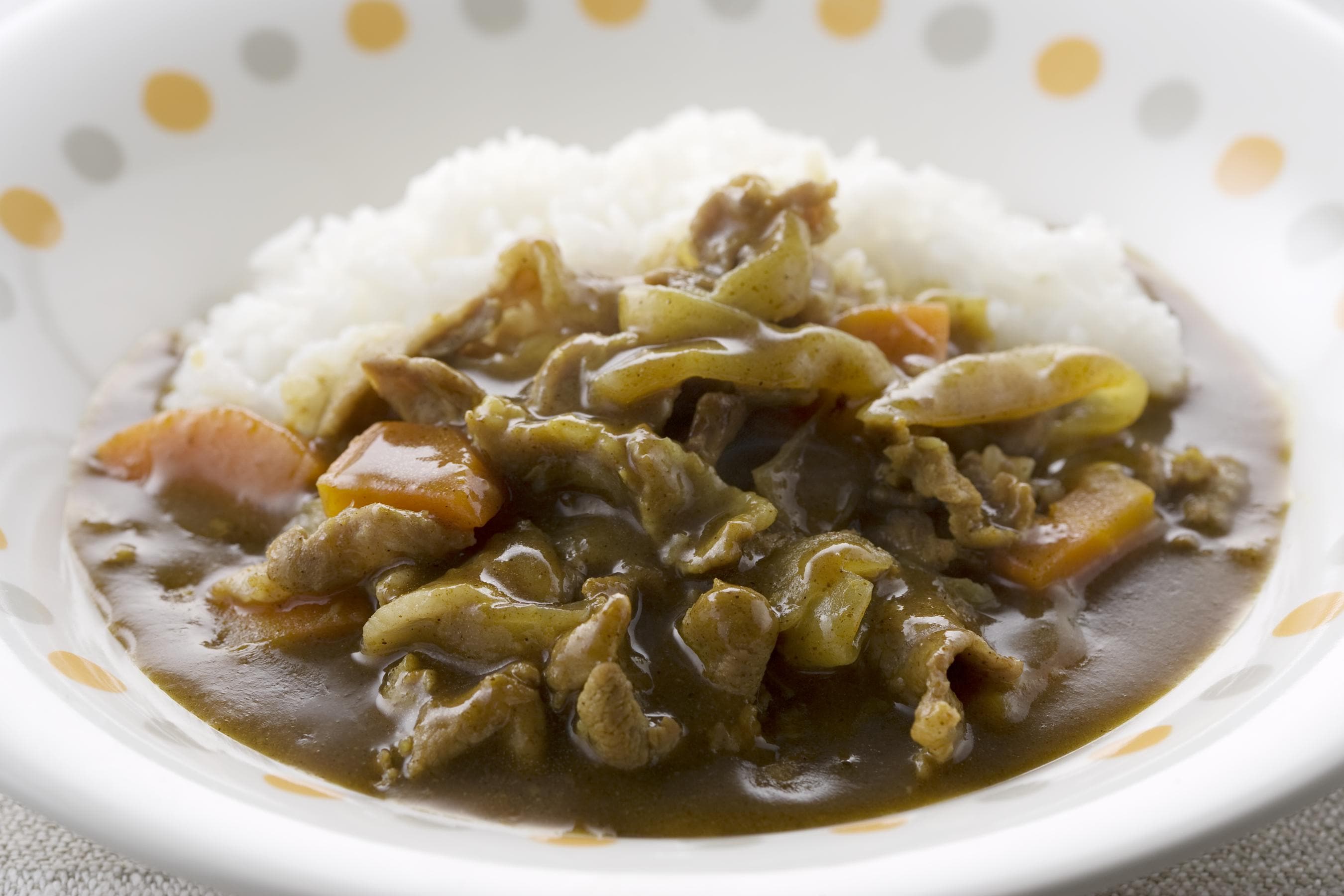
In Japan, pork curry is also very popular. The key is to bring out the sweetness of the onions and the aroma of garlic. Adding mirin as a hidden ingredient creates a gentle, subtle sweetness that enhances the overall flavor.
Japanese Curry – Vegan
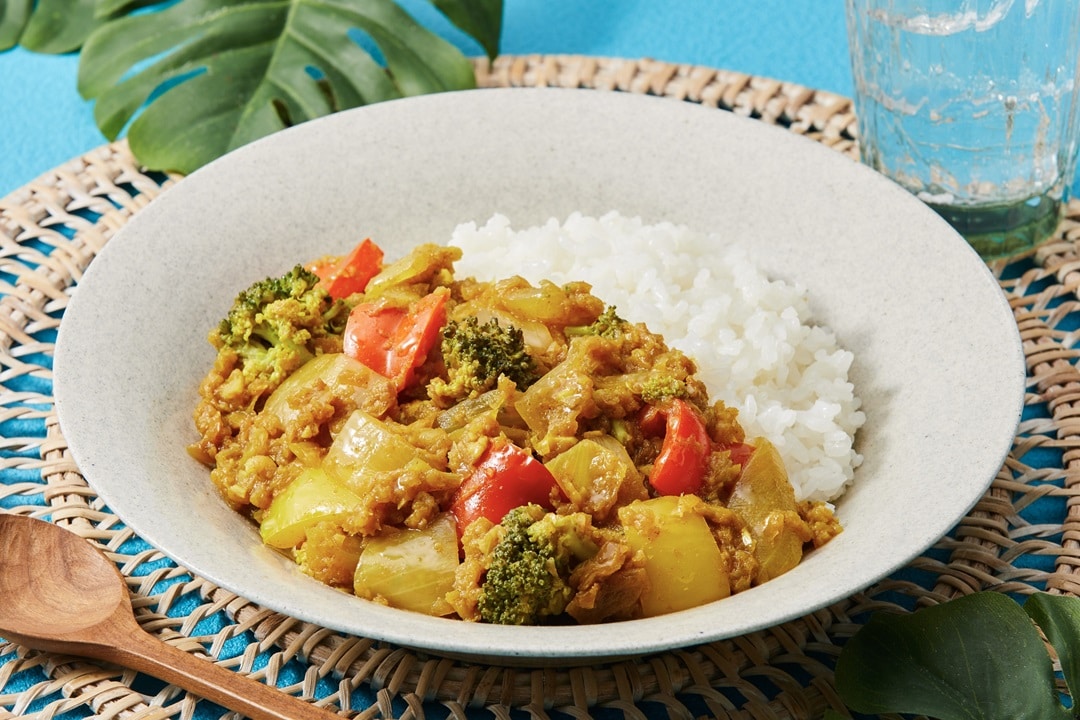
This curry is made with vegetables only, without meat or fish. By pureeing a generous amount of onions and simmering them, the curry develops a naturally sweet, deeply savory flavor.
Japanese Curry – Minced Beef
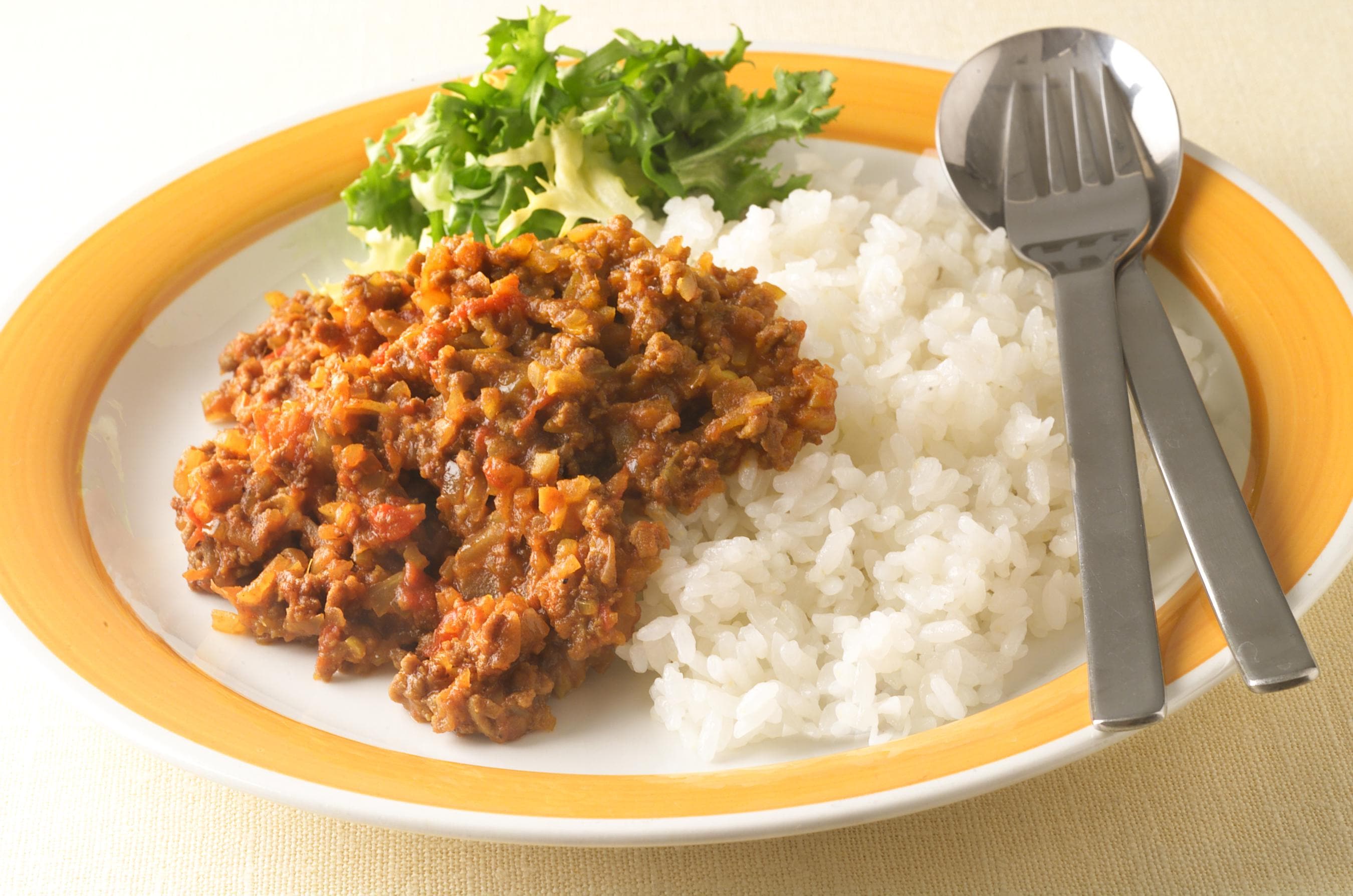
This curry is made with ground meat and cooked with very little liquid, making it similar to keema curry. In Japan, it is also known as “dry curry.” Ginger gives it a refreshing kick and sharpens the overall flavor.
Japanese Curry – Tuna & Vegetables
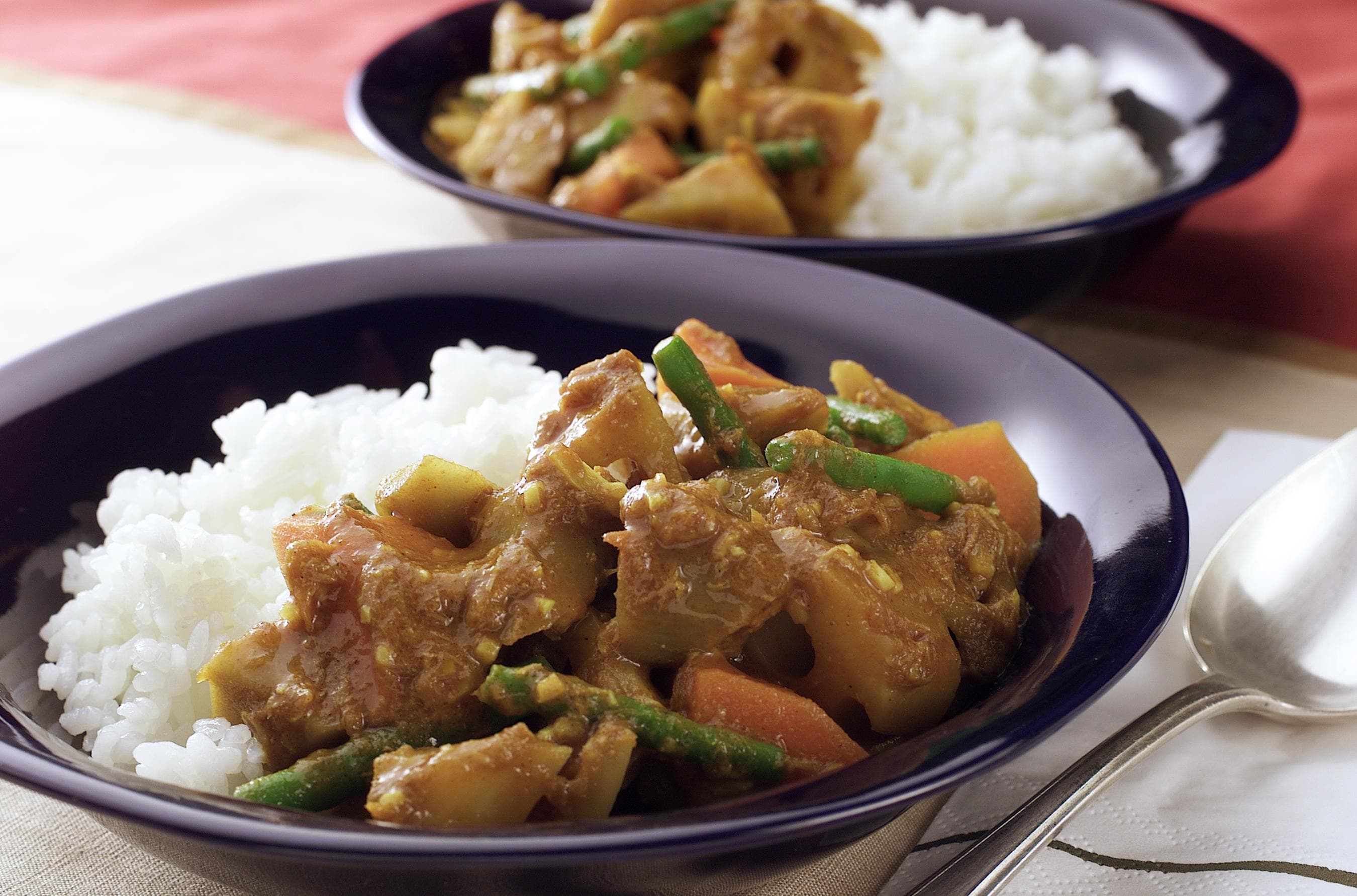
Seafood also pairs well with curry. This recipe uses convenient, easy-to-find canned tuna and features Japanese root vegetables such as renkon (lotus root) and gobo (burdock root). You can also customize it with whatever vegetables you like.
Japanese Curry – Ground Pork & Eggplant
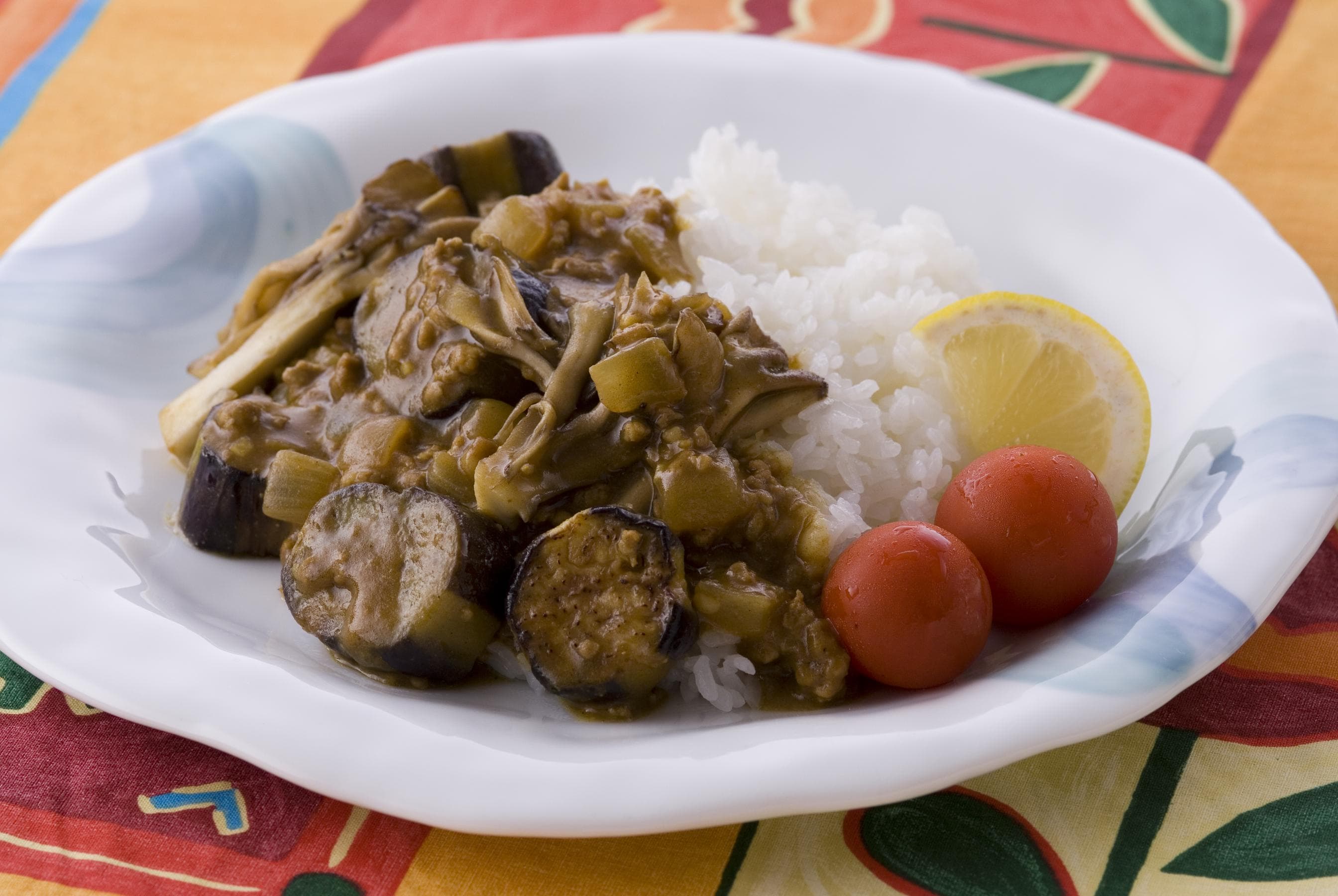
The combination of ground pork, eggplant, and mushrooms adds rich umami, creating a full-bodied flavor without the need for long simmering. Use any mushrooms you can find. This curry is made with store-bought curry roux, which is available at Japanese and Asian grocery stores abroad.
Related Articles

Fluffy egg omurice (Japanese omelette rice), juicy hamburg steaks, and richly aromatic curry rice—all of these are examples of Yoshoku (Japanese Western-style Food)!