
How to Use Mirin: From Teriyaki to Desserts
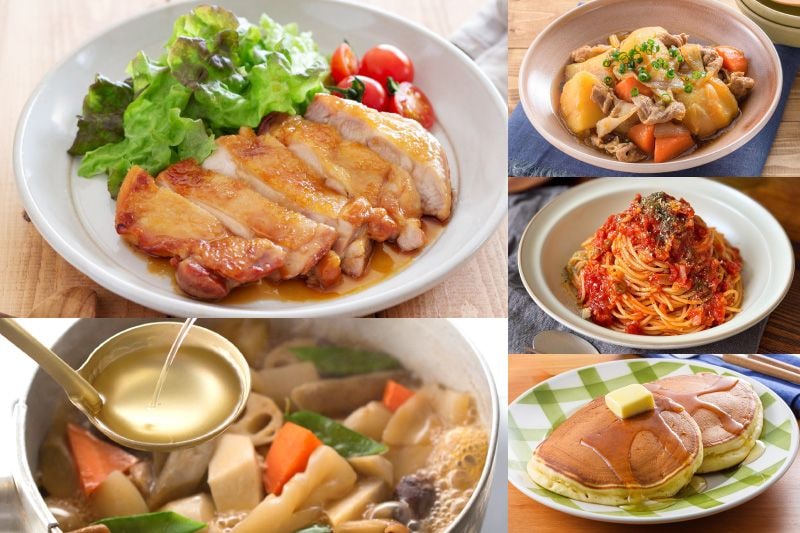
From Washoku (Japanese dishes) to pasta and desserts, here we introduce a wide range of recipes that use mirin!
Are you unsure of how to use mirin? Mirin is a widely used seasoning in Japanese cuisine. It not only adds a gentle sweetness and richness to dishes, but also gives them a beautiful luster and glaze, all while enhancing the flavor of the ingredients. It can be used in Japanese dishes such as teriyaki, sukiyaki, and simmered dishes, as well as in pasta sauce and desserts.
This article introduces various tips and recipes for using mirin. From classic Japanese dishes to unexpected variations, find a dish you'll want to try today and expand your repertoire of mirin uses.
Table of Contents
What is Mirin? The Secret Behind One of Japan's Beloved Dishes
Mirin is a traditional Japanese fermented seasoning made from rice, glutinous rice, rice koji, and alcohol such as “shochu”. “Hon mirin", which is used in a variety of dishes, is classified as an alcoholic beverage and is known for its natural sweetness that is produced through a unique making process. The alcohol content of hon mirin is generally about 14%, but most of it evaporates during cooking. If you do not wish for any alcohol to remain in your cooking, it is recommended that the hon mirin be boiled beforehand to evaporate the alcohol completely. Sweetened cooking seasonings that contain almost no alcohol are also available.
The Kikkoman Group has supported the taste of Japanese households for many years through its mirin brand "Manjo." We will introduce various tips and recipes to help you enjoy using mirin in your everyday cooking.
Related Content About Mirin
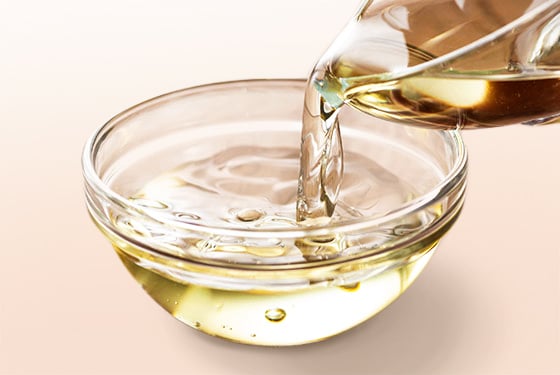

Teriyaki and Grilled Dishes with Mirin
Mirin is an essential seasoning for Japanese grilled dishes, including teriyaki. When combined with soy sauce, it creates a sweet, savory, and rich flavor. Furthermore, it gives a beautiful, appetizing luster to the finished dish, enhancing the flavor of meat and fish.
Simple Chicken Teriyaki
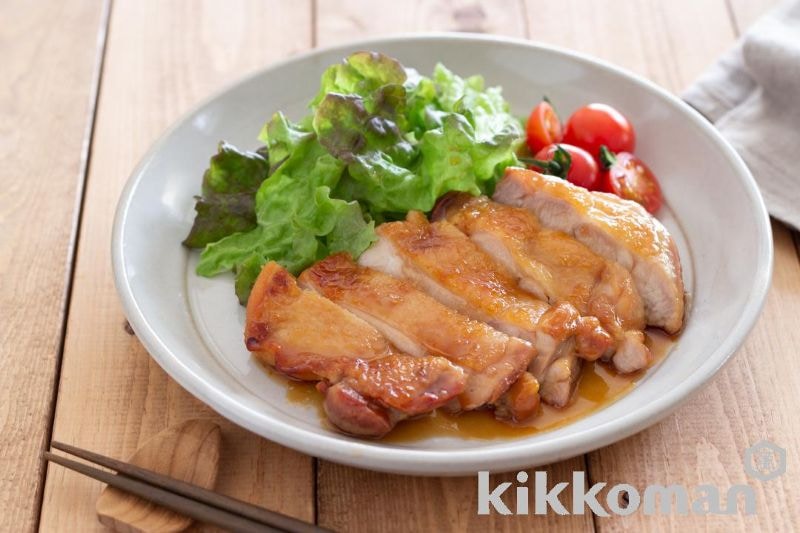
This classic teriyaki dish features perfectly grilled chicken coated in a generous amount of sweet and savory sauce made with soy sauce and mirin.
The key to a delicious result is simmering the sauce over the chicken. The mirin gives the chicken a beautiful luster while mellowing the umami of the soy sauce, resulting in a rich and complex flavor.
-
- Try the recipe now! Click on the link below:
-
Mirin-Marinated Salted Salmon
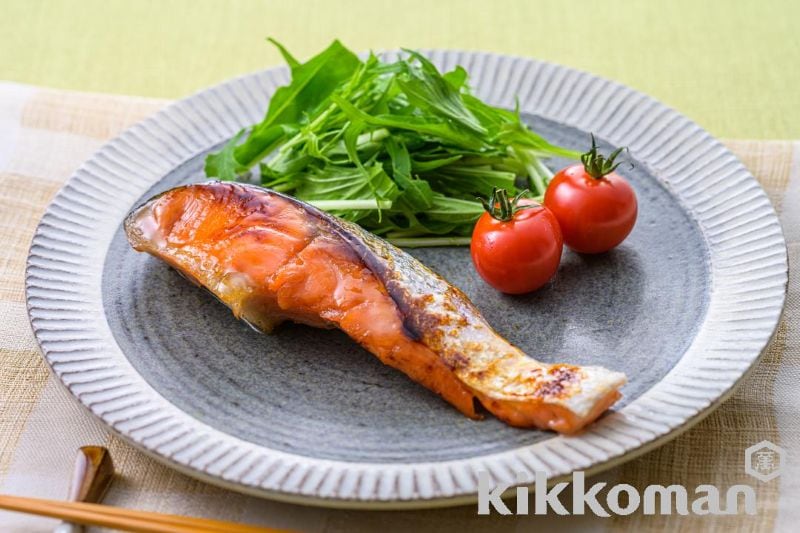
Marinating the salmon in mirin reduces the fishy smell while bringing out its umami flavor.
Grilling the salmon also adds pleasant sweetness and savory aroma, resulting in an well-balanced taste.-
- Try the recipe now! Click on the link below:
-
Simmered and Braised Dishes with Mirin
Mirin is also useful in simmered dishes and other dishes finished by coating the ingredients with the sauces. It not only adds a mellow sweetness and richness, but also helps reduce odors from ingredients and improves flavor absorption. In addition, it helps prevent ingredients from falling apart during cooking, allowing meat, fish and vegetables to retain their shape and appearance.
Rich Flavor Nikujaga (Japanese Meat and Potato Stew)
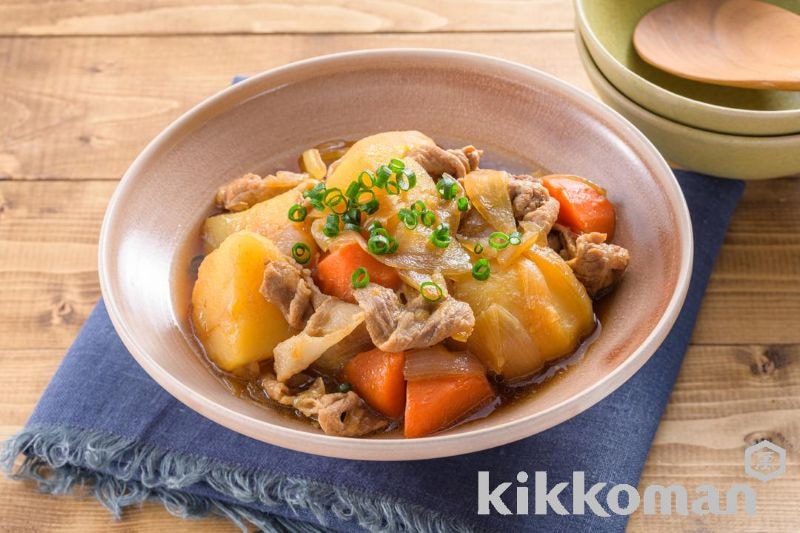
This Japanese home-style dish features potatoes that have absorbed the umami of the meat, resulting in a fluffy texture.
The mirin added to the broth helps prevent the ingredients from falling apart while adding a mellow richness, creating a deeply flavorful dish.
-
- Try the recipe now! Click on the link below:
-
Sweet and Savory Simmered Mackerel
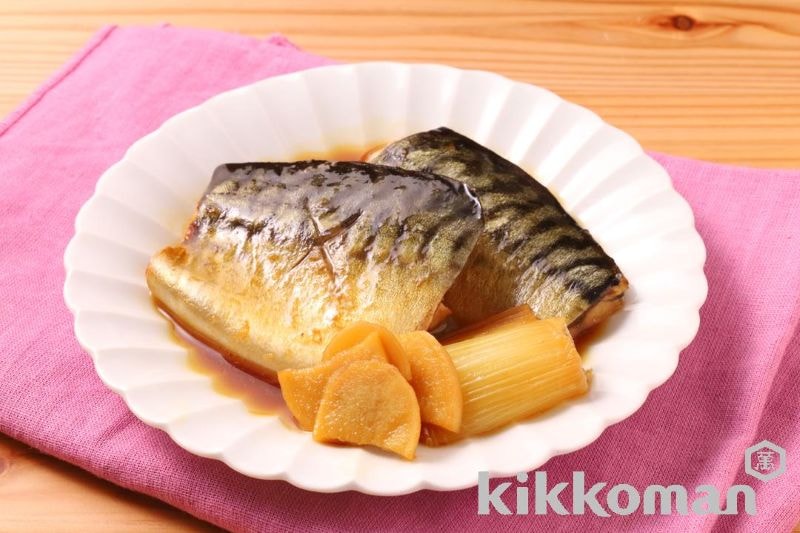
This is a popular Japanese fish recipe, featuring tender mackerel cooked in a sweet and savory broth.
The mirin, simmered with soy sauce, helps reduce the fishy smell of mackerel. It also adds a refined sweetness and richness while allowing the umami of the broth to permeate the fish.-
- Try the recipe now! Click on the link below:
-
Use Mirin as a Secret Ingredient
Mirin can be used as a secret ingredient in dishes other than Japanese cuisine. Just a small amount adds a gentle sweetness and complex umami that balances a dish's overall flavor.
Caprese Salad
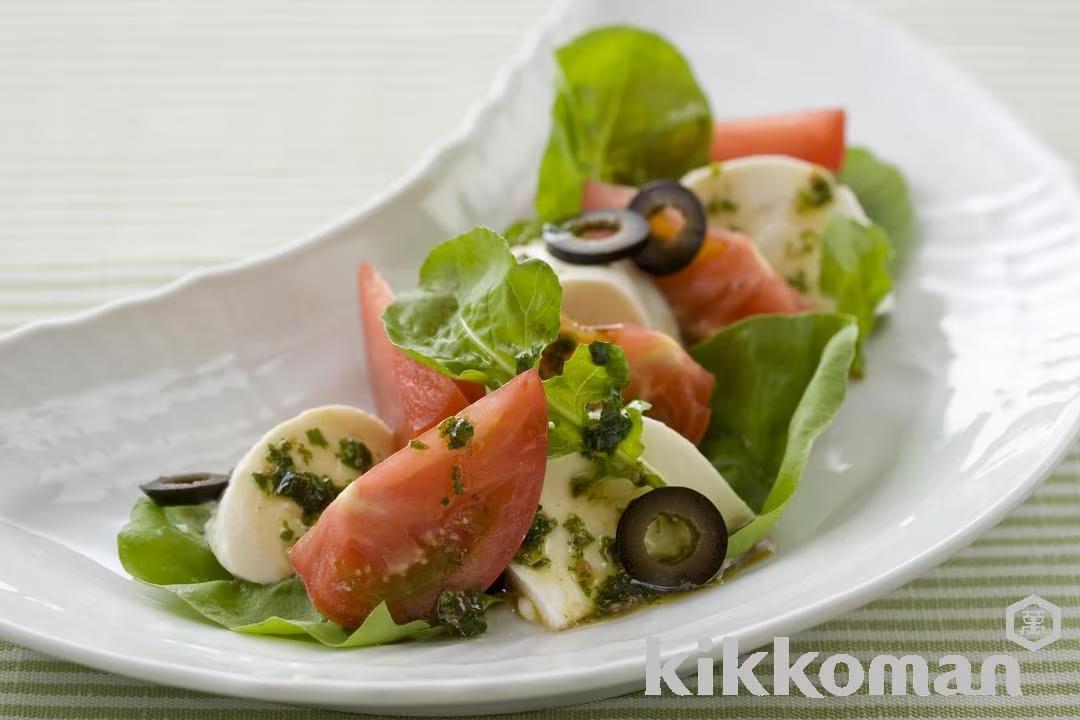
Why not try adding mirin to the dressing for a touch of gentle sweetness?
It brings out the flavors of the ingredients while mellowing the acidity, adding depth to the dish.
-
- Try the recipe now! Click on the link below:
-
Tomato Garlic Spaghetti
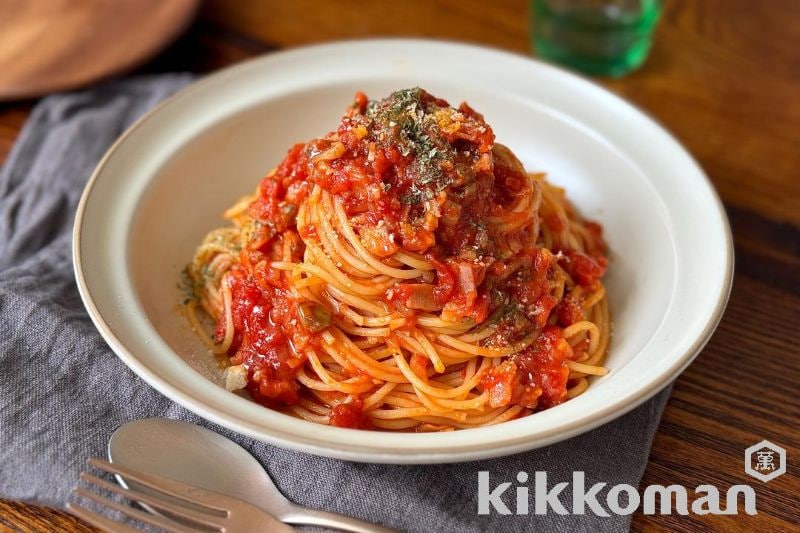
The spaghetti highlights the aroma of garlic and the umami of the tomatoes.
The secret ingredient, mirin, mellows out the acidity of the tomatoes and gives the entire sauce a deep, rich flavor.-
- Try the recipe now! Click on the link below:
-
Rice Dishes with Mirin
Mirin is also useful when cooking rice. Adding just a small amount will make the rice fluffy and give it a beautiful luster. It's recommended not only for mixed rice dishes but also for seasoning other rice dishes.
Fluffy Steamed Rice
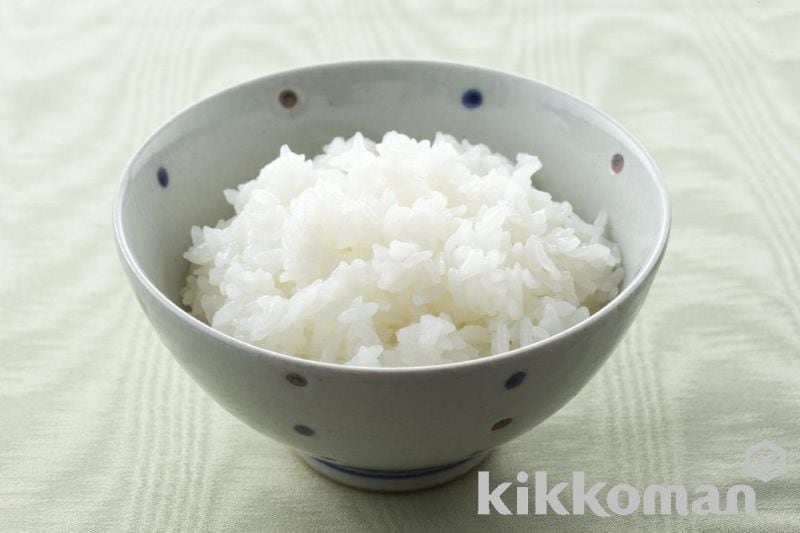
When cooking Japanese-style rice, simply adding mirin to the rice before cooking helps make it fluffy with a beautiful luster.
-
- Try the recipe now! Click on the link below:
Tuna and Hijiki Seaweed Mixed Rice
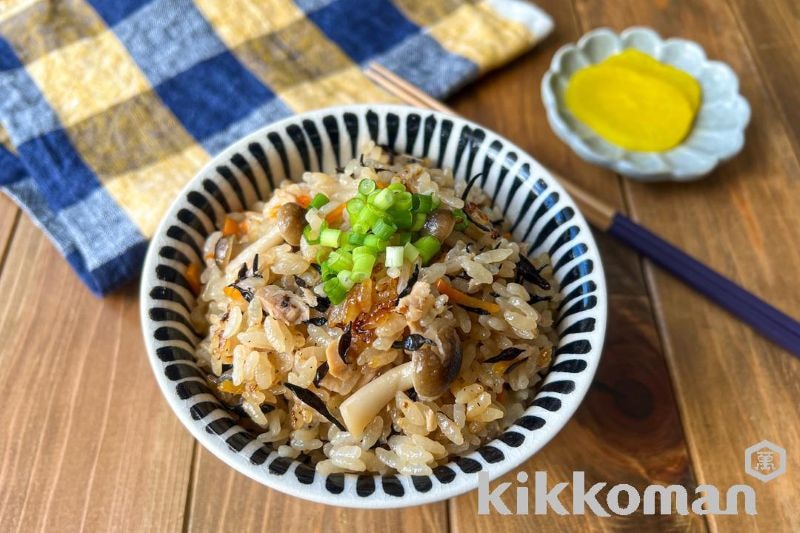
The Japanese mixed rice “Takikomi gohan” is made by cooking rice together with ingredients and seasonings. This recipe brings together hijiki seaweed and tuna. The gentle sweetness of mirin brings all the flavors together, resulting in a well-balanced taste full of umami.
-
- Try the recipe now! Click on the link below:
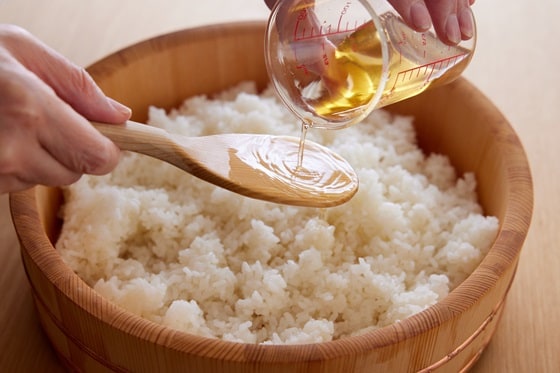
Sushi rice can also be made using mirin instead of sugar. Mirin gives the rice a refined sweetness and mellow richness, resulting in flavorful sushi rice. It's recommended for various sushi dishes such as temaki (hand-rolled) sushi and chirashi sushi. Give this different take on sushi rice a try!
-
Sweet Recipes with Mirin
Mirin can also be used in making sweets! Mirin contains various sugars, adding a gentle sweetness. Enjoy its mellow flavor, which is different from the sweetness of sugar.
Mirin-Flavored Sweet Potato Treats
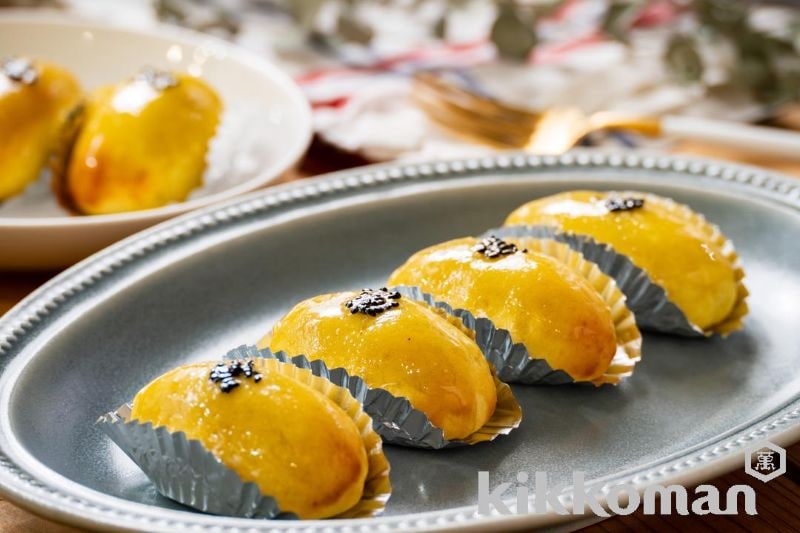
This sweet potato dish has a gentle flavor, with the elegant sweetness of mirin harmonizing perfectly with plenty of butter. The mirin adds natural sweetness and richness, enhancing the flavor of the sweet potato. Furthermore, brushing the surface with mirin at the end creates a beautiful luster and glaze.
-
- Try the recipe now! Click on the link below:
-
Mirin-Flavored Fluffy Pancakes

Adding mirin to the batter before baking results in fluffy pancakes.
You can enjoy the gentle flavor that mirin provides, which cannot be achieved with sugar alone.-
- Try the recipe now! Click on the link below:
-
Find Mirin Recipes with Ingredients You Already Have
The Cookbook contains numerous recipes using mirin. When you are unsure what to cook with the ingredients you have at home, try using the Cookbook's search function. Simply combine the name of an ingredient you have on hand with "mirin" in your search, and you'll find the perfect recipe. Simply combine the name of an ingredient you have on hand with "mirin" in your search, and you'll find the perfect recipe.
For example,
- mirin chicken
- mirin salmon
- mirin potato
- mirin mushroom
Enter the ingredient name and "mirin" separated by a space, as shown above.

Furthermore, under "Change Conditions and Search Again" at the bottom of the search results page, you can narrow down your search by criteria such as:- Main Ingredients
- Diet (Vegetarian / Vegan)
- Course
- Cooking Method
- Cooking Time

From classic Japanese dishes to unexpected variations, find your favorite and expand the ways you can use mirin!A Note From the Editor
I use mirin every day, but putting together these tips on how to use it has made me realize just how versatile it is. I discovered that it can be used not only in Japanese dishes like teriyaki and simmered dishes, but also in pasta and desserts. While working on this article, I started using mirin in tomato dishes, and now it's an indispensable ingredient in my cooking. I hope this article helps make mirin a more familiar part of your life. Please try out any recipes that interest you! (Kaho)

Post your creation!
Kikkoman Global (@kikkoman_global)
is posting Kikkoman Recipes.
If you made this recipe, please post it with the hashtag #KikkomanLife
We love to see your creations on Instagram! -