
Chirimenjako / Dried Young Sardines
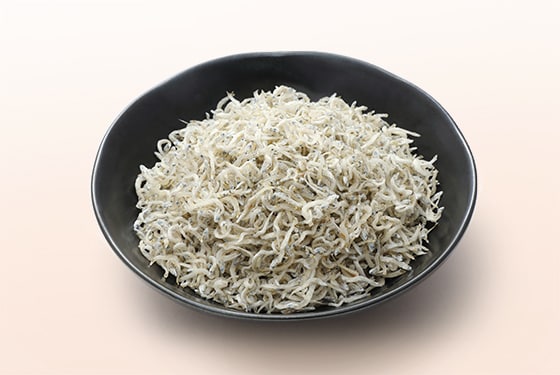
Dried little sardines that pack an umami punch and a satisfying crunch
What is chirimenjako?
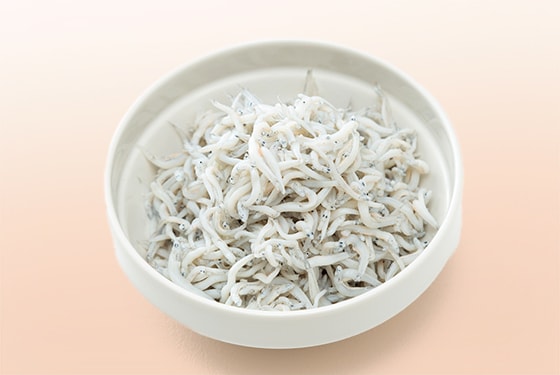
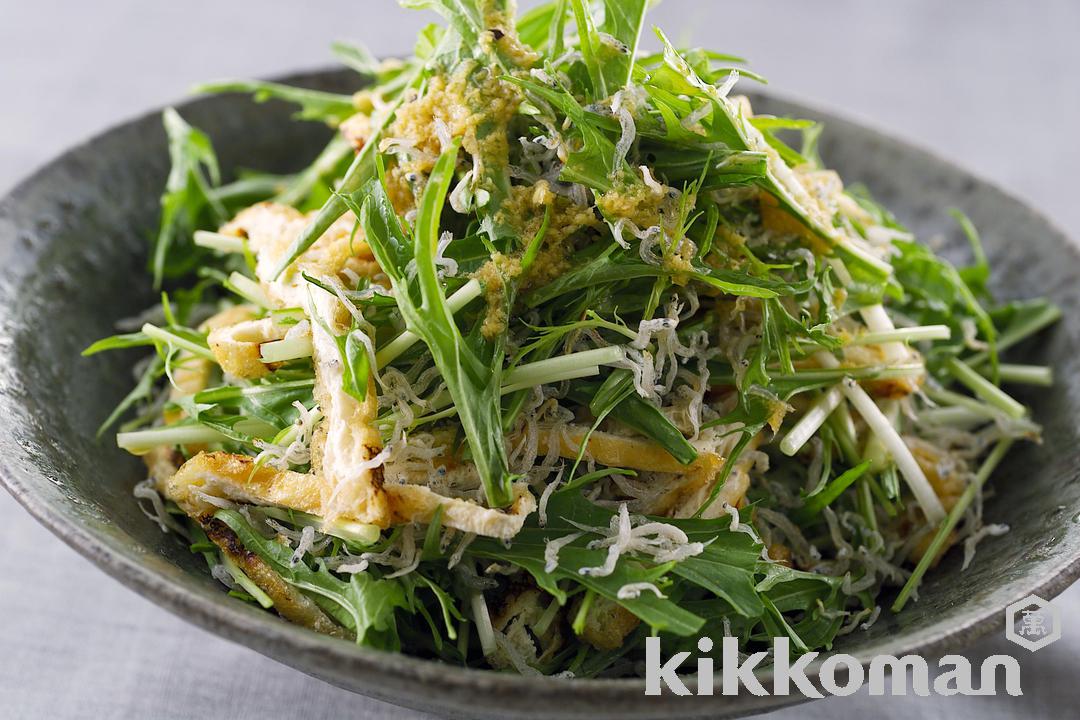
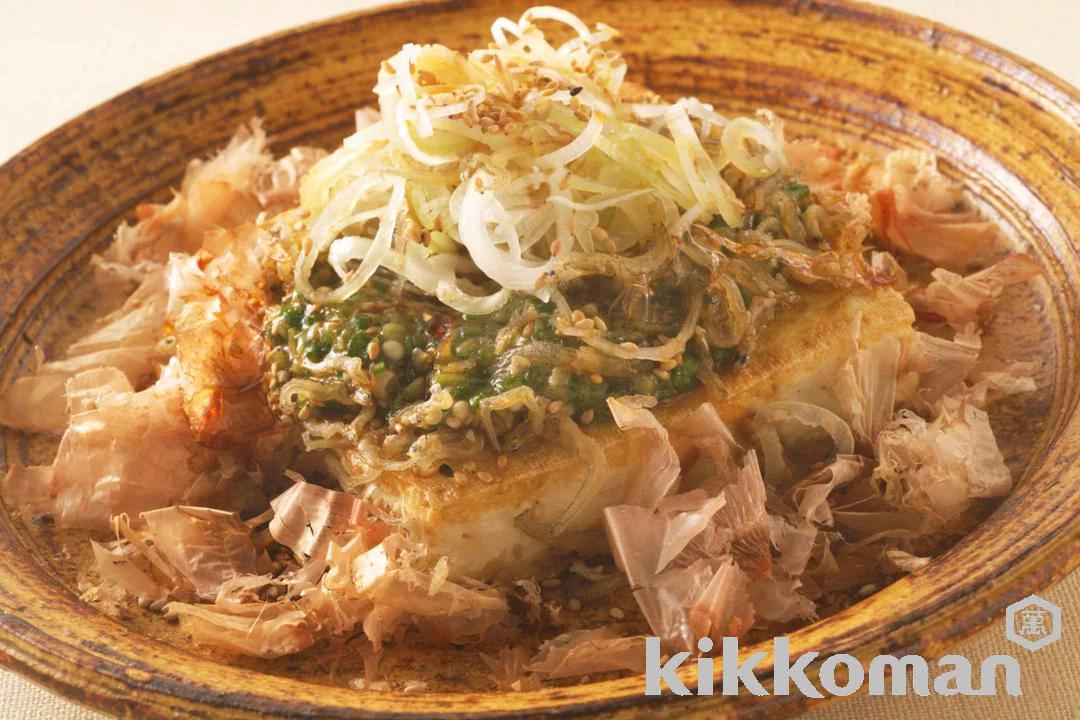
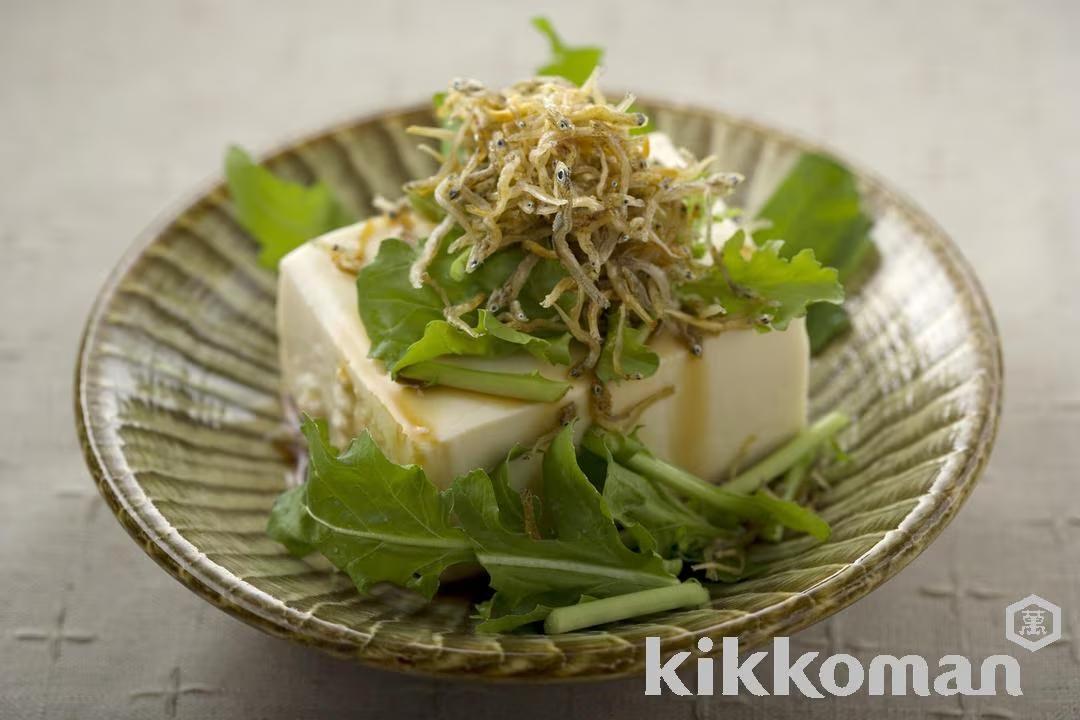
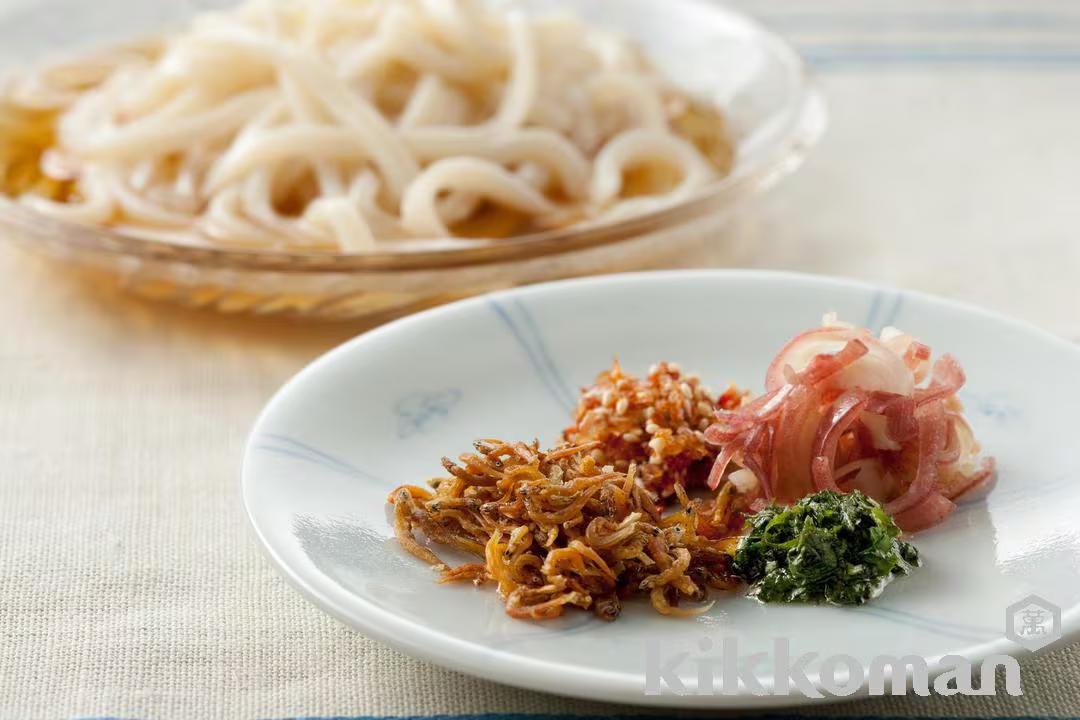
Chirimenjako / dried young sardines (ちりめんじゃこ in Japanese) are young Japanese anchovies and Japanese pilchards boiled in salted water and then dried in the sun or using a machine. When the water content after drying is less than 50%, these dried sardines are called chirimenjako. Mix them with pasta or rice, or add them to salads, omelettes, or even stir-fries.
Nutrition facts
Chirimenjako is rich in calcium, which helps maintain healthy bones and teeth. Since chirimenjako can be eaten with the bones, it is an efficient source of calcium, and is recommended for growing children and elderly people looking to prevent osteoporosis. Chirimenjako is also rich in vitamin D, which helps with calcium absorption.
Chirimenjako contains high amounts of DHA and EPA, which are omega-3 fatty acids that support cardiovascular and neurological health. These lower cholesterol levels in the blood and help prevent arteriosclerosis and heart disease. These tiny fish are also rich in vitamin B12, which plays an important role in physiological functions, such as red blood cell formation and the synthesis of DNA and proteins.
However, as chirimenjako is boiled in salt water it is high in sodium, so it is best to keep track of the amount you eat. A good option is using chirimenjako instead of salt and other salty seasoning in your dishes, such as sprinkling these fish onto salads and eating them with vegetables that are high in potassium, or even putting it on rice or bread.
Storage to prevent food loss
Lasts one week in the refrigerator, and one month in the freezer. The low water content means it is not likely to change colors in the freezer, making this an ideal storage method.
Related Recipes
 20min+
 171kcal
 433mg
433mg
- 10min
- 267kcal
- 1339mg