

Teriyaki Salmon
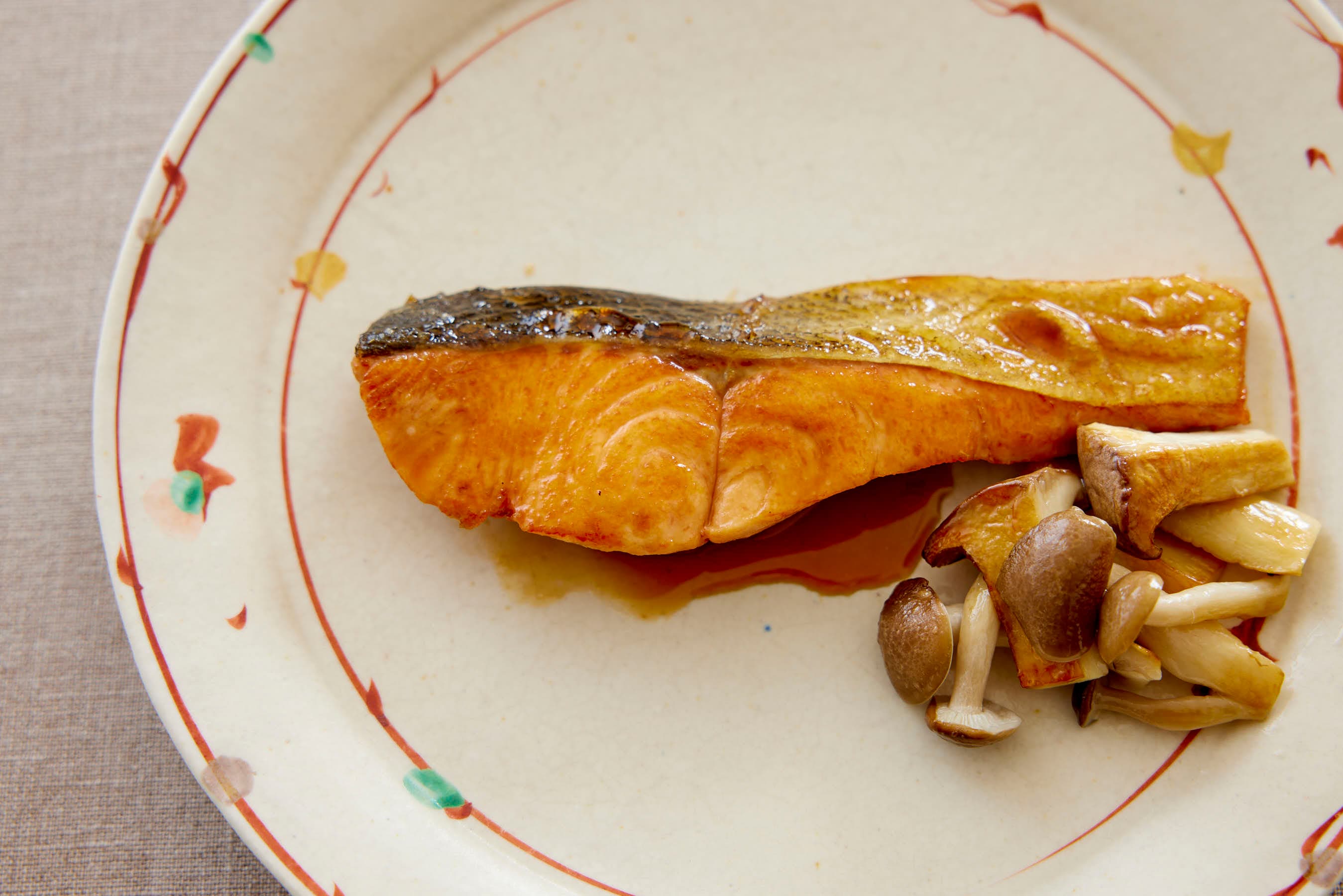
In this dish, pan-seared salmon is coated in a sweet and savory sauce. The rich, addictive flavor will have you coming back for more! It’s a classic example of Japanese home cooking.
- by Yuko Ihara
Table of Contents
- What is Teriyaki Salmon?
- The Secret to Delicious Flavor of Teriyaki Salmon
- Things to Remember When Making Teriyaki Salmon
- Ingredients
- Calories and Cooking Time
- How to Prepare the Ingredients
- How to Make Teriyaki Salmon
- More Ways to Enjoy Teriyaki Salmon
- FAQ
- The Basics of Plating Fish
- Kikkoman Products Used in This Recipe
- About the Recipe Author
What is Teriyaki Salmon?
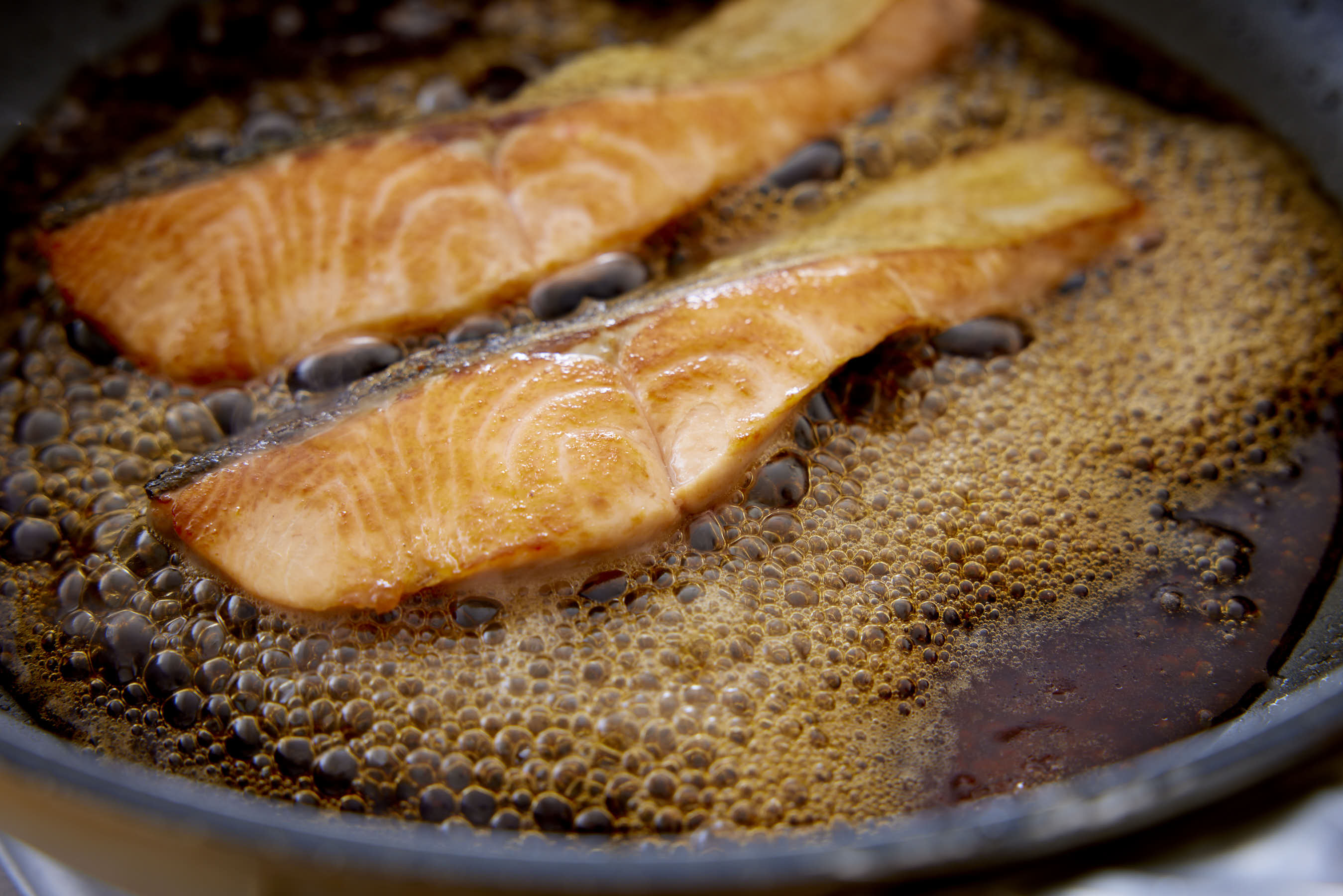
Teriyaki is a Japanese cooking method in which fish or meat is coated with a mixture of soy sauce, sugar, mirin, and other seasonings, then grilled or pan-cooked. The name “Teriyaki” comes from the glossy finish (“teri” / 照り) that appears when the sauce is simmered and thickened while coating the surface of the food. Its rich, slightly sweet flavor pairs especially well with salmon.
The Secret to Delicious Flavor of Teriyaki Salmon
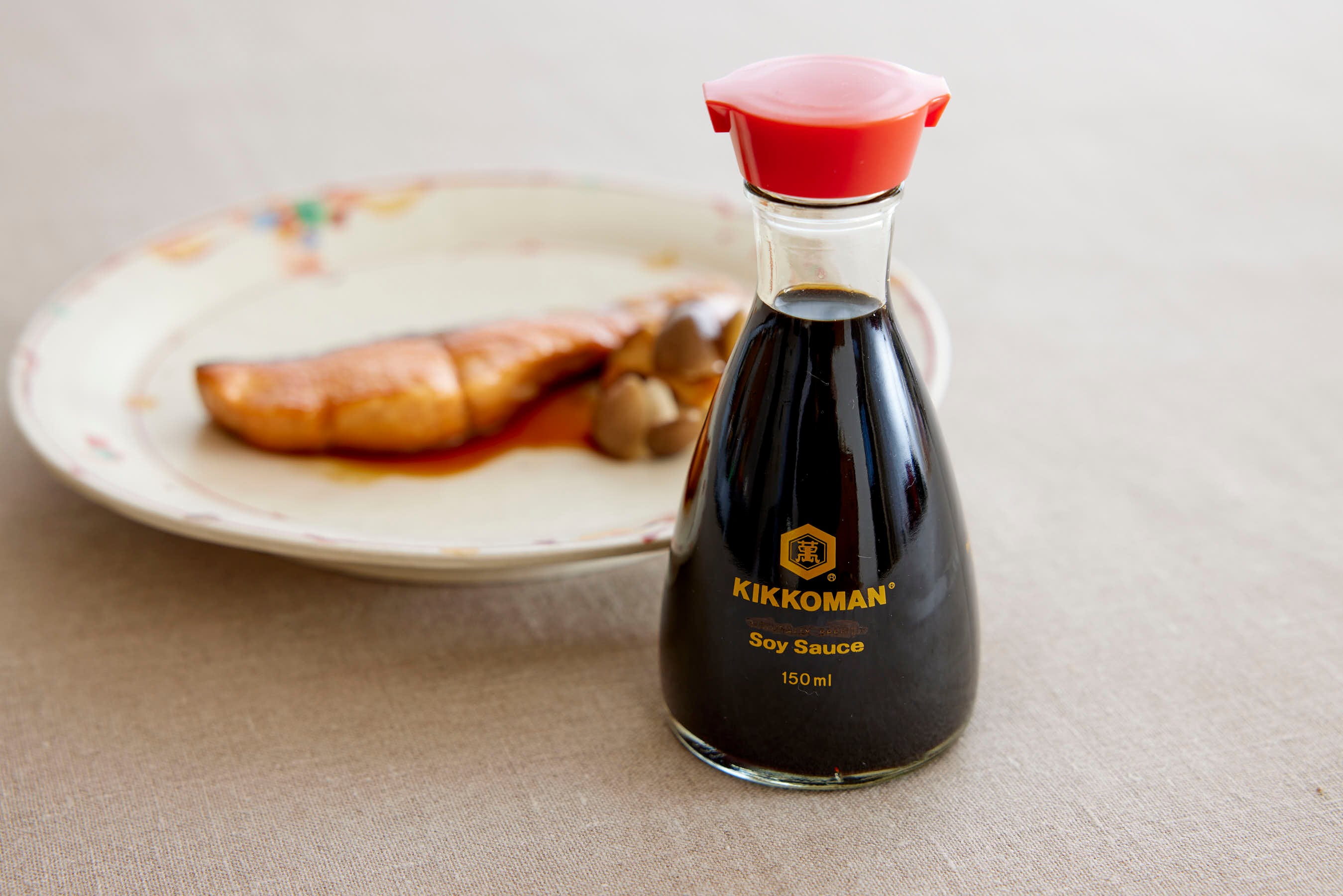
The key to the sweet and savory flavor of Teriyaki lies in soy sauce. When heated, the amino acids in the soy sauce and sugars in ingredients like mirin and other sweeteners react to create a rich umami taste and a deliciously fragrant aroma.
Things to Remember When Making Teriyaki Salmon
Add a glossy finish by adding mirin
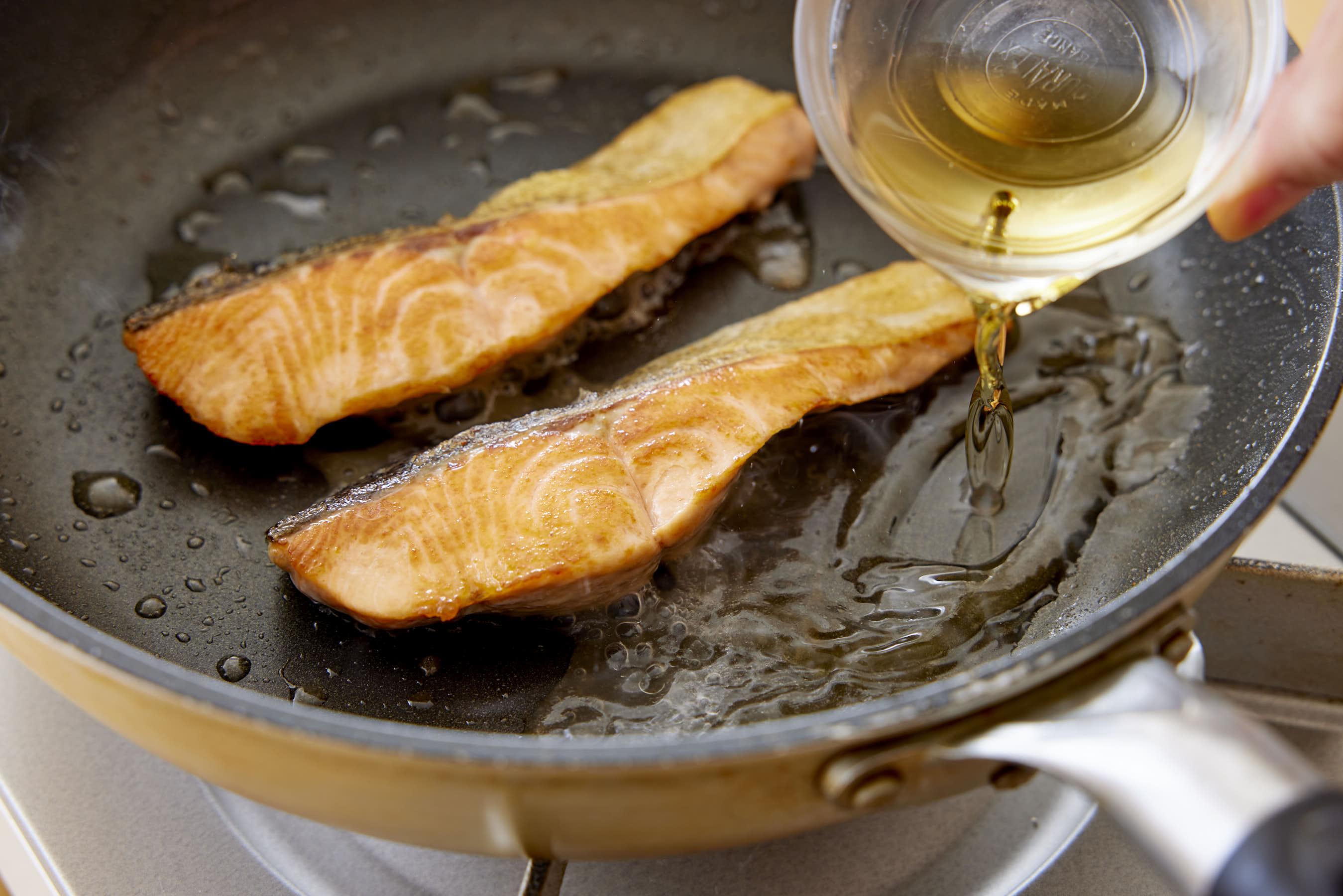
Mirin is a traditional Japanese seasoning that contains a high amount of saccharides. It not only adds a gentle, refined sweetness and depth of flavor to dishes, but also gives Teriyaki its characteristic glossy finish.
Ingredients (servings: 2)
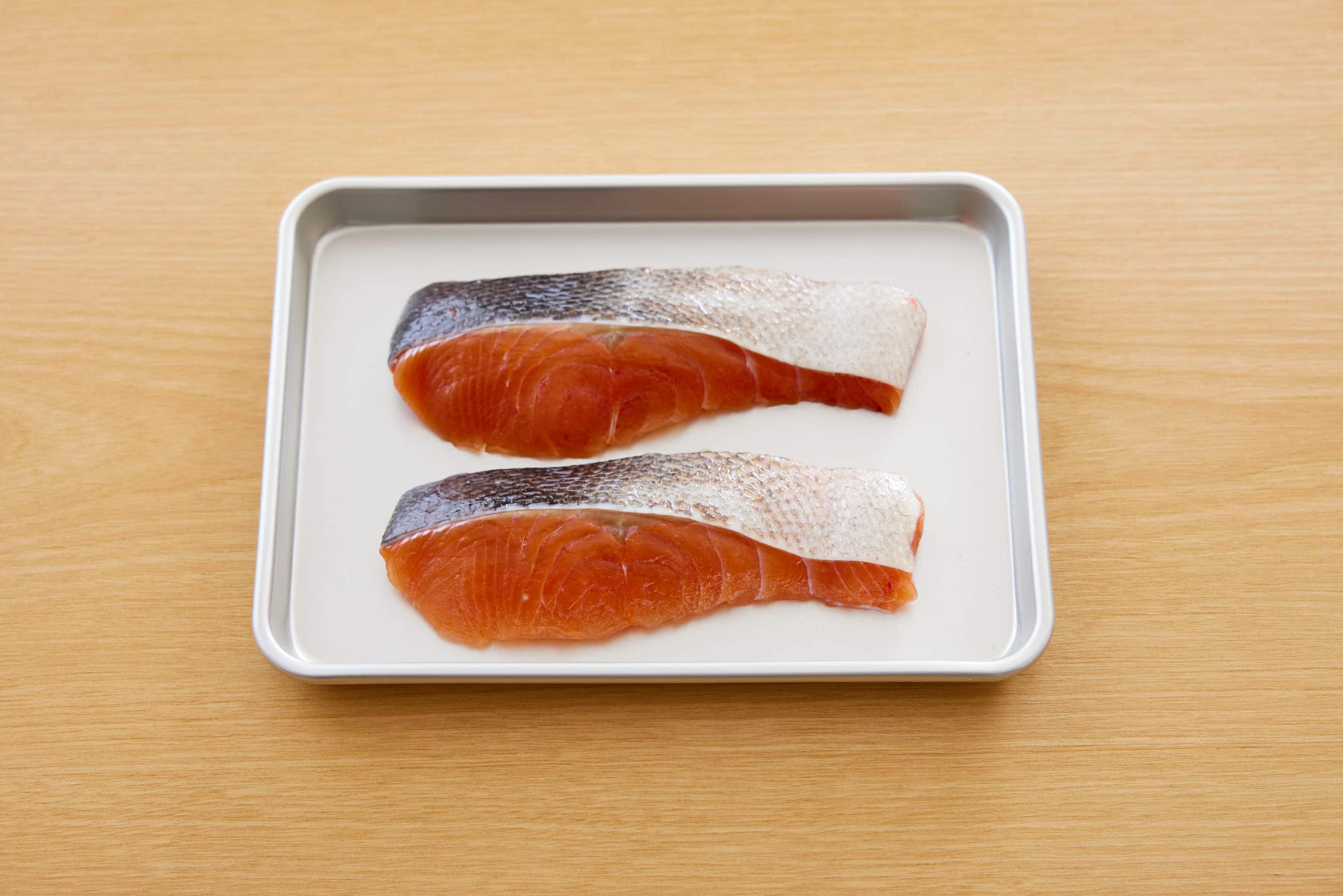
fresh salmon fillets - 2 pieces (200g / 7oz.)
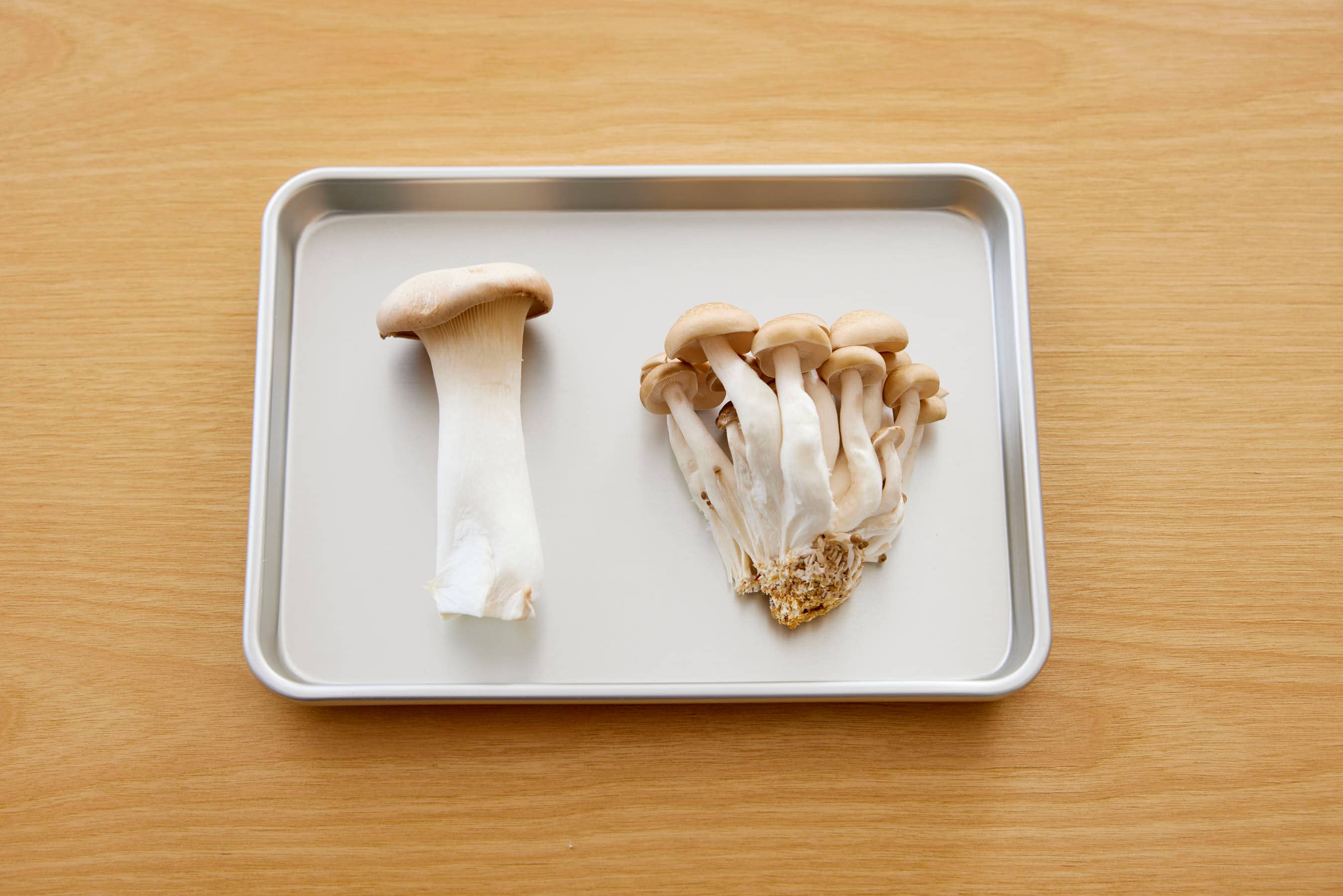
shimeji mushrooms - 40g (1.4 oz.)
king oyster mushrooms (eryngii) - 1 small cluster (50g / 1.7 oz.)
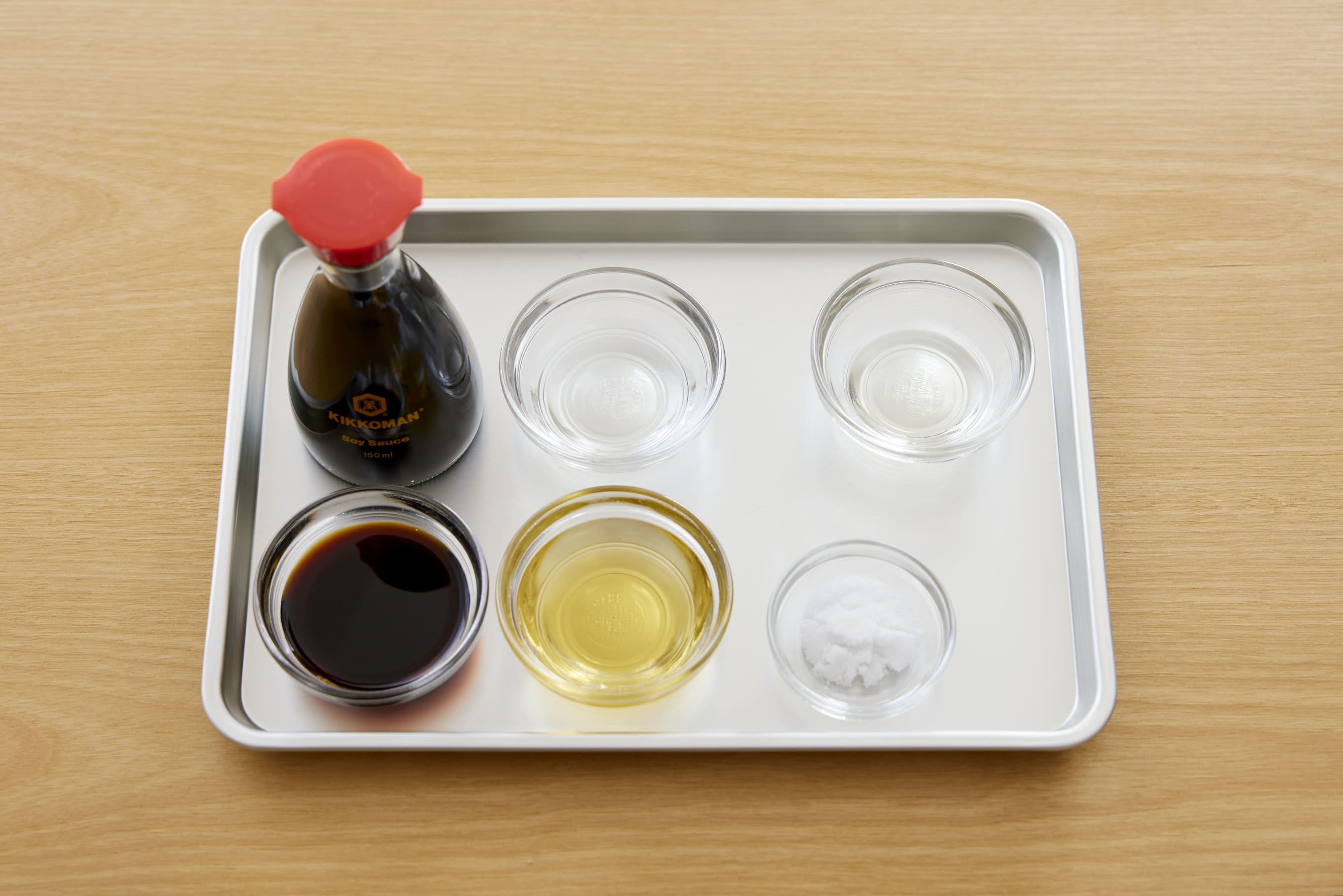
cooking oil - 1/2 Tbsp
sake (cooking sake) - 1 Tbsp
mirin - 2 Tbsp
sugar - 1 tsp
Kikkoman Soy Sauce – 1.5 Tbsp
Calories and Cooking Time

* Nutrition facts are for one serving.
* Nutrition and sodium values are for consumption of 70% of the Teriyaki sauce.
How to Prepare the Ingredients
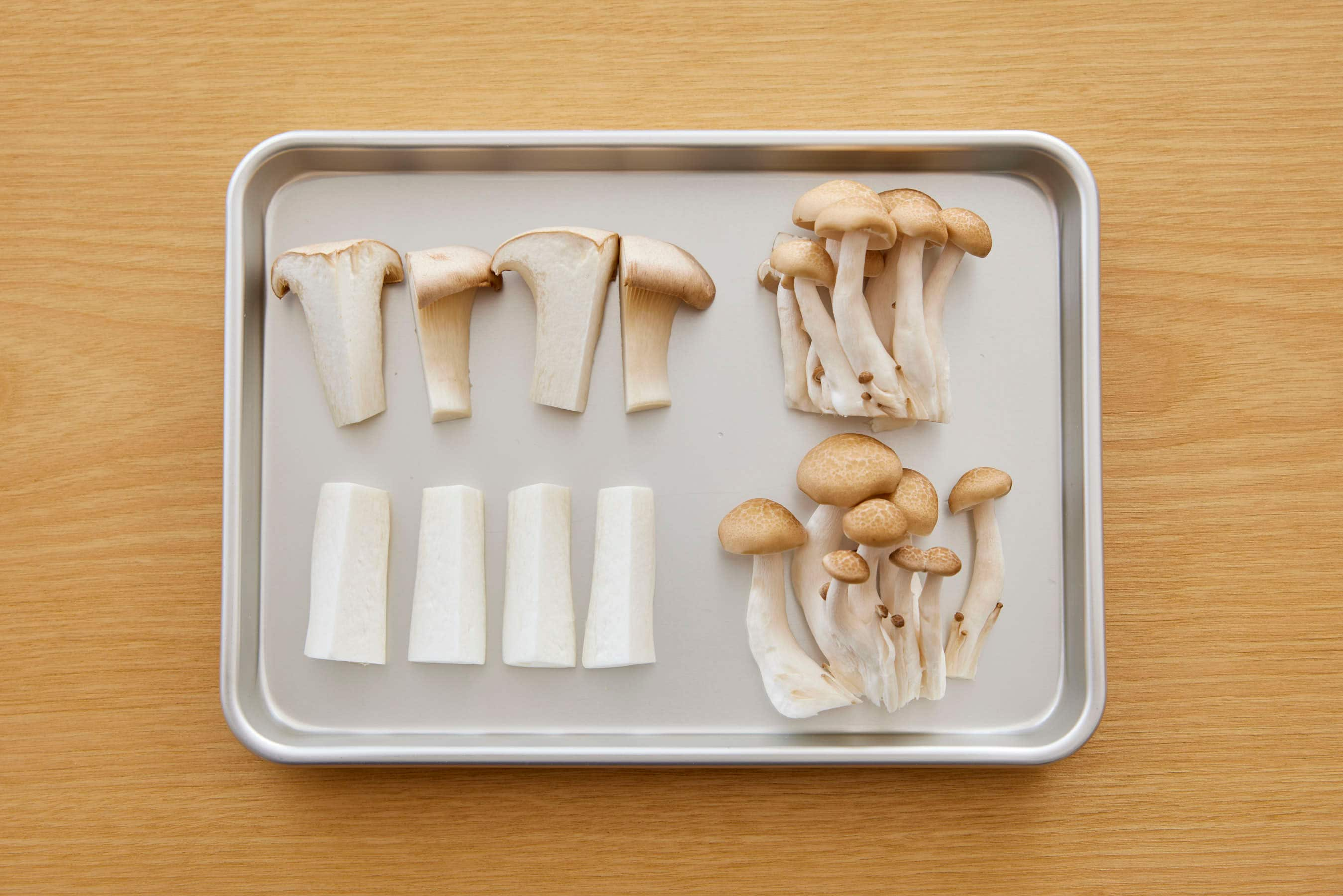
- 1Trim off the hard base of the king oyster mushrooms (eryngii), then cut them in half crosswise and slice each piece into four equal parts. Trim off the hard base of the shimeji mushrooms and separate them into two clusters.
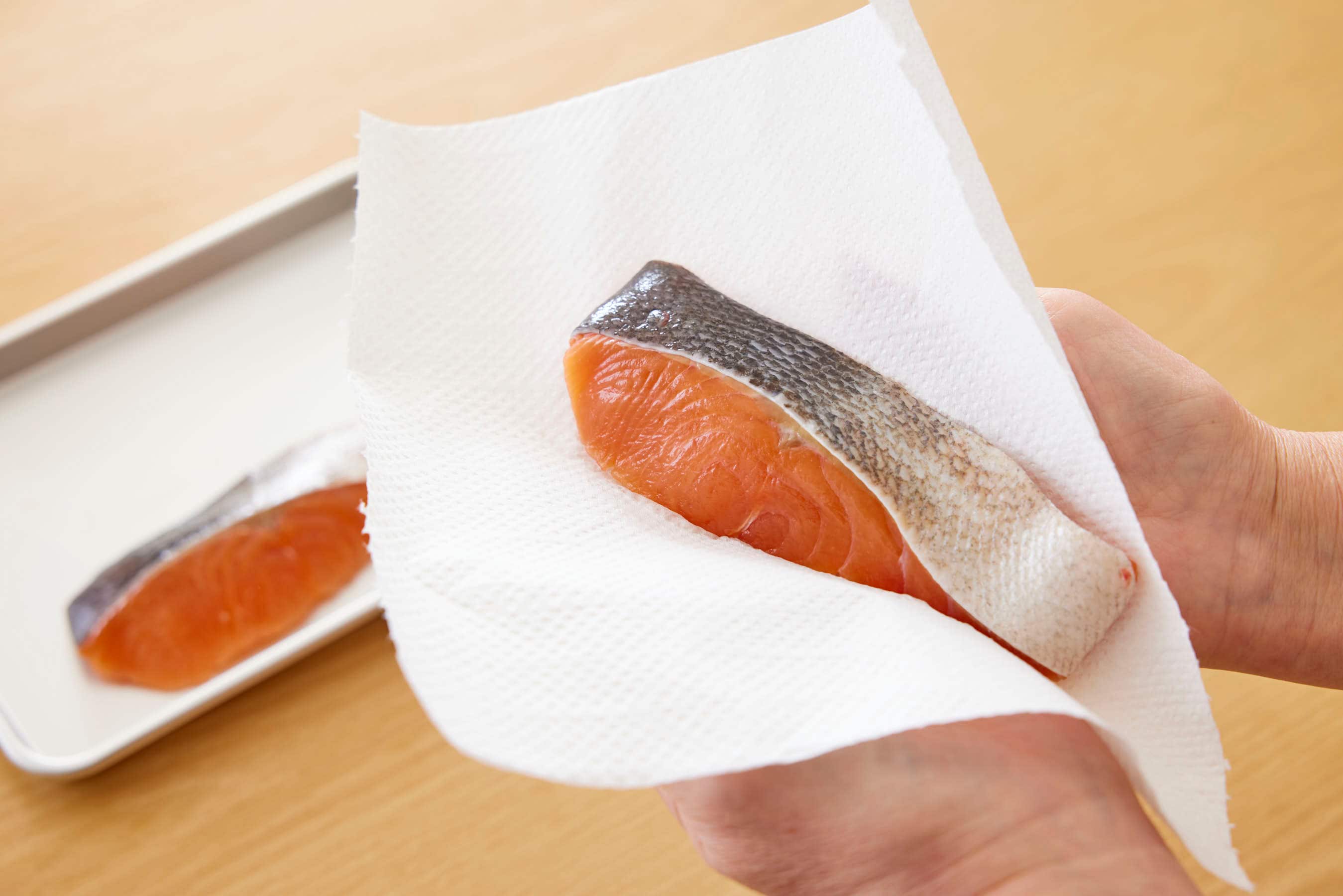
- 2Wrap the salmon with a paper towel and pat from the outside to remove excess moisture.
- TipsRemoving moisture helps reduce fishy odors and results in a better-tasting dish
Watch video for preparing the ingredients
How to Make Teriyaki Salmon
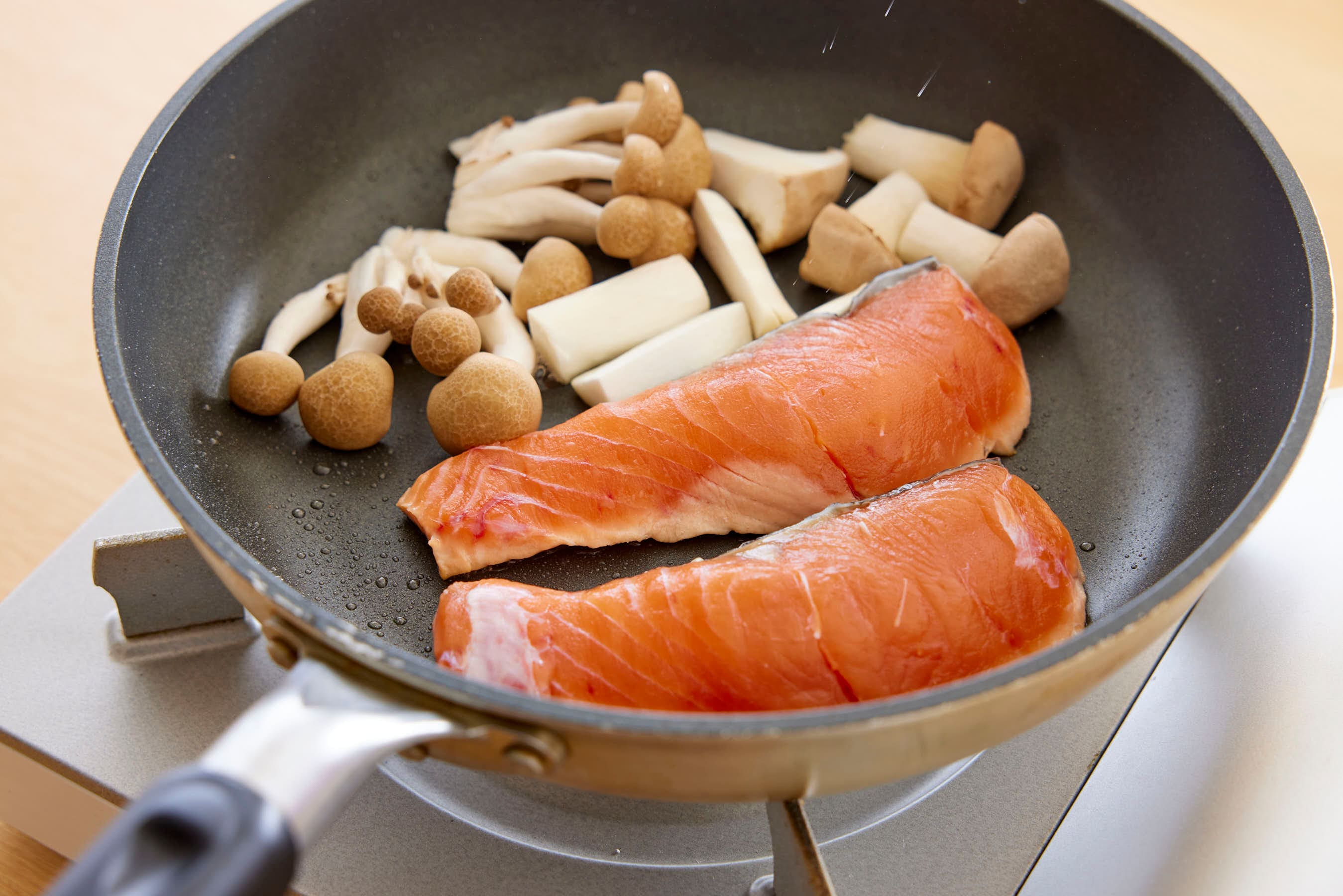
- 1Add cooking oil to a fry pan and heat over medium. Place the salmon skin-side down, add the mushrooms, and cook for 2 minutes. Turn the mushrooms over midway through.
- TipsPlacing the salmon skin-side down helps achieve a more attractive presentation. There are general guidelines for plating fish—see ‘The Basics of Plating Fish’ for more details.
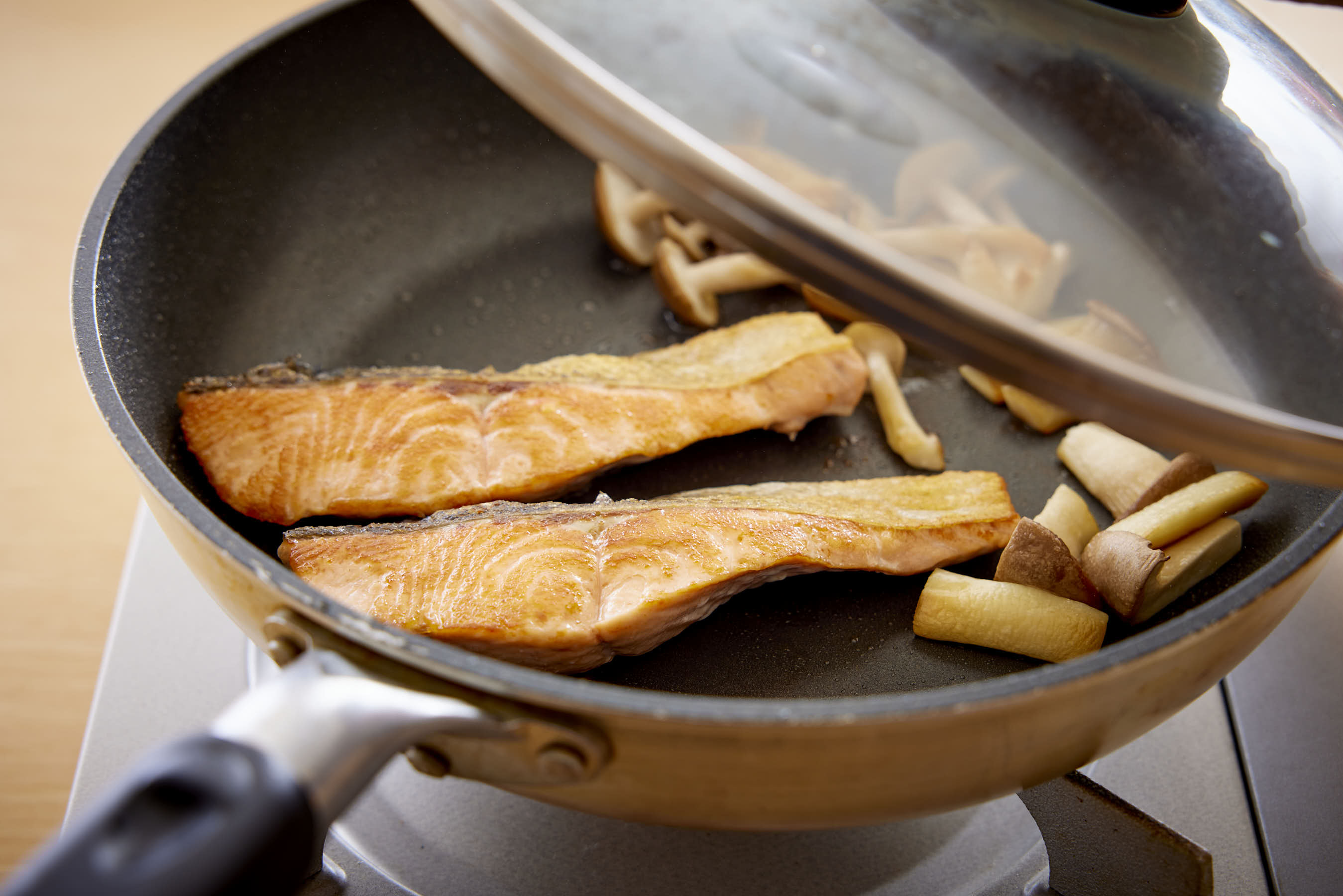
- 2Flip the salmon and cover with a lid. Cook over low heat for 2 minutes.
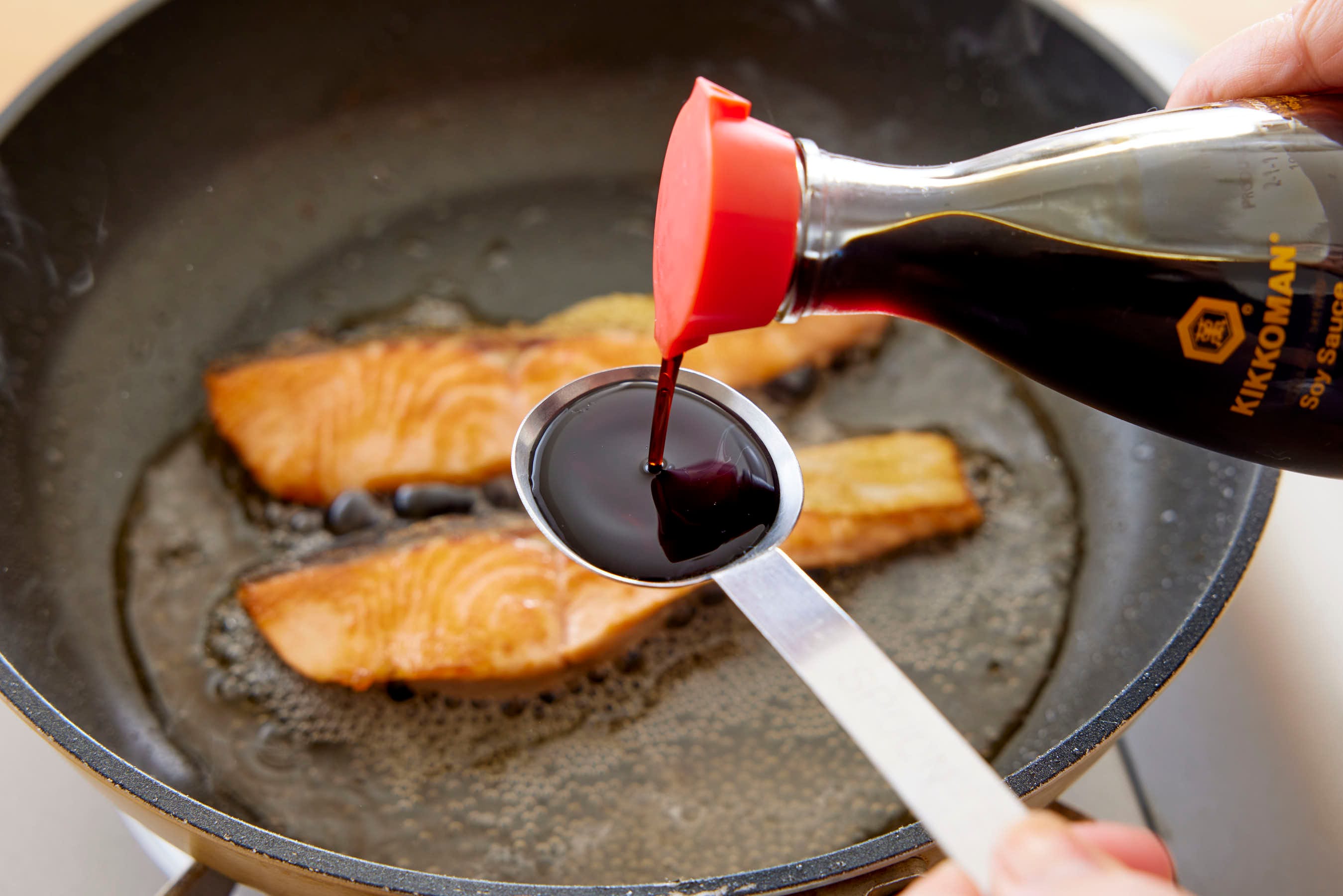
- 3Remove the mushrooms. Move the salmon to the center of the pan, then add sake, sugar, mirin, and Kikkoman Soy Sauce, and turn the heat to medium.
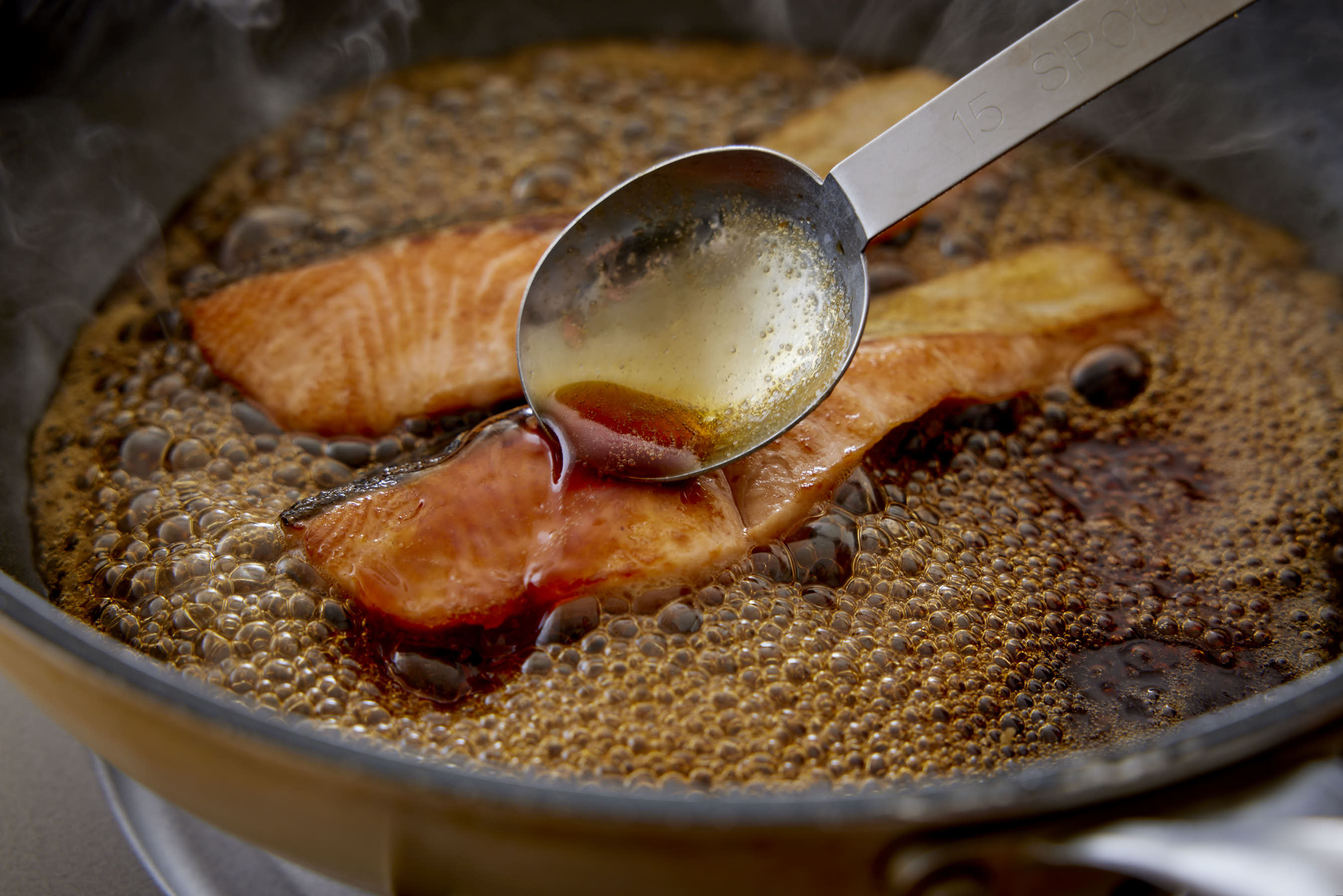
- 4Once it begins to simmer, spoon the sauce over the salmon. When the sauce thickens slightly, transfer the salmon to a plate and add the mushrooms on the side. Finally, drizzle the remaining sauce from the pan over the salmon.
- TipsSince fish can easily fall apart, don’t move it around—just spoon the sauce over the top to let the flavor soak in.
Watch video for making Teriyaki salmon
More Ways to Enjoy Teriyaki Salmon
Teriyaki Salmon with Roasted Potatoes and Dill Yogurt Salad
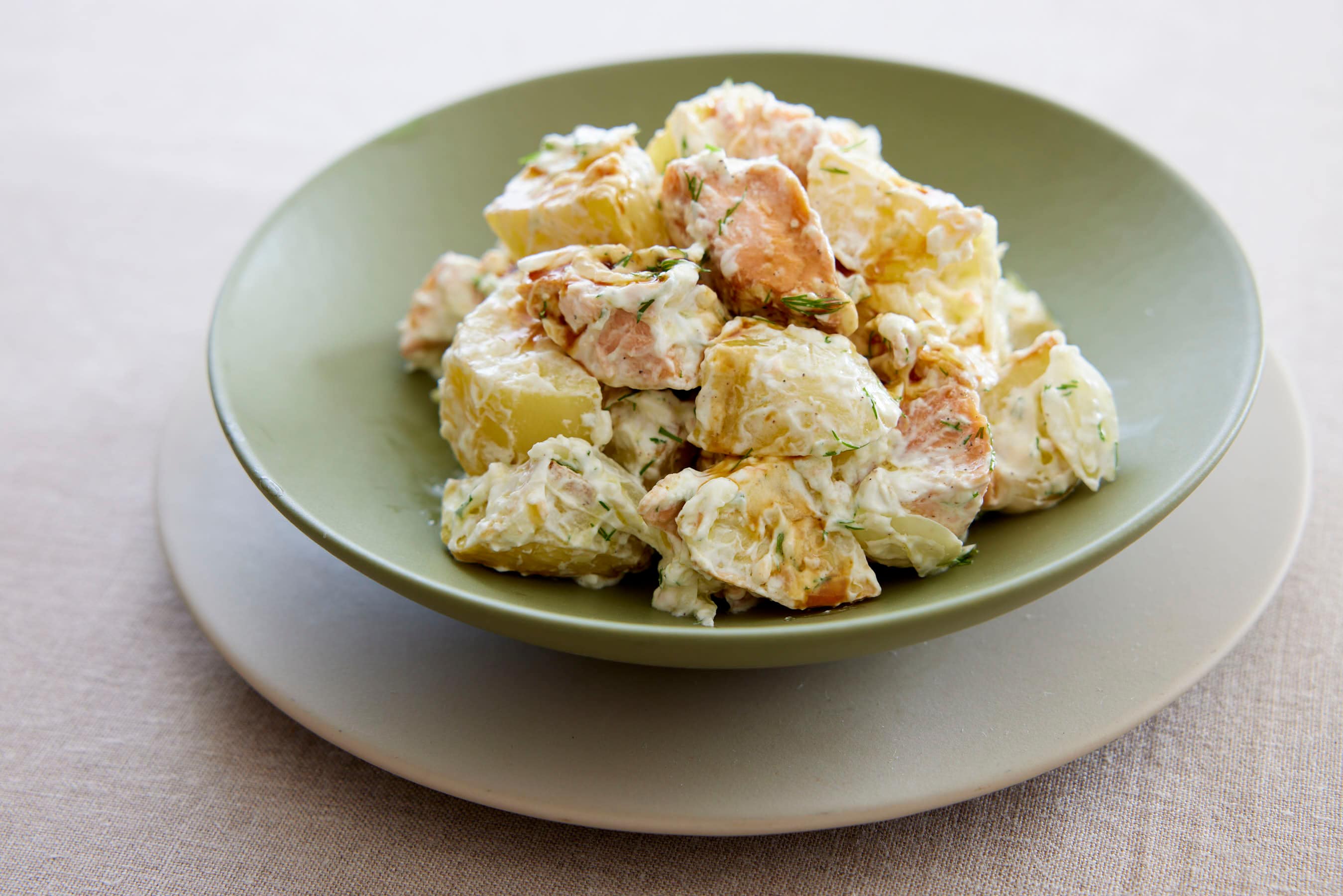
This dish pairs Teriyaki salmon with oven-roasted potatoes in a salad-style presentation, dressed with dill-infused yogurt. The Teriyaki sauce is not mixed into the yogurt; instead, it’s drizzled over at the end to highlight the sweet and savory flavor of the Teriyaki.
Teriyaki Salmon Pasta
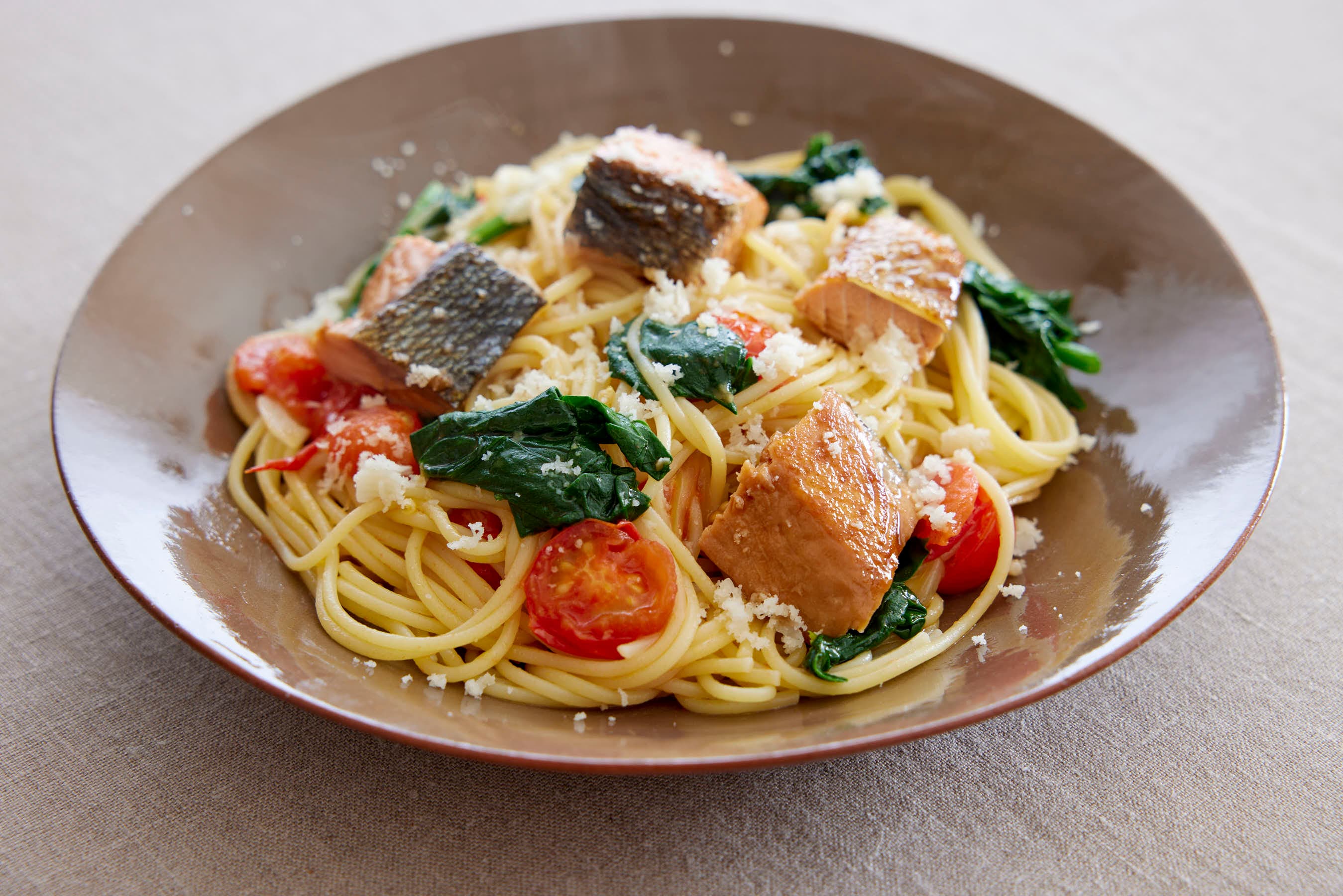
This dish features Teriyaki salmon served over spaghetti with an olive oil base. Flake the salmon and enjoy it while mixing the Teriyaki sauce into the pasta, spreading its sweet and savory flavor throughout the dish. The acidity and sweetness of the added tomatoes blend beautifully with the salmon for a perfectly balanced bite.
FAQ
What Types of Seafood Can Be Used for Teriyaki?
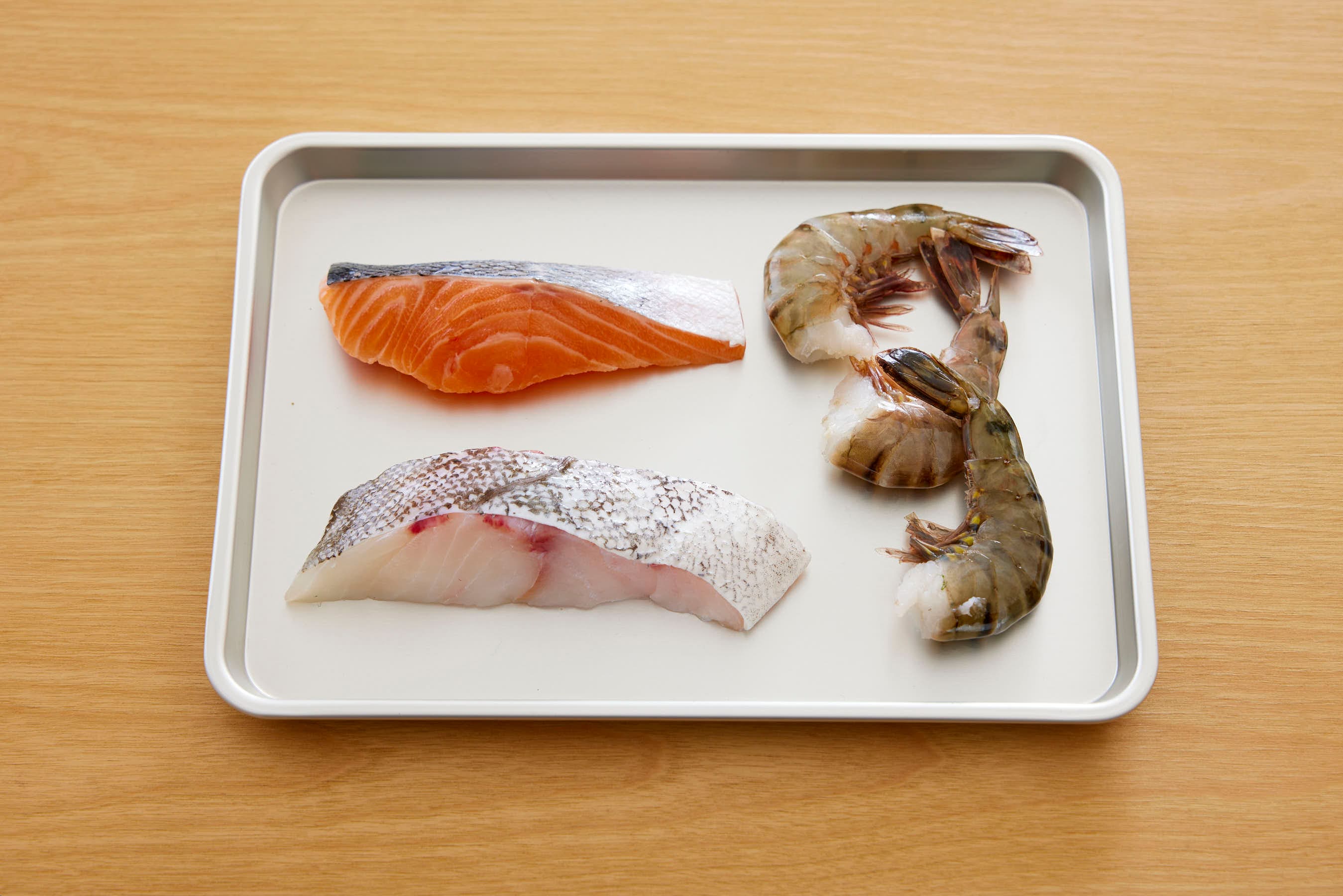
Salmon and cod pair exceptionally well with the flavors of Teriyaki. The flavor of shell-on shrimp is also enhanced, especially when grilled with their shells on and coated with the sauce, taking on a savory, roasted aroma.
What Kind of Seasoning is Mirin?
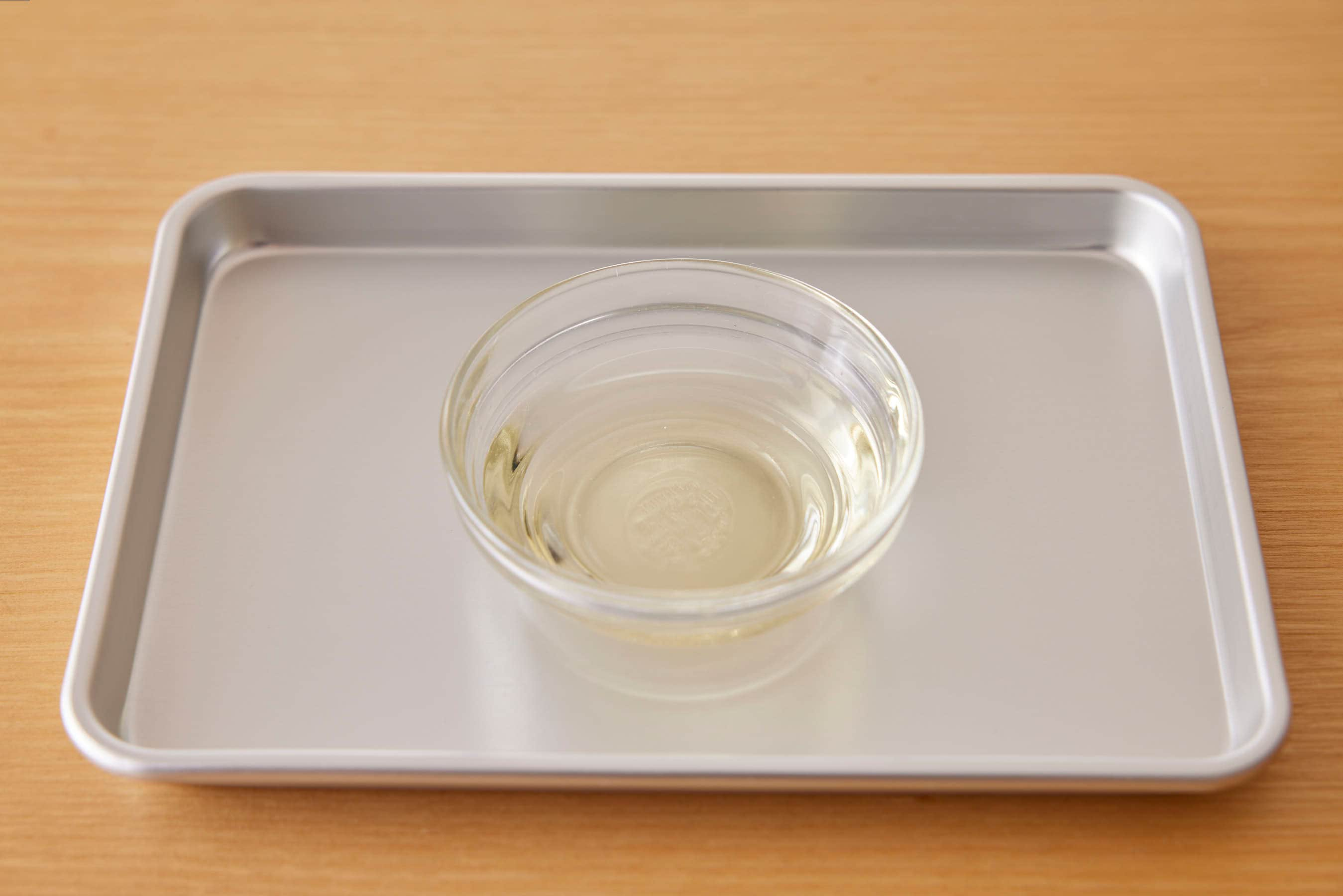
Mirin is a seasoning made from a long process of slow saccharification and aging of the ingredients of rice, glutinous rice, rice koji and alcohol. In dishes like Teriyaki, it not only adds sweetness but also gives the food a beautiful shine and glaze. It also helps to mellow out the distinct smell of fish.
The Basics of Plating Fish
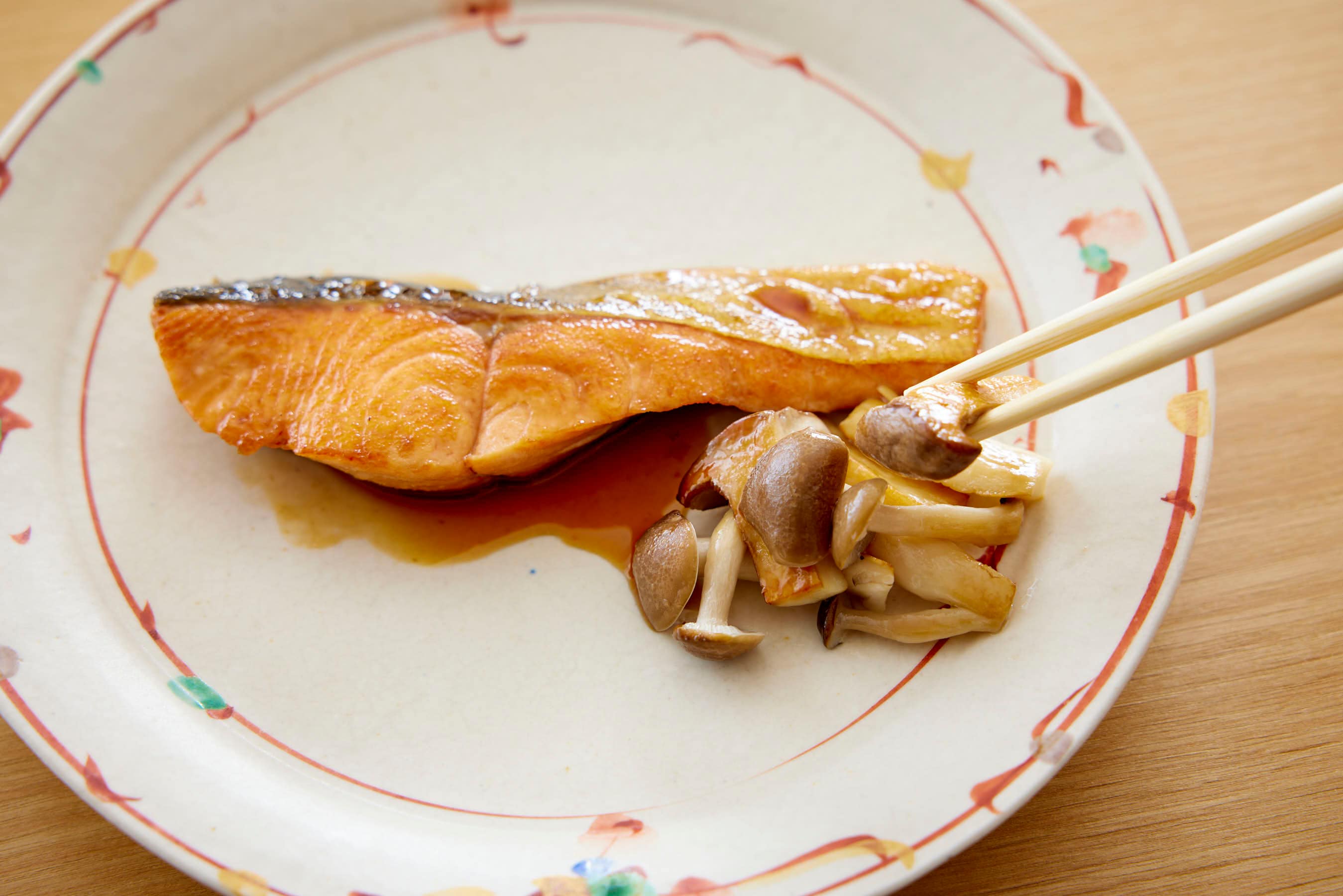
When plating fish in Japanese cuisine, the standard practice is to place the fillet skin-side up, with the belly side facing forward. While this may not always apply depending on the cut or shape of the fish, it's best to keep the skin side on top whenever possible. When cooking, start by placing the skin side down in the pan—this way, when you flip it, the presentation side will be on top and can be transferred neatly to the plate. Additionally, placing the garnish in front and to the right of the fish is considered visually pleasing. Beautiful presentation is an important aspect of Japanese cuisine.
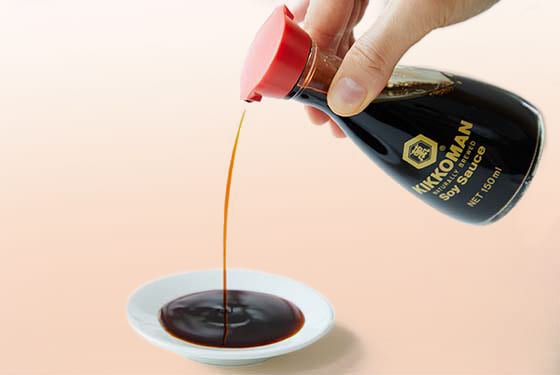
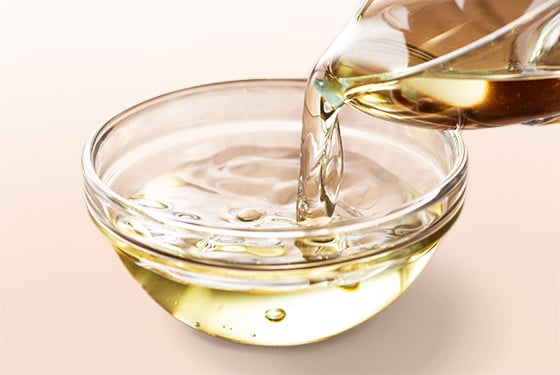
Kikkoman Products Used in This Recipe
About the Recipe Author

Yuko Ihara
Having lived in England and the U.S., Yuko Ihara is well-versed in a wide range of culinary genres. As a culinary researcher, she creates dishes for magazines and books, develops corporate menus, and also engages in product development and food consulting. She introduces easy-to-follow tips on how to make delicious food at home, emphasizing the importance of seasonality and healthful eating. When travelling, she loves to search for delicious vegetables and ingredients.
Instagram: @iharayukoo
About Washoku Lesson
Washoku Lesson is special content offering detailed and easy-to-understand explanations, including tips for making classic Japanese dishes as well as the many ways of enjoying these, and introductions to special Japanese cooking utensils and annual events.

Related Recipes
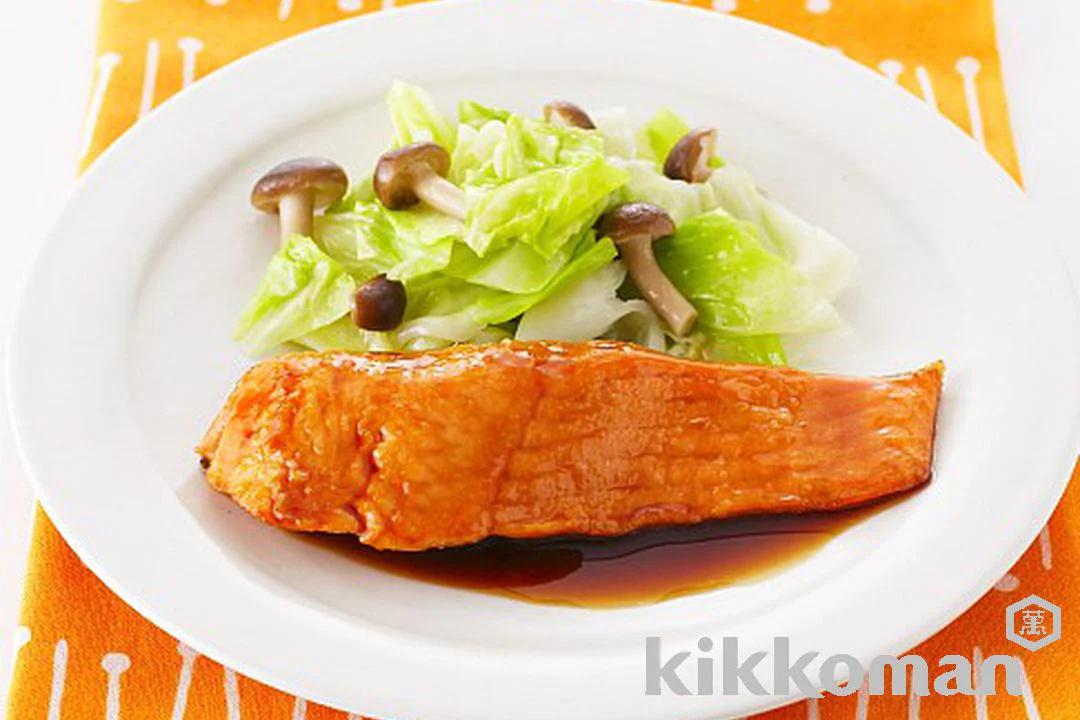
 10min
10min 357kcal
 800mg
800mg
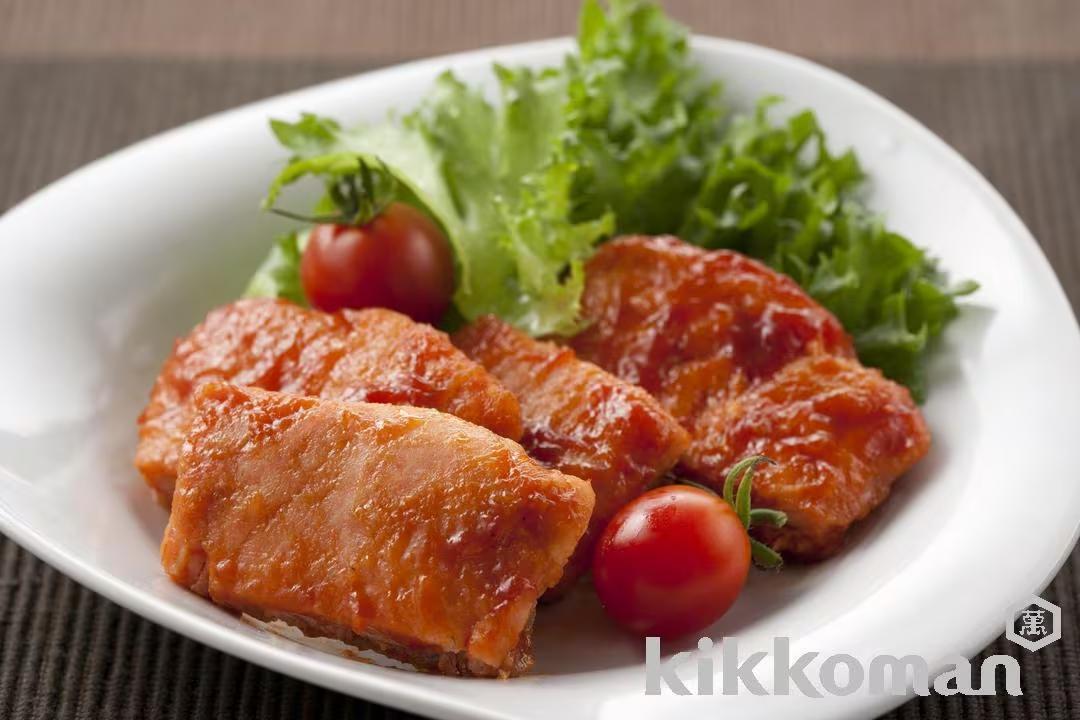
- 15min
- 227kcal
- 600mg
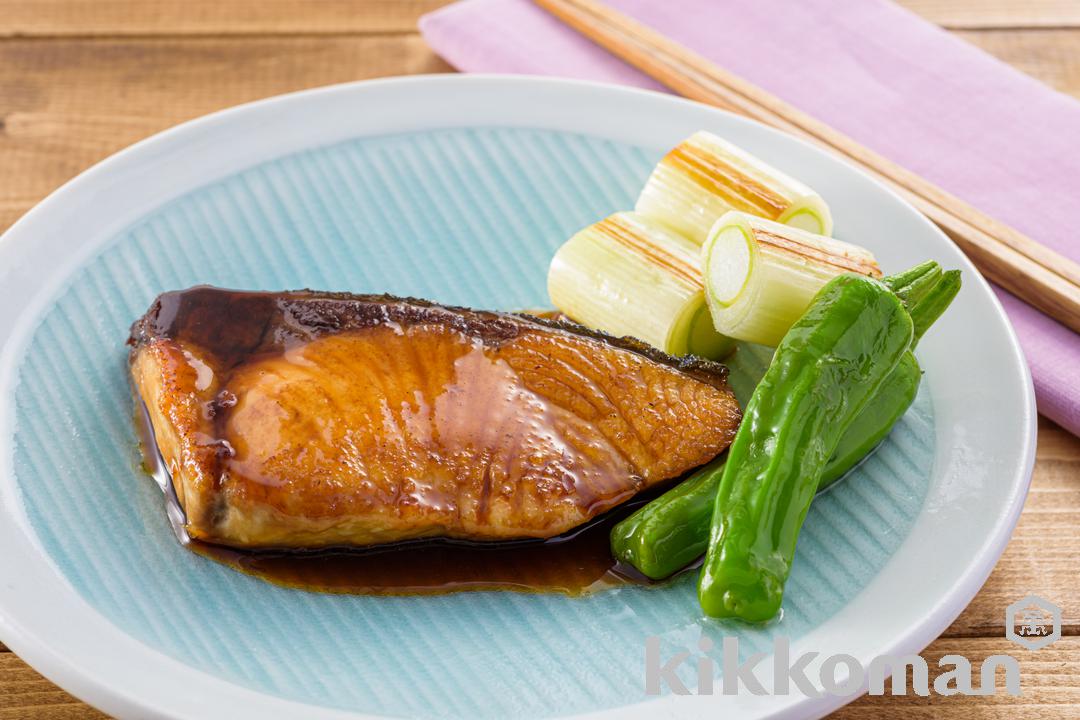
- 10min
- 371kcal
- 512mg
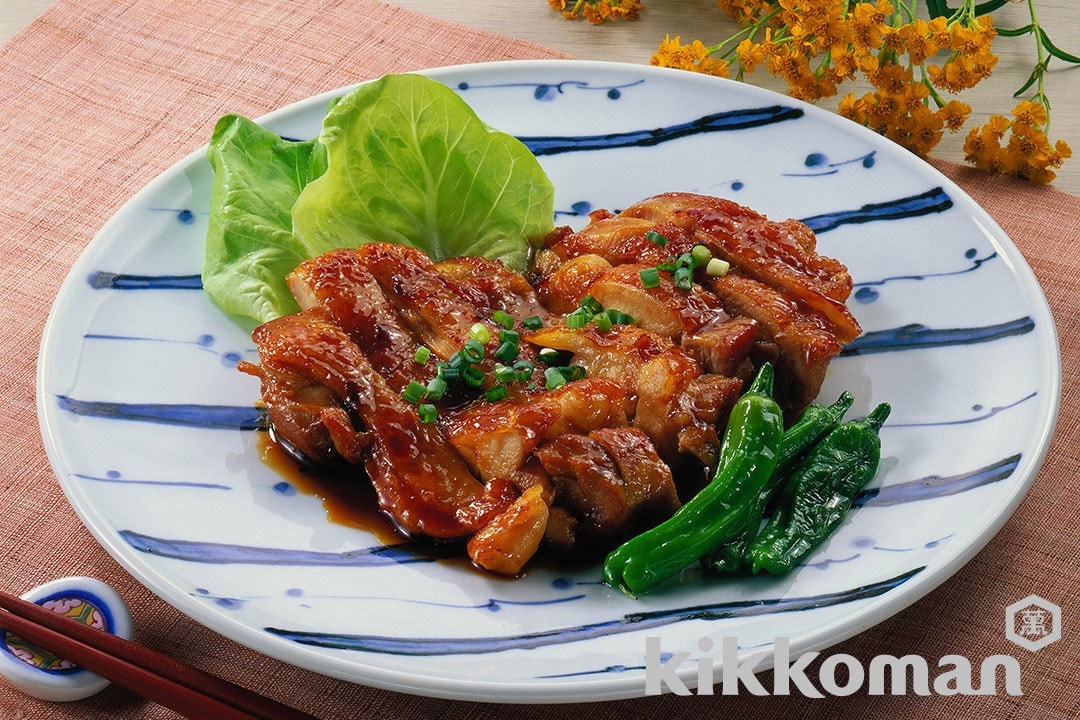
- 20min
- 282kcal
- 827mg