

Sesame-Dressed Green Beans (Gomaae)
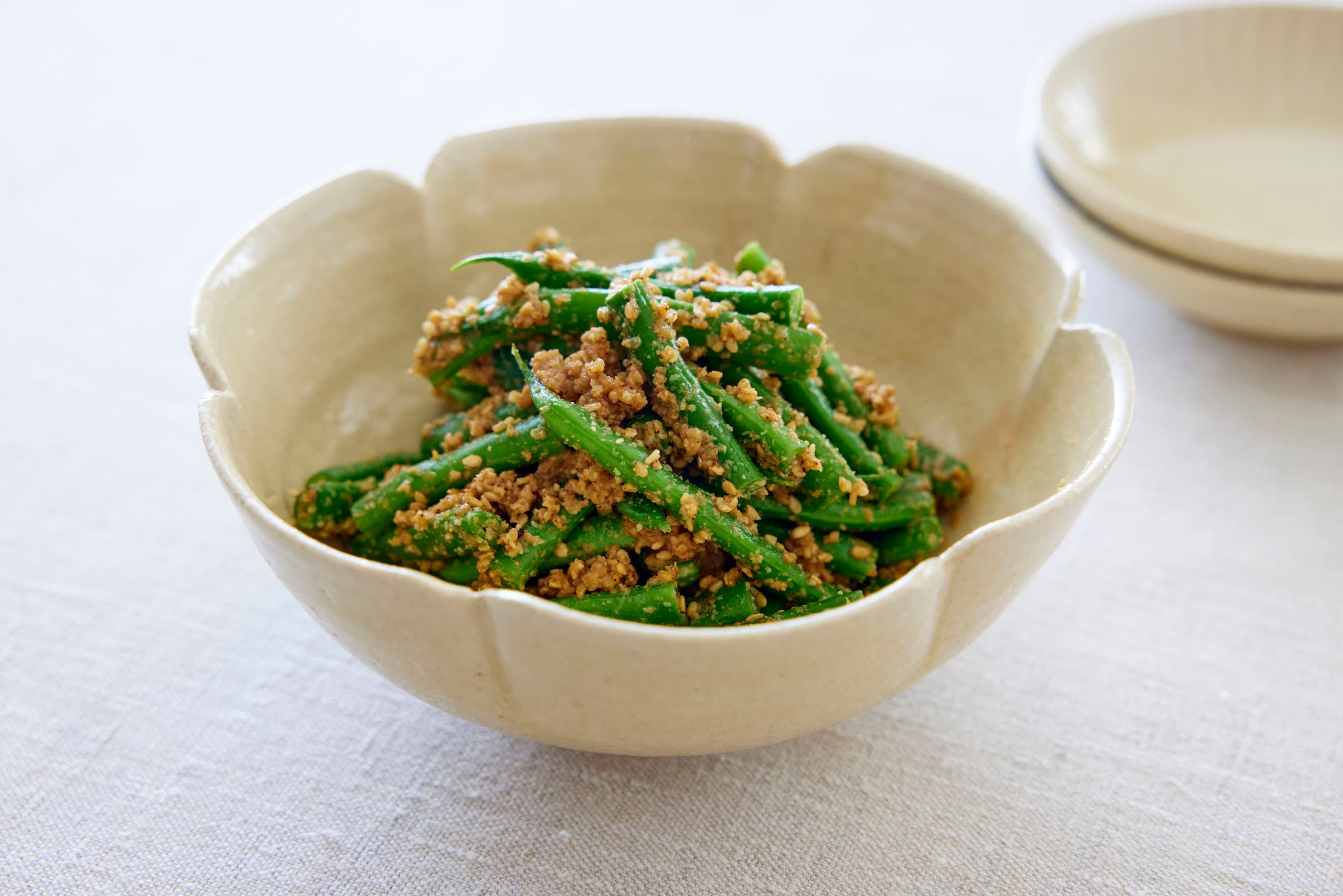
Boiled green beans are tossed in a sweet and savory sesame sauce. This is a classic Japanese vegetable side dish made without oil, relying on the rich flavor and aroma of sesame for depth and satisfaction. Enjoy the pleasant texture of the green beans as well!
- by Yuko Ihara
Table of Contents
- What is “Gomaae”?
- The Secret to Delicious Flavor of Sesame-Dressed Green Beans
- Things to Remember When Making Sesame-Dressed Green Beans
- Ingredients for Making Sesame-Dressed Green Beans
- Calories and Cooking Time
- How to Make the Sesame Dressing
- How to Boil the Green Beans
- How to Toss and Mix
- More Ways to Enjoy “Gomaae”
- FAQ
- Kitchen Utensils Used in This Recipe
- Kikkoman Products Used in This Recipe
- About the Recipe Author
What is “Goma-ae”?
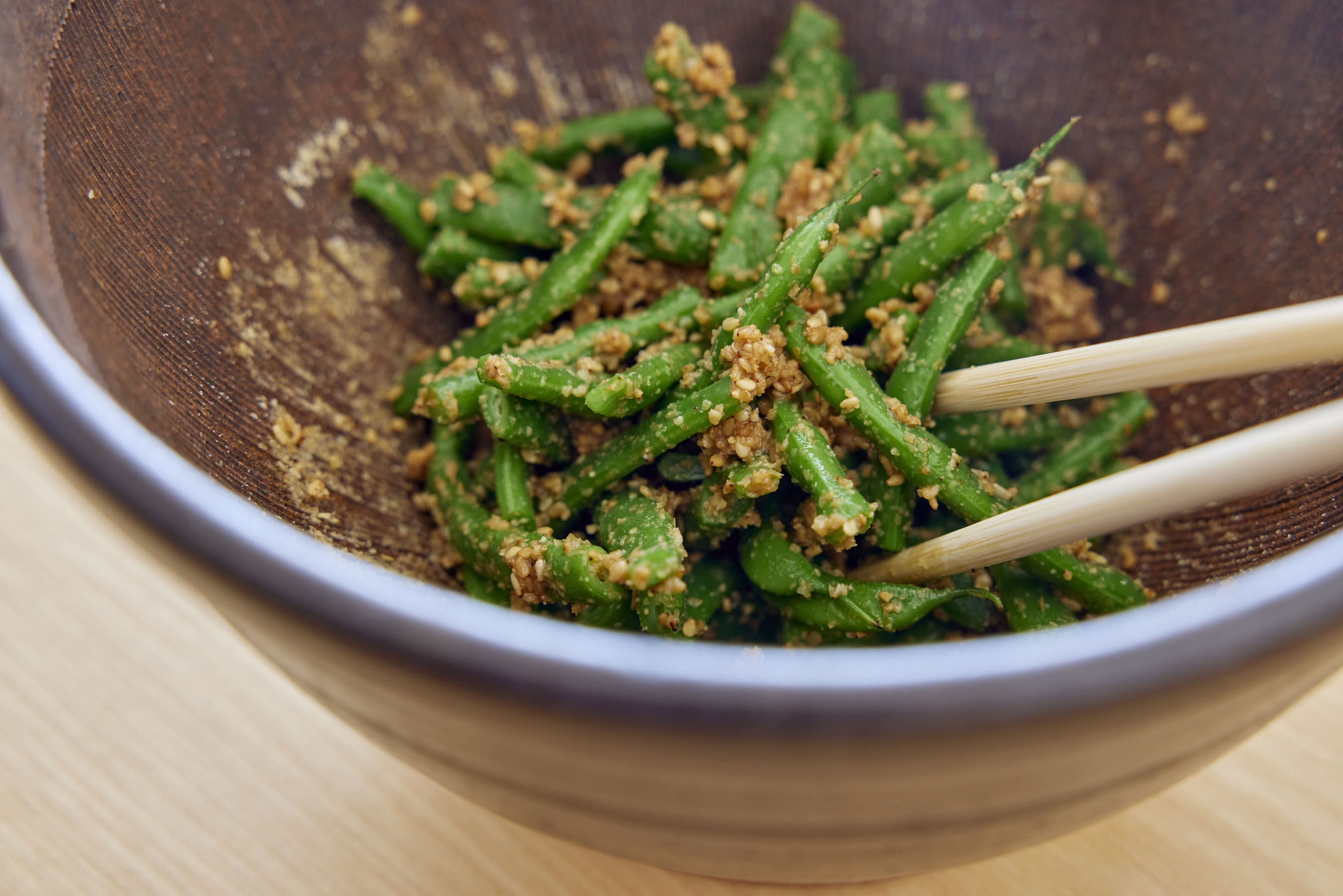
In Japanese cuisine, dishes where vegetables or other ingredients are dressed with sauces or seasonings are broadly referred to as “aemono” (dressed dishes). Among them, “gomaae” (sesame-dressed) is a popular style made by mixing vegetables with ground sesame seeds, soy sauce, sugar, and other seasonings. Green beans in sesame dressing is a classic example, but blanched leafy greens also pair well with this preparation. The rich aroma and depth of sesame make it a flavorful accent in any meal!
The Secret to Delicious Flavor of Sesame-Dressed Green Beans
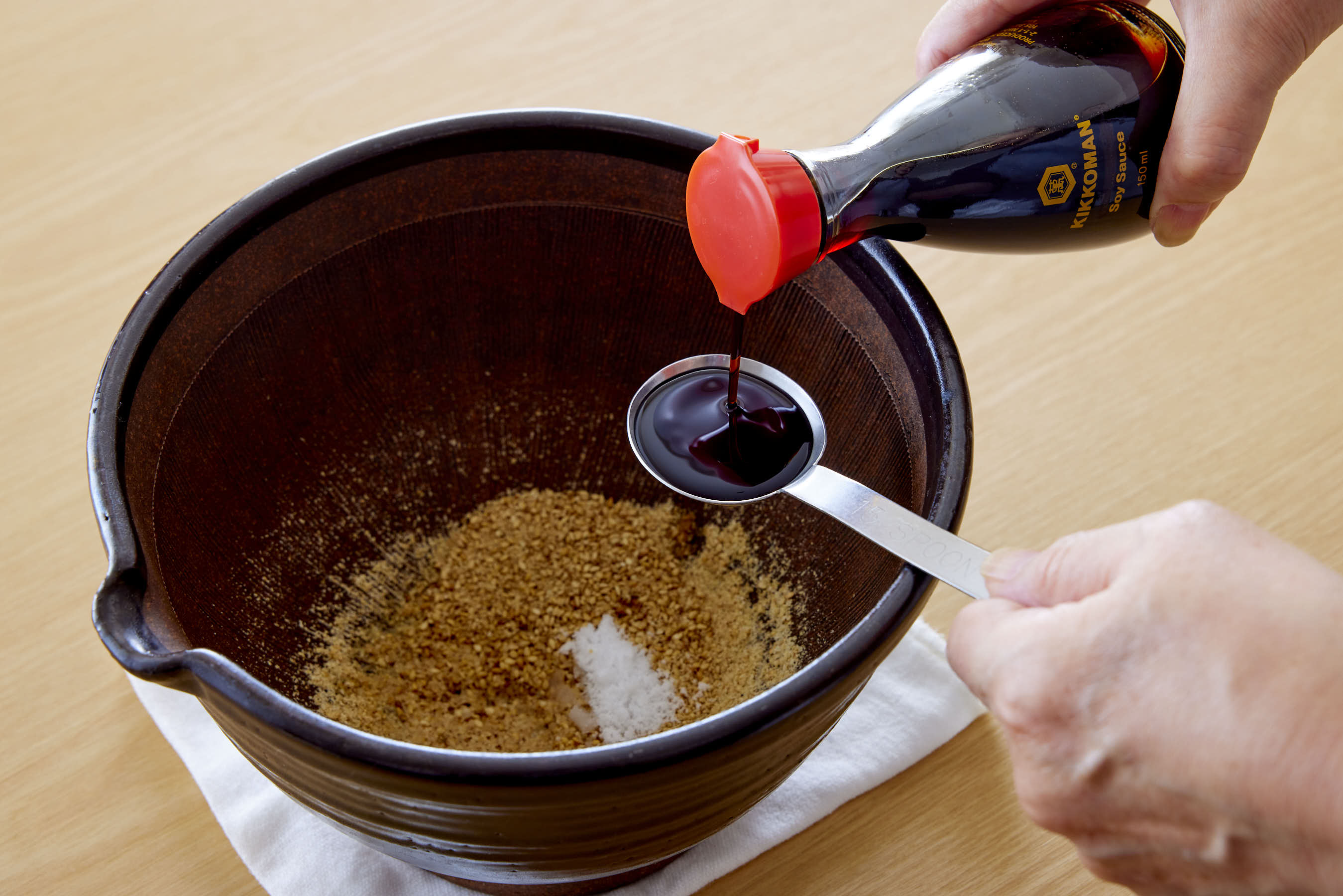
The flavor and richness of soy sauce enhance the aroma of sesame, and its umami brings depth and satisfaction, even to a dish made with just vegetables!
Things to Remember When Making Sesame-Dressed Green Beans
Cool the Boiled Green Beans in Cold Water
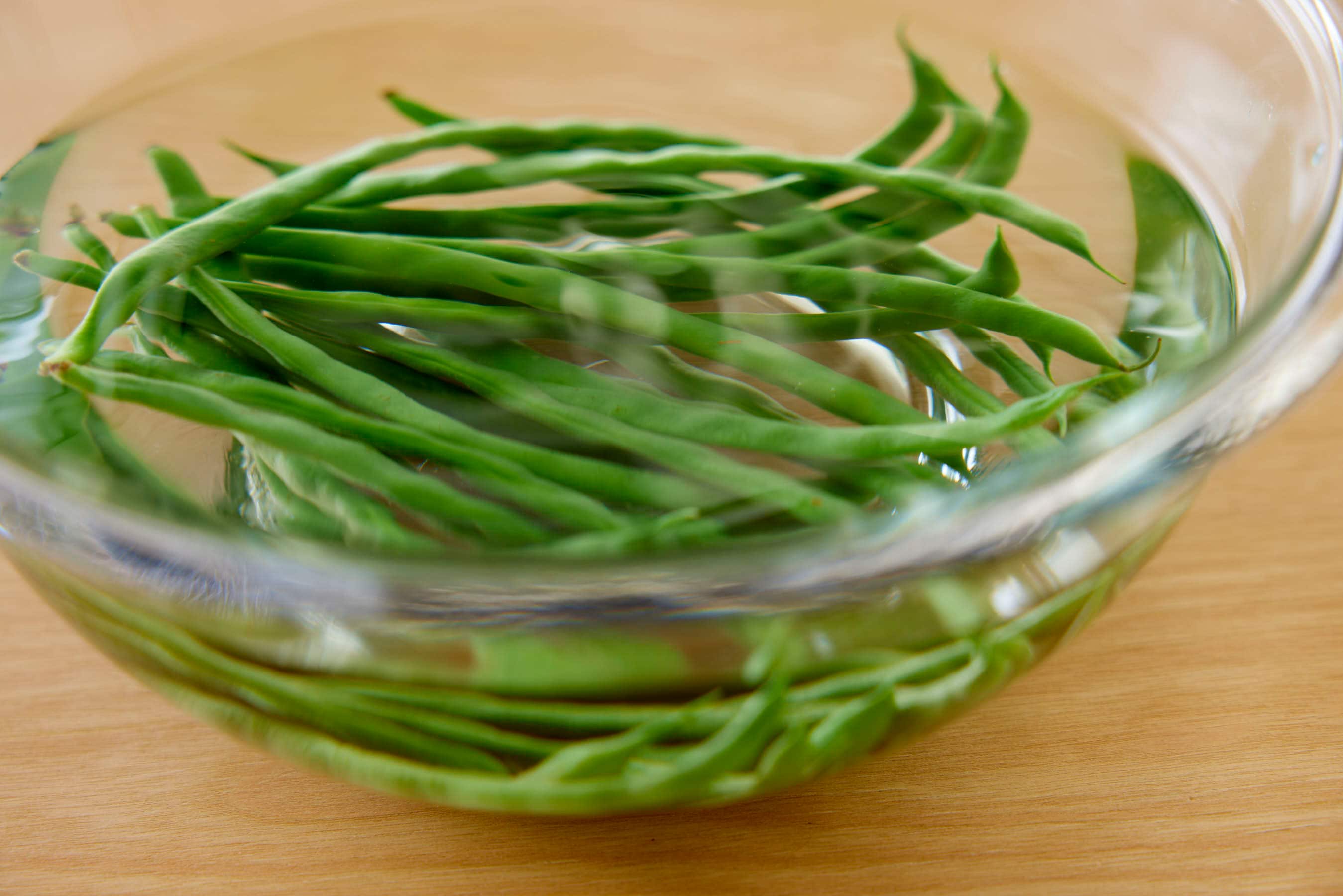
Placing the green beans into cold water immediately after boiling prevents them from being overcooked by residual heat, thus protecting their fresh, green color. This also helps to maintain the beans’ crunchy texture!
Ingredients (servings: 2):

Green beans - 150g (5.3 oz.)
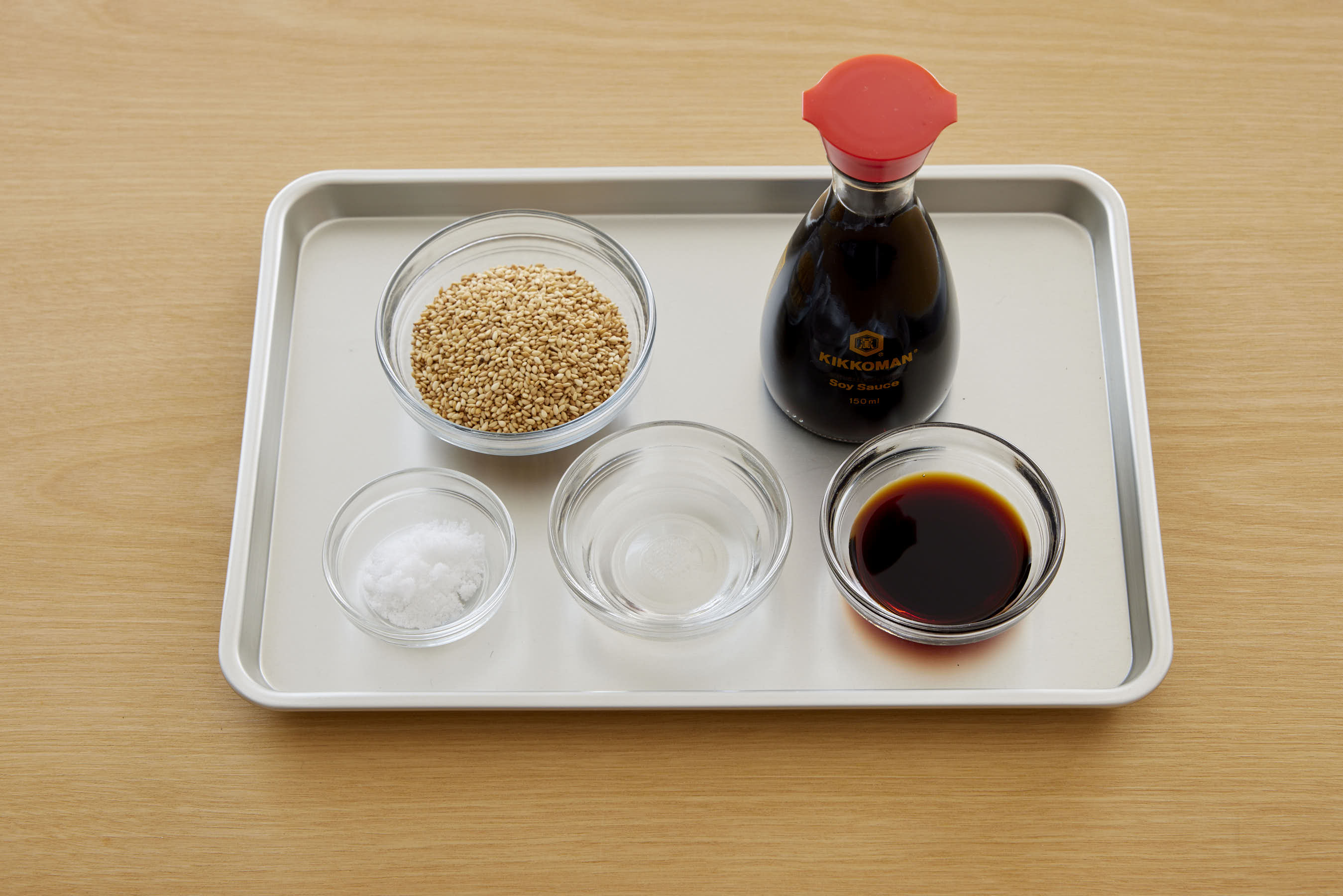
White toasted sesame seeds - 4 Tbsp
Water - 1 Tbsp
Sugar - 1 tsp
Kikkoman Soy Sauce - 1 Tbsp
Calories and Cooking Time

* Nutrition facts are for one serving.
How to Make the Sesame Dressing
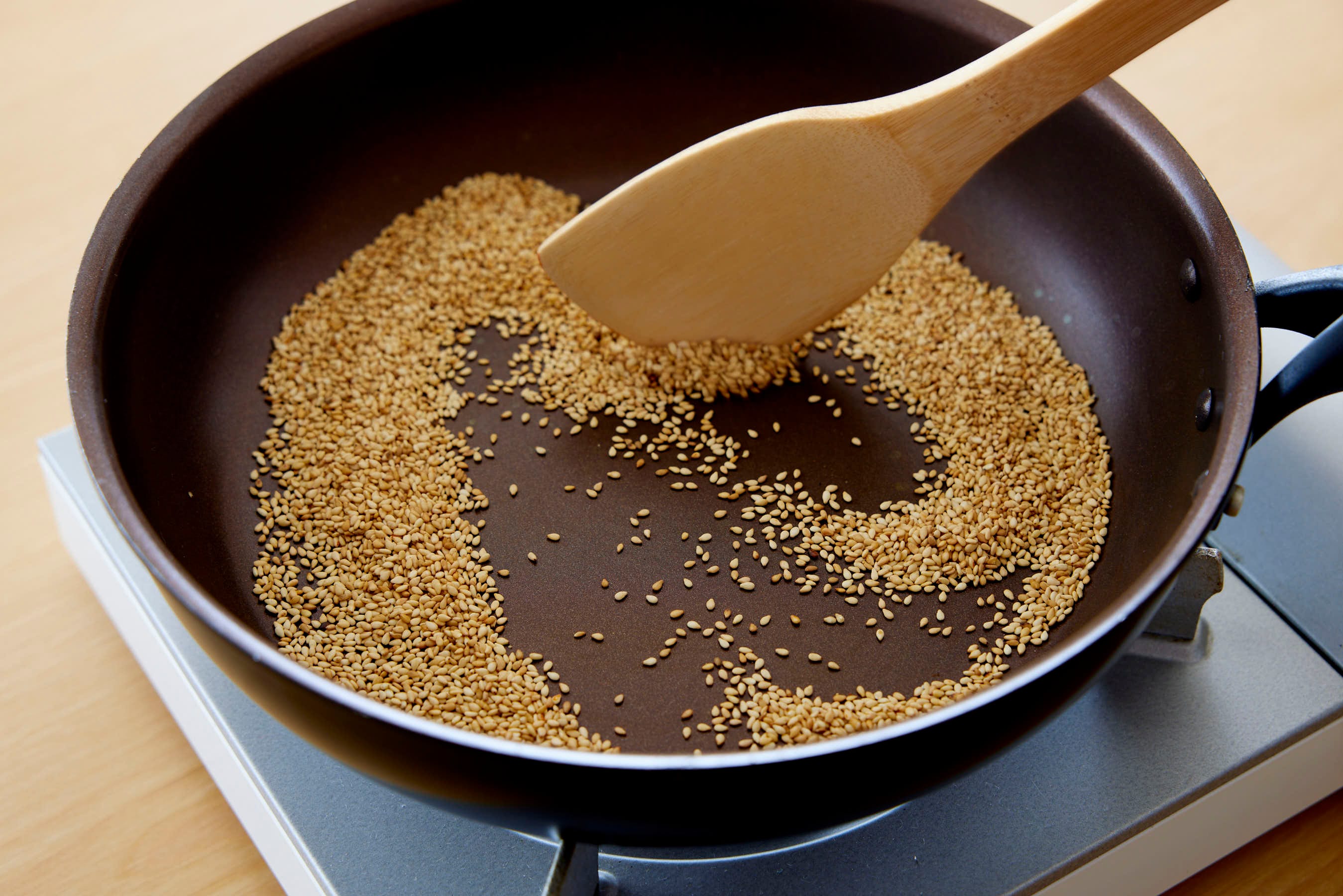
- 1Place the sesame seeds in a fry pan and toast over medium-low heat for about 2 minutes, stirring with a spatula.
- TipsEven pre-toasted sesame seeds become much more aromatic when lightly toasted again before use. Be careful not to burn them, as that will create a bitter flavor.
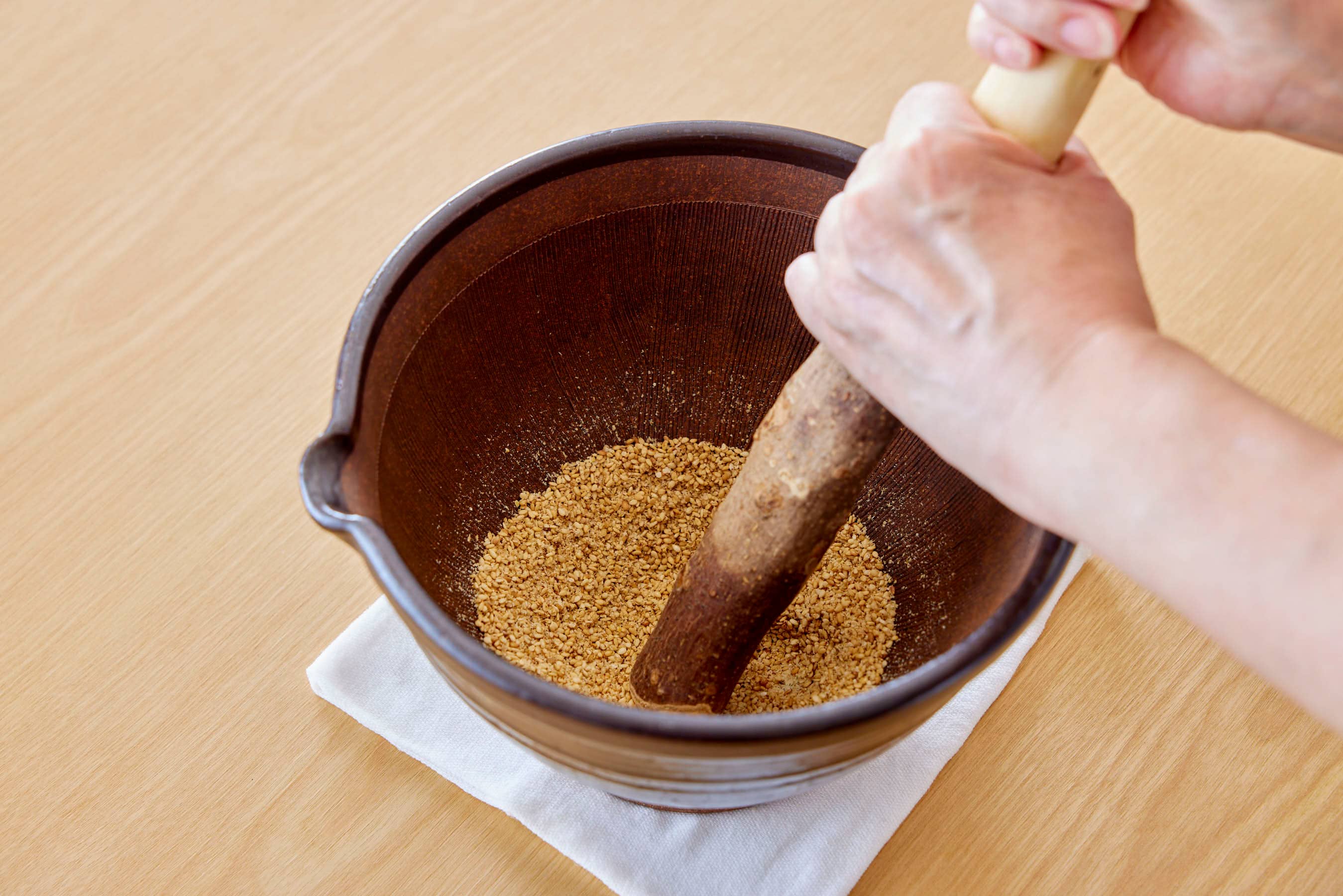
- 2Grind the sesame seeds using a mortar and pestle.
- TipsYou don’t need to grind them completely; leave a few sesame bits for a slightly coarse texture.
- 3Add the water, sugar, and Kikkoman Soy Sauce, and then mix the ingredients together.
Watch video for making the sesame dressing
How to Boil the Green Beans
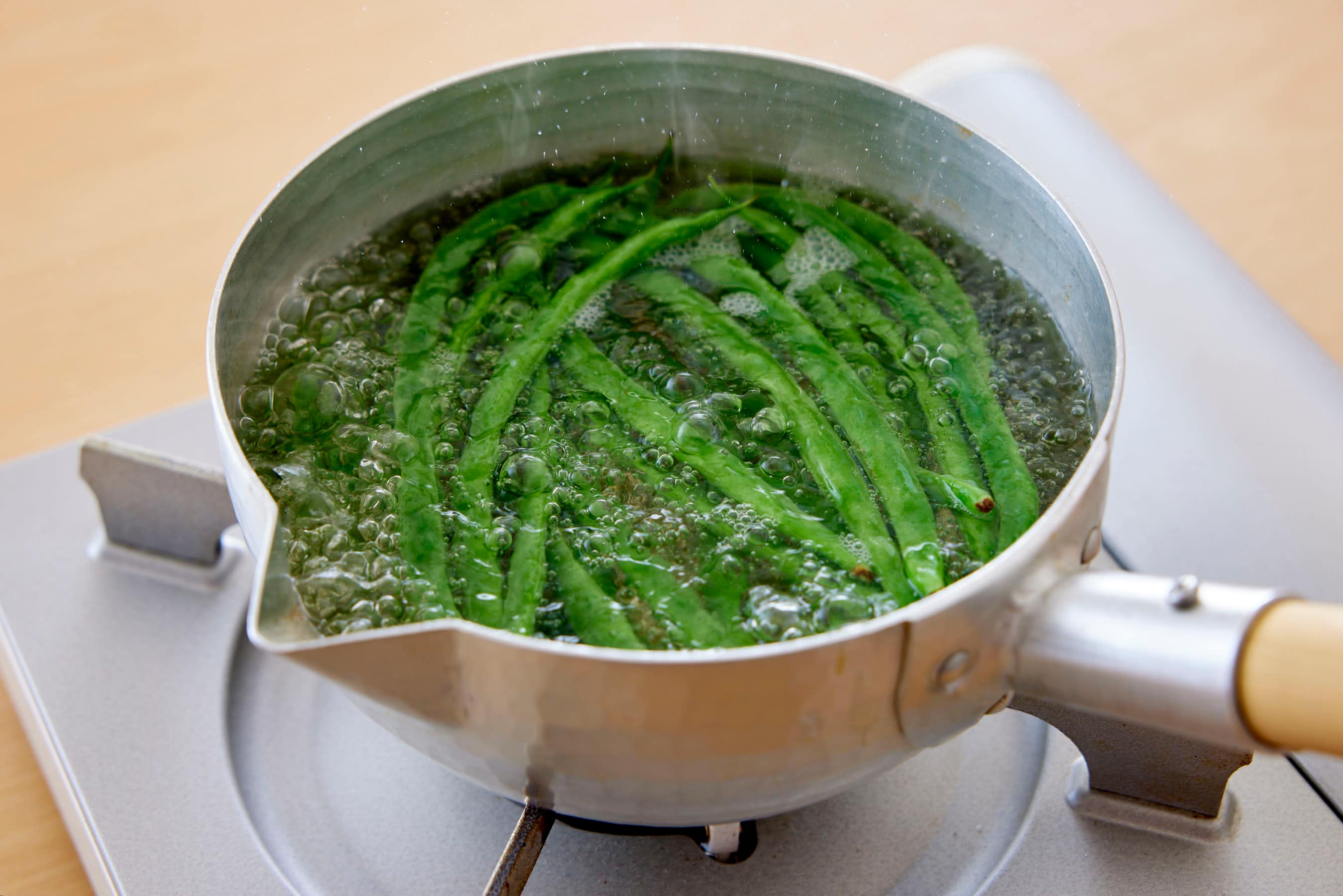
- 1Bring water to a boil in a pot and add the green beans. Boil for 1.5 - 2 minutes.
- TipsBoiling green beans whole helps prevent them from becoming mushy. Avoid overcooking to maintain their crisp texture.

- 2Immediately place the green beans into cold water to cool. Once cooled, drain in a colander and remove any excess moisture.
- TipsPlunging the green beans into water right after boiling helps preserve their vibrant green color.
Watch video for boiling the green beans
How to Toss and Mix
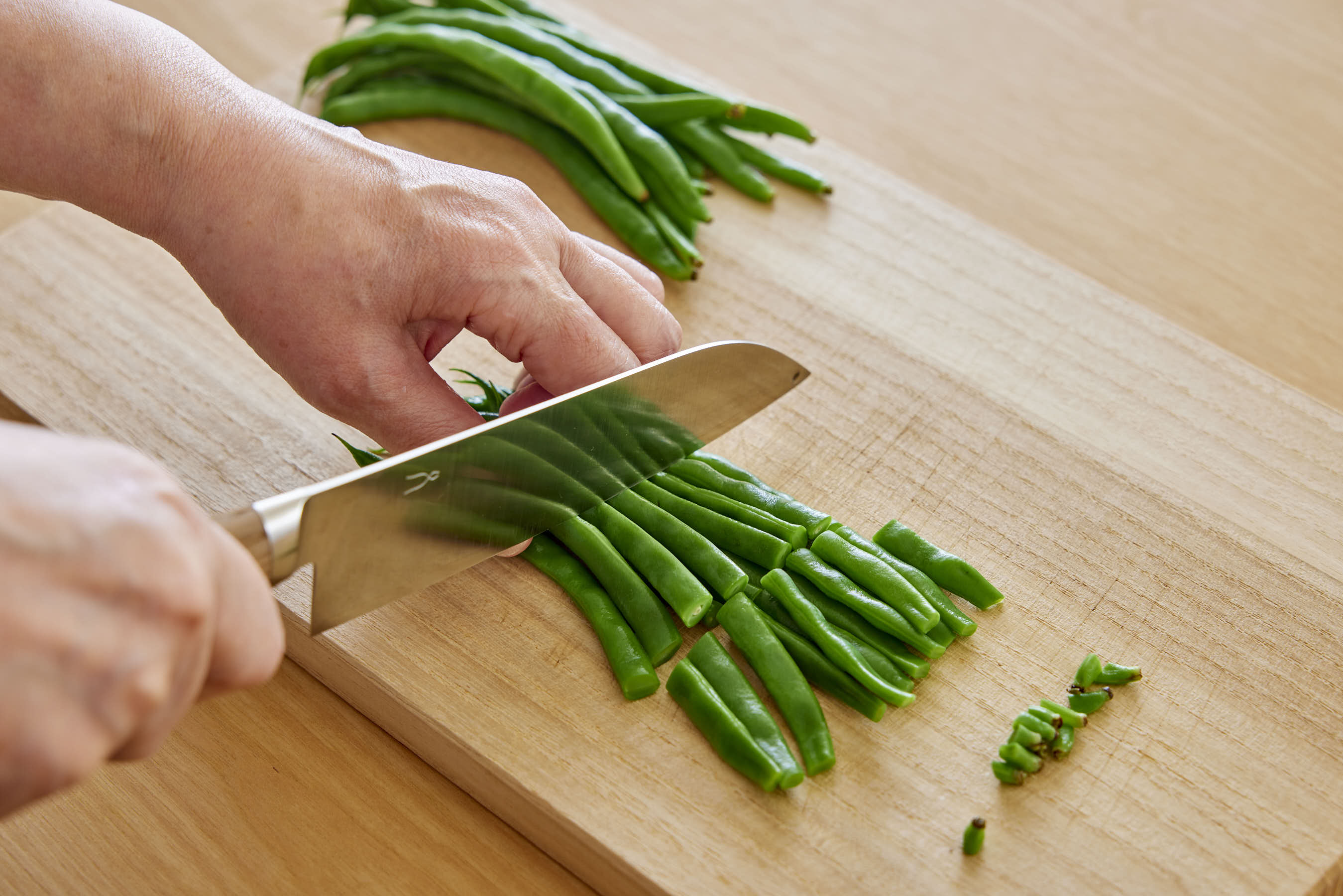
- 1Trim the stem ends off the green beans that were drained in the previous step, then cut the beans into thirds.
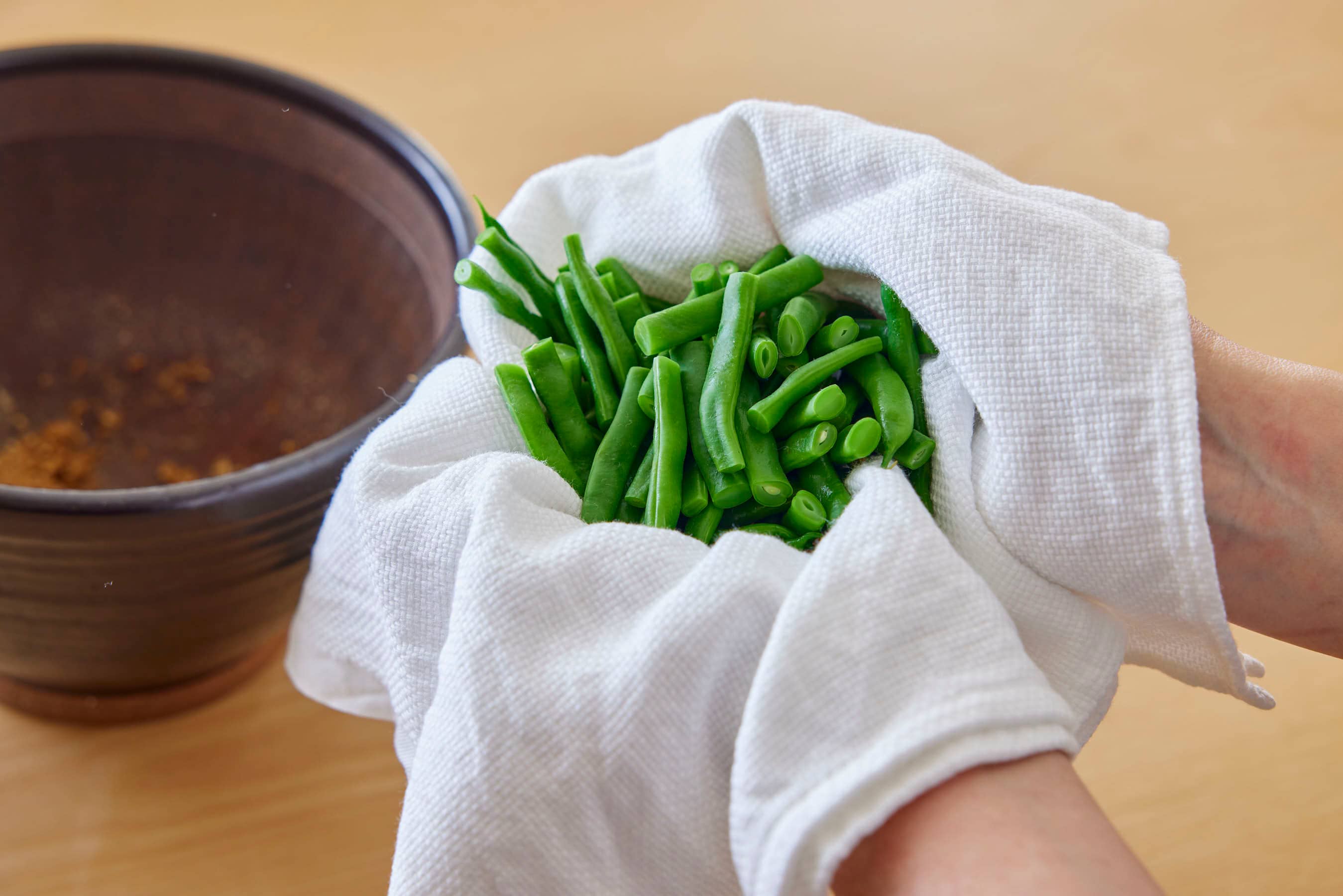
- 2Pat the green beans dry thoroughly with a cloth or kitchen towel, then add them to the mortar that you used to make the sesame dressing.
- TipsIf moisture remains, the flavor of the dressing will be diluted, so make sure to remove as much water as possible.
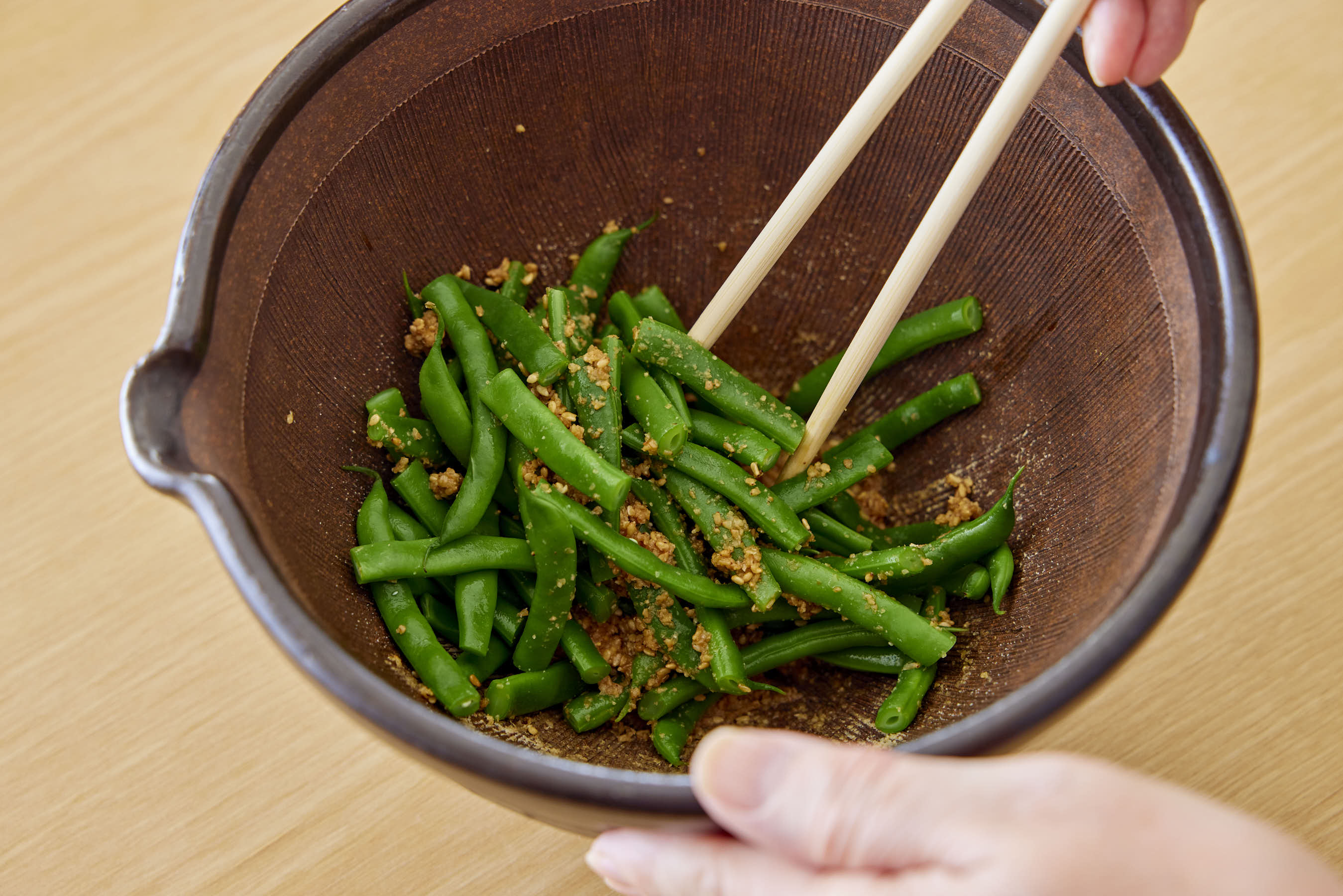
- 3Mix well so the dressing coats all the green beans evenly.
Watch video for tossing and mixing
More Ways to Enjoy “Gomaae”
Paprika Gomaae (Bell Peppers with Sesame Dressing)
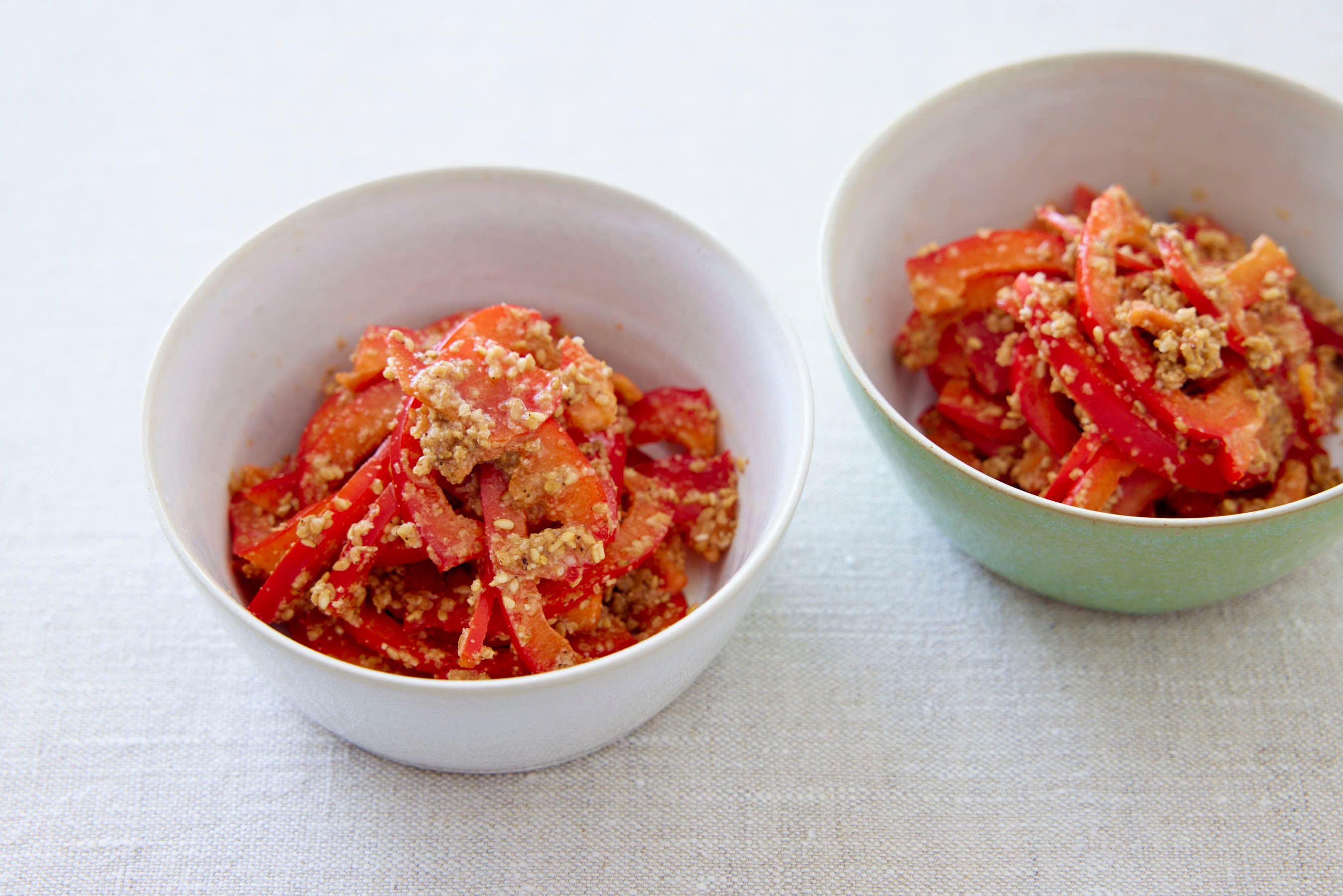
When you make gomaae using vegetables like paprika (bell peppers) that can be eaten raw, you can enjoy their crisp texture and natural aroma. Simply slice the peppers thinly into easy-to-eat lengths and toss them quickly with the sesame dressing. The sweetness and juiciness of the paprika stand out in this simple yet satisfying dish.
Chicken Saute with Green Bean Sesame Sauce
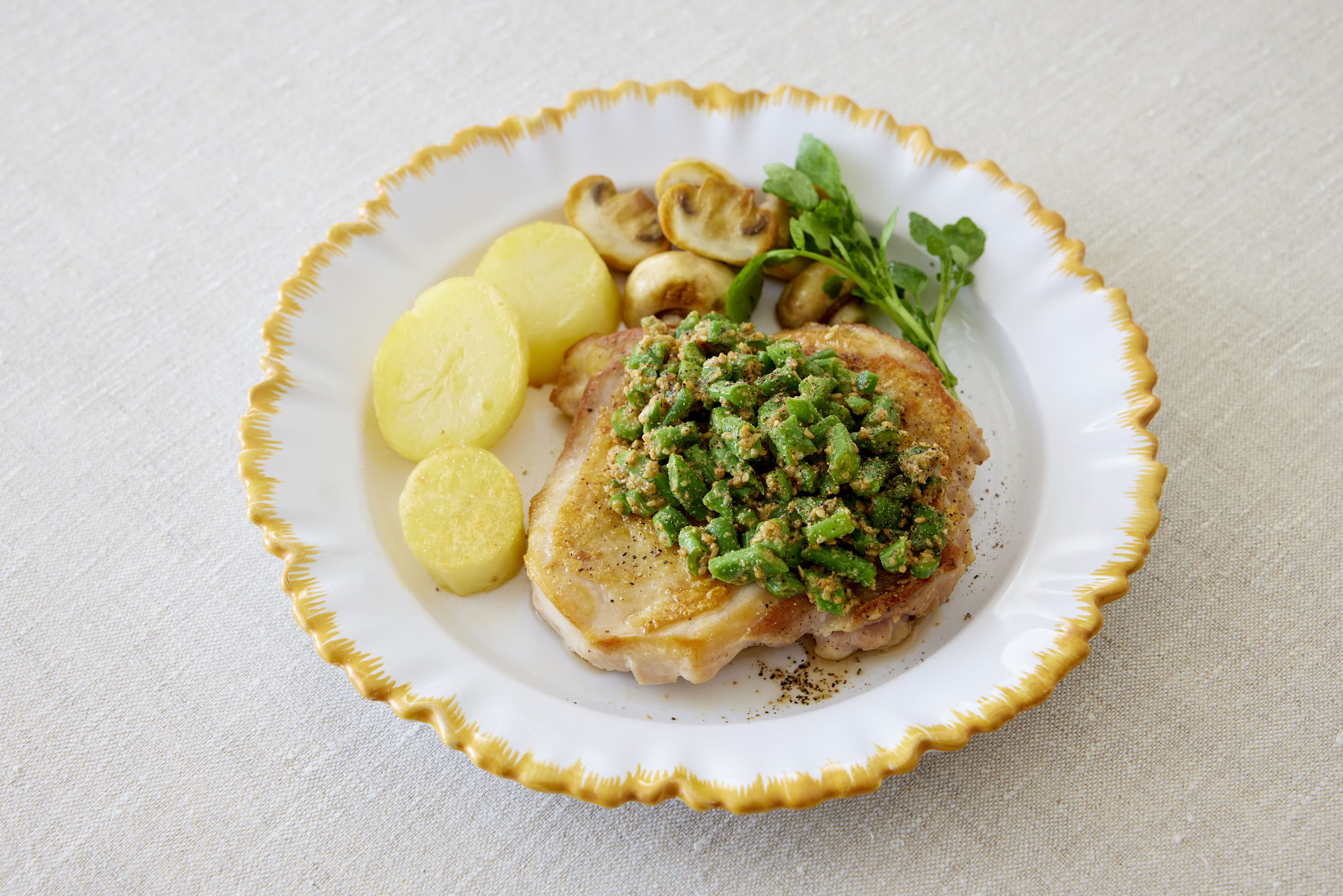
Gomaae made with green beans pairs wonderfully with meat dishes! When finely chopped and combined with olive oil, it transforms a simple chicken sauté into a dish full of rich flavor. It’s also a great way to enjoy plenty of vegetables in a satisfying sauce.
FAQ
What vegetables go well with gomaae?
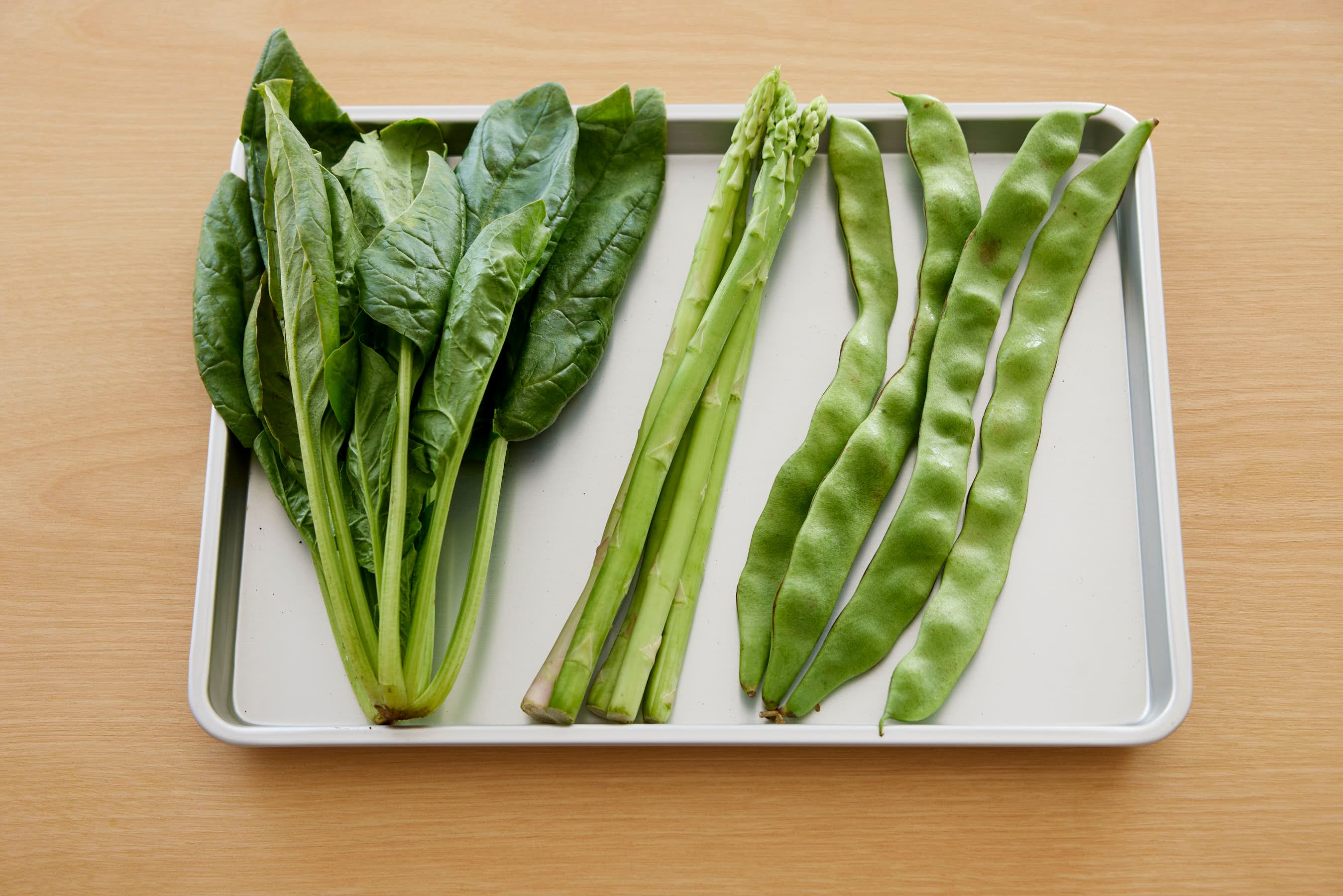
Leafy greens like spinach, as well as Moroccan green beans and green asparagus, have excellent flavor and pair wonderfully with sesame. Just like with green beans, boil them, cut into bite-sized pieces, and toss with the sesame dressing.
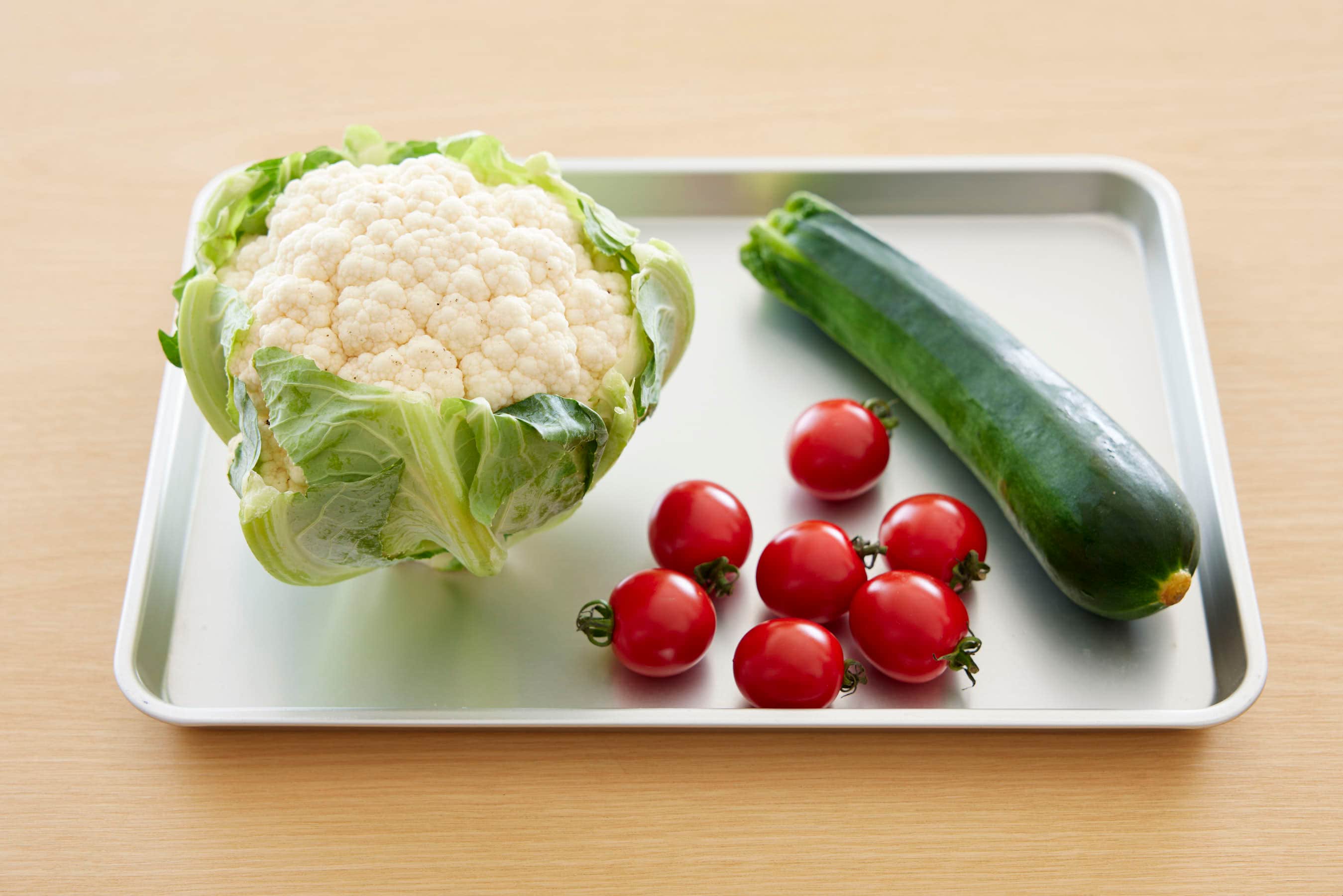
Cherry tomatoes, zucchini, and cauliflower can be used raw. Cut them into bite-sized pieces and coat them with the sesame dressing.
Kitchen Utensils Used in This Recipe
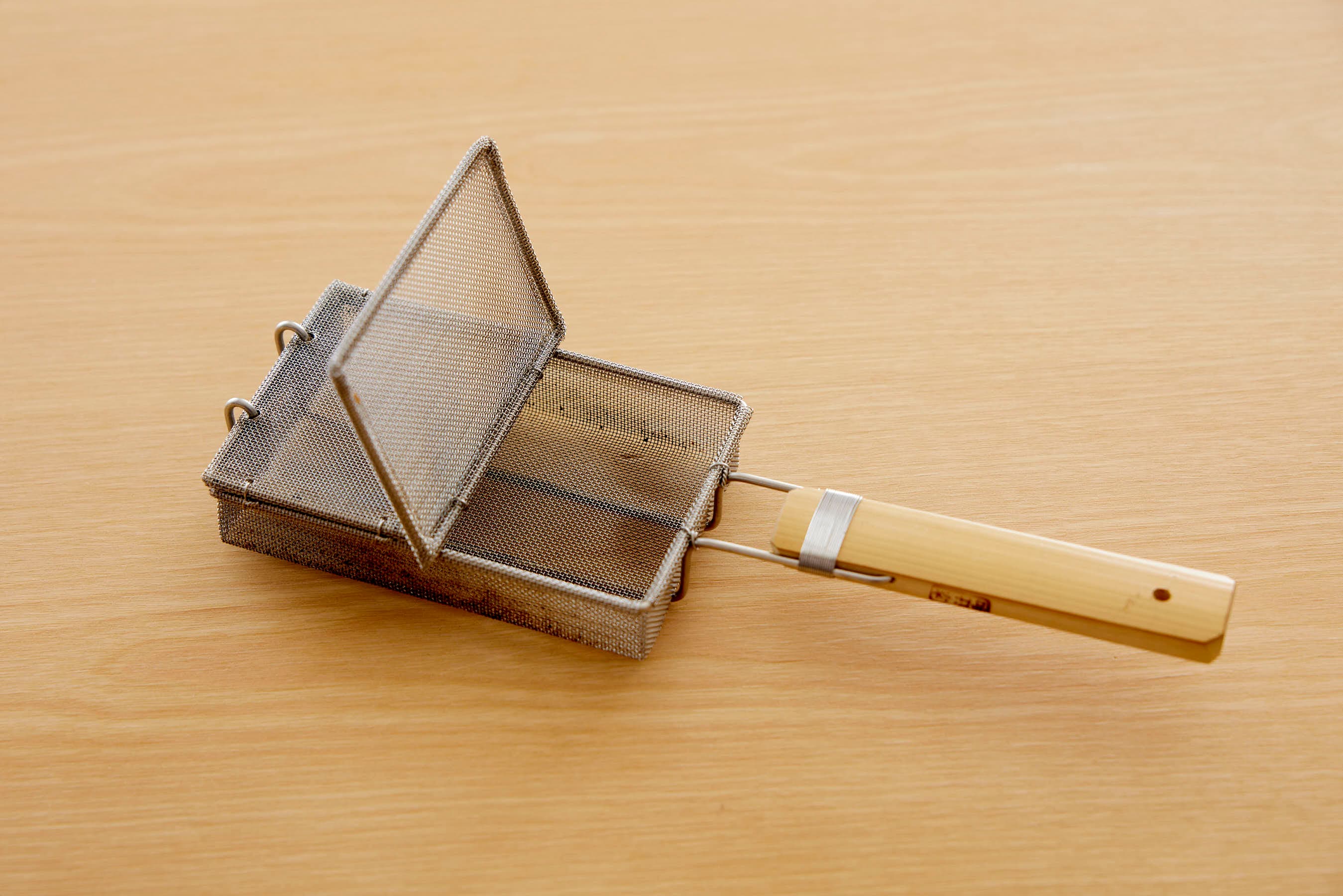
“Gomairi-ki” / Sesame Seed Roaster
This tool is primarily used for toasting sesame seeds. While you can also use a fry pan, placing the seeds in the mesh basket of a sesame roaster and shaking it while heating helps bring out a rich, nutty aroma. These roasters come in various shapes, including round types and non-basket designs.
For more information about “Gomairi-ki”, please see our Glossary page.
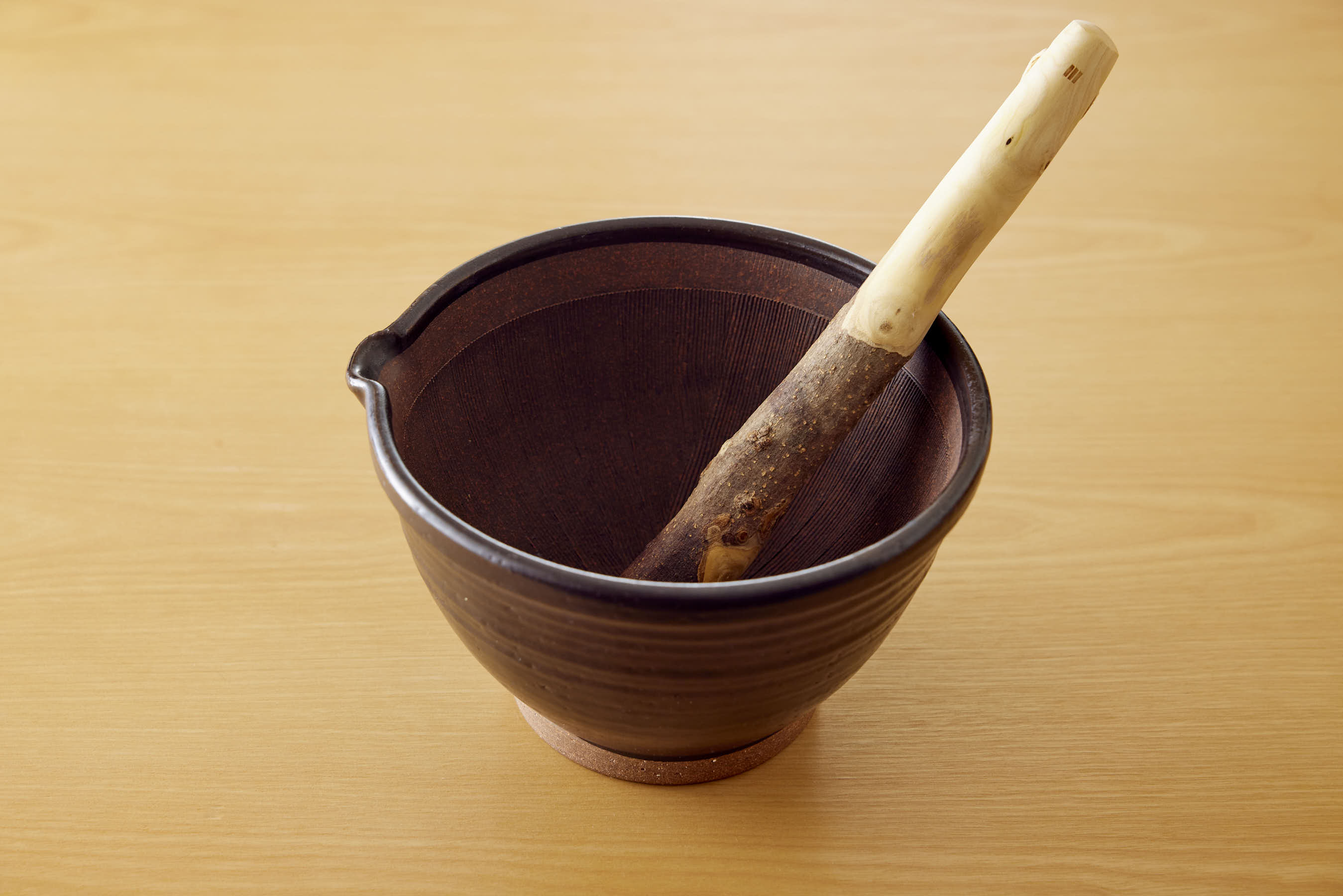
“Suribachi” (Mortar) and “Surikogi” (Pestle)
A suribachi is a mortar used for grinding ingredients. Its inner surface is lined with fine ridges arranged at regular intervals. When sesame seeds, tofu, or other ingredients are rubbed with a surikogi (a wooden pestle), the ridges help crush them finely and evenly.
For more information about “Suribachi” and “Surikogi”, please see our Glossary page.
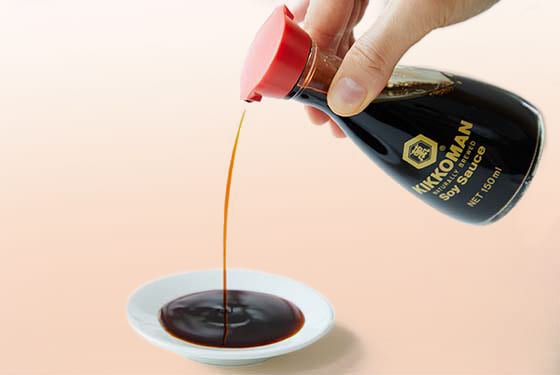
Kikkoman Products Used in This Recipe
About the Recipe Author

Yuko Ihara
Having lived in England and the U.S., Yuko Ihara is well-versed in a wide range of culinary genres. As a culinary researcher, she creates dishes for magazines and books, develops corporate menus, and also engages in product development and food consulting. She introduces easy-to-follow tips on how to make delicious food at home, emphasizing the importance of seasonality and healthful eating. When travelling, she loves to search for delicious vegetables and ingredients.
Instagram: @iharayukoo
About Washoku Lesson
Washoku Lesson is special content offering detailed and easy-to-understand explanations, including tips for making classic Japanese dishes as well as the many ways of enjoying these, and introductions to special Japanese cooking utensils and annual events.
Related Recipes
 10min
10min 140kcal
 500mg
500mg
- 10min+
- 46kcal
- 236mg
- 5min+
- 45kcal
- 236mg
- 10min+
- 63kcal
- 300mg