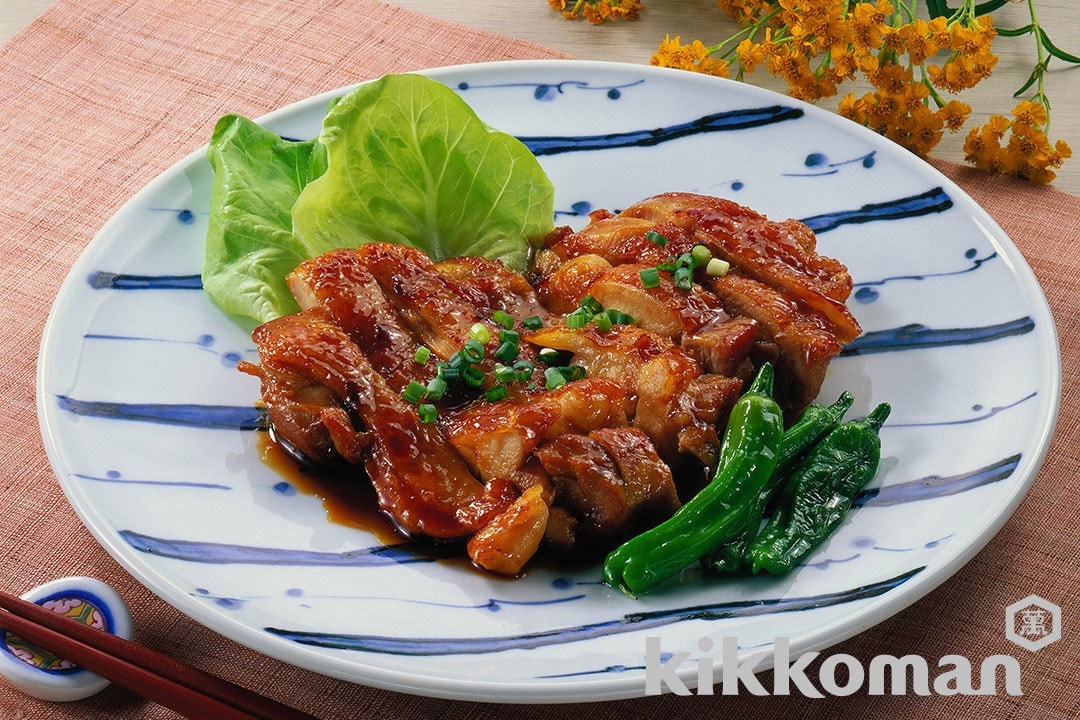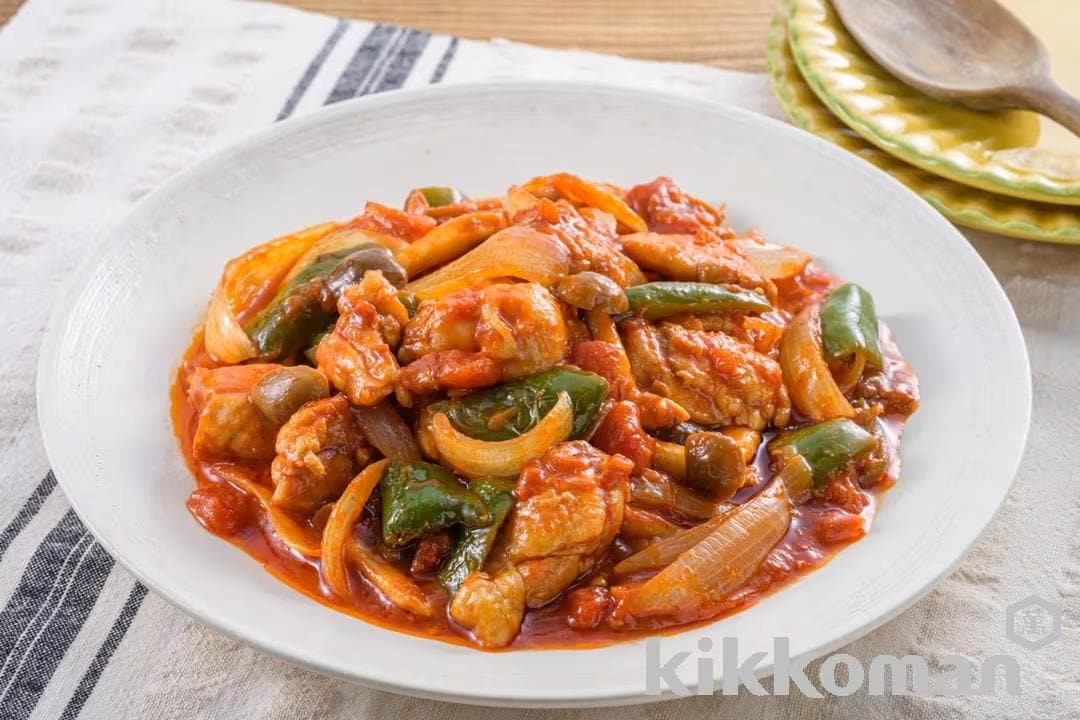

Braised Chicken and Vegetables (Iridori)
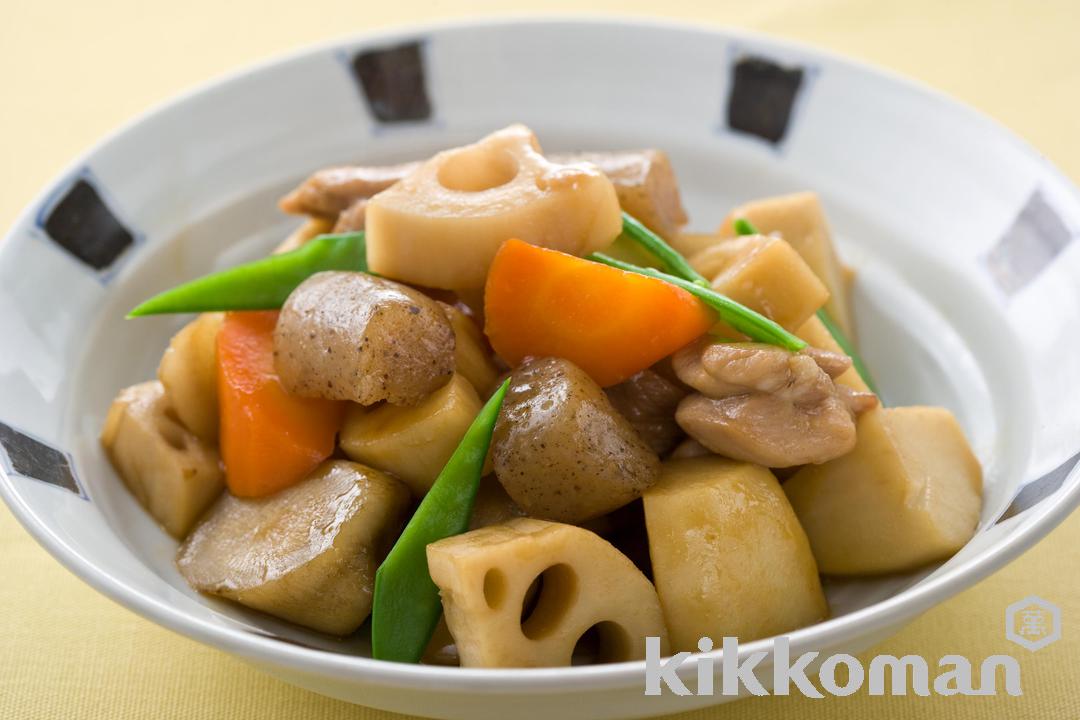
A traditional Japanese dish of chicken and vegetables simmered until the stock is fully absorbed


- Nutrition facts are for one serving.
- Additional cooking time may be required for stock to be fully absorbed.
Ingredients(Servings: 2)
- Yam cake absorbs seasonings better when it is torn with the hands rather than cut with a knife.
Directions
-
Cut the chicken into bite-sized pieces. Parboil the konnyaku and use a spoon to tear into bite-sized chunks.
-
Peel the satoimo, slice in half lengthwise, then into half once more. Boil in water and drain in a colander.
-
Peel the renkon, slice into quarter-moon slices and immerse in vinegared water (not included in the ingredients).
-
Use a vegetable brush to scrub off the gobo peel, chop into small pieces and immerse in vinegared water (not included in the ingredients).
-
Roughly chop the carrot into small chunks, then boil in water.
-
Heat the sesame oil in a fry pan and cook the chicken. Once browned, add in the konnyaku and ingredients from (3) to (5), quickly stir-fry then add in (2) and cook all together.
-
Pour in 100 ml (3.4 fl. oz.) of water, remove any scum that forms on the surface once boiling, cover with a lid and steam-fry over low to medium heat. Once the vegetables have softened, add in (2), turn the heat to medium and simmer while shaking the fry pan back and forth occasionally until the cooking liquids are boiled down. Mix the seasonings throughout to add lustre to the ingredients.
- Once cooled, serve into dishes and garnish with the snowpeas for vibrant color.
Cooking Basics
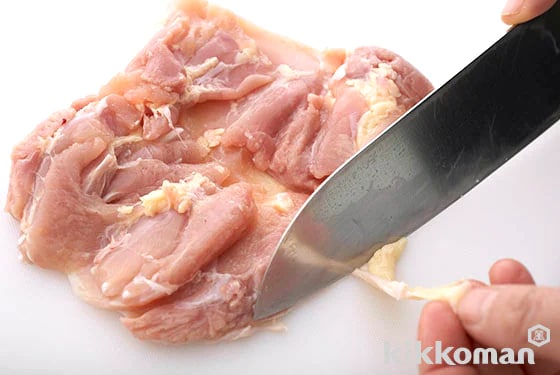
Use a knife to cut away yellow fat and excess skin.
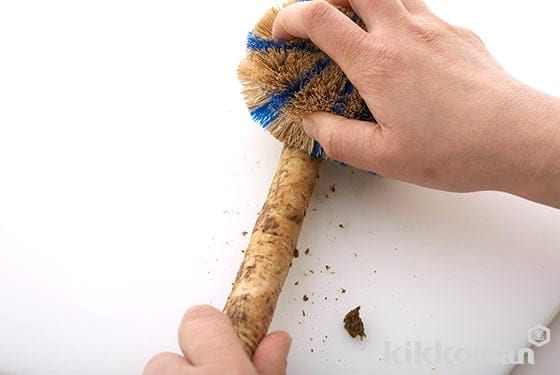
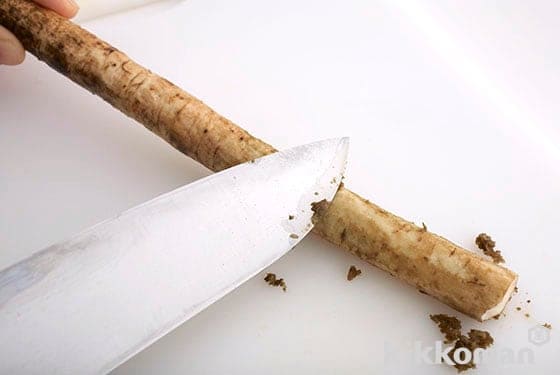
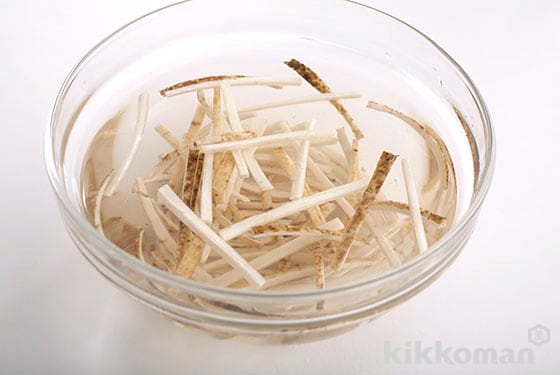
Since the flavor of this root vegetable is located between the skin and the root itself, peel off the skin as thinly as possible. For recently picked and fresh roots in soil, a quick scrub with a natural bristle scrubber or vegetable brush is sufficient. For older roots that have become hard, scrape with the back of a kitchen knife to remove the skin. Burdock root has a high lye content. Cut and soak in water for about 5 to 10 minutes to remove excess lye. However if soaked for too long or if the water is replaced, the flavor also will seep out.
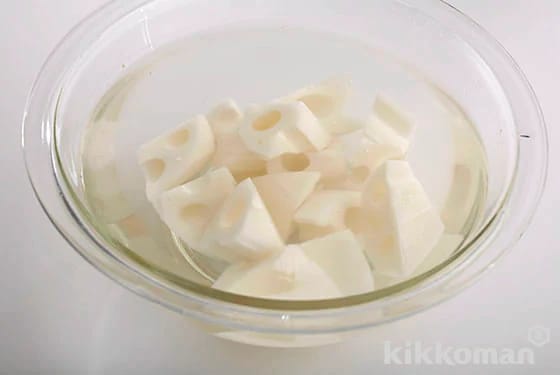
Since cut lotus root turns brown once it comes into contact with air, once peeled quickly rinse under cold water, and after cutting up, place into cold water for 5 to 10 minutes. Some recipes suggest soaking in "vinegared water" (water will some vinegar added to it), however regular cold water is sufficient.
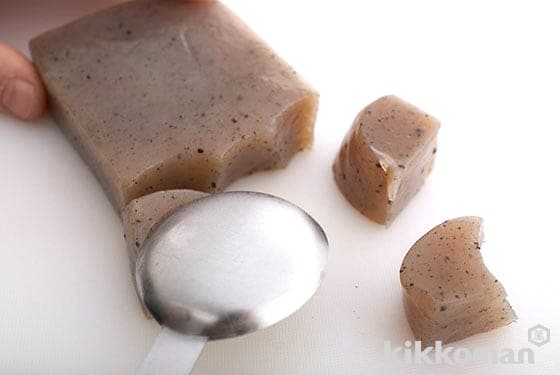
Using a spoon to cut will result in a surface that is coarser than one cut using a knife, so flavor will be absorbed easier. You can also use your fingers to tear into bite-size chunks.
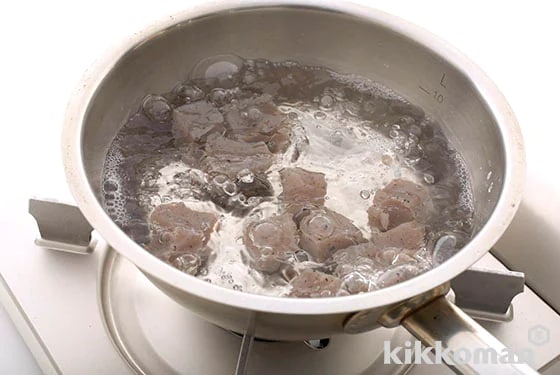
If you quickly place the yam cake into boiling water (parboil) the distinct odor of the yam cake will be removed, flavor and seasonings will be soaked up easier, and the rubbery texture will be refreshed. The appropriate boiling time is for 2 to 3 minutes in water that is at a rolling boil. Avoid over-boiling as this will result in hard yam cake.

Post your creation!
Kikkoman Global (@kikkoman_global)
is posting Kikkoman Recipes.
If you made this recipe, please post it with the hashtag #KikkomanLife
We love to see your creations on Instagram!