

Ichiju Sansai: A Guide to Structure, Pairing, and Recipes for Balanced Japanese Meals
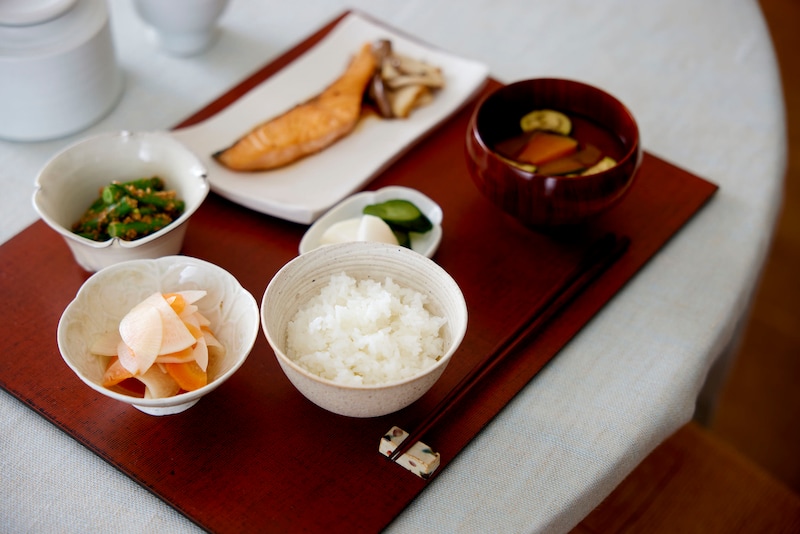

Table of Contents
What Is Ichiju Sansai in Japanese Cuisine? A Rice-Centered Meal Structure
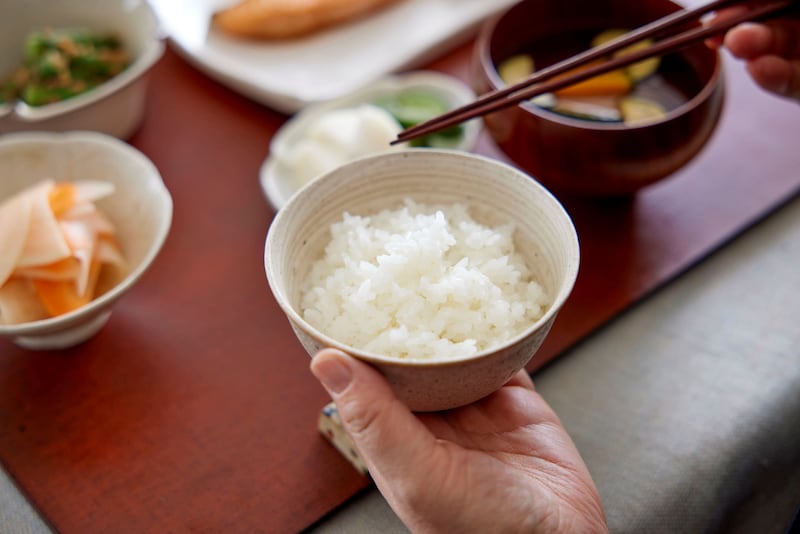
Ichiju Sansai (literally one soup and three dishes) reflects a rice-centered food culture in Japan. Meals are enjoyed by combining rice with a variety of dishes, rather than eating each item separately. The basic way to eat is to hold the rice bowl in one hand and use chopsticks to bring side dishes to your mouth. For example, you might take a bite of a side dish (okazu), then a bite of rice; sip some soup (shiru), then take another bite of rice. In this way, rice is eaten between the other dishes throughout the meal. This way of eating, which combines well-seasoned side dishes with plain rice in the mouth to balance flavors, is called kōchū chōmi (“seasoning in the mouth”). Another characteristic of Japanese cuisine is the use of traditional seasonings such as dashi, soy sauce, and miso, which add umami and help dishes pair naturally with rice.
The Basic Structure of Ichiju Sansai (One Soup, Three Dishes)
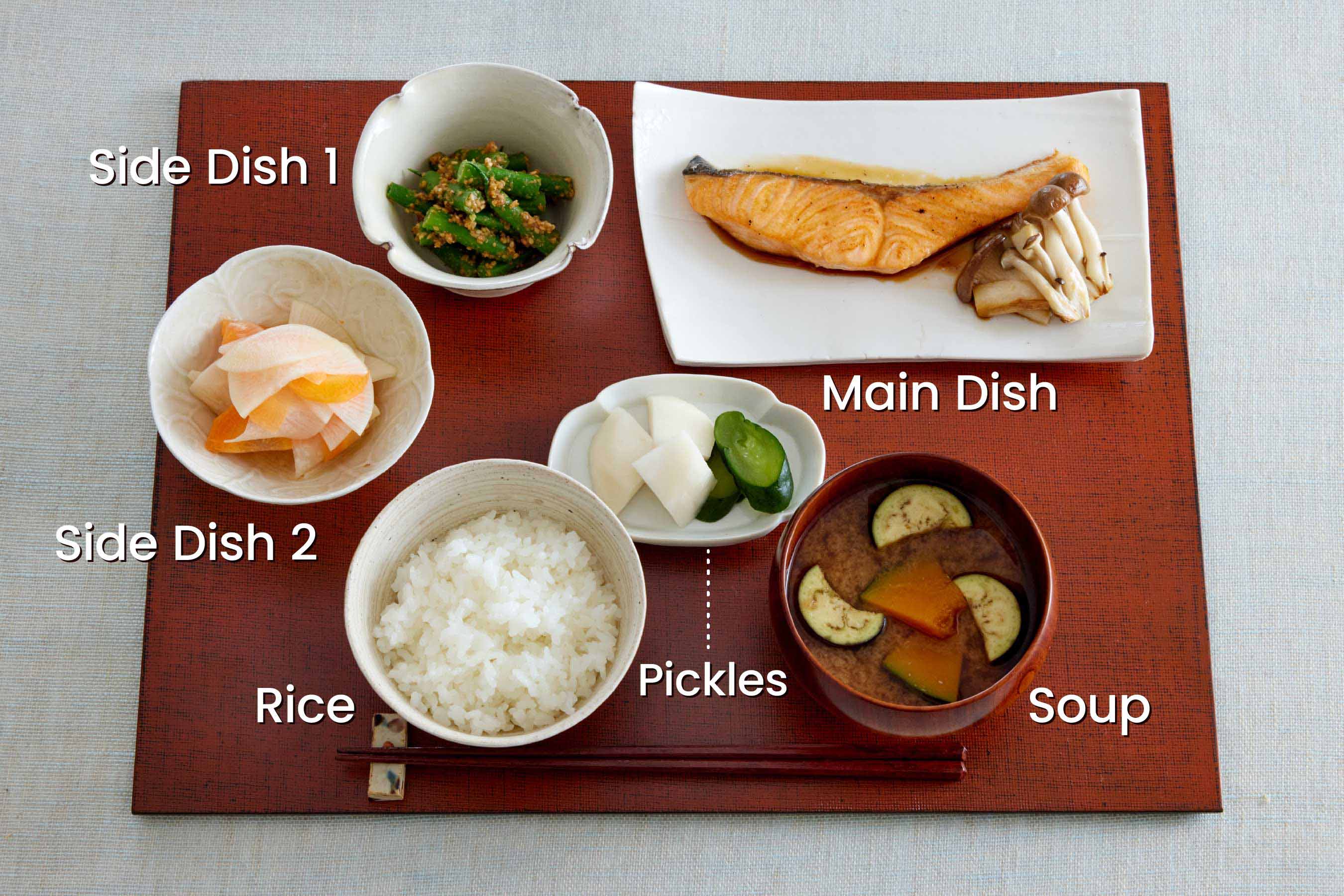
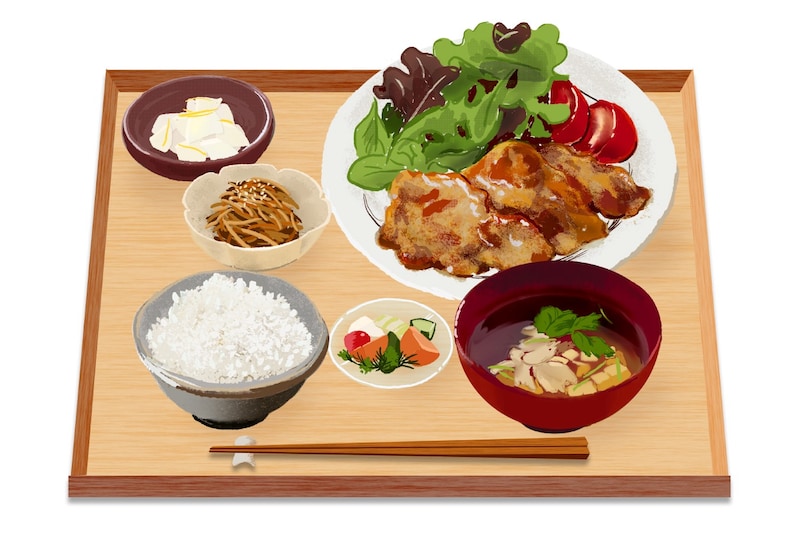
A traditional Ichiju Sansai meal consists of rice, soup, three dishes (one main dish and two side dishes), and Japanese pickled vegetables known as tsukemono. In this structure, the main dish typically provides protein, while the side dishes are centered on vegetables, making it easier to achieve a well-balanced intake of nutrients. Here, “main” and “side” refer to a dish’s role in the meal rather than its portion size.
There are also customary rules for arranging the dishes. The rice is placed on the left, and the soup on the right. This arrangement is based on the practice of holding chopsticks in the right hand and the rice bowl in the left hand. The main dish is placed at the back right, side dishes at the back left, and pickles in the center. In this example, teriyaki salmon is served as the main dish, paired with two side dishes that offer contrasting flavors: a tangy sweet vinegar-based salad (amazuae) and a rich sesame-dressed dish (gomaae). Because the main dish is soy sauce-based, a miso soup is paired with it to balance the overall flavors. The pickles help refresh the palate.
Main Dish : The primary protein dish
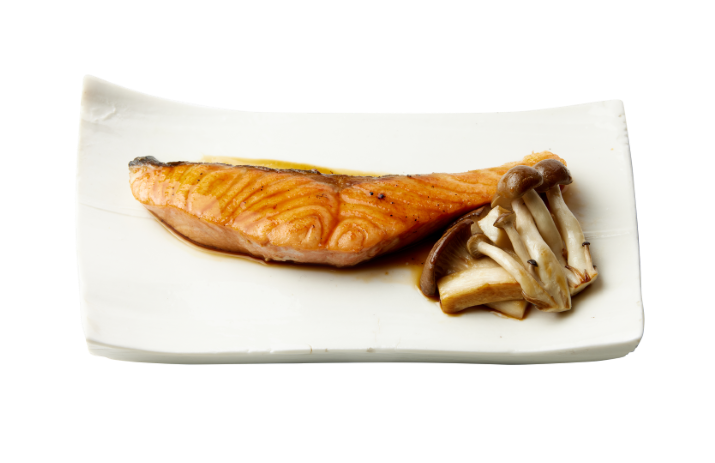
This is the main dish, centered around protein-rich ingredients such as fish or meat.
Side Dishes : Vegetable-centered dishes
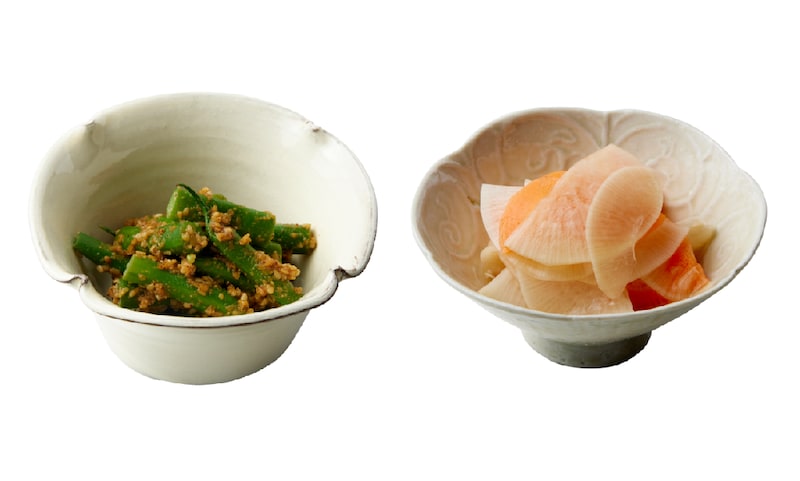
These are dishes made mainly with vegetables and other non-protein ingredients. Seaweed, potatoes, and beans are also commonly used.
Soup : A dish for savoring dashi
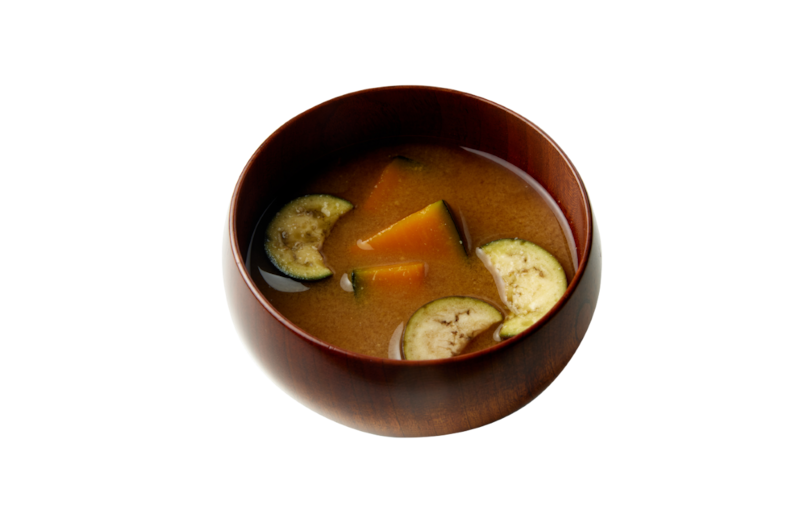
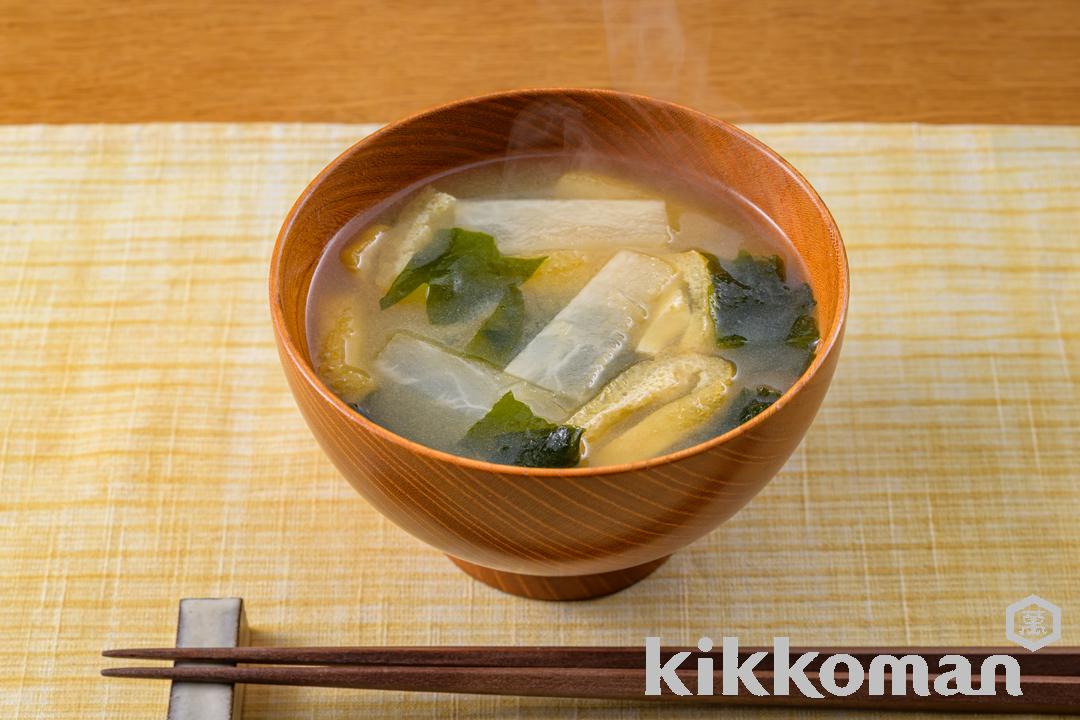
This is a soup made with dashi-based ingredients, such as miso soup or Japanese clear soup (osuimono). It is typically seasoned with soy sauce, miso, salt, or other seasonings.
Rice : The staple at the center of an Ichiju Sansai meal
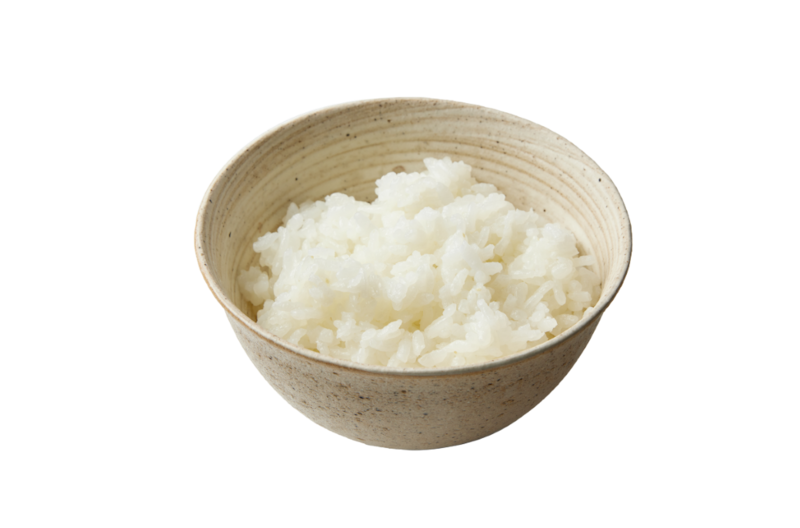
Rice is Japan’s staple food and provides carbohydrates as a source of energy.
Pickles : A palate cleanser for enjoying changes in texture and flavor
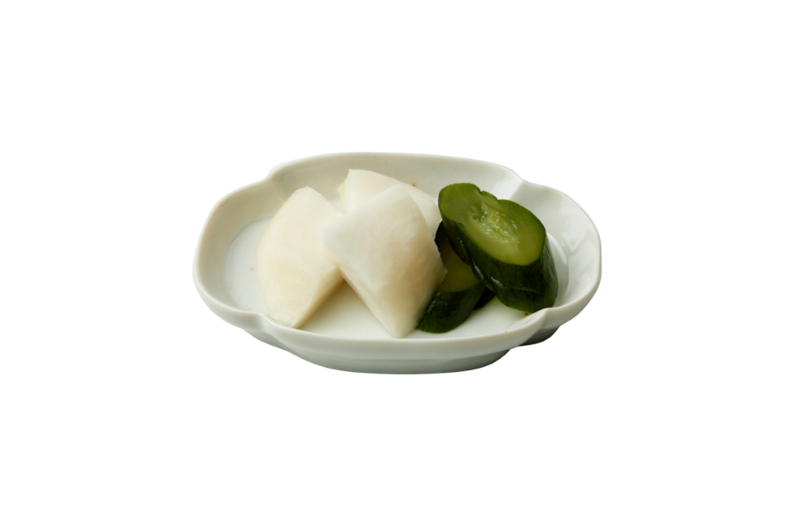
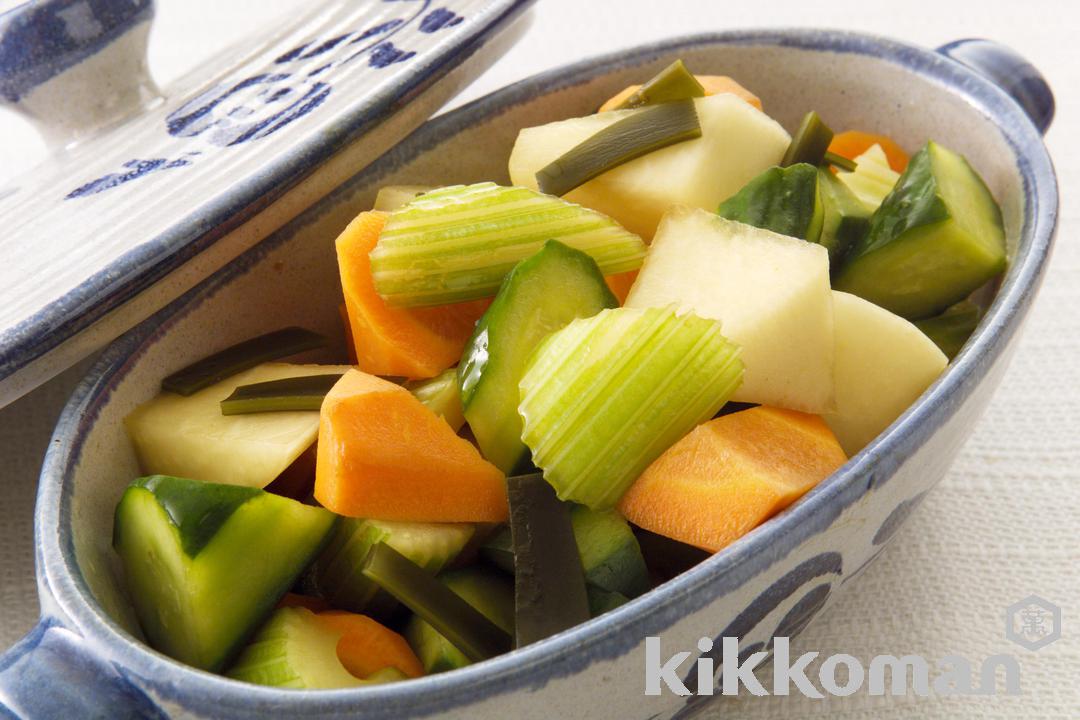
Japanese pickles (tsukemono) play an important role as hashiyasume (箸休め), a small dish that refreshes the palate during a meal and helps diners enjoy the next dish more fully.
*Note: Pickles are not counted as a side dish in Ichiju Sansai.
Tips for Combining Dishes in Ichiju Sansai
When planning a meal, keeping the following points in mind will help create balance and coherence across the entire meal.
Plan around seasonal ingredients
Incorporating seasonal ingredients brings out natural flavors and creates a sense of the season.
Avoid repeating the same ingredients across side dishes
Including not only vegetables but also seaweed, potatoes, beans, and other ingredients help create a naturally balanced meal.
Combine dishes with different textures, seasonings, and cooking methods
This creates variety and makes the meal enjoyable until the very end.
Be mindful of the overall color balance
Consider the colors of the ingredients and dishes, and value the beauty of the presentation as well.
Finally, there is no need to follow ichiju-sansai strictly for every meal. Instead, it can be adapted to suit everyday life, for example, by making a more substantial soup or incorporating simple or prepared side dishes.
Examples of Ichiju Sansai Meal Combinations
From here, we will introduce recommended meal combinations based on the ichiju sansai (one soup, three dishes) style. Use them as inspiration for planning your everyday meals.
Nikujaga (Meat & Potato Stew) Meal Set
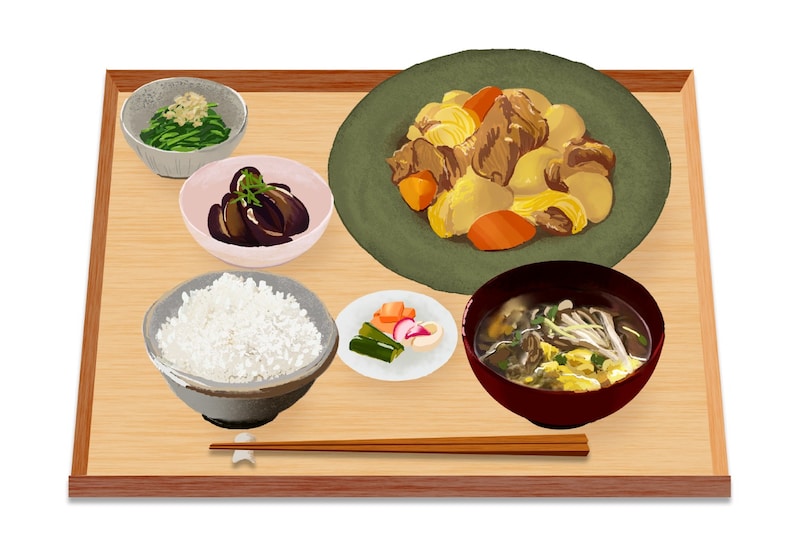
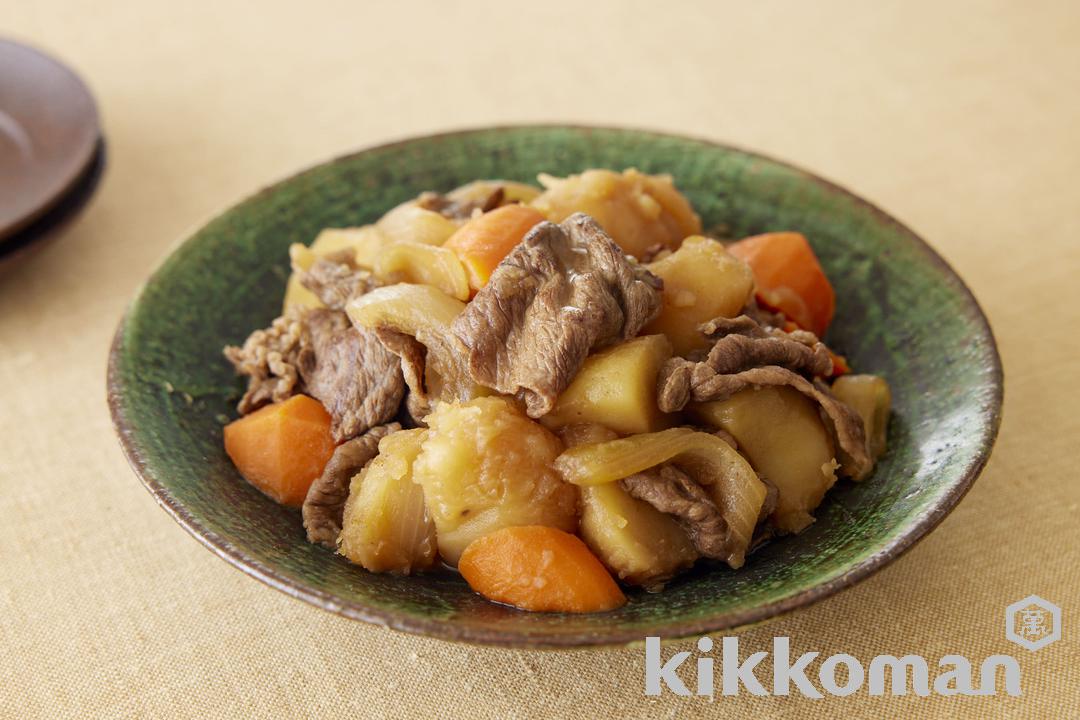
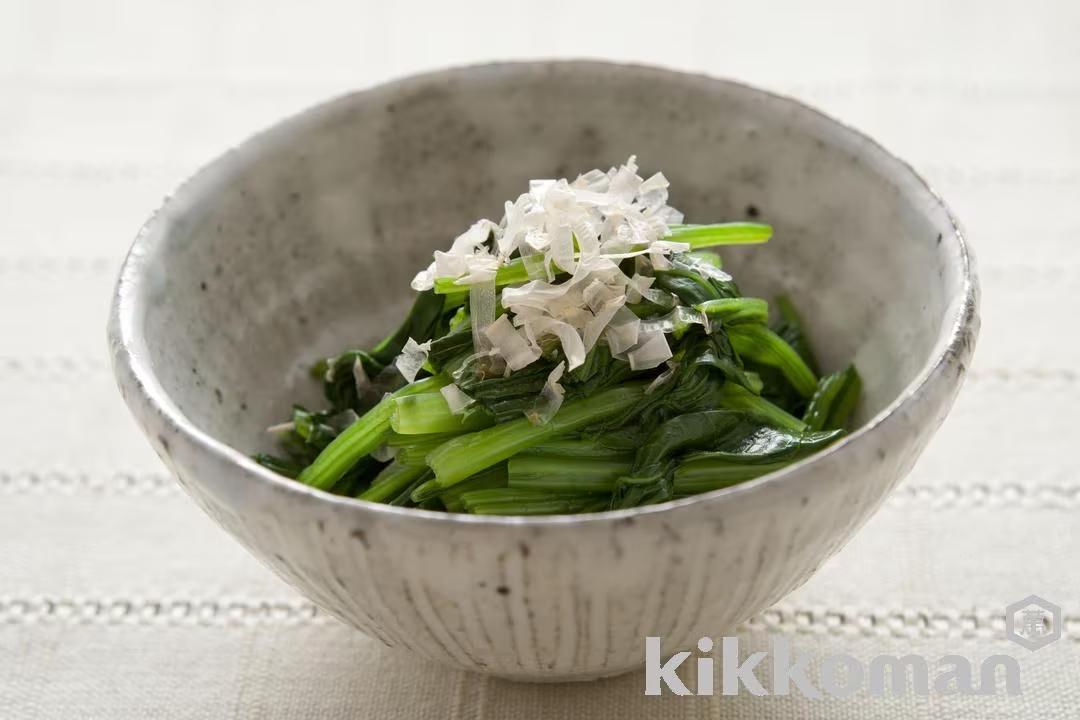
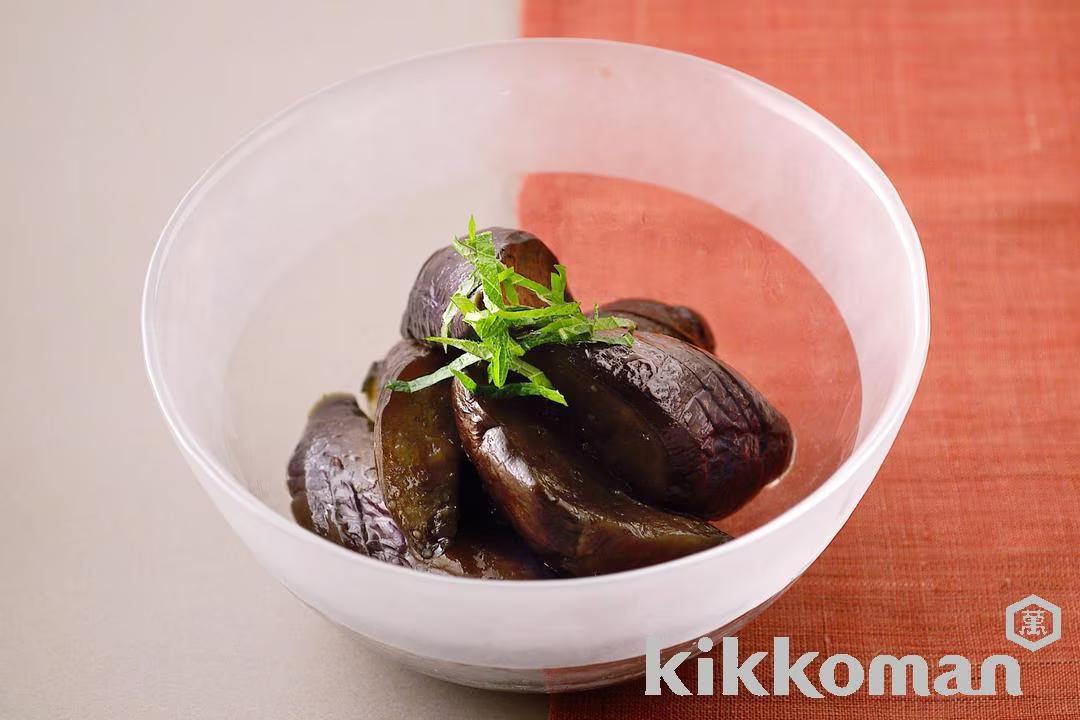
Since the main dish is sweet and savory meat and potato stew, spinach ohitashi (Boiled Spinach in Soy Sauce) adds green leafy vegetables as a side dish. A simmered eggplant dish with a different texture is also served alongside it. Since the main dish is well-seasoned, pair it with a gently flavored soup.
Related Recipes:
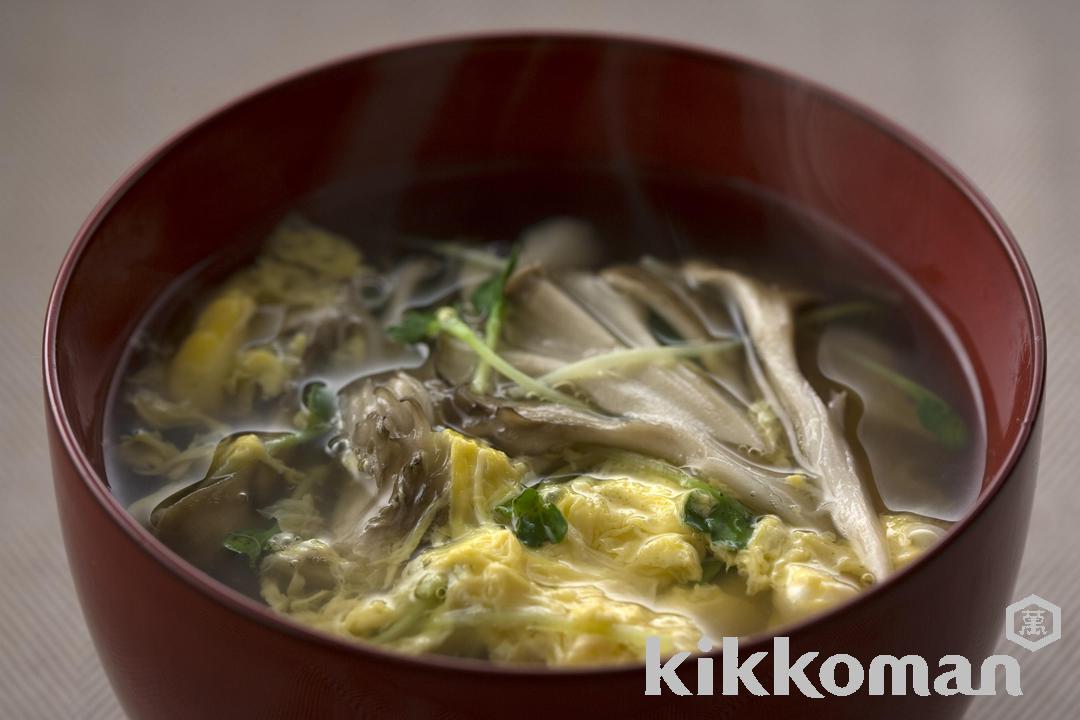
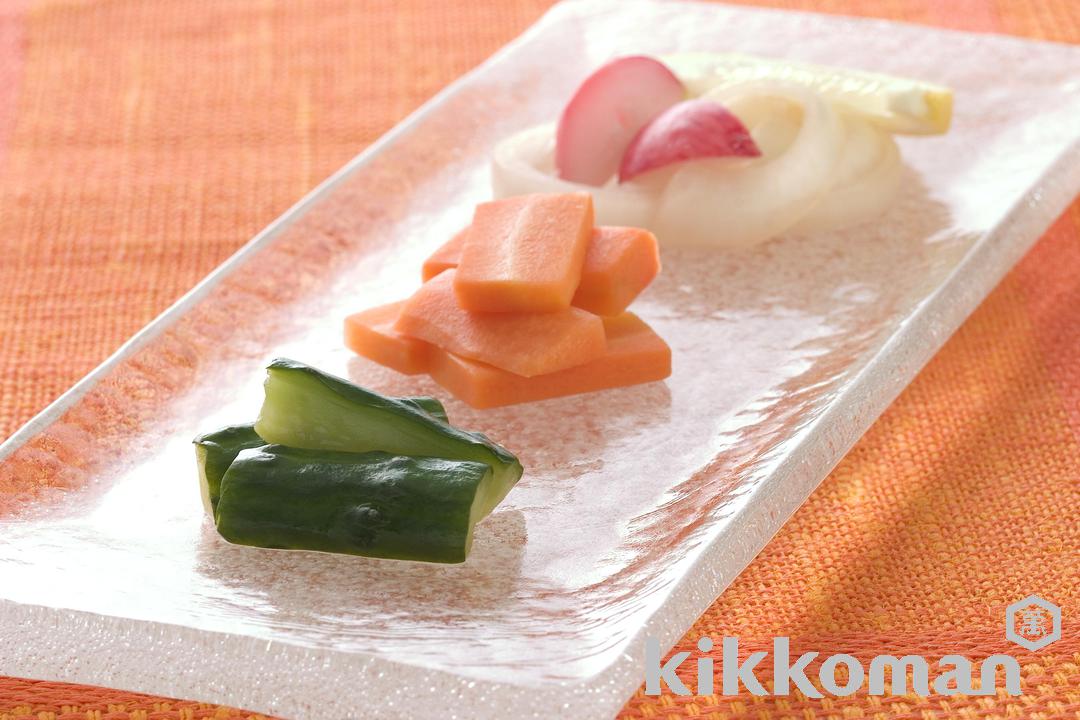
Shogayaki (Grilled Ginger Pork) Meal Set
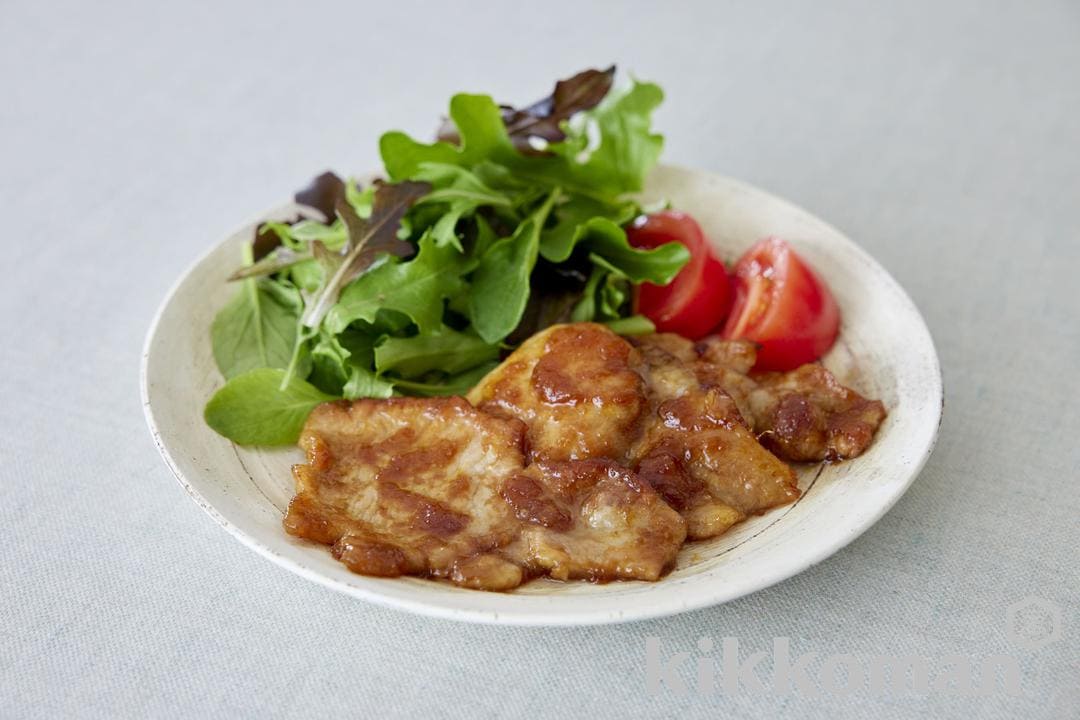
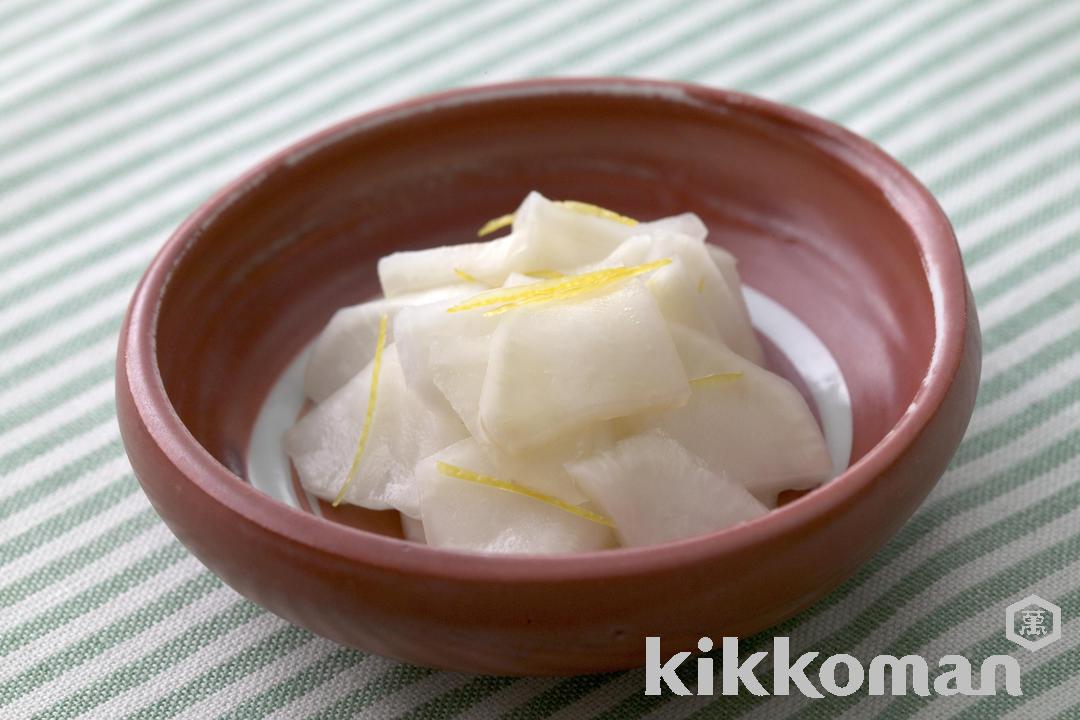
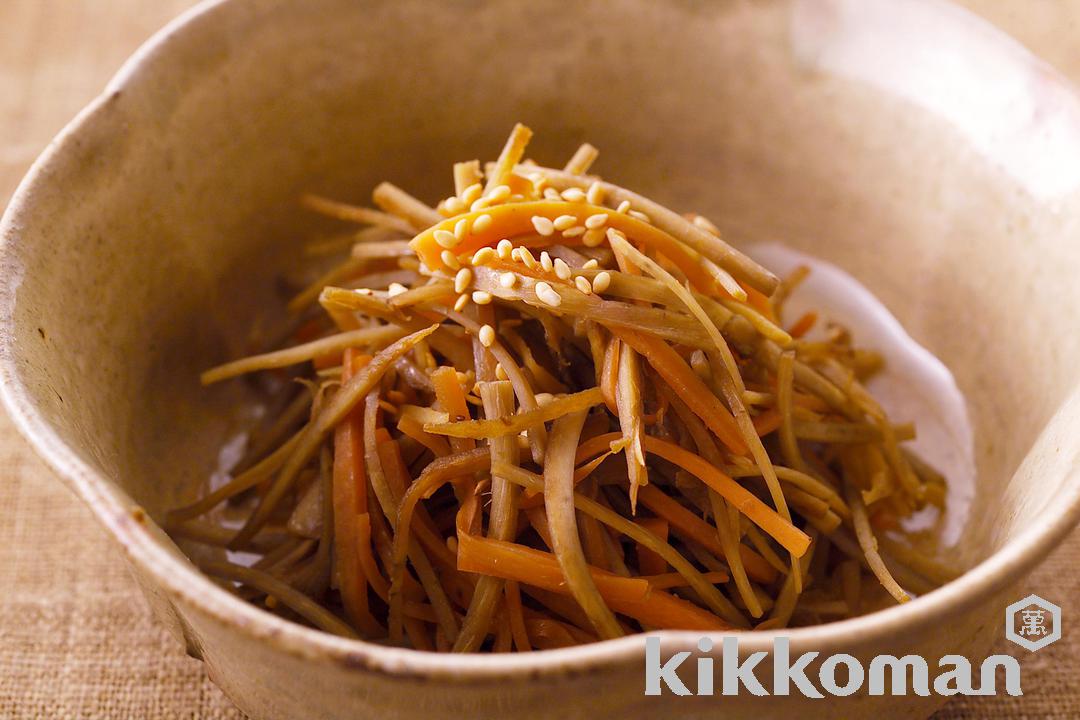
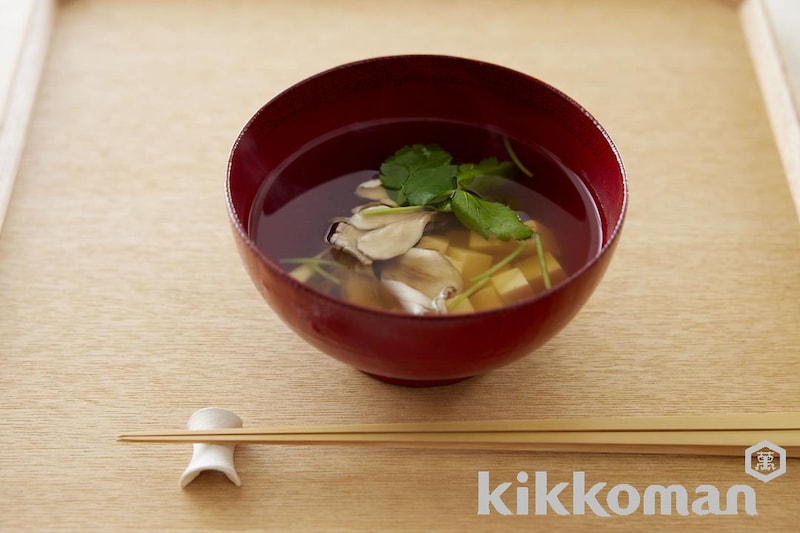
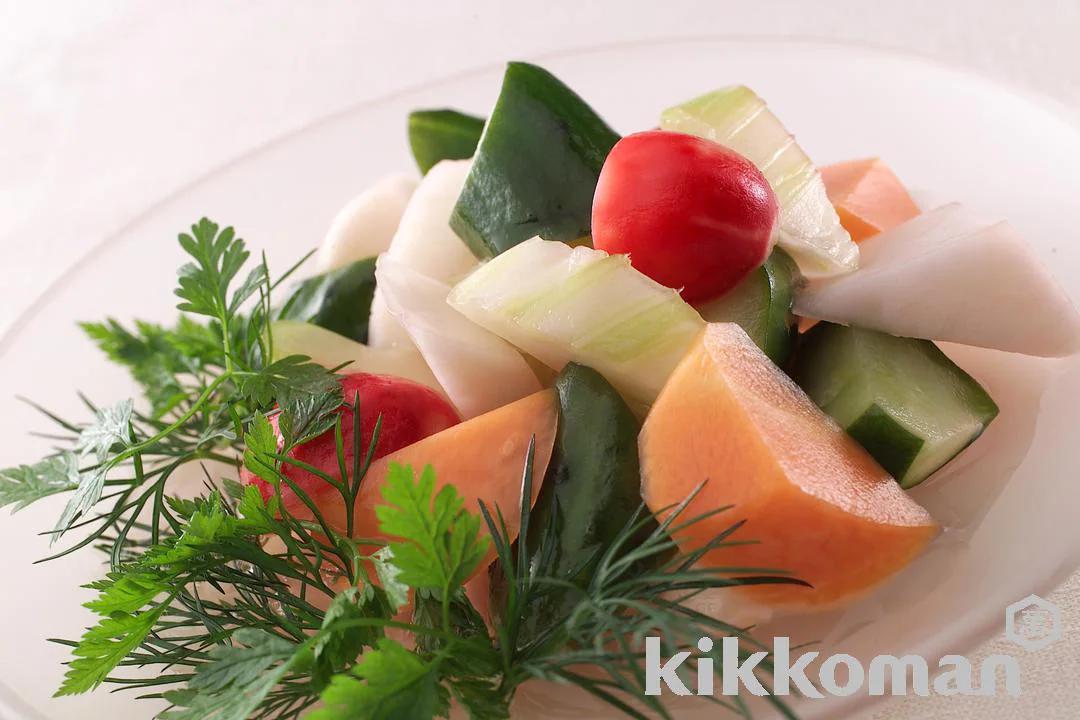
Since the main dish, Shogayaki (grilled ginger pork), has a bold seasoning, a refreshing turnip salad with lemon is served as a side dish. Kinpira, with its pleasant texture, also adds a nice accent to the meal. The soup is kept light and refreshing with a Japanese clear soup.
Related Recipes:
Vegetable Tempura Meal Set (Vegan Meal Set)
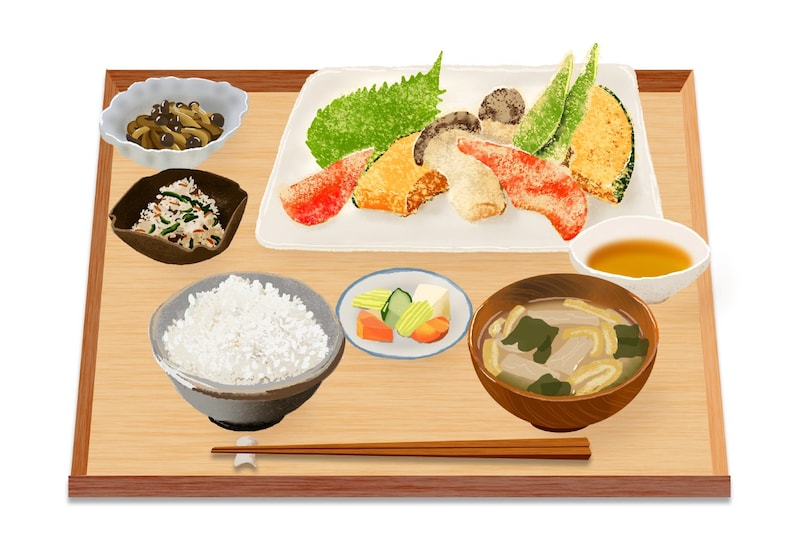
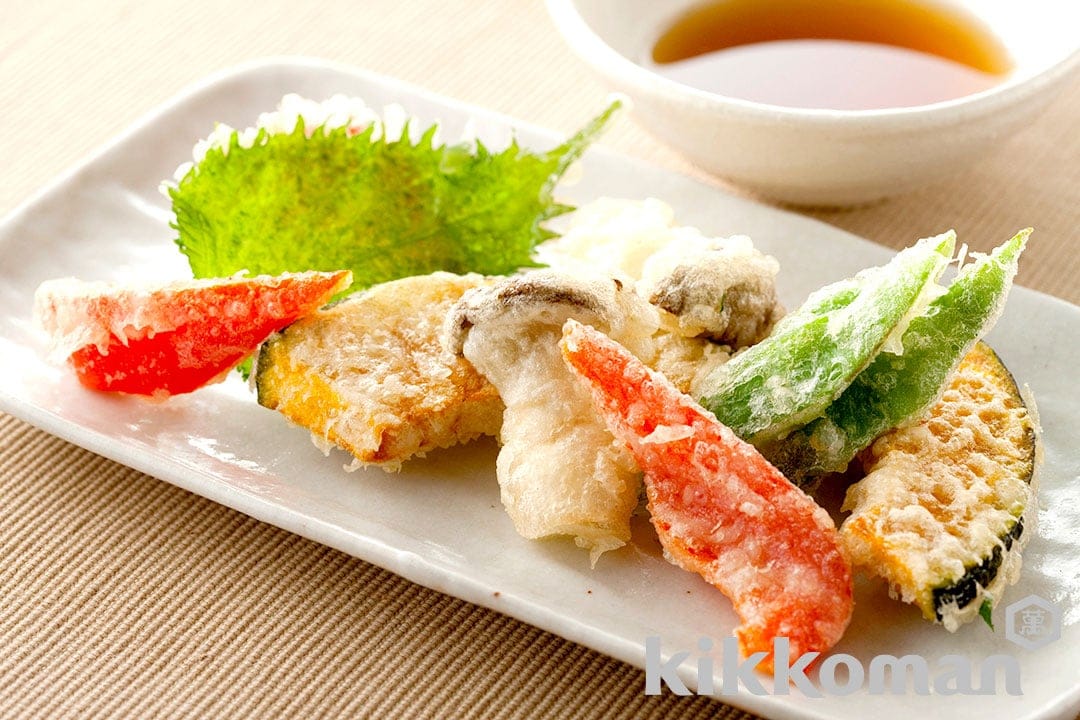
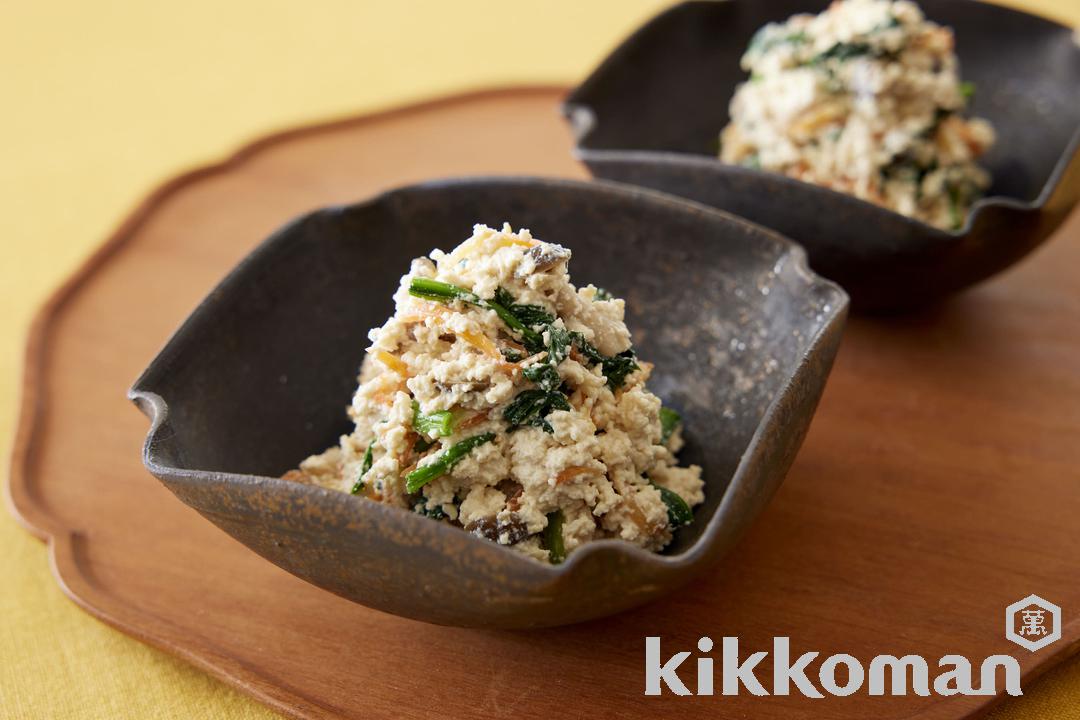
This meal set is made entirely with plant-based ingredients. Vegetable tempura, which includes oil and is satisfying to eat, serves as the main dish. By adding shiraae made with mashed tofu, you can also get protein. Aburaage (thin deep-fried tofu), another soy product, is also added to the miso soup.
Related Recipes:
Understanding Washoku: the Traditional Food Culture of Japan
About Washoku Culture
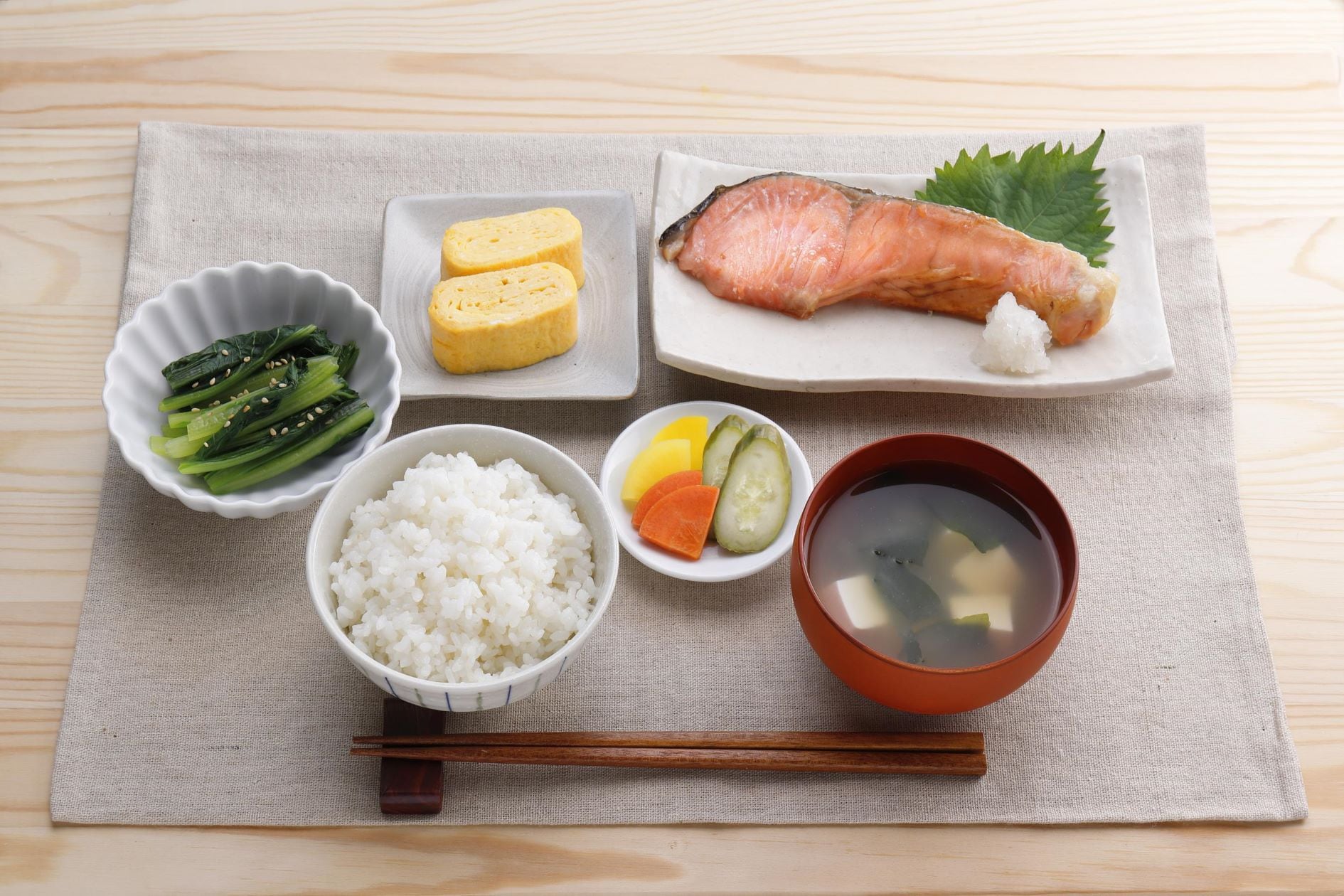
What is washoku? Explore its meaning, rich history, and the values behind this UNESCO-recognized traditional Japanese cuisine.
- Related Article:
- What is Washoku? Understanding Traditional Japanese Cuisine
Nutritional Balance of Healthy Japanese Diets
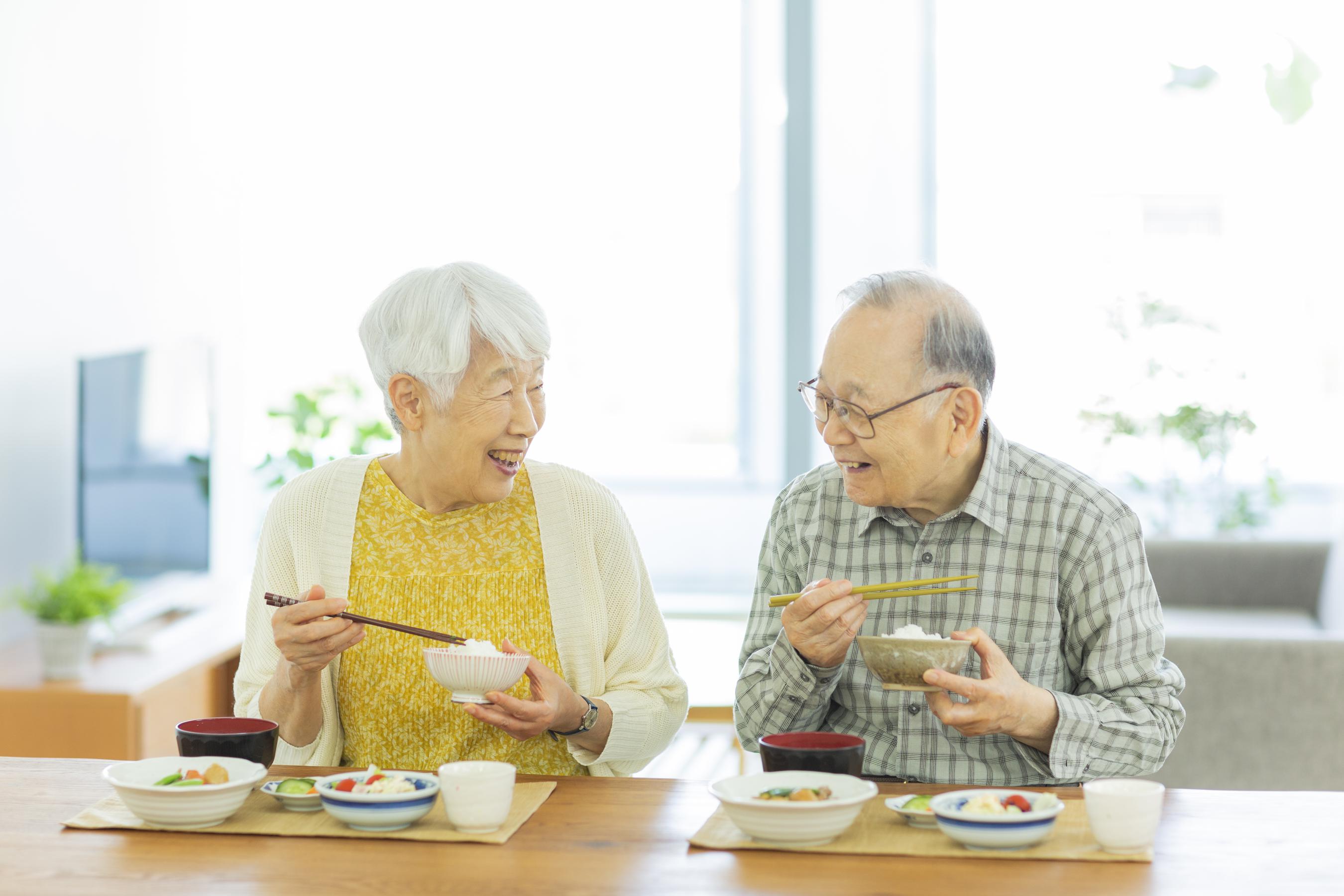
Explore the Relationship between Japanese Food and Wellness Benefits from Nutritional and Food Cultural Perspectives.